
Opera Etiquette for First-Time Visitors: What to Wear & When to Clap
 Abdul WadoodLast updated
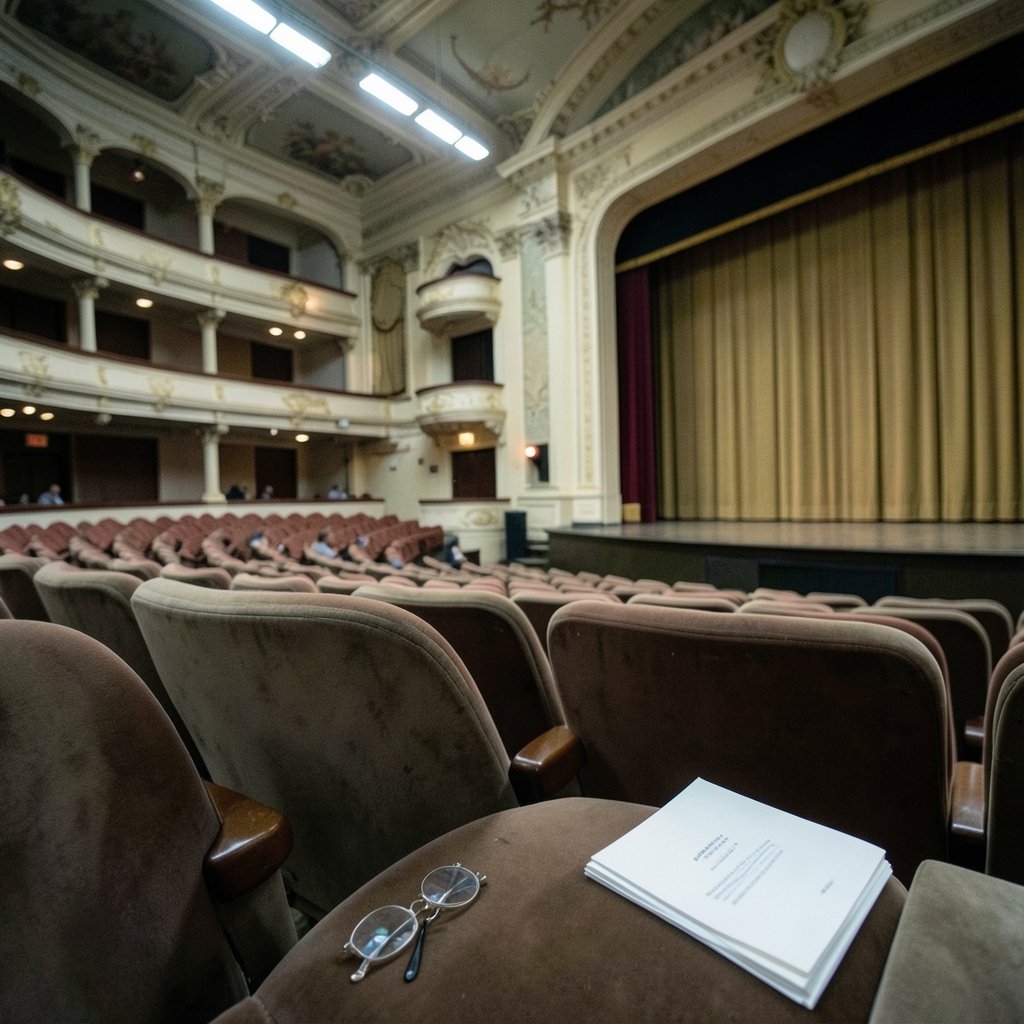
Opera has a reputation problem. Surveys of performing arts organizations have repeatedly found that the single biggest barrier for newcomers isn’t ticket price or travel. It’s the fear of getting something wrong. People worry they’ll clap at the wrong moment, wear the wrong thing, or commit some invisible faux pas that marks them as an outsider. Here’s the good news: most of that fear is misplaced. The real rules are fewer, simpler, and far more forgiving than the stereotype suggests.
The Real Rules Are Fewer Than You Think
The popular image of opera as a rigid ritual comes mostly from film and television, where audiences sit in white tie and judge each other silently. Walk into most major houses on an ordinary performance night and you’ll see a wide mix: suits, cocktail dresses, jeans with a decent jacket, students in sneakers. The truth is that opera etiquette is mostly about one thing, which is not ruining the experience for the people around you. Everything else is flexible.
That said, there are genuine conventions worth knowing, especially around timing, applause, and noise. The sections below cover the situations where newcomers most often feel uncertain, with practical guidance rather than rigid rules.
What to Wear: Smart Casual Is the Safe Default
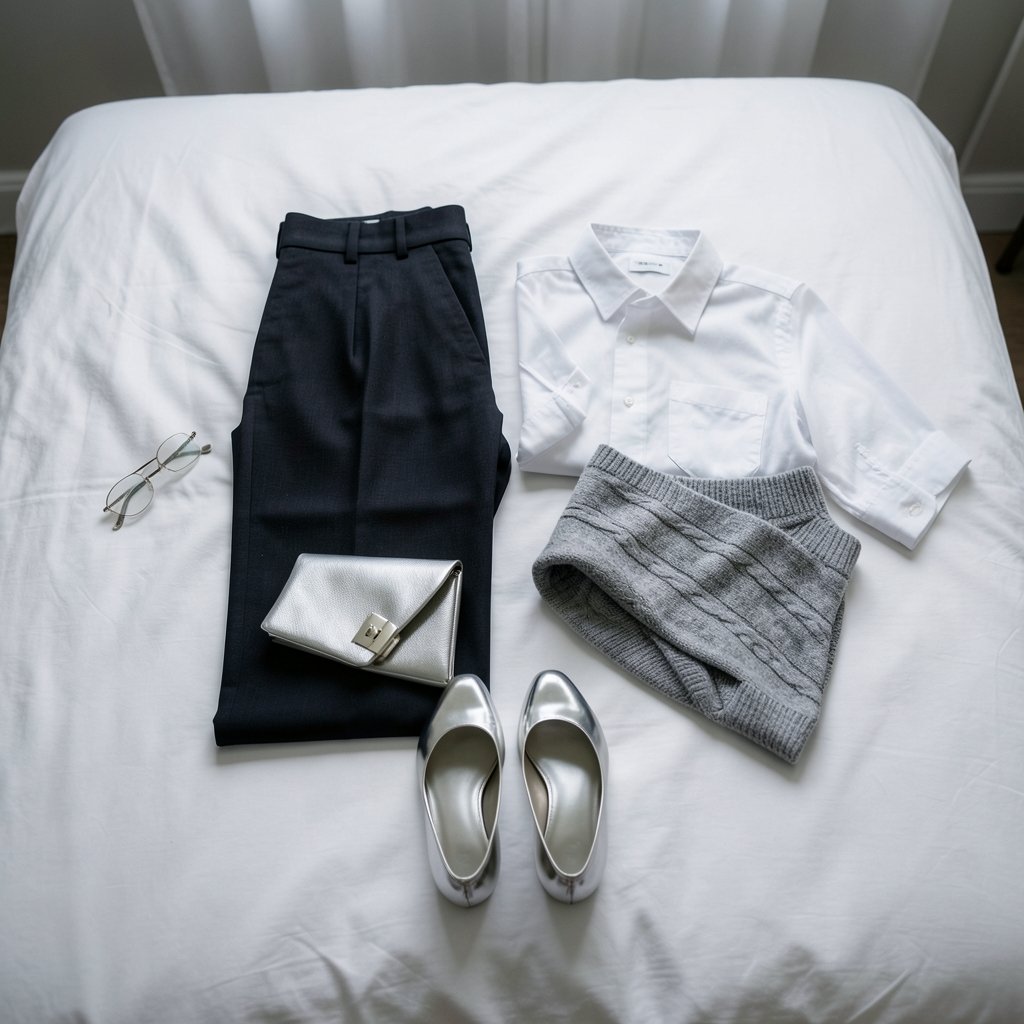
There is no universal dress code for opera. Most houses have no formal requirement at all, and smart casual covers you comfortably at the vast majority of performances. Think of it as the outfit you’d wear to a nice dinner: trousers or a dress, a collared shirt, clean shoes. You don’t need a tuxedo, and nobody will check.
A few practical refinements:
- Gala nights and premieres tend to be dressier. If the performance is a season opening or a charity gala, lean toward formal.
- Matinees are generally more relaxed than evening performances.
- Festival houses in summer can be warmer inside than you expect. Layers help.
- Comfort matters more than polish. Operas often run two and a half to four hours. An uncomfortable outfit will make the third act feel much longer than it is.
One mistake newcomers make is overcorrecting. Buying a formal outfit for a first visit is rarely necessary and can make you feel more conspicuous, not less. If you’re unsure, check the venue’s own website for guidance, or simply aim for the middle: neat, comfortable, and not overly casual. (Your Visit)
Arriving on Time (and What Happens If You Don’t)
This is the one area where opera genuinely differs from cinema or casual theatre, and where newcomers most often get caught out. Latecomers are typically not seated until a suitable break, often after the first act or at the first interval. The reason is practical rather than punitive: the auditorium is dark, the acoustics carry, and a late arrival walking to their seat disrupts both performers and audience.
The practical upshot: arrive early. Aim to be in the building 20 to 30 minutes before curtain, which gives you time for the cloakroom, a drink, and finding your seat without rushing. Doors often close at the start of the performance, and some venues won’t admit anyone once the music begins.
If you are running late, don’t panic. Staff will usually hold you in the foyer and seat you at the first appropriate pause. You’ll watch part of the performance on a relay screen in some houses. It’s not ideal, but it’s not a scandal either.
When to Clap: The Question Everyone Asks
Applause is where opera etiquette confuses people most, because the conventions differ from both theatre and symphony concerts. In opera, applause after a standout aria is traditional and expected. Singers often pause in anticipation of it. Holding your applause until the end of the act isn’t wrong, but it can read as slightly flat.
The practical guide:
| Moment | Applause? | Notes |
|---|---|---|
| After a famous aria | Yes, often expected | Especially after a showpiece; the conductor may pause |
| End of an act | Yes | Standard at nearly every house |
| During the orchestral overture | Usually no | Wait for the singing |
| Mid-scene, no clear pause | No | Follow the room; if unsure, wait |
| End of the performance | Yes, enthusiastically | Standing ovations are common |
If you’re unsure whether a moment is a natural pause, watch the conductor. They will often hold the orchestra and turn toward the stage, which is the signal that applause is welcome. Shouting “bravo” is customary for male singers, “brava” for female singers, and “bravi” for a group. You don’t have to join in, but you won’t be out of place if you do.
Silence, Phones, and the Small Things That Matter
The core of opera etiquette is simple: protect the performance. That means turning phones off, not leaving them on silent. Screens light up the dark auditorium and distract performers who can often see the front rows. Photography and recording are almost universally prohibited during the performance.
A few more practical points that experienced audience members notice:
- Unwrap sweets before the performance starts. Crinkling wrappers are surprisingly loud in a quiet house.
- Don’t sing along or hum. It happens more than you’d think, especially with familiar tunes.
- Whispering carries. The acoustics that let a singer fill a 2,000-seat hall without amplification also carry your commentary to the row behind you.
- Cough if you must, but time it. A cough during a quiet passage is far more noticeable than during a full orchestral swell.
- Keep food and drink out of the auditorium. Most houses restrict them to bars and foyers.
None of this is about formality. It’s about the shared experience. The person next to you may have paid a lot and waited months for this specific night.
Understanding the Performance Before It Starts
A little preparation transforms a first opera visit. You don’t need to study the score, but knowing the basic plot and the big arias makes the evening far more engaging. Most major houses publish a synopsis online, and many offer pre-performance talks.
Surtitles are now standard at most major houses, projected above the stage or on small screens at each seat. They translate the libretto in real time, which means you can follow the story even if you don’t speak Italian, German, or French. This single development has done more for first-time accessibility than any dress code reform.
If you want to go further, listening to a recording once beforehand helps you recognize the melodies and know when the famous moments are coming. But it isn’t required. Plenty of people walk in cold and have a wonderful time.
Standing Places, Intervals, and Practical Logistics
Some European houses, including the Vienna State Opera and La Scala in Milan, sell inexpensive standing tickets. These are a genuine bargain, but they come with a trade-off: long queues, and a view that requires you to arrive early and hold your spot. If you’re on a budget and comfortable on your feet, it’s a fantastic way to experience world-class opera for a fraction of the price. (Opera)
Intervals usually last 20 to 30 minutes. This is when you stretch, use the cloakroom, and get a drink. It’s also a social occasion, and nobody will mind if you simply stand in the foyer. Do check the running time before booking transport home: a four-hour opera with two intervals ends much later than a two-hour play.
For those thinking about how the evening fits into a wider sense of style, the same principles that govern building a timeless wardrobe apply here: invest in a few versatile pieces, prioritize comfort, and don’t chase trends. Opera audiences reward understatement.
Common Mistakes First-Timers Make
A few patterns come up again and again among newcomers. None are catastrophic, but avoiding them makes the evening smoother.
- Arriving at curtain time rather than early. This is the most common error. Build in buffer.
- Overdressing for an ordinary performance. A tuxedo at a Tuesday night performance will make you feel more self-conscious, not more elegant.
- Waiting to clap until the very end. Opera audiences applaud mid-performance. Silence after a great aria can feel like a snub.
- Leaving the phone on silent rather than off. A vibrating phone in a quiet house is audible.
- Skipping the synopsis. Ten minutes of reading beforehand pays off across three hours.
- Rushing out at the final curtain. The curtain call is part of the performance, and many audiences applaud for several minutes.
How Accessories and Details Fit In
There’s a reason opera and accessories go together in the popular imagination. A single well-chosen piece, a scarf, a pair of earrings, a good watch, can elevate a simple outfit without requiring a new wardrobe. The principle, as explored in this piece on the power of accessories in a timeless look, is that restraint reads as confidence. That’s exactly the energy you want at a first opera: comfortable, considered, and not trying too hard.
If you’re someone who enjoys experimenting with hair and styling for a night out, the same logic applies. A polished but simple look beats an elaborate one you’re constantly adjusting. For those curious about playful options, there’s plenty of inspiration in guides to hair tinsel and how it’s applied, though for a traditional opera night, subtler choices usually serve better.
Is It Worth Going If You’re Not Sure You’ll Like It?
Yes, and the reasoning is straightforward. Opera is a live art form built around the human voice, and recorded audio flattens what makes it remarkable: the physical power of a singer filling a hall without a microphone. That experience doesn’t translate to a screen. First-timers often report being surprised by how emotionally direct it is, even when they can’t follow the language.
The other reason is cost. Many houses offer discounted tickets for under-30s, students, and first-time attendees. Some run open rehearsals. If you’re curious but hesitant, a cheap seat at a mid-week performance is a low-risk way to find out.
Conclusion
Opera etiquette is far less intimidating than its reputation suggests. Wear something neat and comfortable. Arrive early. Turn your phone off. Clap when the room claps, and don’t worry about getting every moment right. The conventions exist to protect a shared experience, not to test your knowledge of them. The audiences at most houses are genuinely pleased to see newcomers, and the performers certainly are. Buy a ticket, read the synopsis, and go. The worst outcome is an enjoyable evening you weren’t sure about. The best is a lifelong habit.
Frequently Asked Questions
Do I need to dress formally for the opera?
No. Most performances have no formal dress code, and smart casual is entirely appropriate. Only galas, premieres, and certain festival performances tend toward formal attire. Check the venue’s website if you’re unsure, but a neat, comfortable outfit will serve you well at almost any house.
Is it rude to clap in the middle of an opera?
Not at all. Applause after a standout aria is traditional and often expected. Singers frequently pause in anticipation of it. The convention differs from symphony concerts, where mid-movement applause is discouraged. If you’re unsure whether a moment is a natural pause, watch the conductor for a cue.
What happens if I arrive late?
In most houses, latecomers are held in the foyer and seated only at a suitable break, often after the first act or at the first interval. This isn’t a punishment; it’s to avoid disrupting the performance and the audience. Arriving 20 to 30 minutes before curtain avoids the issue entirely.
Do I need to understand the language to enjoy opera?
No. Most major houses provide surtitles, projected above the stage or on seat-back screens, translating the libretto in real time. Reading a plot synopsis beforehand also helps. Many first-timers find that the emotional impact of the music carries the experience even without following every word.
Can I take photos or record the performance?
Almost never during the performance itself. Photography and recording are widely prohibited because screens and flashes distract performers and audience alike. Some houses allow photos in the foyer or during curtain calls. Always check the venue’s policy, and keep your phone off rather than merely silent.
How long does an opera usually last?
Most operas run between two and a half and four hours, including one or more intervals of roughly 20 to 30 minutes. Running times vary widely by work, so check the specific performance before booking transport home. A long opera with two intervals can end considerably later than expected.