
Best Luxury Convertibles: How to Choose One That Lasts
 Abdul WadoodLast updated
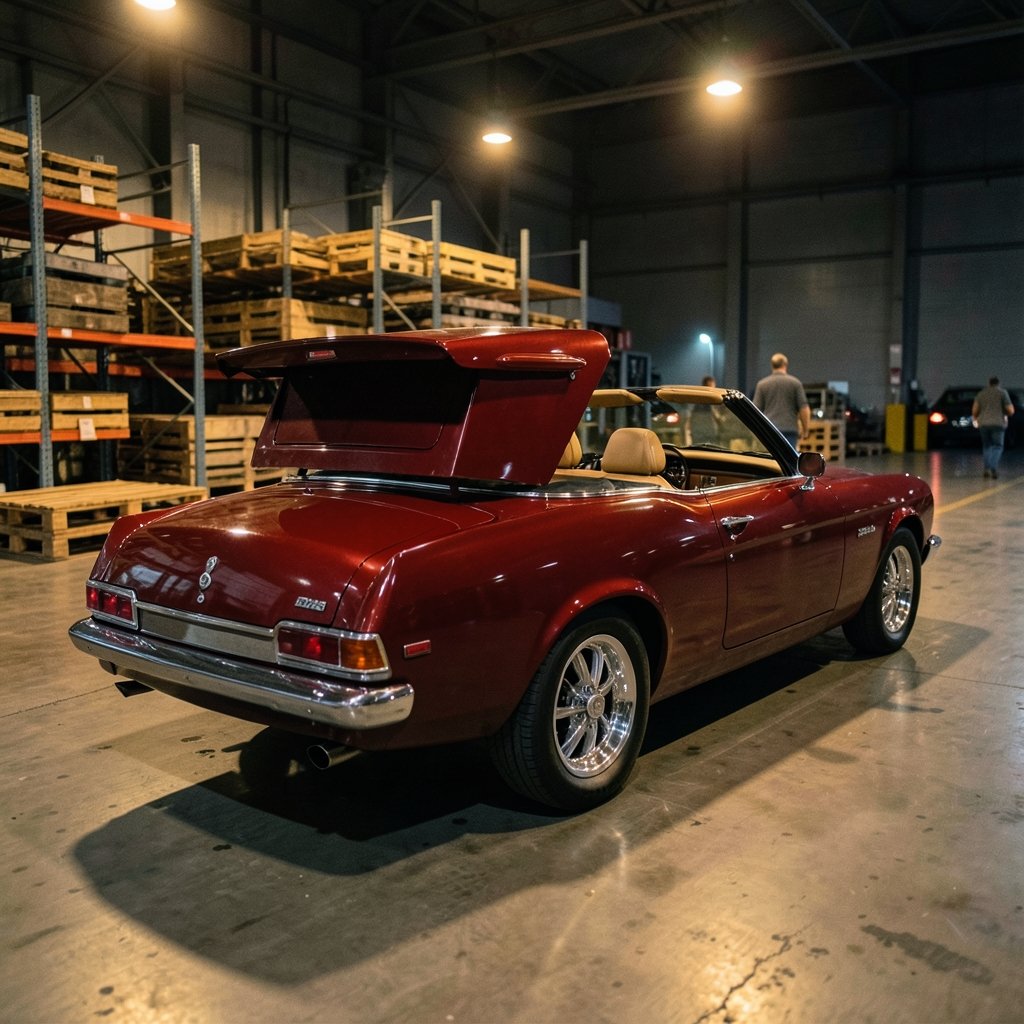
The modern retractable hardtop can open or close in under 20 seconds at speeds up to about 30 mph (48 km/h) on several current models. That single number explains why luxury convertibles remain so appealing: the roof is no longer a compromise. It is a piece of engineering that lets a car shift from hushed coupe to open-air tourer between two traffic lights. The best luxury convertibles get that transition right, then back it up with ride quality, cabin materials, and resale strength that justify the price.
What Actually Makes a Convertible “Luxury”
Price alone is a poor filter. A six-figure sticker can still buy you a car that shudders over expansion joints, roasts your neck in traffic, and loses its roof seal by year four. Real luxury in an open car comes down to four things: structural rigidity, acoustic isolation, material quality, and how the roof mechanism ages.
Structural rigidity matters most. Removing a fixed roof takes away a major load-bearing element, so engineers add underbody bracing, thicker sills, and reinforced windscreen frames. The best convertibles feel nearly as solid as their coupe siblings. The weakest ones telegraph every bump through the steering column.
Acoustic isolation is the second test. A lined fabric roof with multiple layers can now rival a hardtop for highway quiet, though not quite match it. Hardtop convertibles usually win on noise but add weight and complexity.
Material quality separates premium from merely expensive. Look at the headliner, the stitching on the door cards, and whether the seats use full-grain leather or heavily coated hides. Open cars expose interiors to sun and dust, so cheap materials age twice as fast.
Roof mechanism longevity is the quiet dealbreaker. Hydraulic systems can leak; electric actuators can fail; seals harden. Ask how many cycles the mechanism is rated for and whether the roof can be operated manually in an emergency.
The Main Contenders and What Each Does Best

The segment splits into distinct philosophies. Below is a practical comparison of the archetypes rather than a spec sheet, since model-year details shift annually and vary by market.
| Contender type | Roof | Strength | Watch out for |
|---|---|---|---|
| Mercedes-Benz SL lineage | Fabric (current generation) | Long-distance comfort, badge prestige | Heavy; less agile than rivals |
| BMW 8 Series Convertible | Fabric | Refined drivetrain, quiet cabin | Large footprint in tight cities |
| Porsche 911 Cabriolet | Fabric | Handling, everyday usability | Options list inflates price fast |
| Lexus LC Convertible | Fabric | Build quality, distinctive design | Limited rear space |
| Audi A5/S5 Cabriolet | Fabric | Four-seat practicality, value | Less exotic presence |
| Bentley Continental GT Convertible | Fabric | Craftsmanship, grand-touring power | Running costs, sheer size |
The Mercedes-Benz SL is the historical benchmark. The “SL” name traces to the 1952 300 SL race car, and the badge has anchored the luxury roadster category for seven decades. The current generation returned to a fabric roof and a 2+2 layout, which tells you where the market landed: lighter, simpler roofs over folding metal.
The Porsche 911 Cabriolet is the driver’s pick. The 992-generation convertible arrived around 2019, and it keeps the coupe’s composure remarkably well. It is the car you can drive daily without feeling like you are making a sacrifice.
The Bentley Continental GT Convertible sits at the top of the grand-touring ladder, with a current generation launched around 2018–2019. It is less a sports car than a moving drawing room, and it should be judged on that basis.
For buyers who want four usable seats, the Audi A5/S5 Cabriolet and BMW 8 Series Convertible are the practical answers. The 8 Series Convertible arrived for the 2019 model year as part of the G14 generation. The Lexus LC Convertible went on sale around 2020 and remains one of the most distinctive designs in the class, with build quality that consistently ranks among the best in the segment. (Convertible)
Fabric vs. Hardtop: The Trade-Off Nobody Explains Properly
Buyers often assume a folding metal roof is automatically superior. It is not. The choice changes what the car is good at.
Fabric roofs are lighter, fold into a smaller space, and preserve more trunk room. Modern multi-layer fabric with a lined headliner is genuinely quiet at highway speed. They also let designers keep a classic silhouette. The downsides are long-term wear from UV exposure and the risk of creasing if the roof is stored folded for months.
Hardtop convertibles offer better security and slightly better noise isolation with the roof up. But the panels are heavy, the mechanism is complex, and the folded roof eats trunk space. Many manufacturers have quietly moved back to fabric for exactly these reasons.
A practical tip: if you park outdoors, fabric roofs need a dedicated cleaner and proofer once or twice a year. Skip that maintenance and the roof will fade and lose water repellency within a few seasons. It is the single most common ownership mistake in this segment.
What to Check Before You Sign
A convertible is a more complex machine than a coupe, and the inspection list is longer. Here is what experienced buyers check, in order.
- Cycle the roof at least five times during the test drive, both stationary and at low speed. Listen for grinding, watch for uneven panel gaps, and confirm it latches without assistance.
- Inspect the seals and weatherstripping along the windscreen frame, door tops, and rear quarter. Look for cracking, compression set, or previous silicone sealant. Seals are inexpensive parts with expensive labor.
- Check the trunk with the roof down. Confirm you can still fit a weekend bag. Some hardtops leave almost nothing.
- Look for water stains on the headliner, carpet, and seat bolsters. Convertibles leak from the top down, and stains are hard to hide.
- Test the air scarf or neck warmer if fitted. It extends top-down driving into cold weather and is one of the most underrated features in the class.
- Verify service history for roof hydraulics on older cars. A failed hydraulic system can cost four figures to repair.
- Drive it roof-down on a rough road. Wind noise and cowl shake are far easier to detect without the roof masking them.
One more thing that surprises first-time buyers: wind management matters more than horsepower for daily enjoyment. A well-designed wind deflector and side windows that raise slightly with the roof down make highway driving more comfortable. Cars that get this right feel calm at 70 mph; cars that get it wrong leave you hoarse after an hour.
The Ownership Reality: Depreciation, Insurance, and Storage
Luxury convertibles depreciate like other luxury cars, but with an extra variable: seasonal demand. In cold-climate markets, prices soften in winter and firm up in spring. Buyers who shop in November often save meaningfully compared with buyers who shop in May.
Insurance runs higher than for equivalent coupes, partly because roof repair claims are expensive and partly because convertibles are statistically more likely to be stolen or vandalized when parked open. Ask specifically whether the policy covers roof mechanism failure as well as collision damage.
Storage is the third cost. A fabric roof left folded for months can develop permanent creases, and the mechanism benefits from occasional cycling. If the car will sit for a season, keep the roof closed, use a breathable indoor cover, and run the mechanism monthly. It takes two minutes and prevents a very expensive problem.
For readers thinking about how these cars fit into a broader collection, the wider conversation about the future of luxury living covers how ownership priorities are shifting toward experience over pure specification. That trend shows up clearly in convertibles, where the roof-down drive matters more than the lap time.
Matching the Car to the Way You Actually Drive
The most expensive mistake in this segment is buying for the fantasy rather than the routine. A few honest questions narrow the field fast.
If most driving is a 20-minute commute, prioritize cabin quiet with the roof up and seat comfort. The grand tourers win here. If weekend mountain roads are the point, prioritize chassis rigidity and steering feel; the sports-car-derived options win. If you regularly carry two passengers, four-seat convertibles are the only realistic answer, and the choice narrows to a handful of models.
There is also a design dimension worth taking seriously. The best modern convertibles are not retro pastiches; they reinterpret classic proportions in a contemporary way. The broader discussion of the new language of modern luxury is useful context for understanding why today’s open cars look quieter and more restrained than the chrome-heavy models of twenty years ago.
Buyers who want to see how the category compares with other high-end purchases can browse luxury resorts for your next getaway for a sense of how premium brands across sectors now sell experience rather than objects. The parallel is not accidental: both industries have learned that the story around the product carries as much weight as the specification sheet. For a deeper look at how heritage brands sustain that story, luxury fashion houses and their legacy offers a useful comparison.
Where the Category Is Heading
Electrification is reshaping the segment. Instant torque suits open-top driving well, and the quiet drivetrain removes one of the few remaining sources of noise with the roof down. The trade-off is weight: battery packs add mass exactly where convertibles are most sensitive to it, which is why engineers are working hard on underbody stiffness and low-mounted mass distribution.
Expect fabric roofs to dominate. The industry has largely concluded that the weight and packaging penalties of folding metal outweigh the security benefits, especially now that fabric roofs are quieter and better insulated than they were a decade ago. (Consumer Reports)
Expect, too, a continued drift upmarket. The affordable four-seat convertible is becoming rare as manufacturers concentrate on higher-margin models. That makes the used market increasingly important for buyers who want open-top driving without a six-figure outlay.
Conclusion
The best luxury convertible is not the fastest or the most expensive one. It is the car whose roof mechanism you trust, whose cabin stays quiet at highway speed, and whose seats you are happy to sit in after three hours. Start with structural rigidity and wind management, verify the roof’s service history, and match the car to your actual weekly driving rather than the idealised weekend. Fabric roofs have won the engineering argument, four-seat options remain limited, and seasonal timing can save real money. Get those fundamentals right and the open-top experience stops being a compromise and becomes the reason you bought the car.
Frequently Asked Questions
Is a fabric or hardtop convertible better?
Fabric roofs are lighter, fold smaller, and preserve more trunk space, and modern multi-layer versions are quiet at highway speed. Hardtops offer slightly better security and noise isolation but add weight and complexity. Most luxury manufacturers have moved back to fabric for these reasons.
How long does a convertible roof last?
With regular cleaning and annual fabric proofing, a well-made fabric roof can last a decade or more. Longevity depends heavily on UV exposure and whether the roof is stored folded for long periods. Cycling the mechanism monthly and keeping seals conditioned extends life significantly.
Do luxury convertibles hold their value?
They depreciate like other luxury cars, with an extra seasonal pattern: prices soften in winter and firm up in spring in cold-climate markets. Limited-production models and desirable specifications hold value better than high-volume variants with heavy options lists.
Can you drive a convertible in winter?
Yes, and modern cars make it genuinely comfortable. A neck-level warm-air system, strong heating, and a well-insulated roof keep cold-weather driving pleasant. The main precautions are keeping the fabric roof clean of road salt and avoiding lowering a frozen roof, which can crack the material.
How much does convertible roof maintenance cost?
Routine care is inexpensive: cleaner, proofer, and seal conditioner cost little and take an hour or two a year. Repairs are where costs climb. Hydraulic system failures and motor replacements can run into four figures, which is why a documented service history matters so much on used cars.
What should I check on a used luxury convertible?
Cycle the roof several times, inspect every seal for cracking, look for water stains on the headliner and carpet, confirm trunk space with the roof down, and drive roof-down on a rough road to expose cowl shake and wind noise. Verify service records for the roof mechanism specifically.