
Best Boutique Hotels in Copenhagen 2026: Top Picks
 Abdul WadoodLast updated

Copenhagen runs on two wheels and a well-designed room. With roughly 9 out of 10 residents owning a bicycle and the city regularly ranked among the world’s most livable, it makes sense that its hotels follow the same logic: compact, thoughtful, and built around daily life rather than grand gestures. That is exactly why the Danish capital has become a quiet powerhouse for small, characterful hotels. The best boutique hotels in Copenhagen do not shout. They layer a beautiful old building, a sharp interior, and a genuinely useful location into one package. This guide walks through the properties that consistently earn that label, what each one does best, and the practical details that matter when you book.
First, What “Boutique” Actually Means in Copenhagen
Denmark does not regulate the word boutique. Any property can print it on a website. The official star system is administered by HORESTA, the Danish hotel and restaurant association, and it measures facilities and services rather than personality or design.
That gap matters. A hotel can hold four stars and still feel like a chain. A hotel can hold three and feel unforgettable. When you read “boutique” in Copenhagen, treat it as a promise about size, style, and service, then verify it against three things:
- Room count. Boutique usually means under about 100 rooms. Below 50 often means more personal attention.
- The building. Conversions of warehouses, breweries, and townhouses tend to carry more character than new builds.
- The neighborhood. Copenhagen is small, but districts feel different: Nyhavn is postcard-busy, Vesterbro is food-and-bar territory, Frederiksberg is leafy and residential.
One more thing worth knowing: booking-platform ratings and official classifications often disagree. Check the hotel’s own site for room counts and history, and treat the star badge as a facilities gauge, not a quality verdict.
The Standout Boutique Hotels in Copenhagen
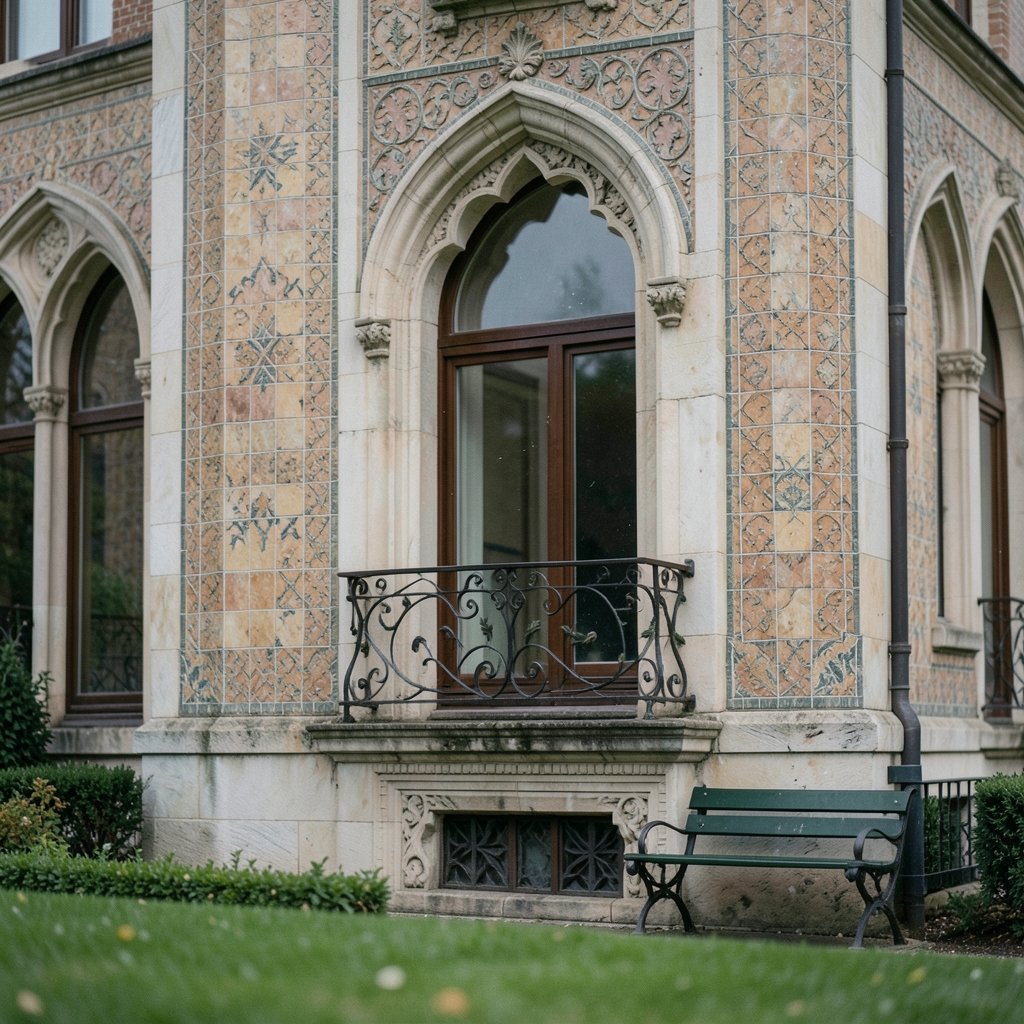
Nimb Hotel: The Fairy-Tale Address
If you want one hotel that sums up Copenhagen’s talent for the theatrical, it is Nimb. The building sits inside Tivoli Gardens, the 19th-century amusement park in the heart of the city, and its Moorish-revival facade makes it look like something from a storybook. Rooms are large by local standards, the service is formal in the best sense, and guests get a rare privilege: the gardens after the gates close to the public.
The trade-off is atmosphere. Tivoli is a busy, family-heavy place, and the hotel leans into that. It suits travelers who want spectacle and a central location a short walk from the Town Hall Square and the main shopping street. It is a less natural fit for anyone craving quiet.
Hotel Sanders: The Theatrical Townhouse
A few minutes from Kongens Nytorv and the Nyhavn canal, Hotel Sanders occupies a townhouse and plays the part beautifully. Warm woods, rattan, and a colonial-travel aesthetic give it a distinct identity, and the rooftop conservatory is one of the more memorable places in the city for an evening drink. It opened in the late 2010s and quickly became a reference point for Copenhagen’s small-luxury scene. (Copenhagen)
Sanders is compact. Rooms vary noticeably in size and layout, which is common in converted buildings. Anyone sensitive to room dimensions should ask directly rather than assume from photos.
Hotel SP34: The Latin Quarter Original
Hotel SP34 sits in the Latin Quarter, close to the university, the Round Tower, and some of the city’s best cheap eats. It helped define the modern Copenhagen boutique formula: a wine hour in the lobby, organic breakfast, and a relaxed, design-forward interior that feels like a well-edited apartment rather than a hotel.
Its location is the real argument. You can walk to most of the historic center, and the surrounding streets are full of students, bookshops, and coffee bars. It is part of Brøchner Hotels, a local group that has built several of the city’s most consistent boutique properties.
Avenue Hotel Copenhagen: Frederiksberg Calm
Also under the Brøchner umbrella, Avenue Hotel sits in Frederiksberg, an enclave inside Copenhagen known for leafy streets and a slightly more residential rhythm. The building is a handsome period property, the interiors are calm and warm, and the atmosphere is deliberately low-key.
This is the pick for travelers who want to feel like they live in the city rather than visit it. The trade-off is distance: you are a metro ride or a solid walk from the main sights, not in the middle of them.
Hotel Ottilia: The Brewery Conversion
Hotel Ottilia occupies a former Carlsberg brewery building in Vesterbro, and the industrial bones are the point. High ceilings, raw materials, and a neighborhood that has transformed from working-class to food-and-culture hotspot make it one of the more distinctive stays in the city. Vesterbro itself is worth the booking: the Meatpacking District’s restaurants and bars are within walking distance.
Conversions like this one come with quirks. Room shapes differ, and some windows look inward. Ask about layout if that matters to you.
Manon Lescaut: The Central Hideaway
Near the Town Hall Square, Manon Lescaut is small, personal, and central in a way that makes sightseeing almost frictionless. It is the kind of place where the front desk knows your name and the breakfast room is a conversation, not a buffet scrum. For a first visit to Copenhagen, that combination is hard to beat.
Copenhagen Admiral Hotel: The Warehouse on the Water
The Admiral is a conversion of 18th-century warehouses near Nyhavn, with heavy timber beams and water views that give it an unmistakable sense of place. It is larger than most boutique properties, which means more facilities but less of the intimate feel. It works well for travelers who want character plus the practicalities of a bigger hotel.
Hotel Bella Grande: The Newcomer Near City Hall
A more recent addition to the scene, Bella Grande brings a playful, retro-tinged design to the area around City Hall Square. It is a good example of how fast Copenhagen’s boutique landscape moves: new openings appear regularly, and older properties renovate to keep pace. If you want to browse beyond this list, a wider collection of stays that feel like a destination in themselves is worth exploring, including this selection of hotels that feel like a destination.
How the Main Boutique Hotels Compare
| Hotel | Neighborhood | Best For | Watch Out For |
|---|---|---|---|
| Nimb | Tivoli / city center | Spectacle, space, formal service | Busy park atmosphere |
| Hotel Sanders | Kongens Nytorv | Design, rooftop drinks, central luxury | Room sizes vary widely |
| Hotel SP34 | Latin Quarter | Walkability, relaxed social vibe | Lively streets at night |
| Avenue Hotel | Frederiksberg | Residential calm, local feel | Further from main sights |
| Hotel Ottilia | Vesterbro | Industrial design, food scene | Quirky room layouts |
| Manon Lescaut | City Hall area | Personal service, first visits | Small footprint |
| Admiral Hotel | Nyhavn / waterfront | Historic character, views | Less intimate, larger scale |
| Bella Grande | City Hall area | New design, central base | Newer, less established |
The Details That Decide Whether You Enjoy Your Stay
Copenhagen hotels are expensive, and the city’s compact geography means location choices matter more than they might elsewhere. A few practical points separate a good booking from a frustrating one.
Book direct when you can. Small hotels often have more flexibility with direct bookings, and room categories on third-party sites are sometimes simplified. If a specific room type matters, email the hotel.
Ask about room size in square meters. “Standard double” in a converted townhouse can mean anything from 12 to 25 square meters. Photos rarely tell the truth about this.
Check for air conditioning. Many older Copenhagen buildings do not have it. Summer heat waves are becoming more common, and a top-floor room without cooling is a real risk in July.
Expect a bike-friendly city. Renting a bike is often faster than transit for short trips, and most boutique hotels offer rentals or can point you to a nearby shop. It is also the cheapest way to see the city the way locals do.
Plan breakfast. Copenhagen’s café culture is excellent, and some of the best morning meals are a short walk from these hotels. A hotel breakfast is convenient, but not always the most interesting option.
Watch the calendar. Copenhagen’s hotel prices swing hard around major events and the summer high season. Booking several months ahead is not paranoia; it is how you avoid paying a premium for a mediocre room.
What Actually Works in Practice
Travelers who love these hotels tend to share a few habits. They choose a neighborhood first and a hotel second, because in a city this compact, the right district does more for a trip than an extra star. They treat the hotel as a base rather than a destination, spending their days on foot and their evenings in the neighborhood. And they read recent reviews for specifics, not scores: noise, room size, and breakfast quality show up in the details long before they show up in an average rating.
The most common mistake is over-indexing on the word “boutique” itself. A hotel’s personality comes from its building, its staff, and its place in the city, not from a marketing label. The second most common mistake is underestimating distance. Copenhagen is walkable, but Frederiksberg is not the Latin Quarter, and Nyhavn is not Vesterbro. Pick the district that matches how you want to spend your evenings. (VisitCopenhagen)
For travelers who like to plan around atmosphere as much as amenities, browsing a curated collection of destination-worthy hotels can help narrow the field before you compare rates.
Conclusion
The best boutique hotels in Copenhagen share a common thread: they are small enough to know you, well-designed enough to remember, and placed well enough to make the city feel close. Nimb delivers spectacle inside Tivoli. Sanders delivers theatrical design near Nyhavn. SP34 and Avenue show what a local hotel group can do with two very different neighborhoods. Ottilia and the Admiral prove that old buildings, handled well, beat new construction for character. And properties like Manon Lescaut and Bella Grande keep the scene moving with personal service and fresh design.
Choose by district and by the kind of trip you want, verify the practical details that reviews rarely cover, and book early. Do that, and Copenhagen’s boutique hotels will do the rest.
Frequently Asked Questions
What is the best area to stay in for boutique hotels in Copenhagen?
The Latin Quarter and the area around Kongens Nytorv and Nyhavn put you within walking distance of most major sights and have the densest cluster of small, design-led hotels. Frederiksberg and Vesterbro suit travelers who prefer a more residential or food-focused base.
Are Copenhagen boutique hotels expensive?
Yes, generally. Copenhagen is one of Europe’s more expensive hotel markets, and small properties carry higher per-room costs. Booking several months ahead, traveling outside July and August, and comparing direct rates against booking platforms are the most reliable ways to control the price.
How many rooms count as a boutique hotel?
There is no official definition in Denmark. In practice, most properties described as boutique have fewer than 100 rooms, and many have fewer than 50. Smaller room counts usually mean more personal service but fewer facilities.
Do Copenhagen boutique hotels have air conditioning?
Not always. Many occupy older buildings without central cooling, and some rooms rely on opening windows. If you are traveling in summer, confirm air conditioning with the hotel before booking, especially for top-floor rooms.
Can I book these hotels directly?
Most of the properties listed here take direct bookings through their own websites, and many offer better flexibility that way. Direct contact is also the best way to ask about room size, layout, and specific requests.
Is a boutique hotel better than a chain hotel in Copenhagen?
It depends on what you value. Boutique hotels offer character, location, and personal service. Chain hotels offer consistency, standardized room sizes, and more facilities. For a short city break focused on neighborhoods and design, boutique properties usually deliver more memorable stays.