
Best Mediterranean Islands in Shoulder Season 2026
 Abdul WadoodLast updated
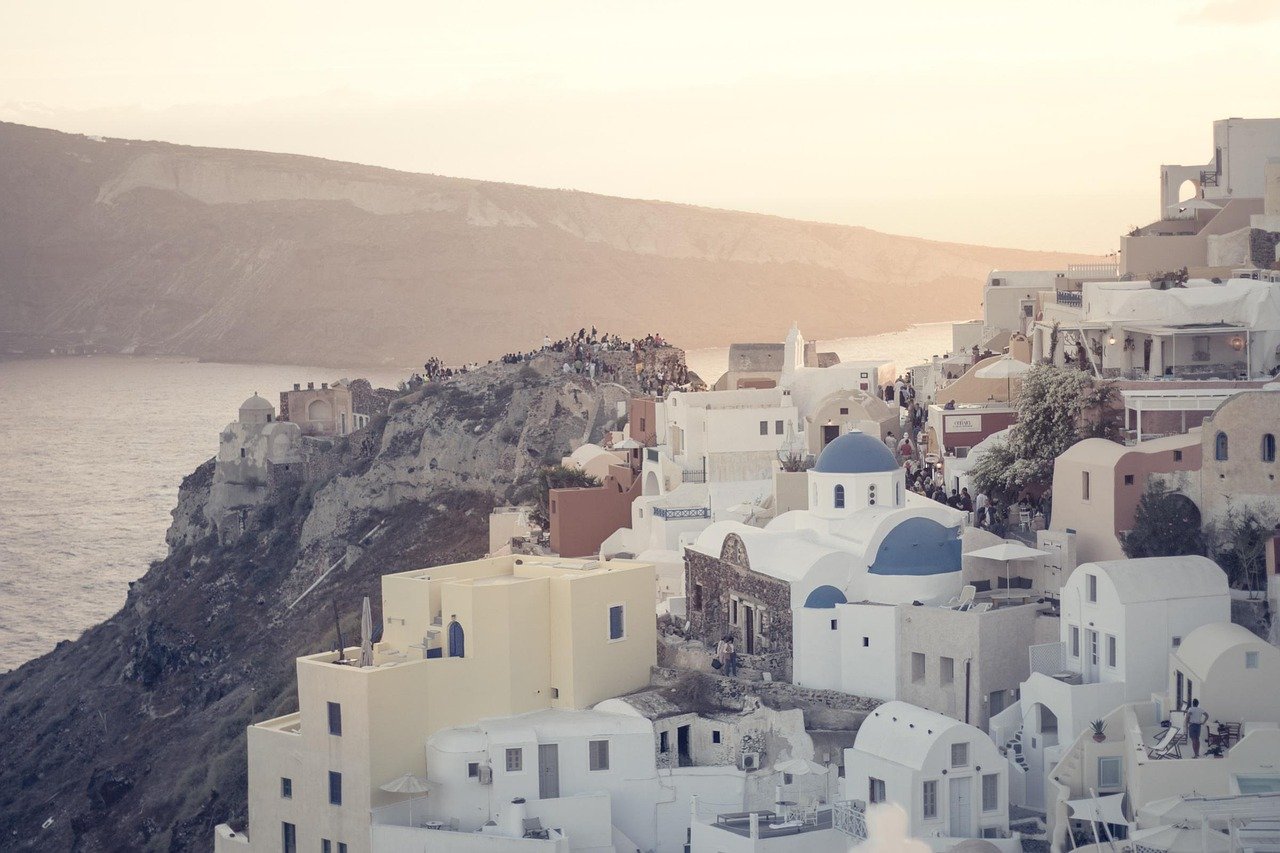
Roughly one in five people on Earth lives within a two-hour flight of the Mediterranean, and the region absorbs hundreds of millions of tourist arrivals every year. That enormous volume is exactly why timing matters. Travel in July or August and you share the coast with everyone else. Travel in the shoulder season — the soft edges of the calendar, roughly late April through June and September through October — and the same islands feel like different places entirely.
The catch is that “shoulder season” is not one thing across the Mediterranean. Islands in Greece, Croatia, Malta, Italy, Spain, and Cyprus each have their own ferry timetables, hotel opening dates, and sea temperatures. Picking the right island for the right month is the whole game. This guide breaks down where shoulder season actually works, where it backfires, and how to plan around the constraints that catch most travelers off guard. (The Faces Defining This Season) (Mediterranean Sea)
What Shoulder Season Really Means in the Mediterranean
Shoulder season is the travel industry’s term for the periods just before and just after peak summer demand. In the Mediterranean, that generally means late April to mid-June and September to late October.
The appeal is obvious: lower prices, thinner crowds, and more comfortable walking weather. The trade-offs are less obvious. Sea temperatures lag air temperatures by roughly four to eight weeks, so a warm May afternoon does not guarantee a warm swim. Ferry schedules shrink outside June–September, and some coastal hotels, beach clubs, and restaurants close entirely from November through March — with reopening dates staggered unpredictably through April and May.
The islands that handle shoulder season best are the ones with year-round ferry links, a resident population that keeps services running, and enough inland attractions to fill a cool or windy day. Islands that exist almost purely as summer beach resorts are the ones that fall flat. (Greek Islands)
The Greek Cyclades: The Reliable Shoulder-Season Choice
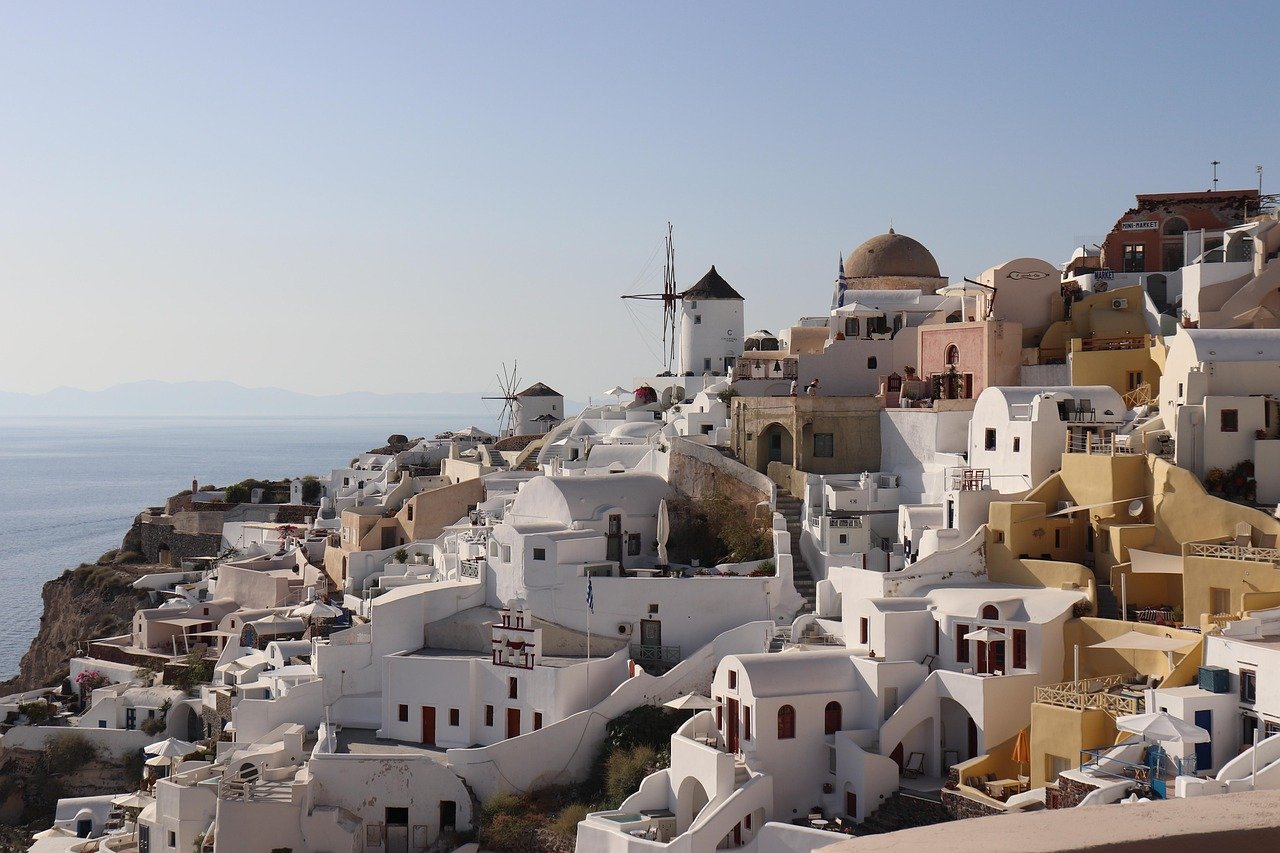
Greece’s Cyclades are the standard answer to “where should I go in May or late September,” and for good reason. Islands like Naxos, Paros, Milos, and Syros have permanent populations, year-round ferry connections from Athens, and town centers that function outside tourist season.
The classic postcard islands — Santorini, Mykonos — also work in shoulder season, but they come with a caveat: they are expensive and crowded even in May, and a meaningful share of their hospitality is seasonal. You get more authentic shoulder-season value on the less famous islands.
What works in practice:
- May is excellent for hiking, village-hopping, and archaeology, but swimming is bracing in the northern Cyclades.
- Late September and early October combine warm sea temperatures with thinner crowds — arguably the single best window in Greece.
- Book ferries early. Inter-island connections thin out in October, and a single windy day can reshuffle a multi-island itinerary.
If your trip is built around island-hopping, it is worth reading up on how travelers choose between the world’s most beautiful islands before committing to a route, because the aesthetic appeal of an island and its shoulder-season practicality are not the same thing.
Croatia’s Dalmatian Islands: Beautiful, But Schedule-Sensitive
Hvar, Korčula, Brač, and the smaller Dalmatian islands are stunning in May and September. The stone towns, the wine, the quiet coves — all of it shines when the summer crush is gone.
The problem is logistics. Catamaran and ferry frequency drops sharply outside June–September, and some seasonal routes simply stop running. The national ferry operator’s official timetable is the only source worth trusting here; third-party aggregator sites frequently list sailings that no longer exist.
Common mistakes travelers make in Dalmatia:
- Assuming a route that runs in August also runs in late October. It often does not.
- Booking a rental on an island with one daily ferry and then discovering the return sailing is full.
- Underestimating the bura — a cold, gusty northerly wind that can shut down ferry crossings and make a May day feel like March.
The upside is real: September in Dalmatia is warm, the sea is at its best after a full summer of heating, and the crowds are a fraction of August’s. Just build a buffer day into any ferry-dependent plan.
Malta and Gozo: The Least Schedule-Sensitive Option
If your priority is shoulder-season reliability rather than rugged island romance, Malta and Gozo are hard to beat. The islands sit far enough south that the warm season extends well into October, and the ferry link between Malta and Gozo runs year-round at high frequency.
That reliability changes the trip. You can plan a week in late October without worrying whether your ferry will operate, whether your hotel will be open, or whether the restaurants will still be serving. Valletta’s museums, Mdina’s quiet streets, and Gozo’s diving sites all function outside peak season.
The trade-off is that Malta is less “castaway island” and more “compact Mediterranean country with excellent infrastructure.” For travelers who want a shoulder-season trip with minimal planning risk — especially families or anyone traveling with limited mobility — that is a feature, not a bug.
Sicily and Sardinia: Big Islands, Bigger Seasonal Gaps
Italy’s two largest islands offer shoulder-season advantages that most travelers underuse, but they require more careful planning than Greece or Malta.
Sicily works well in April–June and September–October. Temperatures are pleasant, the archaeological sites at Agrigento and Selinunte are far more enjoyable without August heat, and Mount Etna is hikeable. But many coastal resorts and agriturismi close from November to March, and reopening dates vary widely — some properties reopen in April, others not until late May.
Sardinia is trickier. The island’s famous Costa Smeralda is heavily seasonal, with many hotels and beach clubs operating only from June to September. Shoulder season in Sardinia rewards travelers who head inland or to the less resort-dependent west coast, where towns like Alghero and Oristano keep functioning year-round.
| Island | Best shoulder months | Sea swimmable? | Ferry/service risk |
|---|---|---|---|
| Naxos, Greece | May, late Sep–Oct | Sep–Oct yes; May brisk | Low |
| Hvar, Croatia | May–early Jun, Sep | Sep yes; May brisk | Medium–high |
| Malta / Gozo | Apr–Jun, Sep–Oct | Yes from May | Very low |
| Sicily | Apr–Jun, Sep–Oct | Yes from late May | Medium |
| Sardinia | May–Jun, Sep | Yes from late May | Medium–high |
| Cyprus | Apr–Jun, Oct–early Nov | Yes from May | Low |
| Mallorca | May–Jun, Sep–Oct | Yes from late May | Medium |
Cyprus: The Longest Warm Window
Cyprus has the longest comfortable season in the eastern Mediterranean. The island stays warm well into late October and early November, which makes it the best choice for travelers who want a genuine autumn beach trip without flying to the tropics.
Shoulder-season Cyprus combines sea swimming, the Troodos mountain villages, and archaeological sites at Paphos and Kourion without the July heat. Ferry service is not a factor in the same way it is in Greece or Croatia, since most visitors arrive by air — which removes an entire category of planning risk.
The Balearics: Proceed With a Plan
Mallorca, Menorca, and Ibiza are popular shoulder-season picks, but they carry a specific hazard: many hotels, restaurants, and beach clubs close in winter and reopen on a staggered schedule through April and May. A traveler arriving in mid-April may find their chosen resort half-asleep.
May and late September through October are the sweet spots. Mallorca’s Serra de Tramuntana hiking is superb in spring, and Menorca’s beaches are far more enjoyable without August crowds. Just confirm that your specific accommodation and the restaurants you care about are actually open before booking.
Practical Tips That Actually Work
Check official timetables, not aggregators. Ferry schedules are the single biggest failure point in shoulder-season island trips. Go directly to the operator’s official site.
Build in a weather buffer. Shoulder-season weather is more variable than summer weather. A single storm can disrupt island-hopping plans, so avoid tight connections and one-night island hops.
Pack for two seasons. A May day in the Cyclades can swing from beach-warm to jacket-cold after sunset. Layering is not optional.
Book accommodation with free cancellation. Shoulder-season openings are unpredictable enough that flexibility is worth a small premium.
Expect some closures — and plan around them. A quieter island is part of the appeal. Just verify the essentials: a grocery store, a pharmacy, and at least one open restaurant within walking distance.
Watch the wind. The meltemi in Greece and the bura in Croatia can cancel ferries with little warning. If your itinerary depends on a crossing, leave slack.
Matching the Island to Your Travel Style
The “best” island depends entirely on what you want from the trip.
- For island-hopping and variety: the Greek Cyclades, ideally in late September.
- For minimal planning risk: Malta and Gozo.
- For dramatic scenery and food: Sicily in spring or early autumn.
- For a long warm season: Cyprus in October.
- For quiet coves and wine: Croatia’s Dalmatian islands in September, with ferry buffers built in.
- For hiking and inland exploring: Mallorca in May.
Travelers who care about the broader cultural picture — what is trending in fashion, beauty, and lifestyle across the region — often find that shoulder season is also when local life, rather than tourist life, takes center stage. That shift is part of the appeal, and it is worth exploring how seasonal trends shape the places you visit, from the fragrances that define a season to the faces defining this season in Mediterranean fashion and culture.
Common Mistakes to Avoid
The most expensive mistake in shoulder-season planning is assuming summer rules apply. They do not. Ferries run less often, hotels close, restaurants take extended breaks, and the sea is colder than the air suggests.
The second most common mistake is over-scheduling. Shoulder season rewards slower travel. Two islands in ten days beats five islands in ten days, especially when a single windy day can cancel a crossing.
The third is ignoring the microclimate. An island’s north coast, south coast, and interior can behave very differently in spring. Local advice — from a hotel owner, a ferry ticket clerk, a taverna waiter — is worth more than any generic guide.
Conclusion
Shoulder season is the smartest way to see the Mediterranean, but only if you match the island to the month and plan around the real constraints. Greece’s Cyclades and Malta offer the most reliable experience, with year-round services and genuine local life. Sicily and Cyprus reward travelers who want warmth and culture without the summer crush. Croatia and the Balearics deliver spectacular scenery but demand careful attention to ferry schedules and seasonal closures.
The common thread is simple: verify the logistics, leave room for weather, and choose islands with year-round populations rather than pure summer resorts. Do that, and shoulder season stops being a compromise and becomes the best version of a Mediterranean trip.
Frequently Asked Questions
What months count as shoulder season in the Mediterranean?
Generally late April through mid-June and September through late October. The exact boundaries shift by region — Cyprus stays warm into early November, while parts of Croatia and the Balearics start closing down in late October.
Is the sea warm enough to swim in shoulder season?
In September and October, yes — the sea has been heating all summer and is often at its warmest. In May, swimming is bracing in the northern Mediterranean because water temperature lags air temperature by four to eight weeks. Southern islands like Malta and Cyprus warm up sooner.
Which Mediterranean island is best for a first shoulder-season trip?
Malta and Gozo are the safest choice. The ferry between them runs year-round, most businesses stay open, and the warm season extends well into autumn. Greece’s Cyclades are the best choice for travelers who want island-hopping and are willing to plan around ferry schedules.
Do ferries run in shoulder season?
Yes, but less frequently. Inter-island connections in Greece and Croatia thin out noticeably outside June–September, and some seasonal catamaran routes stop entirely. Always check the operator’s official timetable rather than a third-party aggregator.
Are hotels and restaurants open in shoulder season?
On islands with year-round populations, mostly yes. On resort-heavy islands — parts of Sardinia, the Balearics, and coastal Sicily — many hotels, beach clubs, and restaurants close from November to March and reopen on a staggered schedule through April and May. Confirm before booking.
What should I pack for a shoulder-season island trip?
Pack for two seasons. Days can be beach-warm while evenings turn cool, and wind can change conditions quickly. Layers, a light waterproof, and a warm mid-layer cover most situations. Comfortable walking shoes matter more than formalwear, since shoulder season is ideal for exploring towns and trails.