
Best Luxury Cars for City Driving in 2026
 Abdul WadoodLast updated
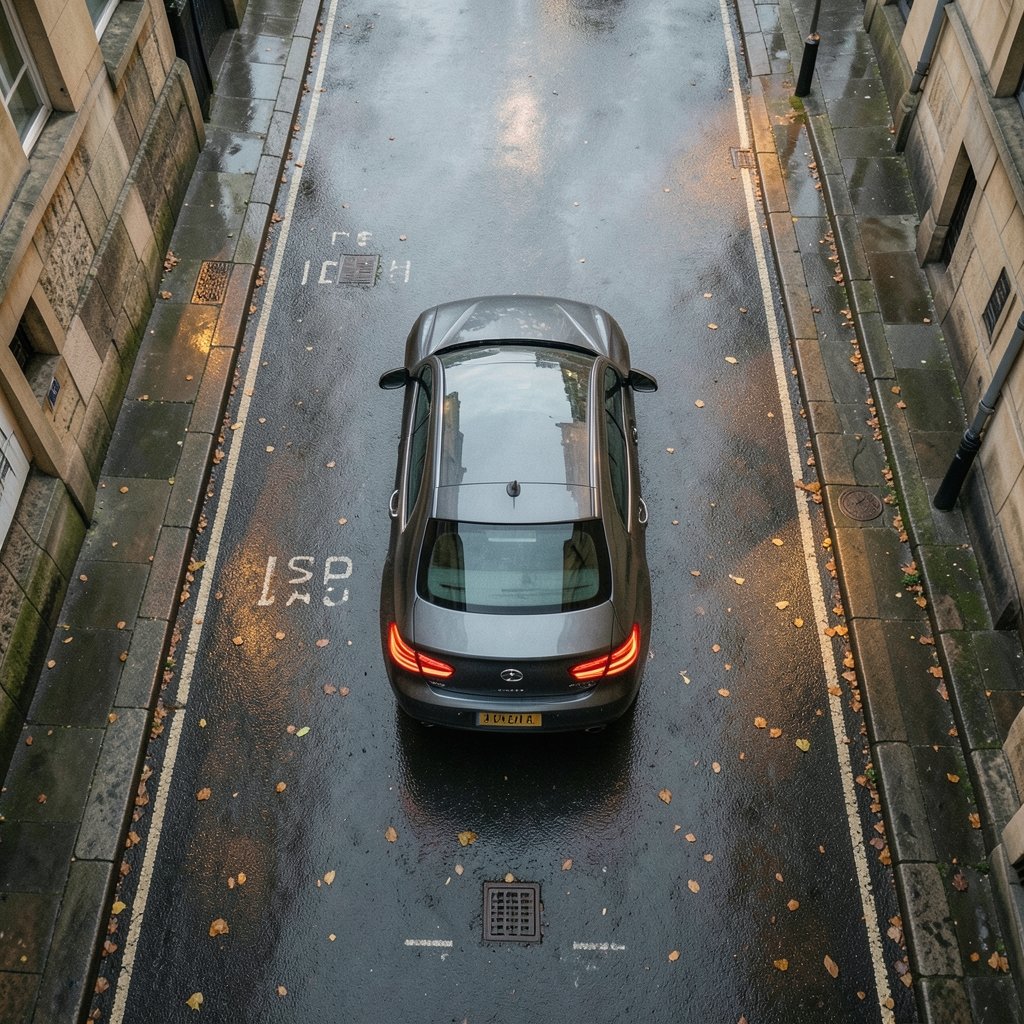
Roughly 55% of the world’s population lives in urban areas, according to United Nations data on urbanization, and that share keeps climbing. For luxury car buyers, that single number reshapes everything. The qualities that make a sedan or SUV shine on an open highway, such as long gearing, stiff suspension and a big footprint, can turn into daily irritations when your average trip is four miles through traffic lights.
City driving rewards a different skill set: a tight turning circle, a footprint that fits standard parking bays, instant low-speed torque, and cabin calm that keeps road noise out when you’re crawling at 15 mph. This guide breaks down what genuinely matters, which models and body styles tend to deliver, and the mistakes buyers make when they shop for luxury with a city commute in mind.
Why city driving rewards different priorities
Most luxury marketing sells the open road. Yet the physics of urban driving are unforgiving. A car that is 20 centimeters longer than a parking bay is a car you park badly every day. A turning circle that’s half a meter too wide means three-point turns on narrow streets become routine.
Three factors dominate the city experience:
- Maneuverability. Turning radius, steering lock and visibility matter more than horsepower.
- Low-speed refinement. Stop-start traffic exposes transmission hesitation, brake grabbiness and engine drone.
- Size discipline. Length, width and height determine whether you fit into garages, tight lanes and standard bays.
Buyers who ignore these and shop purely on badge or 0–60 times often end up with a car they resent in the city and love only on weekends. The smarter approach is to treat the city as the primary use case and the highway as the bonus.
The qualities that separate a good city luxury car from a great one
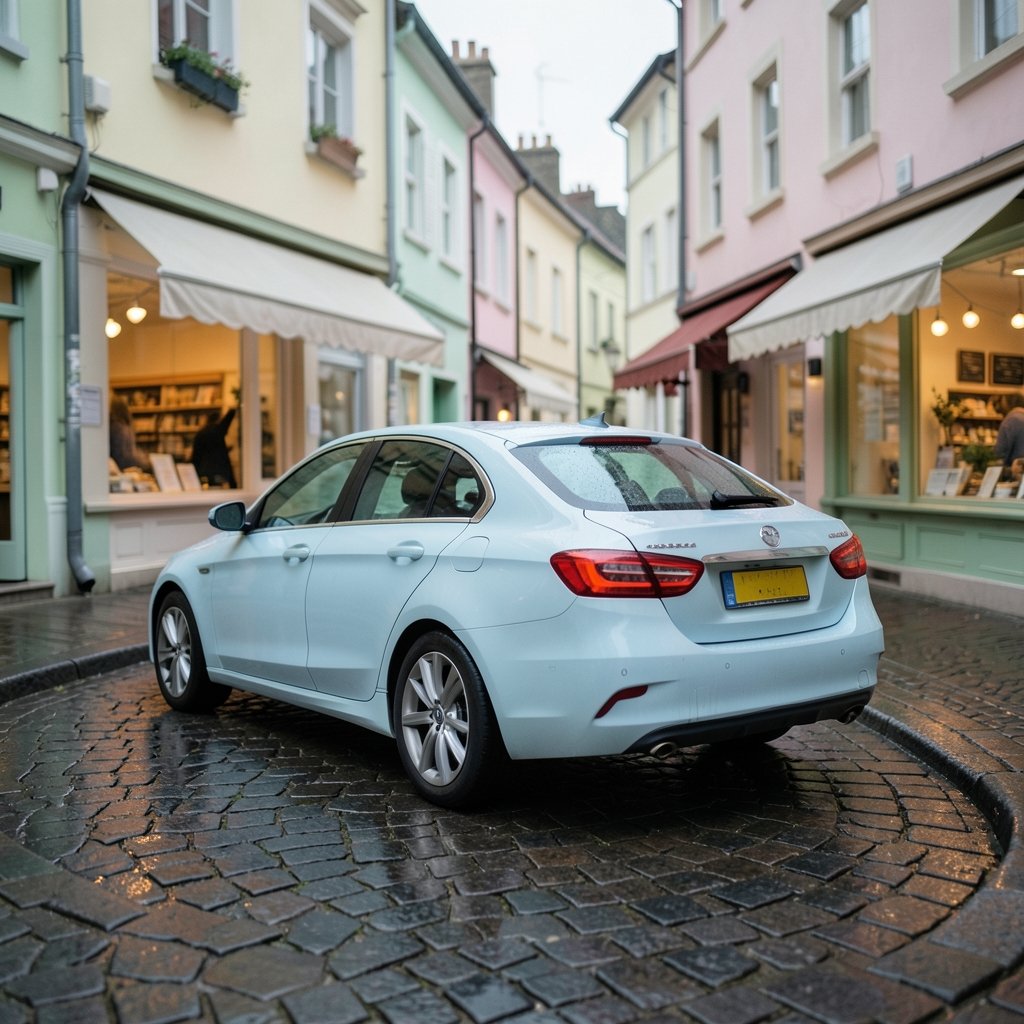
Turning circle and steering
A turning circle under about 11 meters (curb-to-curb) is comfortable in most European and North American cities. Compact luxury models frequently land in the 10.5–11.5 meter range. Full-size sedans and three-row SUVs often push past 12 meters, which changes how you approach every junction.
Rear-axle steering is the quiet hero here. It can shave a meter or more off the effective turning circle at low speeds while improving stability at highway pace. If you’re shopping new, this is one option worth paying for.
Footprint, not just “compact”
City parking bays vary wildly. Many European street bays run around 5 meters long and 2.2–2.4 meters wide; North American garage standards are more generous but not unlimited. Check the actual dimensions rather than trusting a class label. A “compact” SUV can be wider than a mid-size sedan once mirrors are included.
Low-speed powertrain behavior
Electric and plug-in hybrid luxury cars have a genuine city advantage: instant torque, silent creep and no gearbox shuffling in stop-start traffic. Well-calibrated conventional automatics are fine, but poorly tuned dual-clutch units can feel jerky at walking pace. Test drive in traffic, not on a motorway.
Ride comfort over sport stiffness
Firm suspension that feels planted at 70 mph can transmit every expansion joint and cobble into the cabin at 20 mph. Adaptive dampers with a genuine comfort mode, plus smaller wheels with taller tire sidewalls, usually deliver the better urban ride.
Visibility and driver assistance
Thick pillars and high beltlines look dramatic but hurt junction visibility. Good city cars pair decent sightlines with useful assists: surround-view cameras, rear cross-traffic alerts and low-speed automatic braking. These aren’t gimmicks in dense traffic; they’re daily quality-of-life features.
How the main luxury body styles compare for urban use
| Body style | City strengths | City weaknesses | Best suited to |
|---|---|---|---|
| Compact sedan | Tight turning circle, low height for garages, good efficiency | Limited cargo flexibility | Daily commuters, tight street parking |
| Compact luxury SUV | Command seating, easy entry, flexible cargo | Wider footprint, higher center of gravity | Families, mixed city and weekend use |
| Electric hatchback/crossover | Instant torque, silent creep, low running costs | Charging access, heavier curb weight | Buyers with home or workplace charging |
| Full-size sedan | Cabin space, refinement, presence | Long wheelbase, wide turning circle | Chauffeur use, generous parking |
| Large luxury SUV | Space and versatility | Hardest to park, worst efficiency in traffic | Buyers who rarely drive in dense cores |
The pattern is consistent: the smaller the footprint, the better the city experience, provided the cabin still meets your needs. If you want a broader look at how luxury priorities are shifting toward experience over size, the new language of modern luxury is a useful read.
Practical tips that make city luxury ownership easier
- Measure your parking before you buy. Note the length and width of your home bay, garage door and typical street spots. Compare against the manufacturer’s published dimensions including mirrors folded.
- Test drive in the worst traffic you can find. Book a test drive at rush hour. Listen for transmission hesitation, brake noise and tire roar.
- Choose wheels carefully. Dropping one wheel size often improves ride comfort noticeably and reduces curb-damage repair bills.
- Verify garage clearance. Height matters in older underground garages. Air suspension that lowers at speed can help, but check the static height too.
- Check emissions-zone rules. Low-emission and congestion-charging zones in major cities can affect running costs and even which vehicles are practical to keep. Rules change, so verify current local requirements before committing.
- Insist on surround-view cameras. On a wide car in a narrow bay, they pay for themselves in avoided scrapes.
The most common mistake is buying for the 5% of trips that are long highway drives and suffering through the 95% that are urban errands. The second most common is assuming a smaller badge means a smaller car; some “compact” models have grown substantially across generations.
What to look for in electric luxury cars for city use
Electric drivetrains suit cities unusually well. Regenerative braking recovers energy in stop-start traffic, there’s no idle vibration at lights, and one-pedal driving reduces fatigue. The trade-offs are real, though. Curb weight rises, which can make tires and brakes wear faster, and charging access determines whether the ownership experience is effortless or annoying.
For urban buyers, the practical checklist is:
- Real-world range that comfortably covers a week of city trips, not just the official figure.
- Charging speed that makes top-ups painless if you can’t charge at home.
- Physical controls for climate and volume, which are safer than touchscreen-only interfaces in dense traffic.
- A tight turning circle, which some electric platforms achieve thanks to compact motor packaging.
If you’re weighing electric against combustion across the wider market, the reviews and comparisons in Voozon Cars cover how different models behave in real conditions rather than on a spec sheet.
Where luxury and practicality genuinely meet
The sweet spot for city luxury tends to be the compact premium segment: cars roughly 4.3 to 4.7 meters long, with turning circles near 11 meters, refined low-speed manners and cabins that still feel special. Within that band, buyers can choose between traditional sedans, raised crossovers and electric hatchbacks without compromising on badge or build quality.
Larger cars can work if parking is generous. A full-size luxury sedan remains one of the most relaxing ways to travel through a city, provided you’re not hunting for street spots. The mistake is buying size for its own sake and then discovering that the extra 30 centimeters of length is the difference between a stress-free park and a daily negotiation with a curb.
It’s also worth thinking about how you use the car beyond the commute. If weekends involve long drives, a car that’s brilliant in the city but harsh on the highway becomes a compromise. The best urban luxury cars are those that stay composed at both ends of the speed range, which is why adaptive suspension and well-insulated cabins punch above their price in daily satisfaction. For a wider view of how luxury expectations are evolving, including design and materials, the future of luxury living explores the trend lines. (Luxury car)
Common mistakes buyers make
- Buying the biggest car the budget allows. Size is the enemy of urban ease.
- Skipping the traffic-light test. A five-minute drive around a dealership tells you almost nothing.
- Ignoring tire choice. Run-flats and low-profile tires trade comfort for looks.
- Overlooking insurance and repair costs. Wide cars get scraped; complex electronics cost more to fix.
- Assuming all driver assistance is equal. Calibration quality varies enormously between brands.
How to shortlist and test properly
A disciplined shortlist beats a long one. Start by setting hard limits: maximum length, maximum width, minimum turning circle, and a budget that includes insurance and servicing. Then narrow to three or four models and test each on the same route, ideally one that includes a multi-story car park, a narrow street and a stretch of stop-start traffic.
Pay attention to how the car feels at 10–20 mph, not at 60. Note the steering weight in comfort mode, the smoothness of the brake pedal, the noise from tires over rough surfaces, and how quickly the infotainment responds. Those details define daily ownership far more than acceleration figures. If you want to see how reviewers assess cars built around the driving experience rather than raw numbers, the cars built around experience is a good companion piece. (Consumer Reports)
Conclusion
The best luxury car for city driving isn’t the most expensive or the most powerful one. It’s the one whose dimensions, turning circle, low-speed refinement and driver assistance match the reality of dense traffic and tight parking. Compact premium sedans, well-sorted crossovers and electric models with strong low-speed manners consistently outperform larger flagships in this environment.
Buyers who measure their parking, test drive in rush hour and prioritize maneuverability over badge size end up with cars they enjoy every single day, not just on the occasional open road. That’s the real luxury: a car that makes the city feel easy.
Frequently asked questions
What size car is best for city driving?
Most urban drivers are best served by cars between roughly 4.3 and 4.7 meters long, with a turning circle near 11 meters or less. That range fits standard parking bays while still offering a genuinely premium cabin. Anything substantially longer starts to demand more planning for parking and tight streets.
Are electric luxury cars better for city driving?
Often, yes. Electric drivetrains deliver instant torque, silent low-speed movement and smooth regenerative braking in stop-start traffic. The main caveats are charging access and higher curb weight, which can increase tire wear. Buyers without home charging should check public charging reliability on their regular routes first.
Does a smaller turning circle really matter?
It matters more than most buyers expect. A turning circle half a meter too wide turns simple junctions and parking maneuvers into multi-step affairs. Rear-axle steering can reduce the effective turning circle at low speeds and is one of the most useful urban options available on larger luxury models.
Is a sedan or an SUV better in a city?
Sedans usually win on turning circle, height clearance for older garages and efficiency. SUVs win on visibility, easy entry and cargo flexibility. The right answer depends on whether you regularly carry passengers and bulky items or mostly commute alone in dense traffic.
How do I test a luxury car properly for city use?
Drive it at rush hour on a route that includes a multi-story car park, a narrow street and stop-start traffic. Focus on low-speed refinement, brake feel, tire noise and infotainment response. A motorway test drive tells you very little about how the car will feel on a daily urban commute.
What features should I prioritize for urban driving?
Surround-view cameras, rear cross-traffic alert, low-speed automatic braking, adaptive dampers with a comfort setting and physical climate controls are the highest-value features. Together they reduce stress, prevent minor damage and make dense traffic far less tiring over months of ownership.