
How to Dress for the Opera: What to Wear & Skip
 Abdul WadoodLast updated
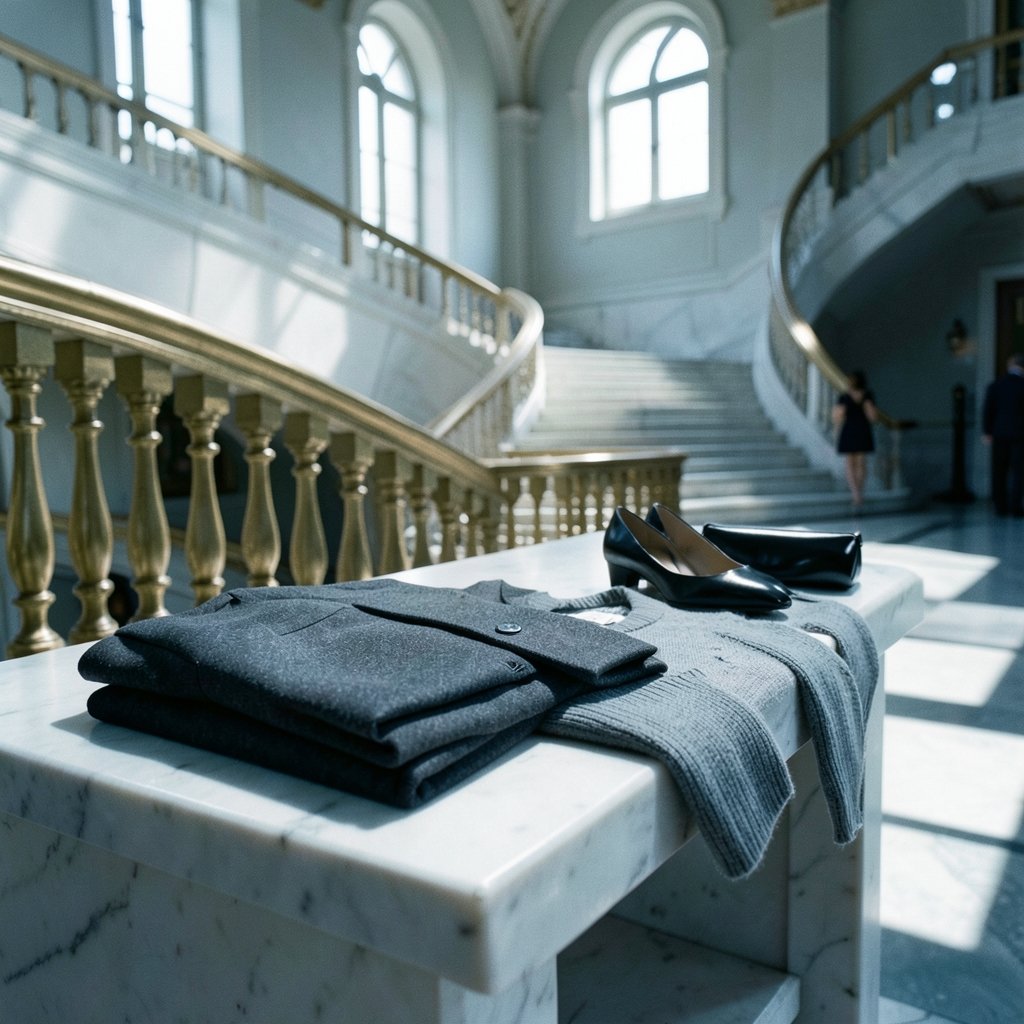
Here’s a fact that surprises almost everyone: at most major opera houses around the world, there is no formal dress code at all. No rule requiring a tuxedo. No requirement for a floor-length gown. The image of every audience member in white tie and tiara is largely a myth kept alive by film, fashion photography, and a handful of glittering opening nights. For a standard performance on a Tuesday in November, you’ll see everything from tailored suits to clean jeans and a nice sweater.
That doesn’t mean anything goes. Dressing for the opera is a small social puzzle, and getting it right is mostly about reading the room before you enter it. The good news is that the answer is simpler than the internet makes it look. This guide walks through what actually works, where the real expectations live, and the common mistakes that make first-timers uncomfortable.
The Truth About Opera Dress Codes
Most opera companies publish practical guidance on their visit pages, and that guidance is almost always the same: there is no dress code, and guests are encouraged to wear whatever makes them comfortable. The Metropolitan Opera in New York, the Royal Opera House in London, and the Opéra national de Paris all operate this way for regular performances. Formal attire tends to appear at galas, season openings, and premieres, and even then it’s usually optional rather than enforced. (Opera)
This is worth internalizing because it reframes the whole question. You are not trying to pass an inspection. You are trying to feel appropriate in a room where other people have also made an effort. The bar is “put together,” not “red carpet.”
Where the confusion comes from is the gala effect. Opening nights at historic houses are photographed, and those photographs circulate. A handful of evenings per season get treated as the public face of the entire art form, which is a bit like judging all restaurant dining by what people wear to a wedding. Regular performances are a different animal entirely.
Why the Setting Still Shapes What You Wear
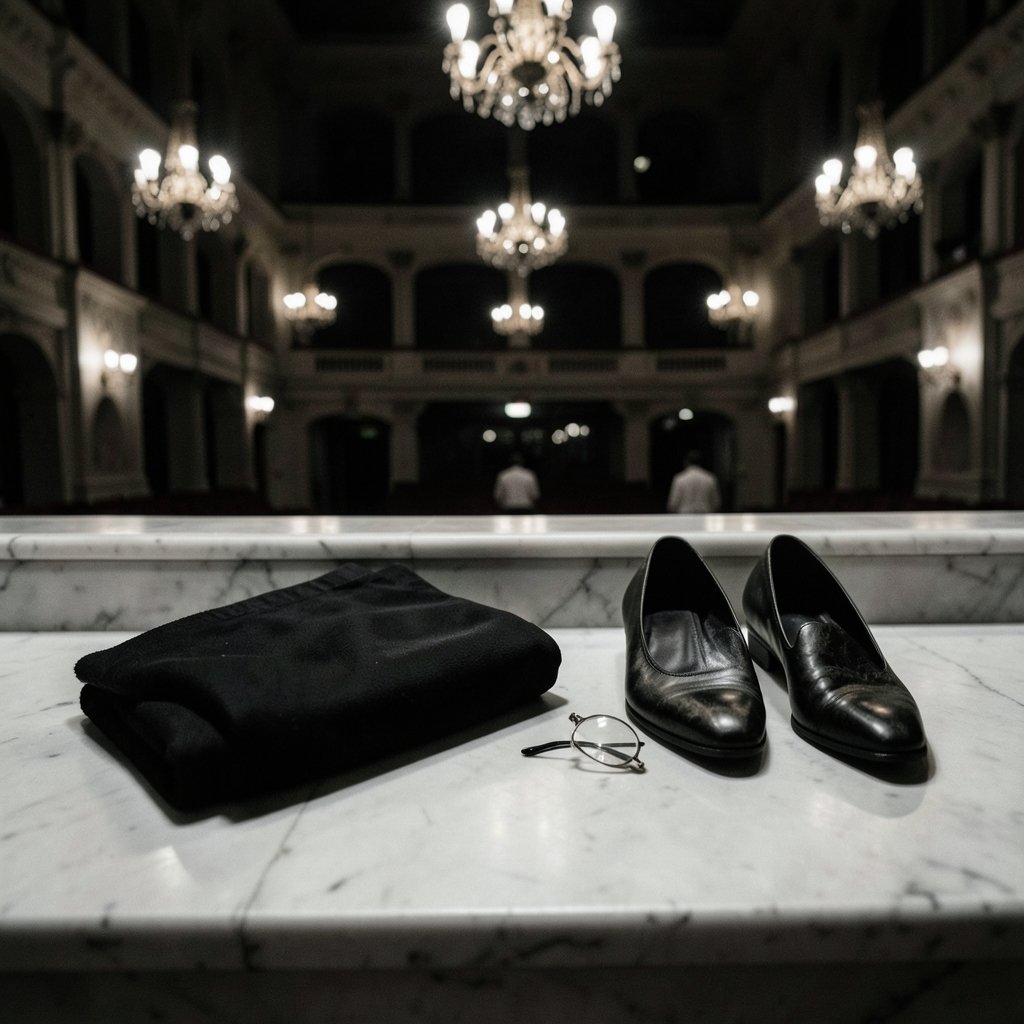
Even without a formal rule, the venue does influence the mood. Opera houses are grand buildings with marble lobbies, ornate staircases, and long traditions of ceremony. Walking into one of those spaces in gym clothes feels off not because anyone will stop you, but because the environment signals occasion.
There’s also a practical dimension. Operas run long, often two and a half to three and a half hours including intermission. Older venues have uneven heating and cooling. You’ll sit in a fixed seat for a long stretch, climb stairs, stand in crowded lobbies, and possibly walk several blocks from a train station. Comfort is not a compromise on style; it’s part of dressing well for this specific event.
The best opera outfit is one you forget you’re wearing by the second act. That’s the standard to aim for.
What to Wear: A Practical Breakdown
The most reliable approach is smart casual with an upward tilt. Think of it as what you’d wear to a nice dinner with people you want to impress slightly.
For Women
A dress with a cardigan or light jacket, dressy trousers with a silk blouse, or a well-cut jumpsuit all work beautifully. Flats are completely acceptable and, given the stairs and the standing, often the smarter choice. A small bag that sits on your lap is more practical than a large tote. If you want to lean formal, a cocktail dress is never wrong, but it’s also never required.
For Men
A blazer with chinos or dark jeans and a button-down shirt covers nearly every scenario. A suit is always safe and never overdressed at a major house, but a full suit with a tie can feel like a lot for a midweek performance. A jacket with no tie is the sweet spot in most cities.
A Simple Comparison
| Venue Type | Typical Audience Attire | Safe Choice | Overkill |
|---|---|---|---|
| Major house, regular performance | Smart casual to business casual | Blazer and trousers; dress with jacket | White tie, ball gown |
| Opening night or gala | Formal to semi-formal | Suit and tie; cocktail dress | Jeans and a t-shirt |
| Regional or smaller company | Casual to smart casual | Clean jeans, nice top, closed shoes | Full formalwear |
| Daytime or family performance | Casual | Everyday clothes, comfortable shoes | Anything fussy |
| Outdoor or summer festival | Casual | Layers, flat shoes, light fabrics | Heavy formalwear |
The pattern is consistent: the more special the occasion, the more the room dresses up, and the more ordinary the performance, the more the room relaxes.
Regional Differences That Actually Matter
Dress expectations are social convention, not published rule, and conventions vary by city. Audiences in Vienna and Milan are often observed to dress more formally than audiences at some American regional companies. Northern European houses tend toward understated, practical clothing. In the United States, the spread is wide: a Saturday night at a major metropolitan house can look quite polished, while a Sunday matinee at a smaller company can look like a nice brunch.
The practical takeaway is to check the specific house rather than the country. A company’s own visit page is the primary source, and it will tell you more than any general advice article, including this one. If the page says nothing about dress, that silence is itself the answer: wear something you’d be comfortable wearing to a good restaurant.
Common Mistakes First-Timers Make
Overdressing for a regular performance. This is the most frequent error, and it’s driven by anxiety. Arriving in a tuxedo at a Wednesday performance won’t get you thrown out, but you’ll feel conspicuous, and the discomfort lasts all evening.
Underdressing for a gala. The reverse problem. If you’ve booked opening night, check whether the house describes it as a special event. Formalwear is more likely to be expected there, though still often optional.
Ignoring the shoes. Opera houses have stairs, long corridors, and crowded lobbies. New heels that pinch will ruin three hours faster than any fashion misstep.
Forgetting the temperature swing. Historic venues can be drafty in the lobby and warm in the auditorium. A layer you can remove is worth more than a perfect single garment.
Bringing a bag that won’t fit. Large bags often need to be checked, which means a detour and a queue. A compact bag that fits on your lap solves this before it starts.
Wearing strong fragrance. In a tightly packed auditorium, scent carries. Go lighter than you would for a party.
Building an Outfit That Works in Practice
If you want a repeatable formula rather than a one-off decision, follow this sequence.
- Check the house’s visit page first. Look for language about dress, special events, and what the evening is billed as. If it’s a gala or premiere, plan up. If it’s a regular performance, plan smart casual.
- Pick your most comfortable “nice” outfit. The one you already own that makes you feel sharp without adjustment. This is almost always better than buying something new for the occasion.
- Choose shoes you can stand in for twenty minutes. Intermission involves standing, queuing, and walking. Test the shoes at home first.
- Add one layer. A jacket, cardigan, wrap, or scarf handles both the drafty lobby and the warm auditorium.
- Keep accessories minimal and secure. Small bag, nothing that rattles, nothing that needs constant adjustment.
- Do a final mirror check for the practical stuff. Can you sit comfortably? Can you climb stairs? Can you clap without your sleeve riding up?
That’s the whole system. It takes about five minutes and eliminates nearly every source of first-timer anxiety.
Cultural Context: Why the Formality Myth Persists
The association between opera and formalwear is a genuine piece of cultural history, not a fabrication. Opera grew up as court entertainment in seventeenth-century Italy and France, and for centuries it was an occasion for displaying wealth and status. The tradition of dressing up carried into the nineteenth and twentieth centuries, when attending the opera was a fixture of upper-class social life. Over time, the ritual became fused with the art form in the public imagination, even as the actual practice relaxed.
Today the relationship is mostly nostalgic. Many regular attendees enjoy dressing up because it adds a sense of ceremony to the evening, and that’s a perfectly good reason. Others treat the opera as they would any other night out. Both are correct, and both are common in the same room on the same night.
What has changed is access. Opera companies have worked for decades to broaden audiences, and part of that work is dismantling the idea that you need a special wardrobe to belong there. The art form’s own institutions are, in most cases, the loudest voices saying “come as you are, but come.”
What About Kids and Family Performances?
Family and daytime performances are the most casual of all. Comfortable clothes, flat shoes, and layers are the right call. Children especially benefit from dressing for movement, since a long performance asks a lot of young attention spans. Nobody at a family matinee is evaluating anyone’s outfit.
Conclusion
Dressing for the opera comes down to one idea: match the occasion, not the stereotype. For the vast majority of performances at the vast majority of houses, smart casual is the answer, and comfort is a legitimate part of dressing well. Save the formalwear for galas and opening nights, and even then confirm what the house actually says rather than what the photographs suggest.
The people around you are there for the music. They will notice if you look put together, and they will not notice at all if you’re wearing the same blazer you wore last month. That’s the freedom the real dress code gives you. Check the venue’s own guidance, wear something you can sit in for three hours, and spend your energy on the performance instead of your hemline.
Frequently Asked Questions
Do I need to wear a suit or gown to the opera?
No, not for a regular performance. Most major houses publish no dress code and welcome smart casual attire. Formalwear is typically reserved for galas, premieres, and opening nights, and even there it’s often optional. Check the specific house’s visit page to confirm.
Can I wear jeans to the opera?
Yes, at most houses, especially for regular and daytime performances. Dark, well-fitting jeans paired with a blazer or a nice top read as smart casual and fit right in. Avoid heavily distressed or overly casual denim if you want to lean more polished.
What should I wear to opening night or a gala?
These are the events where formalwear genuinely appears. A suit and tie, a cocktail dress, or a dark suit with a dress shirt are all appropriate. Confirm with the house first, since many galas describe attire as optional or specify a level such as black tie optional.
Is it better to overdress or underdress at the opera?
Underdressing slightly is usually the safer error. Arriving in smart casual at a formal-leaning event reads as relaxed; arriving in a tuxedo at a casual performance reads as out of place. When in doubt, aim for the middle: a blazer, a clean line, and comfortable shoes.
What shoes should I wear to the opera?
Choose shoes you can stand and walk in comfortably for at least twenty minutes. Opera houses involve stairs, long corridors, and standing during intermission. Flats, low heels, loafers, and clean dress sneakers all work. Avoid anything new that hasn’t been broken in.
Do opera houses have a dress code for children?
Family and daytime performances are the most relaxed of all, and children are typically fine in comfortable everyday clothes. Prioritize flat shoes, layers, and freedom of movement. If the performance is a special family gala, check the house’s guidance in advance.