
Best Places to Visit in Europe in September 2026
 Abdul WadoodLast updated

September quietly pulls off a trick that July and August cannot: it hands travelers warm seas, thinner crowds, and prices that finally make sense. Airfares and hotel rates across much of Europe drop noticeably once the school holidays end, yet the Mediterranean stays warm enough for swimming well into the month. That overlap of good weather and lower costs is why so many repeat visitors now plan their trips for early autumn rather than midsummer.
What follows is a practical, region-by-region look at where September genuinely shines, what each destination rewards, and the mistakes that catch people out. “Best” depends entirely on what you want from a trip, so this guide ties every recommendation to a traveler profile rather than pretending one list fits everyone.
Why September Is Europe’s Quiet Sweet Spot
The case for September rests on three things: climate, cost, and access.
Climate. In the Mediterranean, sea temperatures typically peak in late August or early September, so swimming is often more comfortable in September than in June. In northern Europe, the harsh summer heat fades into mild, walkable days. The trade-off is that weather varies sharply by latitude, so the same month can mean beach weather in one country and jacket weather in another.
Cost and crowds. Once peak season ends, accommodation and transport prices generally soften and major sights become less congested. Popular landmarks that require timed entries in August often have more breathing room in September.
Access. Attractions stay open, ferries and regional trains still run full summer schedules, and the light is superb for photography as the sun sits lower in the sky.
One caution up front: annual festivals shift dates year to year. Any event timing mentioned here should be confirmed directly with the official organizer before booking, since recurrence dates are never guaranteed.
Mediterranean Coast: Warm Sea, Thinner Crowds
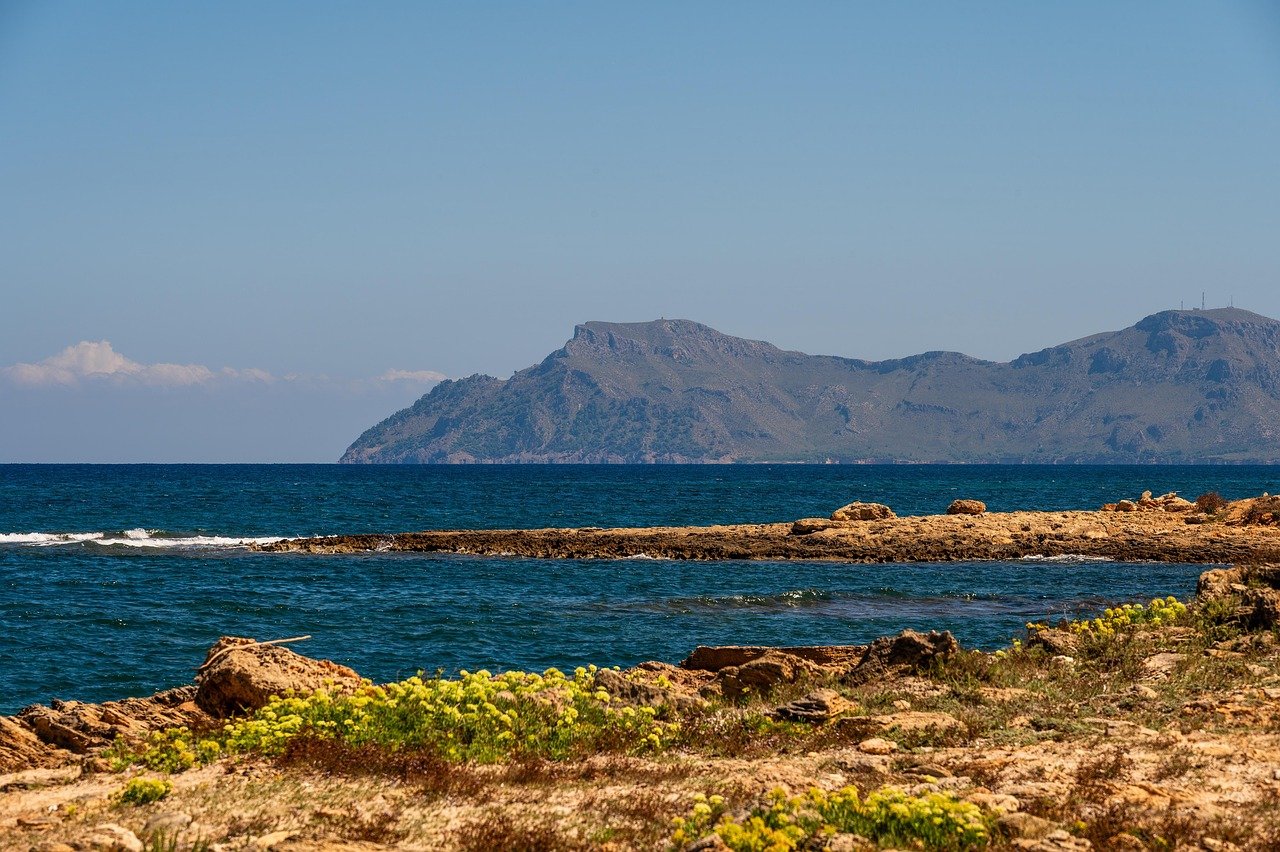
Portugal’s Algarve and Lisbon
The Algarve in September offers some of the most reliable beach weather in Europe, with ocean temperatures still inviting and the cliff-backed coves far less packed than in August. Lisbon pairs well with it: tram rides, tiled facades, and pastel de nata stops feel calmer once the summer crush eases.
Practical tip: Atlantic water on the Algarve’s west coast stays noticeably cooler than the sheltered eastern beaches. If warm swimming matters most, base yourself east.
Croatia’s Dalmatian Coast
Split, Hvar, and Dubrovnik in September mean you can walk the old town walls without feeling like you’re in a queue. Ferries between islands still run frequently, and the Adriatic remains swimmable. A common mistake is booking a Dubrovnik day trip from a cruise port and arriving at peak midday heat with thousands of others; going early morning or late afternoon transforms the experience.
Greece’s Islands
The Cyclades in September deliver the classic combination: strong sun, warm water, and tavernas that are easier to get into. Santorini and Mykonos remain busy but noticeably less frantic. For a quieter version, consider Naxos or Milos, where the same Aegean light comes with far more space.
Spain’s Costa Brava and Barcelona
Barcelona in September keeps its beach weather while shedding some of the August intensity. The Costa Brava’s coves and coastal paths are at their best. Note that September is also when Barcelona’s major city festival historically falls, bringing parades and late-night music; check official city sources for the year’s confirmed dates. (September)
Southern Europe Inland: Cities Without the Heat
Italy: Rome, Florence, and the Veneto
Rome and Florence in July and August can be punishing. September brings relief without losing the sunshine, and museum queues shorten. The Venice Film Festival historically takes place in late summer or early September, drawing a glamorous crowd to the Lido; confirm the year’s dates with the festival itself.
A first-hand tip that saves hours: book the big-name sights the moment your dates are fixed. Even in shoulder season, the Vatican Museums and the Uffizi reward early booking, and early-morning slots beat any afternoon.
Slovenia and the Julian Alps
Lake Bled and the Julian Alps hit a genuine sweet spot in September: warm enough for hiking, cool enough to sleep well, and past the summer holiday rush. Triglav National Park trails are quieter, and the emerald Soča River valley stays vivid.
Northern and Central Europe: Cooler Air, Cultural Depth
Germany and Austria
Munich’s Oktoberfest historically begins in mid-to-late September and runs into October, making the city a magnet late in the month. It is enormous fun and equally enormous in scale; book accommodation months ahead and confirm the year’s official dates with the city. Vienna and Salzburg in September offer opera, coffee houses, and Alpine day trips in comfortable temperatures.
If you’re building a broader itinerary and want ideas beyond the obvious capitals, this collection of hidden gems in Europe is a useful starting point for quieter alternatives.
The UK and Ireland
September in London, Edinburgh, and Dublin means fewer tourists, softer prices, and decent walking weather. The Scottish Highlands begin to show early autumn color, and midges finally start to retreat, which matters more than most guides admit. Pack a waterproof regardless; the weather is changeable by design.
Iceland
September sits at the edge of the northern lights season and still offers access to the full ring road without the summer crowds. Days shorten quickly, so plan driving distances conservatively. This is not a beach month, but for landscapes and dark skies it’s excellent.
Eastern Europe: Value and Space
Prague, Budapest, Kraków, and the Baltic capitals in September combine pleasant temperatures with noticeably lower prices than Western Europe. Budapest’s thermal baths are ideal as evenings cool. Kraków pairs well with a sobering visit to Auschwitz-Birkenau, which requires advance booking and a respectful, unhurried schedule.
The broader lesson: Eastern Europe rewards travelers who slow down. Rushing three capitals in five days is the single most common planning error in this region.
Comparing September Destinations at a Glance
| Destination | Typical September Weather | Crowd Level | Best For | Watch Out For |
|---|---|---|---|---|
| Algarve, Portugal | Warm, sunny, swimmable sea | Moderate | Beaches, coastal hikes | Cooler Atlantic west coast |
| Dalmatian Coast, Croatia | Warm, dry | Moderate | Island hopping, old towns | Midday heat in walled cities |
| Greek Islands | Hot, warm sea | Moderate to busy | Swimming, tavernas | Popular islands still crowded |
| Rome and Florence | Warm, comfortable | Moderate | Art, food, city walks | Book major sights early |
| Munich, Germany | Mild, variable | Very busy late month | Festivals, beer culture | Accommodation sells out fast |
| Scottish Highlands | Cool, changeable | Low to moderate | Hiking, scenery | Rain and lingering midges |
| Prague and Budapest | Mild, pleasant | Moderate | Value, architecture, baths | Overpacked multi-city itineraries |
Practical Tips That Actually Work
- Book headline attractions before you fly. Shoulder season is quieter, not empty. Timed entries for the biggest sights still sell out.
- Layer your packing. September swings between beach afternoons and cool evenings, especially in the north. A light jacket earns its luggage space.
- Check event calendars early. Oktoberfest, city festivals, and film events can spike prices in specific cities on specific weekends.
- Favor early mornings. Even in September, the first two hours at major landmarks are dramatically calmer.
- Confirm ferry and regional schedules. Some island and coastal services thin out after mid-September.
- Budget for insurance and flexibility. Autumn weather can shift plans; refundable rates are often worth the small premium.
A note on personal care before a trip: if you want a fresh cut without an appointment headache, this hair cuttery walk-in guide covers costs and timing, which is handy when you’re squeezing errands in before departure.
Common Mistakes to Avoid
The biggest error is treating September as uniformly “summer.” It isn’t. The Mediterranean behaves like late summer; Scandinavia and Scotland behave like early autumn. Packing for one and visiting the other is a recipe for discomfort.
The second mistake is chasing too many destinations. September’s lower prices tempt people into cramming five cities into ten days, which erodes the very calm that makes the month appealing. Fewer bases, longer stays.
The third is ignoring local calendars. A single festival weekend can double hotel prices in one city while leaving the next town untouched. A quick check of official tourism and municipal sites before booking prevents this entirely. (VisitScotland)
Finally, many travelers assume September means everything is open. In resort towns, some seasonal businesses close after the first week or two. Coastal and lakeside destinations with year-round populations are the safer bet for late-month trips.
Where September Delivers the Most
If the goal is warm water and reliable sun, the Algarve, the Dalmatian Coast, and the Greek Islands are hard to beat. If the goal is culture without heatstroke, Rome, Florence, and Vienna shine. If the goal is value, Eastern Europe wins comfortably. And if the goal is scenery and solitude, the Scottish Highlands, the Julian Alps, and Iceland reward those willing to trade beach weather for atmosphere.
The honest answer to “where is best” is: match the destination to the season’s strengths, not to a ranking. September rewards travelers who choose one region, book the key sights early, and leave room for the unplanned afternoon that turns out to be the highlight.
Conclusion
September may be Europe’s most underrated travel month. It combines the warmth of summer with the calm of autumn, and it does so at prices that make a longer trip possible. The Mediterranean stays swimmable, southern cities become walkable again, and northern landscapes turn crisp and photogenic. None of this happens automatically, though. The travelers who get the most from September are the ones who check event dates, book headline attractions in advance, pack in layers, and resist the urge to over-schedule. Pick a region, give it time, and let the shoulder season do what it does best: hand you a version of Europe that feels a little less crowded and a lot more yours.
FAQ
Is September a good time to visit Europe?
Yes. September typically offers warm weather in the Mediterranean, milder conditions in northern Europe, lower prices than peak summer, and thinner crowds at major attractions. It suits beach travelers, city explorers, and hikers alike, provided you match the destination to the region’s climate.
Where is the warmest place in Europe in September?
The Mediterranean coasts generally stay warmest, including Portugal’s Algarve, Croatia’s Dalmatian Coast, Greece’s islands, and southern Spain. Sea temperatures often remain comfortable for swimming well into the month, though the Atlantic side of Portugal is noticeably cooler than the sheltered eastern beaches.
Is September cheaper than August in Europe?
Generally, yes. Once school holidays end, accommodation and transport prices tend to soften and availability improves. Savings vary by destination, and a major festival weekend can temporarily push prices up in a specific city, so check local event calendars before booking.
Which European cities are best in September for sightseeing?
Rome, Florence, Barcelona, Lisbon, Vienna, Prague, and Budapest all benefit from comfortable temperatures and reduced queues. Booking timed entries for the most popular museums and landmarks in advance remains essential, since shoulder season is quieter but not empty.
Do I need to book Oktoberfest and festival dates in advance?
Yes. Major September events such as Munich’s Oktoberfest draw enormous crowds, and accommodation sells out months ahead. Because annual festival dates shift year to year, always confirm the exact schedule with the official organizer or city tourism board before finalizing travel plans.
What should I pack for a September trip to Europe?
Pack in layers. Include light clothing for warm afternoons, a jacket for cool evenings, comfortable walking shoes, a rain layer for northern destinations, and swimwear if you’re heading to the Mediterranean. Check the forecast for your specific region, since conditions vary sharply between southern and northern Europe.