
Copenhagen Luxury Travel Guide 2026: Stay, Eat & Splurge
 Abdul WadoodLast updated
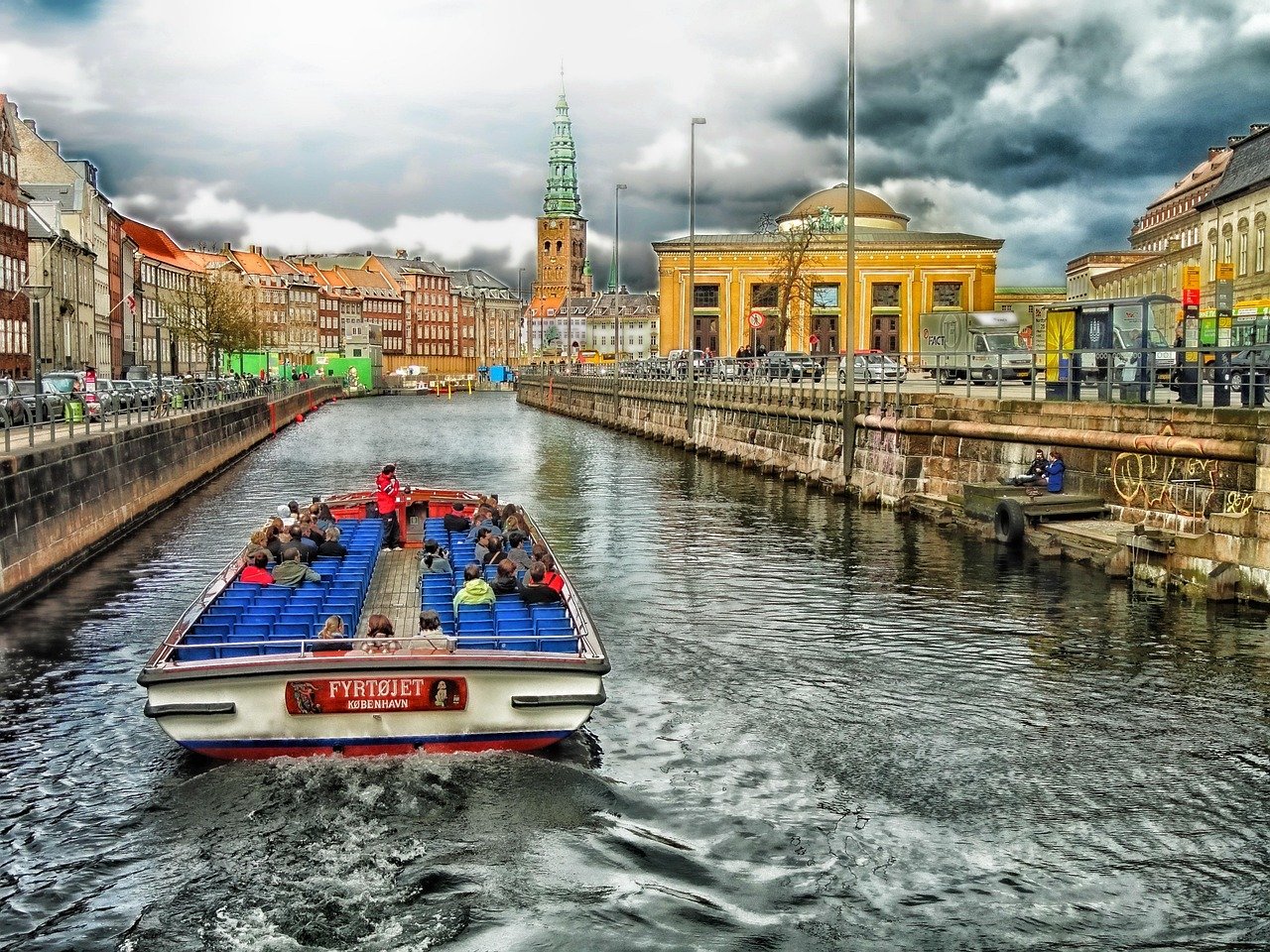
Copenhagen’s historic Nyhavn canal was dug between 1671 and 1673, and the colorful gabled houses lining it are largely 17th and 18th century. Today those same cobblestones lead to some of Europe’s most expensive hotel rooms, which tells you something useful about this city: it wears its wealth quietly, in design, food and bicycles rather than gold faucets.
That understated style is exactly what makes a luxury trip here different from Paris or Dubai. You will not find a strip of mega-resorts. You will find a compact, walkable capital where the best experiences are booked weeks ahead, priced in Danish kroner rather than euros, and delivered with a informality that can briefly confuse first-time visitors expecting formal service.
This guide covers where the money actually buys something memorable, what to skip, and the practical mistakes that trip up even seasoned travelers.
Why Copenhagen Rewards a Certain Kind of Spender
Copenhagen is small. The historic core, the harborfront, and the main museum and dining districts fit inside a walkable radius, and the Metro (line M2) connects Copenhagen Airport to the center in well under half an hour. That compactness changes the luxury math. You are not paying for a sprawling resort campus; you are paying for location, design pedigree and access. (Copenhagen)
The city’s reputation rests on three pillars: New Nordic cuisine, mid-century and contemporary design, and harbor swimming and cycling culture. A luxury itinerary that ignores any of the three tends to feel hollow, like visiting Florence and skipping the art.
One warning worth stating plainly: Denmark uses the Danish krone (DKK), not the euro. Card payment is near-universal, but prices quoted in foreign currency by hotels or booking platforms can carry markup. Ask for the charge in kroner.
Where to Stay: Choosing the Right Neighborhood
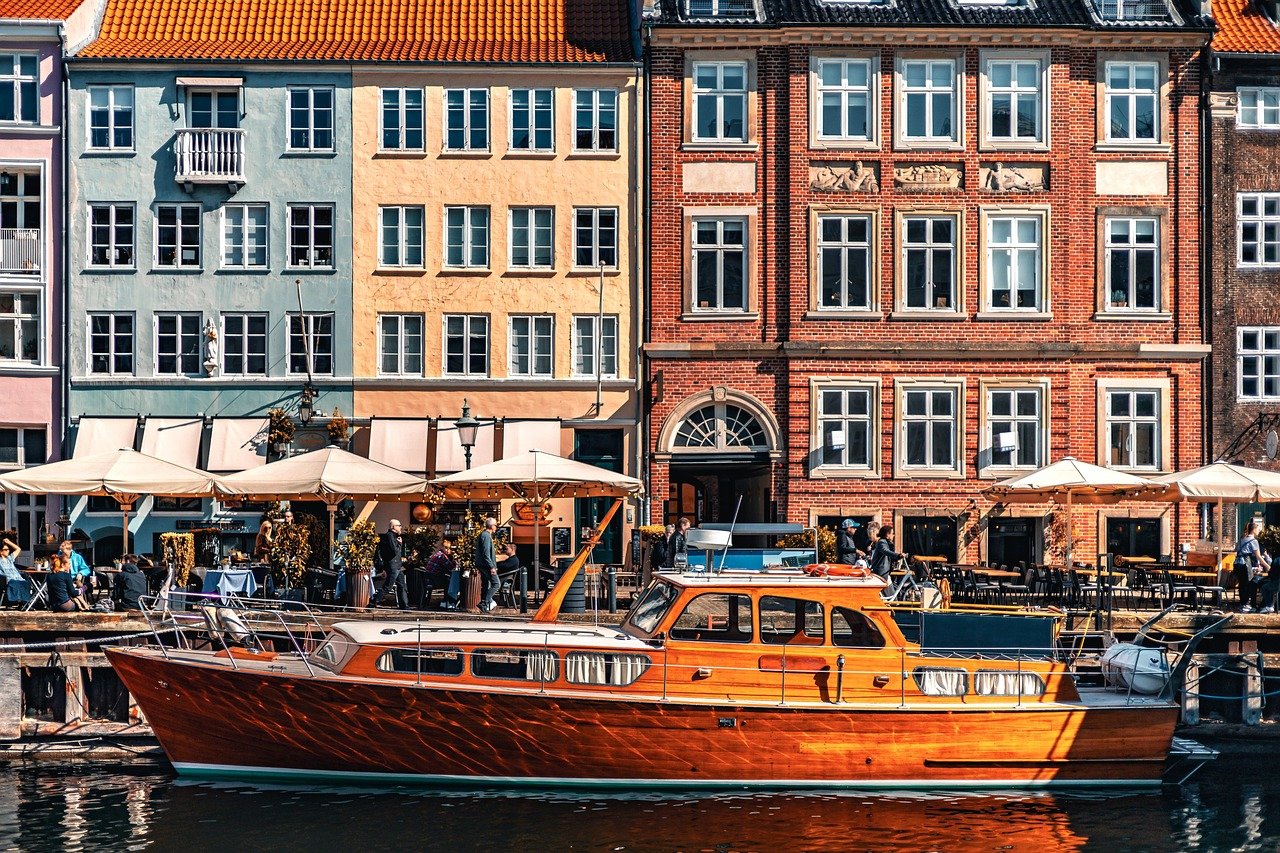
Hotel choice in Copenhagen matters more than star rating. A five-star room in the wrong district means a daily commute; a well-located four-star can outperform it.
| Area | Character | Best for | Trade-off |
|---|---|---|---|
| Indre By (city center) | Historic core, near Nyhavn and Strøget | First-timers, short stays | Tourist crowds, higher rates |
| Frederiksstaden | Royal quarter, Amalienborg, wide streets | Design hotels, quiet elegance | Fewer casual dining options |
| Vesterbro | Former meatpacking district, now food and bar hub | Food-focused travelers | Livelier, less polished streets |
| Christianshavn | Canal-side, near Freetown Christiania | Atmosphere, waterside walks | Limited hotel supply |
| Østerbro | Residential, parks, near the lakes | Longer stays, calm | Further from sights |
Practical tip: book harbor-view or canal-view rooms by name, rather than only “deluxe.” Many Copenhagen hotels sell rooms with identical interiors at different rates, and the premium is worth paying only when the view is genuinely there. Ask for the room category name and floor.
Common mistake: assuming a boutique design hotel includes breakfast. In Copenhagen, breakfast is frequently an add-on at 200–300 DKK per person, which quietly adds thousands to a week-long stay. Check before booking.
For a broader survey of high-end properties and design-led stays, the luxury resorts and getaway guide is a useful starting point, though note that Copenhagen’s scene leans boutique rather than resort.
Eating Well: The Real Splurge
Copenhagen’s restaurant culture is the single strongest reason to spend generously here. The New Nordic movement, built on foraging, fermentation and local seasonality, reshaped fine dining across Europe.
The city’s most famous kitchen, Noma, held three Michelin stars for years and repeatedly topped global restaurant rankings, and it announced a planned change to its format in the early 2020s. Its current operating status is genuinely uncertain and must be checked directly before planning a trip around it. This is a general rule for Copenhagen fine dining: verify, do not assume.
Practical guidance that saves both money and disappointment:
- Book the moment reservations open. Top tables release seats on fixed schedules, often months ahead. Set a calendar reminder.
- Expect a set menu. Many high-end kitchens serve tasting menus only, with wine pairings priced separately and sometimes equaling the food cost.
- Confirm the cancellation policy in writing. No-shows are charged at many venues.
- Lunch is the value play. Several acclaimed restaurants offer shorter, cheaper lunch services with the same sourcing.
- Check the Michelin Guide’s current Nordic selection for the year you are traveling. Star counts change annually, and last year’s list is not this year’s.
Beyond the headline names, the city’s food markets and bakery culture deliver extraordinary quality at modest prices. A cardamom bun and excellent coffee can cost less than a hotel minibar snack and taste considerably better.
Design, Culture and the Quiet Luxury of the Everyday
Copenhagen’s design heritage is not confined to museums. It is in the furniture, the lighting, the ceramics and the building proportions. For travelers who care about craft, this is the city’s deepest pleasure.
Museum-going strategy: pick two major institutions rather than five. Depth beats breadth here, and the design and art collections reward unhurried time. Book timed entries online during summer.
Harbor swimming is the local ritual that surprises visitors most. Clean harbor water, wooden decks and a sauna culture have turned swimming into a year-round social activity. It costs little and delivers what a spa day promises.
Cycling deserves a mention because it is genuinely the fastest way to move. Rental bikes are everywhere, lanes are protected, and locals follow traffic rules strictly. Rent a bike for a morning before committing to a full day; the city is flat but the wind is not.
For a wider view of how high-end travel and design are shifting, the future of luxury living offers useful context on why experiential spending now outpaces material purchases.
What Luxury Actually Costs in Copenhagen
Budgets vary, but order-of-magnitude figures help planning. Treat these as planning ranges, not quotes, and confirm current prices directly.
| Category | Typical high-end range | Notes |
|---|---|---|
| Five-star hotel, per night | 3,000–7,000 DKK | Suites and harbor views run higher |
| Tasting menu, per person | 1,500–3,500 DKK | Pairings often extra |
| Mid-range dinner, per person | 400–800 DKK | Quality remains high |
| Museum entry | 100–200 DKK | City cards can reduce totals |
| Airport to center by Metro | Under 50 DKK | Fast and frequent |
| Bike rental, per day | 100–200 DKK | Deposit may apply |
The pattern is clear: accommodation and dining dominate the budget, while transport and culture are comparatively cheap. Shift money accordingly.
A practical habit that works: set a daily ceiling in kroner and track it, rather than converting to your home currency each time. Constant conversion distorts decisions and adds mental friction.
Mistakes That Undermine an Otherwise Excellent Trip
Over-scheduling. Copenhagen rewards wandering. Three activities a day is plenty.
Ignoring the weather. The city is windy and changeable. Layers, a waterproof shell and shoes that handle rain matter more than a formal outfit.
Skipping reservations. Spontaneity works for casual spots; it fails at the top end.
Assuming formality. Danish service is warm but informal. Staff will not hover, and that is not neglect.
Forgetting entry rules. Visa and entry requirements for non-EU travelers should be checked against the Danish Immigration Service close to your departure date, as rules change.
Paying for the wrong view. Confirm what your room actually overlooks.
For fashion and craft enthusiasts, the legacy of luxury fashion houses is worth reading alongside a visit to the city’s design retail districts, where international houses and Danish names sit side by side.
When to Go and How to Pace It
Summer brings long daylight, outdoor life and peak prices. Late spring and early autumn offer better rates, thinner crowds and still-workable weather. Winter is dark but atmospheric, with sauna culture and fewer tourists.
A sensible rhythm for a four-day visit: one day for the historic core and harbor, one for food and markets, one for museums and design, one left deliberately open for whatever the city suggests. Leave the last day unplanned; it is usually the one people remember.
Conclusion
Copenhagen’s luxury is not loud. It is a harbor-view room, a tasting menu built on ingredients foraged within the region, a bike ride along protected lanes, and a swim in clean water. The city rewards travelers who book early, choose location over star count, verify restaurant status directly, and resist the urge to fill every hour.
Spend on the table and the room. Go cheap on the Metro and the museums. Leave room for the unplanned afternoon. That formula works better here than almost anywhere in Europe, and it does not require a fortune in gold faucets.
Frequently Asked Questions
Is Copenhagen expensive for luxury travelers?
Yes, particularly for hotels and fine dining. Accommodation and tasting menus dominate budgets, while transport, museum entry and bike rental are comparatively affordable. Shifting spend toward food and location, and away from unnecessary room upgrades, improves value considerably.
Do I need to book restaurants far in advance?
For top-tier restaurants, yes. Reservations often open months ahead and fill quickly. Lunch services are generally easier to secure and cost less. Always confirm the cancellation policy, since no-shows are commonly charged.
Is Noma still open?
Its status has been uncertain since the restaurant announced a planned format change in the early 2020s. Travelers should confirm directly with the restaurant rather than relying on older articles or rankings. The same caution applies to any restaurant’s star rating, which is revised annually.
What currency is used in Copenhagen?
The Danish krone (DKK), not the euro. Cards are accepted almost everywhere, but ask to be charged in kroner rather than your home currency to avoid conversion markup.
How do I get from the airport to the city center?
The Metro connects Copenhagen Airport to the center quickly and cheaply, with frequent service. Taxis are available but far more expensive. Confirm current line and ticket details with the airport or local transit authority before traveling.
Is Copenhagen walkable, or do I need a bike?
Both work well. The historic core is compact and walkable, and protected bike lanes make cycling the fastest option for longer distances. The city is flat, though wind is a real factor, so test a short ride before committing to a full day.
What should I pack for a luxury trip to Copenhagen?
Layers and a waterproof shell matter more than formalwear. The weather is windy and changeable, and Danish dress codes lean smart-casual even at high-end restaurants. Comfortable shoes are essential given how much walking and cycling the city invites.
For those combining Copenhagen with other Nordic capitals, the broader Scandinavia travel guide offers useful regional context on how Denmark’s capital fits into a longer luxury itinerary. A final note on timing: Danish public holidays and the Christmas season can close restaurants and museums without much warning, so check opening hours against the calendar in the weeks before departure. Tipping is not expected in the way it is in the United States; service is included, and rounding up is sufficient courtesy. None of this is complicated, and that is rather the point. Copenhagen asks travelers to slow down, spend deliberately, and trust that an unhurried afternoon by the harbor is worth more than a packed schedule. Plan the essentials, verify what matters, and let the city do the rest. (Visit Copenhagen)
For those extending their stay, day trips to Louisiana Museum of Modern Art or the castles of North Zealand reward a half-day each, though both require checking current opening hours and transport schedules. Book train tickets in advance for better fares. Above all, treat Copenhagen as a city to inhabit rather than conquer: rent the bike, take the swim, linger over lunch, and let the famous restaurants and design shops fit around the rhythm of the streets rather than dictating it. That, more than any single reservation, is what a genuinely luxurious visit here feels like.