
How to Make Weekends Feel Longer: 2026 Time-Stretching Tips
 Abdul WadoodLast updated
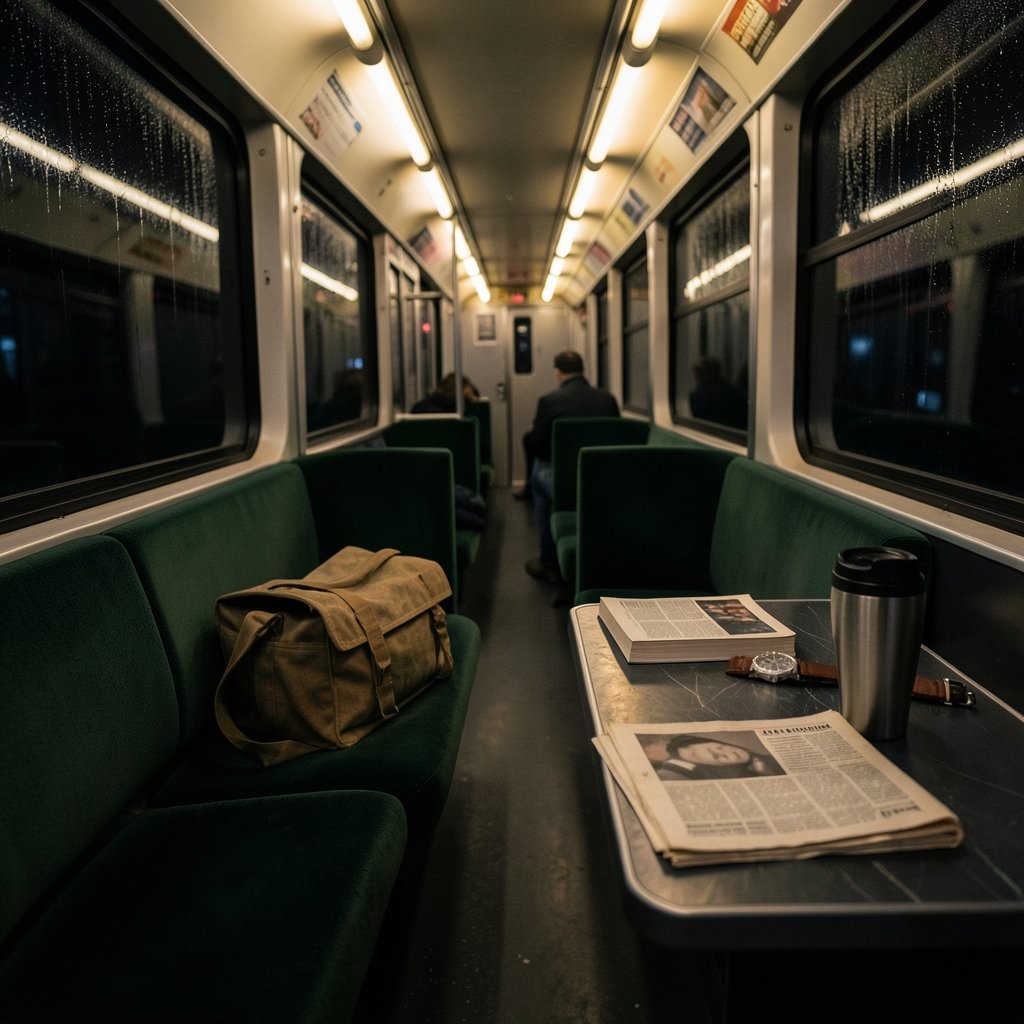
Most people get roughly 104 weekend days a year, yet by Sunday evening those days often blur into a single rushed memory. Ask someone what they did last weekend and you’ll usually get a shrug: errands, a bit of rest, and then Monday again. That gap between the time we actually have and the time we feel we had is where this whole topic lives. (Weekend)
The good news is that the length of a weekend is fixed, but the experience of its length is not. Psychologists have studied time perception for more than a century, and their findings point to a handful of practical levers almost anyone can pull. This guide covers what those levers are, how to use them, and the mistakes that quietly flatten two perfectly good days into one long wait for Monday.
Why weekends feel short even when nothing goes wrong
The central idea in time perception is that felt duration and remembered duration are two different things. A weekend can fly by in the moment and still feel rich and long in memory, or drag in the moment and vanish the instant it’s over. Most people want the second kind of stretch: the sense on Sunday night that Friday was genuinely a while ago.
Two mechanisms drive that feeling.
The first is memory density. Periods of life crowded with distinct, novel events are recalled as longer than routine periods of the same length. This is why a childhood summer felt endless and a recent month of identical workdays feels like it barely happened. A weekend built from the same three activities every week leaves very few memory markers, so your brain compresses it.
The second is attention. Time feels short when attention is fully absorbed, which is why scrolling a phone for an hour feels like ten minutes. Boredom does the opposite: it stretches time in the moment, but leaves almost nothing behind. Neither extreme is what you want. The target is a weekend with enough novelty to create markers and enough unhurried attention to actually register them.
The holiday paradox, in plain terms
Researchers have long described a holiday paradox: vacations often feel like they pass quickly while you’re on them, yet are remembered as long and substantial afterward. The retrospective length seems tied to how many new experiences were packed in, not to how many days the trip lasted. A weekend is a miniature version of the same puzzle. You cannot add days, but you can add experiences that the memory will count.
Start the weekend on Thursday, not Saturday
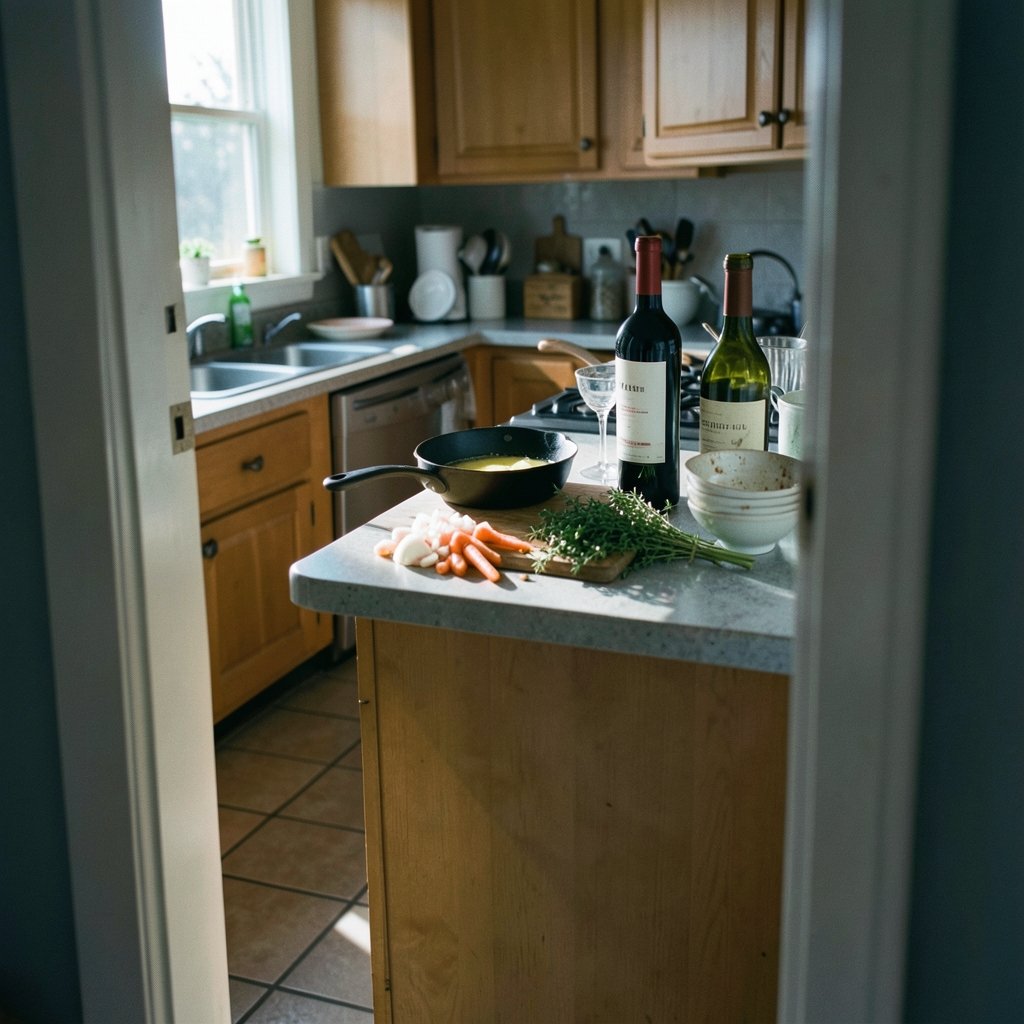
One of the most practical shifts is to treat Friday evening as part of the weekend rather than the tail end of the work week. Many people spend Friday night decompressing in front of a screen and only feel “off” by Saturday lunchtime. By then, nearly a third of the weekend is gone.
A better pattern is to plan something small and deliberate for Friday evening: a walk somewhere new, cooking a meal that takes actual effort, meeting a friend for one drink. It doesn’t need to be expensive or elaborate. The point is to create a clear boundary between work and rest, so the weekend begins with a marker instead of a fade.
This is the same principle behind the way travel destinations are designed to feel like an event rather than a stopover. The hotels that feel like a destination approach works because arrival itself is staged. You can borrow that logic at home: a Friday ritual signals to your brain that a different mode has started.
Protect Saturday morning from errands
Saturday morning is the most valuable block of the weekend and the easiest to lose. Grocery runs, laundry, and admin expand to fill whatever space they’re given. Try batching errands into a single tight window, ideally late Saturday afternoon or Sunday morning, and keep Saturday morning free for something you’d actually choose.
Common mistake: scheduling back-to-back obligations on Saturday morning “to get them out of the way,” then feeling resentful and tired by noon. What works better is a hard rule that the first three hours of Saturday belong to something restorative or interesting, not to chores.
Add novelty in small doses
Since memory density drives remembered length, novelty is the highest-leverage tool available. It doesn’t require a trip. A new walking route, a cuisine you haven’t cooked, a shop in a neighborhood you never visit, a class, a live event, a different park: each one creates a distinct marker.
A useful test is the “what did I do?” check. On Sunday night, try to list five specific things from the weekend. If you can’t, the weekend was probably too routine. If you can rattle off eight or nine, it will feel longer in retrospect almost automatically.
There’s a second benefit. Novelty tends to slow perceived time during the experience as well, because the brain has to process more information rather than running on autopilot. That’s why a first visit to a city feels longer than the tenth.
Steal ideas from people who curate experiences for a living
Fashion weeks are essentially masterclasses in compressing a lot of distinct, memorable moments into a short window. Look at how street style during Milan Fashion Week turns an ordinary sidewalk into a series of events, or how the most memorable looks from Paris Fashion Week are the ones that break a pattern rather than repeat it. The lesson transfers directly: a weekend with two or three deliberately different moments will be remembered as fuller than one with ten interchangeable ones.
Slow the middle of the day
Time perception is not uniform. Hours packed with rapid task-switching vanish; hours with unhurried attention stretch. Most weekends are full of micro-switching: phone, chore, message, screen, chore. The day ends and nothing feels like it happened.
Try a single-tasking block of 60 to 90 minutes on both Saturday and Sunday. One activity, no phone nearby. Cooking a proper meal, reading, gardening, a long walk, a project you actually care about. It will feel longer in the moment and leave a clearer memory afterward.
This connects to a broader point about environment. A space designed with intention tends to hold attention better than a cluttered one, which is why designing a home that feels personal often changes how people spend their downtime. If your living room is set up so the default is scrolling, that’s what weekends will be made of.
Build anticipation instead of letting the weekend arrive
Anticipation is one of the most underused tools. Looking forward to something extends the felt span of the period leading up to it, which means a small plan on Wednesday can improve Thursday and Friday as well as the weekend itself.
The catch is that anticipation only works when the plan is specific. “Relax this weekend” produces nothing. “Saturday at 10, the new bakery, then the riverside path” produces a real, datable expectation. The more concrete the plan, the more the mind can rehearse it.
| Approach | Effect on felt length | Effect on remembered length |
|---|---|---|
| Same routine every weekend | Neutral | Short |
| Errands spread across both days | Short | Short |
| One novel event plus free time | Slightly longer | Long |
| Three or four distinct small plans | Longer | Longest |
| Overscheduled, back-to-back plans | Very short | Long but tiring |
The table makes the trade-off visible. Overscheduling does create memories, but it also makes the weekend feel rushed and leaves you starting Monday depleted. The sweet spot sits around three or four distinct events spread across two days, with real gaps between them.
Guard against the Sunday scaries
Sunday afternoon is where a lot of weekends quietly die. Anticipatory dread about Monday compresses the remaining hours into a countdown, and the whole weekend gets retroactively colored by it.
A few things help. First, finish any work-adjacent thinking by Saturday night, not Sunday evening. Second, give Sunday a genuine highlight of its own, so it isn’t just the runway to Monday. Third, keep Sunday evening gentle and predictable: a proper meal, a walk, something low-stakes. Predictability here is a feature, not a bug, because it removes the low-grade background anxiety that makes time feel thin.
It’s also worth noting that how you spend Sunday shapes how the whole weekend is remembered. A calm, deliberate Sunday gives the memory a clean ending. A frantic one smears anxiety across the previous two days.
Make rest actually restful
There’s a persistent myth that rest is what’s left over when everything else is done. In practice, passive rest (scrolling, background TV) often leaves people feeling like they didn’t get a weekend at all, while active rest (sleep at a consistent time, daylight, movement, unhurried meals) restores energy and creates memory markers at the same time. (Mindfulness)
Practical tips that reliably work:
- Keep wake-up times within about an hour of your weekday schedule, so Sunday night isn’t a battle.
- Get outside in daylight early on both days. It anchors the day and makes it feel longer.
- Eat at least one meal without a screen.
- Leave one block of the weekend completely unplanned, but not unstructured: pick a rough intention, like “outside” or “creative,” and let the specifics fill in.
- Put the phone in another room for the first hour of each day.
Common mistake: treating the weekend as a recovery period from the week rather than a period in its own right. That framing guarantees it feels like a gap between two real things instead of a thing itself. The people who consistently feel their weekends are long tend to talk about them as something they do, not something that happens to them.
The style-and-identity angle nobody mentions
There’s a quieter factor in how weekends feel: whether they feel like yours. A weekend spent entirely in clothes, spaces, and routines that belong to the work version of you tends to blur into the week. Small shifts in how you present yourself at home can change the texture of a day more than people expect. The same principle shows up in the way long hairstyles that actually hold up all day are discussed: practical, low-effort choices that let you get on with the day rather than managing yourself all afternoon.
This isn’t about buying anything. It’s about making the weekend feel distinct from the week, visually and physically, so the brain files it as a separate chapter.
What to do this coming weekend
If you take nothing else from this, take three things. Put one small, specific plan on Friday evening. Keep Saturday morning free of obligations. Add two or three genuinely new experiences across the two days, spaced out with real gaps.
None of this adds a single hour. What it does is change what your memory has to work with. A weekend that produces eight distinct markers will be recalled as substantially longer than one that produces two, even though the clock says the same thing. That’s not a trick or a mindset hack so much as a description of how memory and time perception actually interact.
Conclusion
Weekends don’t get longer because you optimize them into a productivity system. They get longer because you give your memory more to hold onto and your attention more room to land. The formula is unglamorous: start earlier, protect the best hours, introduce novelty in small doses, single-task for a stretch, and let Sunday end calmly rather than in a countdown.
The people who feel like their weekends are long are rarely doing anything exotic. They’re just making a few deliberate choices instead of letting two days default into errands and screens. Try it for one weekend and check on Sunday night how many specific things you can name. That number is the real measure of how long the weekend was.
How many days off do most people actually get?
In most full-time jobs, the standard is two days per week, which works out to roughly 104 days a year. The number is fixed, but how those days are structured and remembered varies enormously from person to person.
Why does a weekend feel shorter when I do the same thing every week?
Because the brain compresses routine. When nothing distinct happens, there are fewer memory markers to anchor the period, so it gets stored as a single blur rather than a sequence of events. Novelty, even small novelty, breaks that compression.
Is it better to plan a lot or leave the weekend open?
Neither extreme works well. Overscheduling makes the weekend feel rushed and leaves you tired on Monday, while a completely open weekend often defaults to screens and errands. Three or four distinct plans with real gaps between them tends to produce the longest-feeling result.
Does sleeping in make weekends feel longer?
Usually the opposite. Sleeping very late shrinks the usable day and disrupts the body clock, which makes Sunday night harder. Keeping wake-up times within about an hour of your weekday schedule generally gives you more usable hours and a smoother end to the weekend.
Why does Sunday afternoon feel so short?
Anticipatory dread about Monday compresses the remaining hours into a countdown. Giving Sunday its own highlight and keeping the evening calm and predictable reduces that effect and stops the anxiety from coloring the whole weekend in retrospect.
Can a weekend feel long without spending money?
Yes, and often more easily. A new walking route, a different park, cooking something unfamiliar, a library visit, or a free local event all create the novelty that drives remembered length. Cost has very little to do with it; distinctiveness has almost everything.