
How to Start Wine Tasting: A Beginner’s Guide
 Abdul WadoodLast updated

Wine tasting looks intimidating from the outside. There’s the swirling, the sniffing, the strange vocabulary, and the person at the table who insists they detect “wet stone and a hint of pencil shavings.” Here’s the reassuring truth: the entire ritual rests on a simple, repeatable method anyone can learn in an afternoon. The global wine industry produces somewhere between 240 and 260 million hectoliters of wine in a typical year, according to OIV data, which means beginners have an almost absurd amount of material to practice on. The skill isn’t memorizing flavors. It’s learning to pay attention in a structured way. This guide walks through exactly how to begin, from choosing your first bottles to building a tasting habit that actually sticks.
Why Structured Tasting Beats Guessing
Most people drink wine, but very few taste it. The difference is attention. When you drink casually, your brain files the experience under “pleasant” or “not for me” and moves on. When you taste deliberately, you start building a memory bank of reference points: this is what acidity feels like, this is what oak smells like, this is what a young tannic red does to your gums.
Professional educators have standardized this process. The Wine & Spirit Education Trust teaches a systematic approach to tasting that moves through appearance, nose, palate, and conclusions in a fixed order. The point of the fixed order is consistency. If you always evaluate the same way, your notes become comparable over time, and comparison is where learning happens.
Beginners often make the mistake of chasing complexity too early. They buy an expensive bottle, taste it alone, and feel nothing but confusion. A far better strategy is to taste two inexpensive wines side by side. Difference is the teacher, not quality.
Step 1: Get the Right Gear Without Overspending
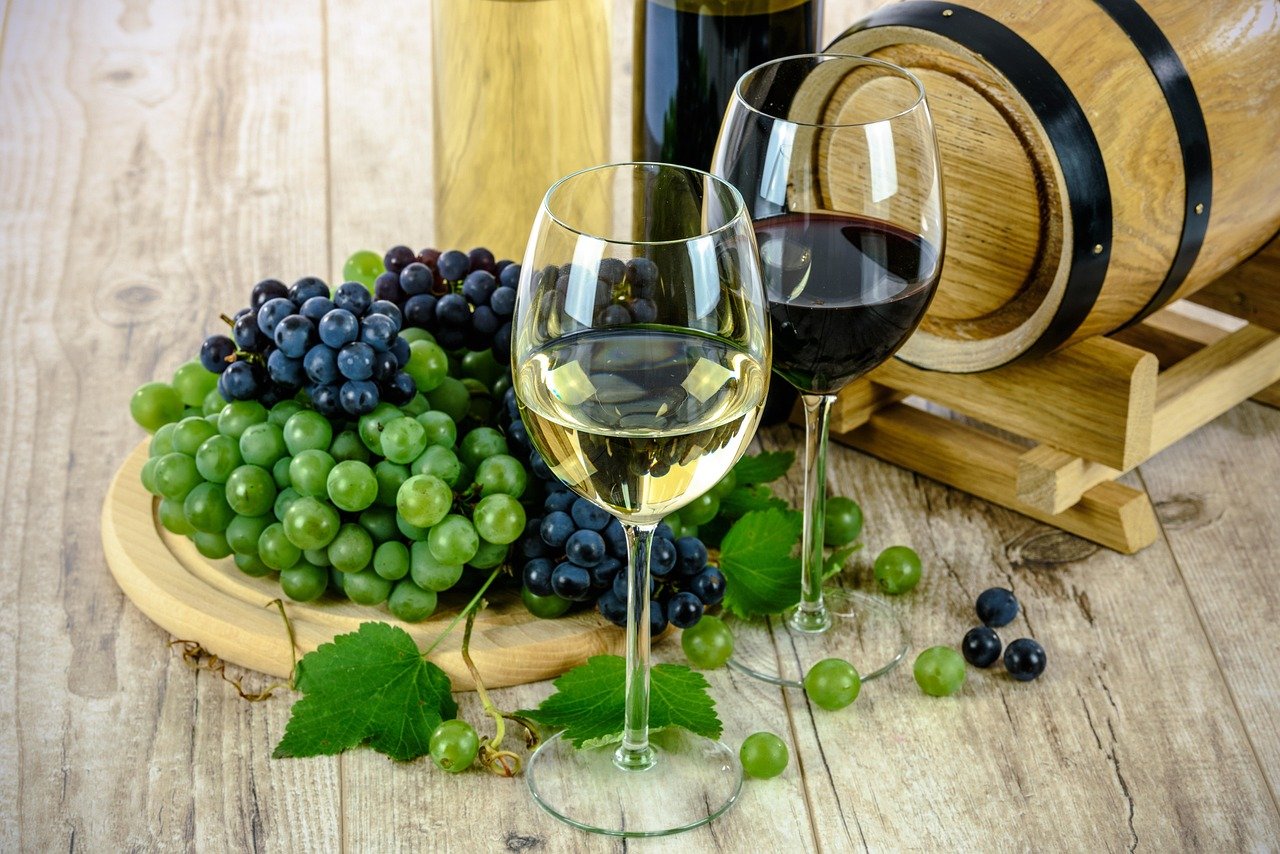
You do not need a cellar, a decanter collection, or crystal stemware. You need three things:
- A proper glass with a tulip shape. The bowl should curve inward at the top to concentrate aromas. A standard ISO tasting glass or a simple universal glass works fine. Avoid thick-rimmed tumblers; they flatten the experience.
- A neutral, well-lit space. Natural light helps you judge color. A white tablecloth or white sheet of paper behind the glass reveals hue and clarity.
- A notebook or notes app. Writing forces precision. “Tastes nice” is not a note; “tart green apple, high acidity, short finish” is.
Optional but genuinely useful: a spittoon (any opaque cup works), water for rinsing and hydration, and plain crackers to reset your palate between wines. Professionals spit for a reason. Alcohol dulls your senses, and if you’re tasting six wines, spitting keeps your palate sharp and your judgment intact. It is standard practice at tastings everywhere and carries no stigma.
Step 2: Learn the Four-Step Tasting Method
Every serious tasting framework, from sommelier exams to casual wine clubs, follows the same skeleton. Master this and you can walk into any tasting room with confidence.
Look
Tilt the glass against a white background. Note the color and its intensity. White wines run from almost clear to deep gold; reds from pale ruby to opaque purple. A brownish edge on a red can suggest age. Clarity matters too: cloudy wine isn’t automatically flawed, but it’s worth noting.
Smell
Swirl the glass to expose more surface area to air, then sniff shortly rather than deeply. Long inhalations overwhelm your nose. Ask yourself: is the fruit ripe or fresh? Are there non-fruit aromas like bread, butter, pepper, or earth? Is the smell intense or faint? Most of what you perceive as “taste” is actually smell, so this step deserves the most time.
Taste
Take a small sip and let it move across your whole tongue. Evaluate four things:
| Element | What to Notice | Beginner Cue |
|---|---|---|
| Sweetness | Residual sugar | Does it feel syrupy or dry? |
| Acidity | Freshness and sharpness | Does your mouth water? |
| Tannin | Grip and drying (reds) | Does it dry your gums? |
| Body | Weight on the palate | Skim milk vs. whole milk |
Then note the finish: how long the flavor lingers after you swallow or spit. A long finish is generally a sign of quality.
Conclude
Summarize in one or two sentences. Was the wine balanced? Did anything dominate? Would you drink it again, and with what food? This final step cements the memory.
Step 3: Build a Beginner Tasting Flight
The fastest way to train your palate is comparative tasting. Group wines so that only one variable changes at a time. Here are three starter flights that work reliably:
Flight A: Same grape, different places. Two Sauvignon Blancs, one from New Zealand and one from France’s Loire Valley. The difference in fruit ripeness and acidity will be obvious even to a total novice.
Flight B: Same place, different grapes. A red and a white from the same region, or two reds like Pinot Noir and Cabernet Sauvignon. This teaches you how grape variety shapes structure.
Flight C: Cheap versus expensive. Take two wines of the same grape at very different price points. Sometimes the expensive bottle wins clearly; sometimes it doesn’t. Both outcomes are educational.
Keep flights to three to six wines. Beyond that, palate fatigue sets in and notes blur together.
Step 4: Build a Flavor Vocabulary That Actually Works
Wine descriptors get mocked for good reason, but the underlying skill is real: translating sensation into words sharpens perception. Start with broad categories rather than specific notes.
Instead of hunting for “blackcurrant and graphite,” ask simpler questions. Is the fruit in the citrus family or the stone fruit family? Is it red fruit or black fruit? Does it smell like something fresh or something cooked, dried, or jammy? Is there an herbal or spice note?
Aroma-training kits and the widely used aroma wheel are legitimate teaching aids, not gimmicks. Smelling reference jars of common wine aromas builds the mental links that make recognition automatic. In practice, most beginners improve dramatically within a handful of structured tastings simply because they finally have words for what their nose already knew.
One practical tip that surprises people: smell everything. Grocery store produce, spices, coffee, fresh bread. The more sensory references you store, the richer your tasting notes become.
Step 5: Practice Tasting Without Pressure
The single most common beginner mistake is treating wine tasting as a test. It isn’t. There are no wrong answers about what you smell, only imprecise language. A few habits accelerate progress:
- Taste in small, frequent sessions. Twenty minutes twice a week beats one marathon session a month.
- Write notes immediately. Memory rewrites experience within minutes.
- Compare notes with others. Group tastings are the fastest learning environment because someone else will always catch something you missed.
- Revisit wines. Taste the same wine again a week later. Your perception will have shifted, and noticing that shift is proof you’re improving.
Another underrated practice: taste blind occasionally. Cover the label, or have a friend pour. Blind tasting strips away expectation, and expectation is the biggest source of error in wine judgment. People who know a bottle is expensive reliably rate it higher, a well-documented effect in consumer research on expectation and perception.
Step 6: Find Your Learning Community
You don’t have to learn alone. Local wine shops frequently run beginner tastings, often for modest fees. Wine bars with by-the-glass programs let you explore without committing to full bottles. Structured courses exist at multiple levels, and while certification isn’t necessary for enjoyment, a beginner course provides a framework and a room full of people at the same stage. (WSET)
For those who prefer self-directed learning, Jancis Robinson’s reference work and the Oxford Companion to Wine are widely respected editorial sources for looking up regions, grapes, and terms as you encounter them. Reading about a wine after tasting it is far more effective than reading before, because you now have a sensory anchor for the facts.
Common Mistakes That Slow Beginners Down
A few traps catch almost everyone:
- Starting with expensive or prestigious wines. They’re often subtle and closed, and a beginner palate reads subtle as “nothing.” Bold, fruit-forward wines are better teachers.
- Skipping the spit. Over-tasting dulls the palate and the judgment.
- Over-describing. A note with twelve aromas is usually less accurate than one with three.
- Ignoring temperature. A warm red tastes flabby and alcoholic; an ice-cold red tastes like nothing. Serve reds slightly below room temperature and whites well chilled.
- Tasting on a full stomach or after coffee. Both distort perception. Neutral timing matters.
- Believing there’s a correct answer. Wine is subjective by design. Confidence comes from honest observation, not from matching an expert’s notes.
How Long Until It Clicks?
Most beginners notice a real shift after roughly ten to fifteen structured tastings. That’s not a magic number, just a realistic range. The change is subtle at first: you start noticing acidity without being told to look for it, and you begin recognizing a grape variety before reading the label. That moment, when recognition arrives before information, is when tasting becomes genuinely fun.
Progress isn’t linear, either. Some sessions yield nothing but “it tastes like wine,” and that’s normal. The palate develops in fits and starts, often consolidating quietly between sessions.
Conclusion
Starting wine tasting requires no credentials, no expensive equipment, and no intimidating vocabulary. It requires a glass, a notebook, and the willingness to slow down and pay attention. Learn the four-step method, taste in small comparative flights, build a simple flavor vocabulary, and practice regularly with other people when you can. The rest, from obscure appellations to confident blind tasting, follows naturally. The first bottle is the hardest part. After that, curiosity does the work. For more practical guides on tasting, food pairing, and building a palate, explore the resources at voozon.media.
What is the best wine for a complete beginner to taste first?
A fruit-forward, moderately priced wine is the best starting point, such as an inexpensive Sauvignon Blanc or a young Cabernet Sauvignon. Bold, expressive wines give beginners clear signals: obvious fruit, noticeable acidity, and easy-to-feel tannin. Subtle or very expensive wines often read as “closed” to an untrained palate and teach very little.
Do you have to spit wine out during a tasting?
No, but spitting is standard practice and worth adopting. Alcohol numbs the senses, so if you’re tasting several wines, spitting keeps your palate accurate and your judgment clear. It also lets you taste more wines safely. Any opaque cup works as a spittoon, and no one at a tasting will think twice about it.
How many wines should a beginner taste in one session?
Three to six wines is the sweet spot. Within that range, you can compare wines meaningfully and still remember your notes. Beyond six, palate fatigue sets in, aromas start blurring together, and the learning value drops sharply. Small, frequent sessions beat long ones.
Does the type of glass really change how wine tastes?
Yes, noticeably. A tulip-shaped glass with an inward-curving rim concentrates aromas toward your nose, which matters because most of what you perceive as flavor is actually smell. Thick-rimmed tumblers and narrow shot-style glasses flatten the experience. A single decent universal glass is all a beginner needs.
Can you learn wine tasting without taking a course?
Absolutely. Structured self-study works well: follow a consistent four-step method, taste in comparative flights, keep written notes, and read about wines after tasting them. Courses and guided tastings accelerate the process by adding feedback and community, but they aren’t required to develop a real palate.
Why does wine vocabulary feel so strange at first?
Because wine descriptors borrow words from other domains (fruit, minerals, flowers, earth) to describe sensations that don’t have dedicated vocabulary. The strangeness fades with practice. Starting with broad categories like citrus, red fruit, or herbal is easier and more accurate than chasing hyper-specific notes like “pencil shavings” on day one.