
What to Pack for a Mediterranean Yacht Trip: 2026 Checklist
 Abdul WadoodLast updated
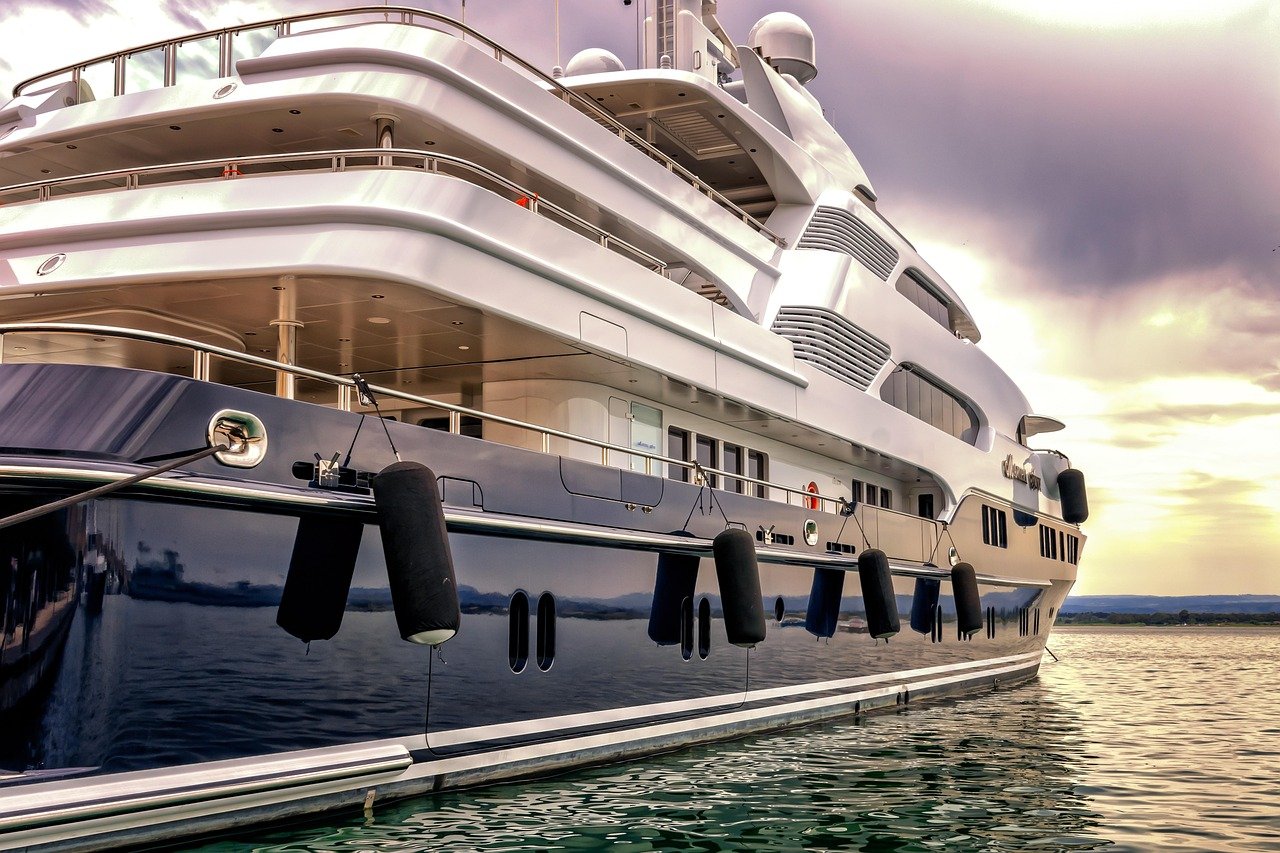
Quick Answer: What to pack for a mediterranean yacht trip?
Packing for a Mediterranean yacht trip means building a small, soft-sided kit around sun protection, swimwear, quick-dry layers, non-marking deck shoes, personal medication, and travel documents. The goal is to fit everything into a compressible duffel that stows in an irregular locker, so you carry less and wear more.
The main distinction is between bareboat charters, where you handle provisioning and gear yourself, and crewed charters, where linens, towels, and often water toys are supplied. Packing for a flotilla or a day sail sits somewhere in between, with far less storage and no need for formal clothing.
Before you act, check the operator’s baggage rules, the yacht’s electrical system, life jacket and child-size policy, marine park sunscreen restrictions, entry document requirements, and the seasonal wind and UV forecast. (Yacht)
In the Mediterranean, the sun does not negotiate. During July and August, the UV index across much of the coast climbs into the very high to extreme range, which is exactly the kind of fact that should reshape how you pack. Most first-timers overpack clothing and underpack protection. The result is a heavy bag, a sunburned face, and a suitcase that refuses to fit under a bunk. This guide walks through what actually earns its place in the bag, what stays home, and the mistakes that show up again and again on charter docks from Split to Palma.
Start With the Bag, Not the Contents

The single most common packing error on a yacht trip happens before anything goes inside. Hard-shell suitcases are the enemy. Yacht stowage is a patchwork of odd-shaped lockers, bilge-adjacent cubbies, and shelves with no standard dimensions. A soft duffel compresses, bends, and slides into gaps a rigid case never will.
Practical rules that hold up in practice:
- Choose a soft duffel with a shoulder strap, roughly 40 to 60 liters for a week.
- Pack in packing cubes so you can pull one out without unpacking the whole bag.
- Bring a small dry bag for tender rides, beach landings, and keeping phones and documents dry.
- Leave the wheeled case at home unless the operator explicitly says otherwise.
Charter operators generally recommend soft luggage, and it is one of the few pieces of advice that almost every company agrees on. If you only follow one tip from this article, follow that one.
Sun Protection Is the Core of the Kit
Everything else on a Mediterranean summer sail is secondary to managing sun and heat. The UV index in many coastal areas routinely reaches 8 to 11 in midsummer, which is very high to extreme. On deck, reflection off water and white fiberglass adds to the load.
What works in practice:
- Mineral or reef-safe sunscreen in high SPF, applied before you leave the cabin and reapplied every couple of hours.
- A wide-brimmed hat with a chin strap. Caps blow off; strap hats stay put.
- Polarized sunglasses with a retaining cord.
- UV-rated long-sleeve swim shirts or lightweight cover-ups for the hottest hours.
- Lip balm with SPF, which nearly everyone forgets.
One distinction matters here. Some Mediterranean marine protected areas restrict certain sunscreen ingredients or encourage reef-safe products, and rules vary by park. Confirm with the park authority or your operator before assuming your usual bottle is fine. The International Union for Conservation of Nature tracks marine protection guidance if you want background on why these rules exist.
Clothing: Less Than You Think, Layered for the Edges
Mediterranean summers are hot and dry, but the sea has opinions. Evening sea breezes and regional winds such as the Mistral in the Gulf of Lion or the Bora in the Adriatic can turn a warm day cool and gusty fast. Météo-France is the reference point for tracking these patterns in French waters, and the lesson for packing is simple: bring one genuinely warm layer and one windproof shell.
A realistic one-week clothing list for a summer trip:
| Category | What to bring | How many |
|---|---|---|
| Swimwear | Quick-dry swimsuits | 2 |
| Tops | Lightweight t-shirts, one long-sleeve UV shirt | 4 to 5 |
| Bottoms | Shorts, one pair of lightweight trousers | 3 |
| Warm layer | Fleece or light sweater | 1 |
| Outer layer | Packable windproof/waterproof shell | 1 |
| Footwear | Non-marking soft-soled deck shoes, sandals | 2 pairs |
| Sleepwear | Light pajamas or shorts and tee | 1 set |
| Evening | One smart-casual outfit if dining ashore | 1 |
Non-marking, soft-soled deck shoes are close to mandatory on most charter yachts because they protect teak and fiberglass from scuffs. Bare feet are common on deck, but you will want shoes for going ashore, marina walks, and rocky beaches.
Two practical notes. First, quick-dry fabrics beat cotton for anything that might get splashed, because towels and cotton dry slowly in humid coastal air. Second, laundrettes exist in many marinas, so a mid-week wash beats doubling your wardrobe.
The Small Stuff That Saves the Trip
The items below weigh almost nothing and cause disproportionate relief when needed.
- Motion sickness remedies in whatever form works for you, plus a backup. Seasickness is common on day sails and crossings, and personal medication is your own responsibility even when the yacht carries a first-aid kit.
- Personal first-aid items: blister plasters, painkillers, antihistamines, and any prescription medication in original packaging.
- Reef-safe sunscreen and after-sun lotion, as covered above.
- Power bank and adapters. Mediterranean countries mix plug types, including Type C and F across much of Europe, Type L in Italy, and Type G in Malta and Cyprus. Yacht electrical systems vary too, so confirm with the operator before plugging in high-draw devices.
- A small torch or headlamp for night watches and anchorages.
- Earplugs and an eye mask, because marina noise and early sun are real.
- A couple of carabiners and a length of cord for drying swimwear on the guardrail.
- A waterproof phone pouch.
The UK’s National Health Service is a sensible reference for general travel health planning if you are unsure what belongs in a personal kit.
Documents, Money, and Insurance
Boring, essential, and easy to get wrong. Carry a passport with enough validity, the charter contract, your sailing qualification if the operator requires one, and travel and medical insurance details. Entry rules change, sometimes at short notice, so check current government travel advice for every country on your route rather than relying on last year’s blog post. The UK government’s foreign travel advice pages are a reliable starting point for entry and safety information.
Store physical copies separately from originals, keep digital scans in cloud storage, and pack a card plus a modest amount of local cash for marinas and small harbors. The Royal Yachting Association publishes training and kit guidance that is useful background for anyone new to chartering.
Electronics and Entertainment
Phones, e-readers, and a waterproof speaker cover most needs. Two cautions. Some yachts restrict high-draw devices, and inverter capacity is finite. And salt water destroys electronics faster than fresh water, so a dry bag is not optional.
Offline maps, downloaded navigation apps, and a few downloaded books and podcasts are worth the storage space. Wi-Fi in marinas is often slow, and mobile coverage at sea is patchy.
What to Leave at Home
Knowing what not to bring is half the skill:
- Hard suitcases and anything with wheels.
- Hairdryers and high-wattage appliances unless the operator confirms support.
- More than two pairs of shoes.
- Heavy denim, thick towels, and multiple jackets.
- Drone equipment without written permission from the operator and awareness of local rules.
- Anything irreplaceable that would ruin the trip if it went overboard.
Operator-Specific Details to Confirm Before You Pack
Generic checklists disagree on a few points, and the only answer that counts is your operator’s.
| Question | Why it matters |
|---|---|
| Are life jackets supplied, and in what sizes? | Safety rules generally require one per person, but child sizing varies |
| Are linens and towels included? | Changes your bag size significantly |
| What is the electrical system? | Determines adapters and which devices are safe |
| Is there a dress code ashore? | Some destinations expect smart-casual at dinner |
| Are marine park sunscreen rules in force? | May require specific products |
| What are the baggage limits? | Small yachts have real space constraints |
Safety equipment requirements trace back to international frameworks such as the SOLAS convention maintained by the International Maritime Organization, though national small-craft rules differ by flag state. Confirm specifics with your charter company rather than assuming.
Packing Method That Actually Works
A simple sequence beats a frantic last night:
- Lay out everything you think you need, then remove roughly a third.
- Roll soft clothing into packing cubes by category.
- Pack heavy items at the bottom of the duffel, near your back when carrying.
- Put documents, medication, and sunscreen in an outside pocket.
- Pack a change of clothes and swimwear in your carry-on if flying.
- Weigh the bag and compare it against the operator’s limit.
The people who look most comfortable on a Mediterranean charter are rarely the ones with the most gear. They are the ones who packed light, protected their skin, and kept their bag small enough to disappear into a locker. (NOAA Ocean and Coasts Resource Collection)
Conclusion
Packing for a Mediterranean yacht trip rewards restraint and punishes optimism about wardrobe variety. Build the kit around sun protection, swimwear, quick-dry layers, non-marking deck shoes, motion sickness remedies, and documents, then compress it all into a soft duffel. Confirm the operator-specific details, check current travel advice, and watch the UV and wind forecast before departure. Do that, and the bag stops being a problem and the sailing gets your full attention.
Frequently Asked Questions
How much clothing should I pack for a one-week yacht charter?
Plan for roughly four to five tops, three bottoms, two swimsuits, one warm layer, and one windproof shell. That is enough for a week if you rinse items and use a marina laundrette once. Anything beyond that usually stays folded in the duffel.
Do I need to bring my own life jacket?
In most cases, no. Charter companies typically supply life jackets for everyone aboard, and safety rules generally require one per person. Child sizing and any special requirements should be confirmed with the operator before you travel.
Are deck shoes really necessary on a yacht?
They are strongly recommended and often required. Non-marking, soft-soled shoes protect teak and fiberglass decks from scuffs. Bare feet work on deck in calm conditions, but you will want shoes for marina walks and rocky shorelines.
What should I do about seasickness on a Mediterranean sail?
Bring a remedy that has worked for you before, plus a backup, and take it before symptoms start rather than after. Seasickness is common on day sails and crossings. Personal medication remains your responsibility even when the yacht carries a first-aid kit.
Can I bring a hairdryer or other high-wattage appliance?
Check with the operator first. Yacht electrical systems vary, and some restrict high-draw devices because inverter capacity is limited. Where support exists, bring a travel-rated model and the correct adapter for the countries on your route.
What is the biggest packing mistake first-timers make?
Bringing a hard suitcase. Yacht stowage is irregular and unforgiving, and soft duffels compress into spaces rigid cases cannot. The second biggest mistake is underpacking sun protection while overpacking clothing.