
Upper Carniola Slovenia Luxury Travel Guide 2026
 Abdul WadoodLast updated
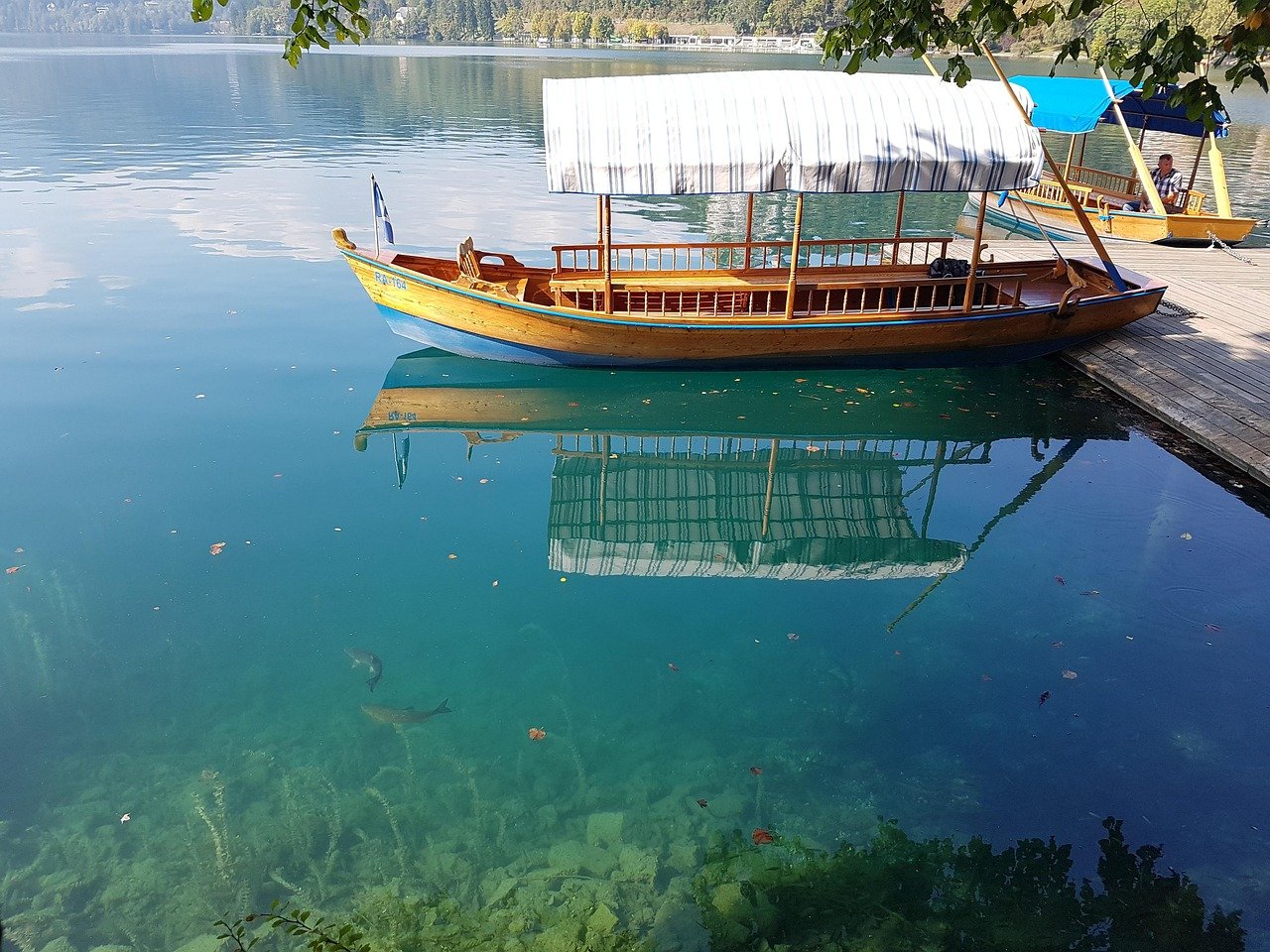
Slovenia measures just 20,273 square kilometers, yet more than half of the country is forest. In Upper Carniola, the traditional northwestern region the locals call Gorenjska, that statistic stops being trivia and becomes scenery. You feel it the moment the road from the airport begins to climb: spruce closing in on both sides, limestone peaks appearing between the trees, and the pale turquoise of Lake Bled opening up below. This is the part of Slovenia where alpine drama and quiet, polished hospitality meet, and it rewards travelers who plan with intention rather than simply booking a room and hoping for the best.
Why Upper Carniola Is Slovenia’s Most Polished Region
Upper Carniola‘s reputation rests on a rare combination: glacier-fed lakes, a national park that covers much of the Julian Alps, and towns that have been hosting visitors for well over a century. Bled was already a fashionable spa destination before mass tourism existed, and that long history shows in the quality of its hotels and restaurants.
The region also happens to be compact. From Bled you can reach Lake Bohinj, the Vršič Pass, Radovljica, and Škofja Loka within roughly an hour’s drive each. That density is what makes a genuinely luxurious trip possible here: you are not spending your holiday in transit. You are spending it looking at water so clear you can count the stones on the bottom.
The luxury on offer is not the gilded, marble-lobby variety. It is the kind that shows up as a private guide who knows which trail is empty at 7 a.m., a tasting menu built entirely from ingredients grown within 30 kilometers, or a hotel that hands you a canoe instead of a minibar list. For travelers who have grown tired of conspicuous consumption, that shift is precisely the appeal. It is the same instinct reshaping the wider luxury conversation, from the way people now talk about the new language of modern luxury to how destinations market themselves to discerning guests.
Bled: The Classic Base, Done Properly

Lake Bled is the region’s signature sight, and the postcard image is accurate: a small island with a church steeple rising from the water, a medieval castle perched on a cliff above, and a backdrop of the Julian Alps. The traditional way to reach the island is by pletna, the wooden rowboat operated by local boatmen. Skip the crowds by going before 9 a.m. or after 5 p.m.
Where Bled separates good trips from great ones is in the accommodation. The lakeside grand hotels deliver the view, but the region’s best stays are often smaller: boutique properties in renovated villas, lakeside rooms with private balconies, and wellness hotels built around thermal water. If you are comparing options across the region, it helps to see how different properties position themselves, and curated roundups such as this guide to luxury resorts for your next getaway give a useful sense of what each style of property actually delivers.
A few practical notes that first-timers consistently get wrong:
- Book the lake-view room, not just the lake-adjacent one. Several hotels sit a short walk from the water and charge nearly the same rate.
- Reserve dinner before you arrive. Bled’s better restaurants fill up in summer, and walk-ins often end up at the tourist-menu places on the main road.
- Treat the cream cake as a ritual, not a snack. Kremšnita, the vanilla-and-custard layer cake, is the region’s edible icon. Eat it once, slowly, at a terrace with a view, and then move on to the serious food.
Lake Bohinj and Triglav National Park
Twenty-six kilometers southwest of Bled, Lake Bohinj is the quieter sibling, and many repeat visitors prefer it. It sits entirely within Triglav National Park, Slovenia’s only national park, named for Mount Triglav, the country’s highest peak at roughly 2,864 meters. The park protects a large share of the Julian Alps in this region, and its rules are enforced, not decorative. (Slovenia.info)
For luxury travelers, Bohinj’s appeal is privacy: fewer crowds, more trailheads, and the Vogel cable car rising to a plateau with views across the lake and the peaks beyond. In winter the same cable car serves skiers.
Inside the park, the practical rules matter more than any itinerary:
- Stay on marked trails. Off-trail walking damages fragile alpine vegetation and is restricted in protected zones.
- Check seasonal access before you drive. Mountain passes and cable cars operate on schedules that change from year to year, so confirm current dates for your travel window rather than trusting an old blog post.
- Park and ride where shuttles are offered. Visitor-management measures have tightened in recent years, and driving to the most popular trailheads in high season is increasingly a losing game.
The broader question of how alpine destinations balance access with preservation is one of the defining debates in travel right now, and it connects to larger conversations about the future of luxury living in places that cannot simply build their way out of demand.
Driving the Vršič Pass and the Julian Alps
The Vršič Pass, at 1,611 meters, is the classic scenic drive linking Kranjska Gora with the Soča Valley. It is a serious mountain road with dozens of hairpin bends, and it closes seasonally with snow. Drivers should check conditions and opening dates each year, because the window shifts.
For a genuinely luxurious alpine day, the formula is simple: start early, drive the pass in one direction only, and build in a long lunch. Kranjska Gora, at the northern end, is the region’s ski hub and a pleasant base in its own right, with a compact center and access to walking trails in every season. The Soča Valley beyond the pass is famous for water of an almost unnatural emerald color.
One mistake worth flagging: treating the pass as a quick detour between two hotels. It is a half-day experience at minimum, and rushing it in a large rental car on a tight schedule is how people end up stressed rather than awed. If you want a driver, hire one. The road rewards attention.
Radovljica, Škofja Loka, and the Region’s Town Life
Upper Carniola is not only lakes and peaks. Radovljica, a short drive from Bled, has a well-preserved old town and a long-running chocolate festival, typically held in April, though dates should be confirmed each year. Škofja Loka claims one of Slovenia’s best-preserved medieval town cores, with a river, a castle, and streets that reward slow wandering.
These towns are where the region’s culinary identity lives. Slovenian food here leans alpine and Central European: freshwater fish, game, buckwheat, mushrooms, and structured pastries. The best restaurants in the region now work in a distinctly modern idiom, sourcing locally and presenting with restraint. That sensibility, quality expressed through material and provenance rather than logos, echoes what is happening in other design-led categories too, from the way watches and brands are being read to how heritage fashion houses are rethinking their own stories, a theme explored in pieces on luxury fashion houses and their legacy.
Where to Stay: Matching the Property to the Trip
Choosing accommodation in Upper Carniola comes down to what kind of holiday you actually want. The table below sets out the main options honestly.
| Base | Best for | Trade-off |
|---|---|---|
| Lake Bled | First visits, lake views, dining, spa | Busiest in July and August |
| Lake Bohinj | Quiet, hiking, national park access | Fewer restaurants and nightlife |
| Kranjska Gora | Skiing, alpine walking, Vršič access | Less dramatic lake scenery |
| Radovljica | Food, old-town atmosphere, value | Not a lakeside setting |
| Škofja Loka | Culture, architecture, proximity to Ljubljana | Limited luxury inventory |
A useful rule: stay at least two nights in any base. Upper Carniola’s charm is cumulative, and one-night stops produce a blur of packing and unpacking. Travelers building a wider Slovenian itinerary often pair the region with Ljubljana and the coast, and destination guides such as this travel collection can help sequence the route sensibly.
Getting There and Getting Around
Ljubljana Jože Pučnik Airport (LJU) is the main international gateway, roughly 30 to 40 minutes from Bled by road, though transfer times vary with traffic. From there, a private transfer is the low-friction choice; rental cars make sense if you plan to explore beyond the lakes, but they become a liability in peak season when parking fills.
Trains connect Ljubljana with Lesce-Bled and Jesenice, and buses serve the main towns. For a luxury trip, though, a driver or a well-chosen rental is usually the better fit, especially if the Vršič Pass is on your list.
When to Go
June and September are the sweet spots: warm enough for swimming, quiet enough to enjoy it. July and August bring the best weather and the largest crowds. Winter transforms the region into a ski destination, with Kranjska Gora as the anchor and a quieter, snow-dusted Bled that many visitors prefer to the summer version.
Conclusion
Upper Carniola succeeds as a luxury destination for an unusual reason: it does not try too hard. The lakes are genuinely that color, the mountains are genuinely that close, and the hospitality is rooted in a century of hosting rather than a recent marketing campaign. Plan around two or three bases, book your dinners and your lake-view rooms in advance, respect the national park’s rules, and leave room in the schedule for a long lunch you did not plan. That is the trip this region rewards.
Frequently Asked Questions
Is Upper Carniola the same as Gorenjska?
Yes. Gorenjska is the Slovenian name for the traditional region known in English as Upper Carniola. It covers the northwestern part of the country, including Bled, Bohinj, Kranjska Gora, Radovljica, and Škofja Loka.
How many days do you need in Upper Carniola?
Four to five nights is a comfortable minimum for a relaxed trip. That allows two nights at Lake Bled, two at Lake Bohinj or Kranjska Gora, and a day for the Vršič Pass or the smaller towns. Shorter visits are possible but feel rushed given the driving distances.
Do you need a car to explore the region?
Not strictly, but a car or private driver makes a significant difference. Bled and Bohinj are reachable by bus and train, but the Vršič Pass, Radovljica, and Škofja Loka are far easier with your own transport. In peak season, consider a driver to avoid parking problems.
What is the best time of year to visit Lake Bled?
June and September offer the best balance of weather and crowd levels. July and August are warmest but busiest, and advance booking for hotels and restaurants becomes essential. Winter is quieter and suits travelers interested in skiing or a snowy lakeside atmosphere.
Is Triglav National Park accessible for casual visitors?
Yes. Many of the park’s most rewarding areas are reachable by road, cable car, or short walks, including around Lake Bohinj and the Vogel plateau. Visitors should stay on marked trails, check seasonal schedules for cable cars and passes, and use official shuttles where they are offered.
What should travelers know about sustainability rules in the region?
Visitor-management measures have tightened in recent years around Bled and within Triglav National Park, particularly regarding parking and trail access. Rules change, so confirm current requirements with official park and municipal sources before traveling rather than relying on older guides.
One final piece of advice: book with the season in mind, not just the calendar. May and October can bring sudden snow to the passes, so confirm road and cable-car status a day or two ahead, and keep a flexible plan for the afternoon you lose to weather. Pack layers, good walking shoes, and a swimsuit regardless of month. Above all, slow down. Upper Carniola rewards travelers who linger over coffee, take the long way around the lake, and let the mountains set the pace. Arrive curious, leave rested, and you will understand why so many visitors return.