
Cute Cars: Why Small, Friendly Design Wins Hearts
 Abdul WadoodLast updated
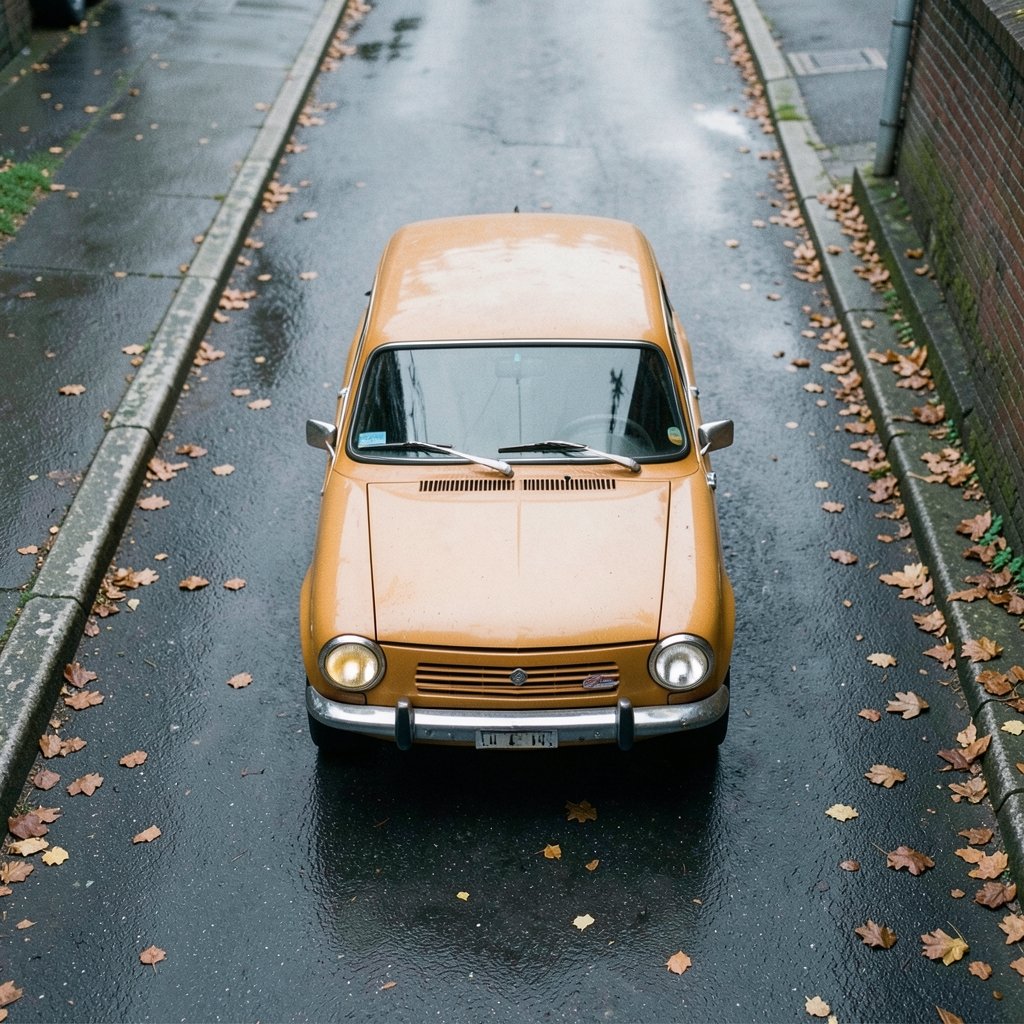
In 1959, a tiny car with a boxy body and wheels pushed to its four corners went on sale in Britain. It was called the Mini, and it changed how the world thought about small cars. More than six decades later, that same basic shape still shows up in design conversations, museum exhibits, and the daydreams of drivers who want a car that makes them smile. That is the strange power of cute cars: they win hearts without winning drag races.
The appeal is easy to feel but hard to define. Ask ten people what makes a car cute and you will get ten answers. Some point to round headlights. Some point to a cheerful color palette. Some point to sheer size, arguing that anything small enough to park in a shoebox automatically qualifies. The truth sits somewhere in the middle, and it is worth unpacking, because the “cute car” category shapes real buying decisions, real design trends, and a surprisingly large collector market.
What Actually Makes a Car “Cute”?
There is no official definition of a cute car. No regulator issues a certificate, and no standards body publishes a checklist. That is not a cop-out; it is genuinely how the category works. Design historians and automotive journalists tend to agree on a loose cluster of traits, but they disagree on where the boundaries fall.
Most definitions lean on a few overlapping features:
- Rounded forms. Curves read as soft and approachable. Sharp creases read as aggressive or fast. A car built from arcs and bubbles tends to feel friendlier than one built from wedges.
- Large eyes. Headlights are the face of a car. Big, round lamps set wide apart trigger the same instinct that makes people coo at animals. Designers know this and use it deliberately.
- Compact proportions. Small cars feel less threatening. They take up less space, cost less to run, and seem more manageable to a nervous driver.
- Bright, playful color. Pastels, two-tone paint, and cheerful yellows do a lot of emotional work that a dark metallic gray simply cannot.
- A friendly stance. A car that looks like it is leaning forward slightly, eager and alert, reads as charming rather than menacing.
The tricky part is that these traits conflict with other goals. Aerodynamics wants smooth wedges. Safety engineering wants mass and height. Marketing often wants toughness. Cute cars are, in a sense, a design choice to prioritize delight over intimidation. That trade-off is exactly why they stand out on a road full of look-alike crossovers. (Vehicle Safety)
It is also why the category is so subjective. One driver’s adorable city runabout is another driver’s toy. The label says as much about the viewer as it does about the vehicle.
The Original Icons That Defined the Look
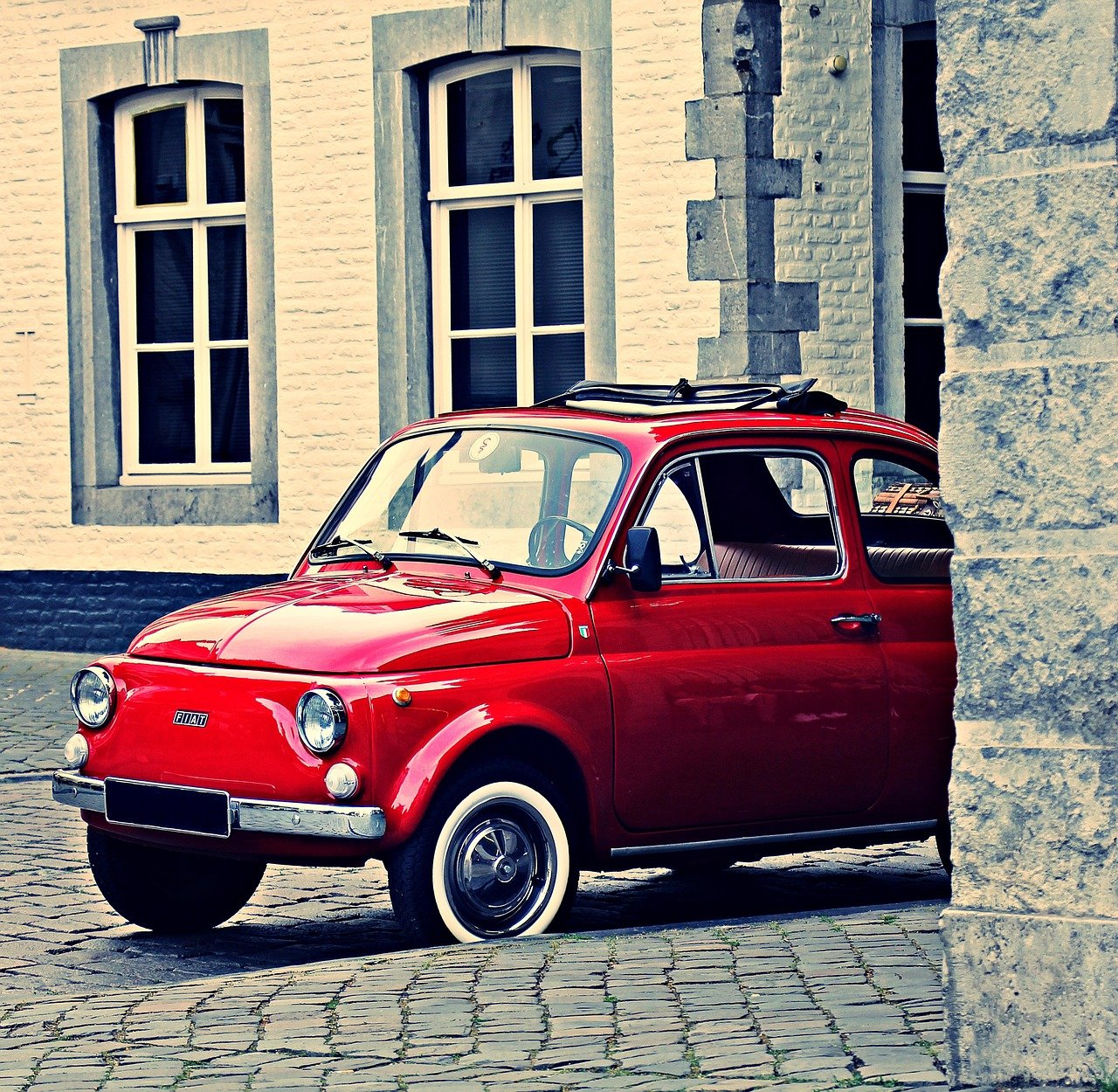
A handful of cars did most of the early work in establishing what a cute car looks like. The original Mini, launched in 1959 and designed by Alec Issigonis, is the classic anchor example. Its genius was packaging: a small footprint with a surprisingly roomy interior, achieved by pushing the wheels out to the corners and mounting the engine sideways. The result looked like nothing else on the road, and it still reads as charming today.
The original Fiat 500, which arrived in 1957, took a different route to the same destination. Where the Mini was clever engineering, the 500 was almost aggressively adorable: tiny, rounded, and unmistakably Italian. It became a symbol of postwar mobility and, decades later, a style statement. The Volkswagen Beetle belongs in the same conversation. Its curved body and bug-like face made it one of the most recognizable shapes in automotive history, and its long production run kept the “friendly small car” idea alive across generations.
What these three share is instructive. None of them was designed to be cute in a marketing sense. They were designed to be cheap, practical, and easy to build. The cuteness was a byproduct of solving a hard engineering problem with limited resources. That accidental charm is often more convincing than charm that is engineered on purpose, which is a lesson modern designers keep rediscovering.
Japan’s Kei Cars: When Regulation Creates Cuteness
No discussion of cute cars is complete without Japan’s Kei car class, and no discussion of Kei cars is complete without a warning: this is a regulatory category, not an aesthetic one. Conflating the two is the single most common mistake people make.
Kei cars exist because Japanese regulations cap their physical size and engine displacement, which grants owners tax and insurance advantages and, in many areas, easier parking. The exact limits have changed over the decades and are set by government transport authorities, so anyone quoting specific numbers should check the current official rules rather than trusting a blog post. What matters here is the design consequence: when you must fit a car into a strict box, you end up with tall, narrow, space-efficient vehicles with short hoods and upright cabins.
That forced packaging produces cars that look, almost by accident, like cartoon characters. The Honda N-Box, the Suzuki Hustler, and the Daihatsu Move all share a cheerful, boxy, big-eyed look that has become a recognizable visual language. Japanese pop culture’s affection for all things kawaii (cute) reinforced the trend, and manufacturers leaned into it with playful colors and friendly front-end styling.
The lesson is subtle but important. Sometimes the cutest cars are not designed by stylists chasing charm. They are designed by engineers obeying rules, and charm emerges from the constraint. Anyone comparing small cars should keep that distinction in mind, because a car can be small and practical without being cute, and cute without being small.
Modern Cute Cars Worth Knowing
The modern market has plenty of cars that carry the torch. They range from purpose-built city cars to retro-styled hatchbacks that wear their heritage on their sleeve.
| Model | Why It Reads as Cute | Best For |
|---|---|---|
| Fiat 500 (modern) | Retro bubble shape, round lamps, endless color options | Style-focused city driving |
| Mini Cooper | Heritage styling, go-kart handling, playful detailing | Drivers who want fun in a small package |
| Honda e | Smooth, almost toy-like body with a friendly face | Tech lovers in urban settings |
| Suzuki Ignis | Chunky stance, upright cabin, cheerful trim options | Budget-conscious buyers wanting character |
| Kia Picanto | Compact proportions, bright color palette | First-time and city buyers |
A few practical notes from watching how these cars get bought and used. First, retro-styled models often cost more than their size suggests, because you are paying for design and badge heritage, not metal alone. Second, the cutest color on the configurator is rarely the easiest to resell; bold yellows and pastels can narrow your buyer pool later. Third, tiny cars with big wheels and stiff suspension can ride harshly on rough roads, so a test drive over bad pavement matters more than a showroom walkaround.
For buyers weighing character against practicality, browsing car reviews and comparisons before committing is a sensible first step. The gap between how a car looks in photos and how it feels on a daily commute is often wider than expected.
Why Cute Cars Sell Better Than They Should
On paper, cute cars should lose. They are often slower, smaller, and less practical than the alternatives. Yet they keep finding buyers, and the reason is emotional rather than rational.
A car is one of the few products people interact with daily and display publicly. It signals identity. A cute car signals approachability, playfulness, and a refusal to take the school run too seriously. That signal is worth real money. The original Mini became a cultural icon far beyond its engineering merits, appearing in films and becoming a symbol of 1960s London. The modern Mini and Fiat 500 have built entire brand strategies on nostalgia for that era.
There is also a practical dimension that gets overlooked. Small cars are easier to park, cheaper to insure in many markets, and less stressful in dense traffic. The emotional and the practical pull in the same direction, which is rare in car buying. That combination explains why the segment persists even as buyers elsewhere migrate toward ever-larger SUVs.
The design world has noticed. As the cars built around experience show, manufacturers increasingly treat the feeling of a car as a core product feature rather than a nice-to-have. Cute cars were early proof that this works.
Common Mistakes Buyers Make With Cute Cars
First-hand observation of how these purchases go wrong suggests a few recurring patterns.
- Buying on looks alone. A charming face does not guarantee a comfortable seat, a usable back row, or a boot that fits a weekly shop. Sit in the car, adjust everything, and bring your actual luggage.
- Assuming small means cheap to run. Tiny engines can be economical, but retro-styled premium models often carry premium servicing costs and expensive tires.
- Ignoring the ride. Short wheelbases transmit bumps. Test on the roads you actually drive, not the smooth loop around the dealership.
- Overlooking safety equipment differences. Small cars vary widely in standard driver-assistance features. Check what is included rather than assumed.
- Confusing regulatory classes with style. A Kei car is defined by size and engine rules; a “cute car” is defined by how it looks and feels. They overlap, but they are not the same thing.
- Skipping the resale question. Unusual colors and highly personal styling can be wonderful to own and hard to sell. If you change cars often, factor that in.
None of these is a reason to avoid the category. They are simply the details that separate a happy purchase from a regretful one. A broader set of car guides and comparisons can help frame those trade-offs before you sign anything.
The Future of Cute: Electric and Unapologetically Friendly
Electric powertrains are quietly reshaping the cute car. Without a big engine up front, designers gain freedom: short hoods, flat floors, and more interior space within the same footprint. That is precisely the packaging trick that made the original Mini and the Fiat 500 so clever, now available at a much larger scale.
The result is a wave of small electric cars that look like friendly appliances rather than machines. Smooth surfaces, minimal grilles, and soft lighting signatures all push in the same direction. Whether this becomes the dominant aesthetic or a passing phase is genuinely uncertain. What is clear is that the emotional logic of cute cars, which rewards approachability over aggression, fits the electric era better than it ever fit the era of big engines.
There is a counter-current too. Safety regulations and buyer preferences for taller vehicles keep pushing designs upward and outward, and large cars are hard to make cute. The category will likely survive as a niche with outsized cultural influence rather than as a mass-market default. That has been its pattern for sixty years.
Conclusion
Cute cars are not a marketing gimmick or a passing trend. They are a design tradition with real roots: the original Mini’s packaging genius, the Fiat 500’s cheerful minimalism, the Beetle’s friendly curves, and Japan’s regulation-driven Kei cars that turned constraint into charm. The category resists a clean definition because it lives in the eye of the beholder, and that is fine. What unites these vehicles is a deliberate choice to prioritize delight over intimidation, practicality over posturing.
For buyers, the takeaway is straightforward. Look past the adorable face, test the ride, check the running costs, and confirm what safety kit you are actually getting. Do that, and a cute car can be one of the most satisfying purchases on the market. Skip it, and you may end up with a charming mistake. The best cute cars earn their smiles twice: once when you see them, and again every morning when they start.
Frequently Asked Questions
What is the cutest car ever made?
There is no objective answer, but the original Mini, the original Fiat 500, and the Volkswagen Beetle appear on nearly every list. All three combine rounded shapes, compact proportions, and a friendly face. Modern contenders include the Fiat 500 and the Honda e.
Are Kei cars the same as cute cars?
No. Kei cars are a Japanese regulatory class defined by maximum size and engine displacement, which brings tax and parking benefits. Many Kei cars happen to look cute because tight packaging forces tall, rounded, space-efficient shapes, but the two categories are not the same.
Are cute cars safe?
Small size does not automatically mean poor safety. Modern small cars often include strong crash structures and standard driver-assistance features. The key is checking the specific model’s equipment list and independent crash-test results rather than assuming anything based on appearance.
Why are small cars often designed to look cute?
Because cuteness sells. Rounded shapes, large round headlights, and bright colors trigger a friendly, approachable response in buyers. Designers use these cues deliberately, especially in segments where the car needs to stand out on emotion rather than performance.
Do cute cars hold their value?
It varies widely. Heritage models like the Mini and Fiat 500 tend to hold value reasonably well thanks to strong brand appeal and nostalgia. Unusual colors and highly personal styling can hurt resale, so check the used market for your exact model and trim before buying.
Is a cute car practical for daily driving?
Often, yes. Small cars are typically easier to park, cheaper to insure in many markets, and less stressful in city traffic. The main compromises are rear-seat space, boot capacity, and ride comfort on rough roads, all of which a proper test drive will reveal.