
Used Cars Near Me Under $10,000: Smart Buying Guide 2026
 Abdul WadoodLast updated
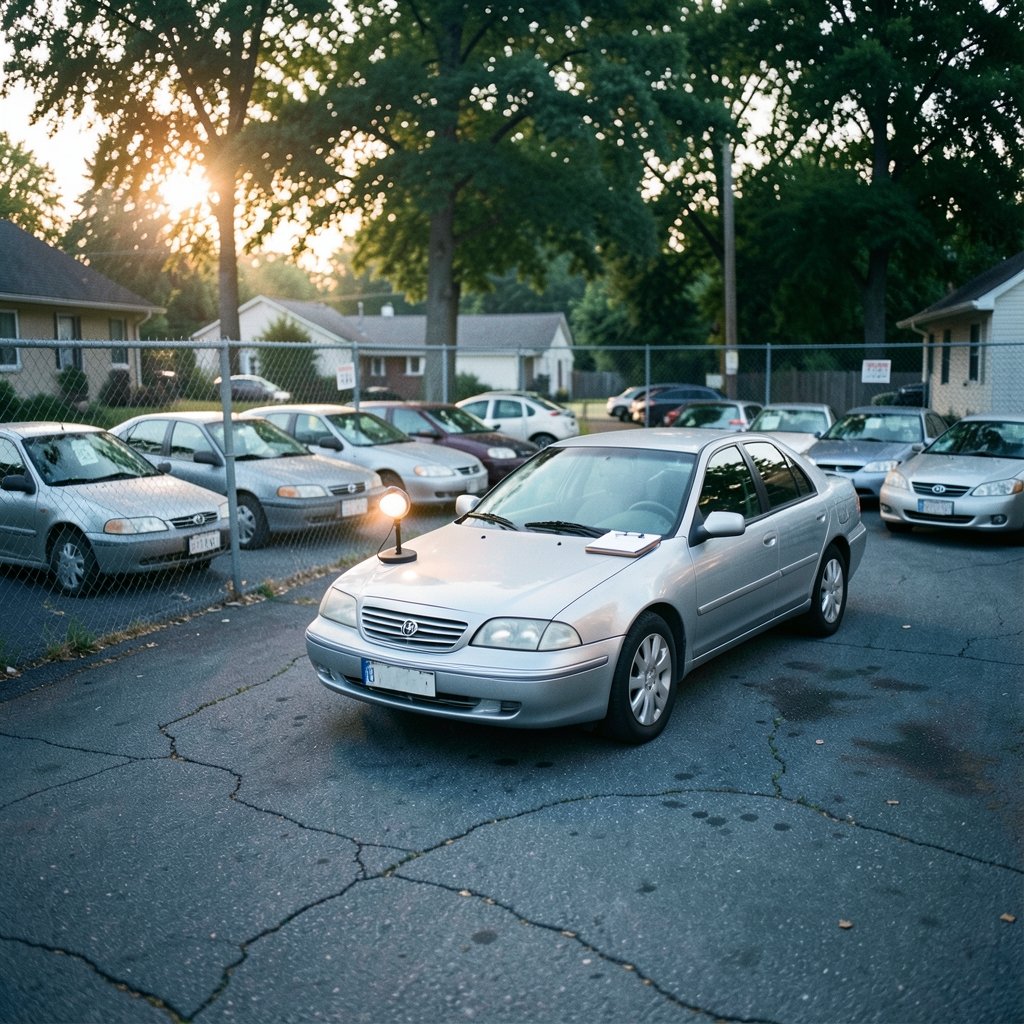
Here’s a number that surprises most shoppers: the average new car in the United States now sells for well over $45,000, and the average used car isn’t far behind at roughly half that. For anyone typing “used cars near me under $10,000″ into a search bar, that gap matters. A five-figure ceiling doesn’t buy glamour anymore. It buys strategy, patience, and a sharper eye than most buyers bring to the lot.
The good news is that the sub-$10,000 market still exists, and it’s full of honest, serviceable vehicles. The catch is that this price bracket punishes lazy shopping harder than any other. Below $10,000, condition matters more than badge, maintenance records beat mileage alone, and a pre-purchase inspection can save you thousands. This guide walks through what’s actually realistic, where to look, and the mistakes that quietly cost people money.
What $10,000 Actually Buys in 2026
Set expectations first, because the biggest source of disappointment is a mismatch between budget and reality. In practical terms, a $10,000 ceiling typically lands you in one of a few buckets:
| Bucket | Typical Profile | Trade-Off |
|---|---|---|
| Older compact or midsize sedan | 8–14 years old, 90,000–150,000 miles | Cheap to run, fewer safety tech features |
| Compact hatchback | 7–12 years old, 80,000–130,000 miles | Practical, strong fuel economy |
| Small crossover SUV | 10–15 years old, higher miles | Space and ride height, higher repair risk |
| Older full-size sedan | 10–15 years old | Comfort and space, thirstier at the pump |
What you generally won’t find below $10,000 is a low-mileage late-model anything. If a listing claims otherwise, treat it as a red flag until proven wrong. According to the Federal Trade Commission’s guidance on buying a used car, dealers must post a Buyers Guide window form on most used vehicles, and that form tells you whether the car comes with a warranty or is sold “as is.” Read it before you fall in love with anything.
Where to Search for Used Cars Under $10,000

The phrase “near me” does a lot of work here. Most buyers default to one or two big listing sites and stop there. A smarter search spreads across several channels:
- Major online marketplaces with price filters set to your hard ceiling, not a soft one.
- Local dealer inventories, especially independent lots that specialize in older, well-maintained trade-ins.
- Private sellers, where prices are often lower but protections are thinner.
- Estate and relocation sales, which occasionally surface genuinely cared-for cars.
- Word of mouth, still the most underrated channel in this bracket.
A disciplined local search rewards the same habits across any errand: filter by what actually matters, check reviews, and ignore listings that dodge basic questions.
One practical tip: widen your radius by 50 miles. In this price bracket, inventory is thin, and the right car is often one town over. A two-hour drive to inspect a well-documented vehicle beats settling for a questionable one ten minutes away.
The Inspection Checklist That Saves Thousands
A pre-purchase inspection by an independent mechanic costs roughly $100 to $200 and is the single best money you’ll spend in this process. Never let a seller talk you out of it. If they refuse, walk away; that refusal is information.
Before you even get to the mechanic, run your own walkaround:
- Tires: Check all four for matching brands and even wear. Mismatched tires hint at skipped maintenance.
- Fluids: Oil should be amber, not black sludge. Transmission fluid should be pink-red, not brown.
- Warning lights: Turn the key to accessory mode and confirm every dashboard light illuminates, then goes off after start. A missing bulb can hide a problem.
- Panel gaps and paint: Uneven gaps or mismatched paint suggest past collision repair.
- Underneath: Look for fresh oil drips, rust perforation on the frame, and crimped wiring from amateur repairs.
- Records: Ask for service history. A folder of receipts is worth more than a shiny exterior.
The National Highway Traffic Safety Administration maintains a free VIN lookup tool for safety recalls. Run every candidate’s VIN before purchase. An open recall does not have to end the deal, but it is a point to negotiate and a task to complete. Fuel economy estimates for any specific year and model are also published on the official EPA fuel economy site, which helps you compare running costs using published figures rather than guesses.
Red Flags and Common Mistakes Buyers Make
Most bad sub-$10,000 purchases share the same fingerprints. Watch for these:
The too-good price. A car listed 30% below market usually has a story: salvage title, odometer rollback, or a mechanical issue the seller knows about. Ask why the price is low and listen carefully.
The rushed sale. “I have three other buyers coming today” is a pressure tactic. A genuinely good car will survive a 24-hour cooling-off period.
Skipping the title check. A clean title matters as much as a clean engine. A salvage or rebuilt title slashes resale value and can complicate insurance. Verify the title matches the seller’s name before money changes hands.
Financing on a cheap car. Here’s a trap many people miss: interest rates on small used-car loans are often higher than on new cars, and short terms mean payments stay steep. A $9,000 car financed over 36 months at a high APR can cost well over $10,500 total. Paying cash, or saving until you can, usually wins. The Federal Reserve’s consumer credit data tracks how auto lending terms and rates move, and it’s worth a look before signing anything.
Ignoring insurance and tax. Budget for registration, sales tax, and insurance before you commit. A cheap car with expensive insurance isn’t cheap.
Buying on emotion. The single most expensive mistake in this bracket. Fall in love after the inspection, not before.
Matching the Car to Your Actual Life
A sub-$10,000 budget forces trade-offs, so decide which ones you can live with before you shop. What a car feels like to live with day to day often matters more than its spec sheet, and that’s especially true when you’re buying older metal.
Ask yourself three questions:
- How many miles do I drive weekly? High-mileage commuters should prioritize fuel economy and cheap parts over comfort.
- Do I need cargo space or passenger space? A hatchback often beats a small SUV on both cost and practicality.
- Can I handle minor repairs? Older cars need attention. If you can’t DIY, factor in a repair fund of at least $1,000.
For buyers who are also weighing practical everyday errands alongside the car search, the same logic of matching a service to a real need applies across the board: know what you need, check the reviews, and don’t overpay for convenience.
Manual vs. Automatic, Sedan vs. SUV
In this bracket, manual transmissions are often cheaper to buy and repair, and they’re harder to abuse. Sedans generally cost less than SUVs of the same age and mileage, and they’re usually cheaper to insure and fuel. If you don’t genuinely need ground clearance or all-wheel drive, a sedan is the value play.
Negotiating and Closing the Deal
Once the inspection comes back clean, negotiate with facts, not feelings. Use the inspection findings, comparable listings, and any needed repairs as points in the negotiation. A seller asking $9,800 with worn tires and a timing belt due for replacement is really asking closer to $11,000 after those repairs, so say so. (Voozon Cars)
When you close:
- Get everything in writing, including the final price, any warranty terms, and the odometer reading.
- Pay securely. Avoid wire transfers to strangers; use a bank check or a verified payment method.
- Transfer the title immediately at your state’s motor vehicle office and keep copies of every document.
- Insure the car before you drive it home. Most policies require active coverage at the moment of purchase.
Private-party sales usually come “as is,” which means the inspection is your only protection. Dealer sales may include a limited warranty, so read the terms closely and don’t assume “certified” means much on a car this old.
Conclusion
Shopping for used cars near you under $10,000 is entirely doable in 2026, provided you treat it like a research project rather than a treasure hunt. Expect an older vehicle with real mileage, insist on a pre-purchase inspection, verify the title and recall status, and budget for the costs beyond the sticker price. The buyers who do well in this bracket aren’t the ones who find the flashiest listing. They’re the ones who ask the boring questions, walk away from pressure, and keep a repair fund ready. Do that, and a five-figure budget can still buy years of dependable driving.
FAQ
What mileage is too high for a used car under $10,000?
There’s no universal cutoff, but context matters more than the number. A well-maintained car with 130,000 highway miles and full service records is often a better buy than a neglected one with 80,000 miles. Focus on maintenance history, inspection results, and whether major services like the timing belt have been done.
Is it better to buy from a dealer or a private seller under $10,000?
Both have trade-offs. Dealers usually offer more paperwork, possible limited warranties, and the Buyers Guide disclosure, but charge more. Private sellers tend to be cheaper but sell “as is” with little recourse. Whichever route you choose, an independent inspection is non-negotiable.
How much should I budget beyond the purchase price?
Plan for roughly 10% to 20% of the purchase price in extra costs: sales tax, registration, insurance, and an immediate maintenance baseline such as an oil change, new tires, or brake work. Setting aside a $1,000 repair fund is a sensible cushion for any older vehicle. (The cars built around experience)
Can I finance a car under $10,000?
Yes, but be careful. Lenders often charge higher rates on smaller, older-car loans, and short terms keep payments high. Run the total cost of credit before signing, and compare it against paying cash or saving for a few more months. Sometimes waiting beats borrowing. (Auto loans)
How do I check if a used car has open recalls?
Use the free VIN lookup tool on the National Highway Traffic Safety Administration website. Enter the vehicle identification number and it will show any open safety recalls. A dealer can perform recall repairs at no cost, so an open recall is a task to complete, not necessarily a reason to walk away.
What is the biggest mistake buyers make in this price range?
Skipping the pre-purchase inspection. It’s the cheapest insurance you can buy. A $150 inspection regularly uncovers issues worth thousands, and a seller who refuses to allow one is telling you something important. Walk away and keep looking.
Finally, keep a simple spreadsheet of every car you view: asking price, mileage, inspection findings, and estimated repair costs. Comparing three or four candidates side by side strips away the emotion that clouds judgment and makes the best value obvious. Patience is your biggest asset in this bracket, so plan to spend two to four weeks searching before you commit. The right car is out there; you just have to outlast the bad ones.