
Used Cars for Sale Under $5000: Buy Smart in 2026
 Abdul WadoodLast updated
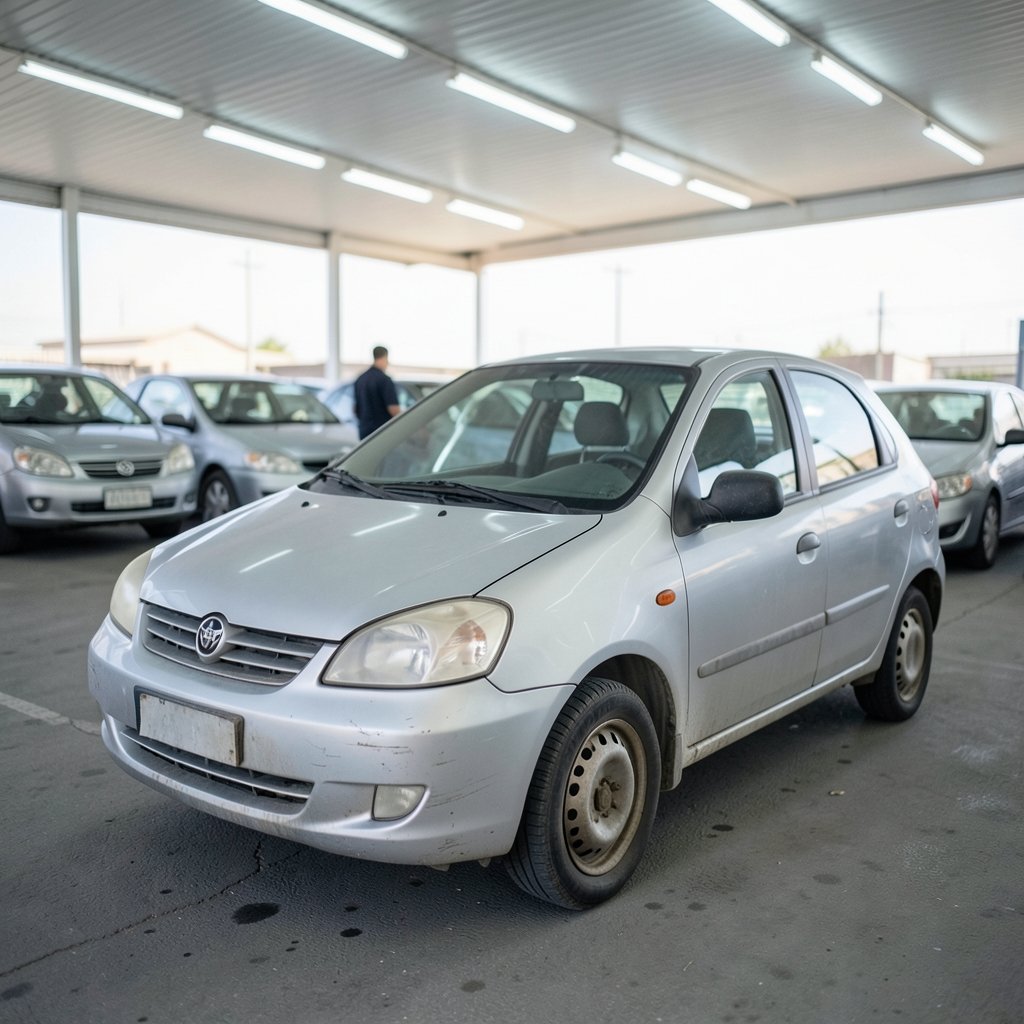
A $5,000 budget puts a buyer in one of the thinnest, most misunderstood corners of the used-car market. It is not a wasteland, but it is a place where the difference between a solid commuter and a money pit comes down to paperwork and patience. The buyers who do well at this price point are rarely the ones who found the cleanest paint job. They are the ones who checked the title, read the fine print, and walked away from the first three cars they liked.
Why the Sub-$5,000 Market Looks the Way It Does
Used-car prices climbed sharply during 2021 and 2022 and then cooled through 2023 and 2024, but the bottom of the market never fully recovered. Cars that once sold for $3,000 now often list closer to $5,000, and the inventory at that price skews old and high-mileage. Most listings in this band involve vehicles that are ten or more years old, have well over 150,000 miles, carry a branded title, or are being sold privately rather than by a licensed dealer.
That has a practical consequence: at $5,000, condition and history matter more than the badge on the hood. A well-documented 2009 sedan with 160,000 miles can be a better buy than a cosmetically perfect 2012 model with a rebuilt title and no service records. Buyers who understand this shift their shopping strategy from “find the nicest car” to “find the most honest car.”
What $5,000 Realistically Buys
The table below shows the typical trade-offs at this price point. It is a general picture, not a guarantee, because regional markets vary enormously.
| Category | What Buyers Usually Find | Main Risk |
|---|---|---|
| Compact sedans (Civic, Corolla, Sentra, Focus) | 10–15 years old, 130k–180k miles, minor cosmetic wear | Deferred maintenance, timing belt/chain service |
| Mid-size sedans (Camry, Accord, Malibu, Fusion) | 12–18 years old, 150k–200k miles, often private-party | Transmission wear, rust in cold climates |
| Small hatchbacks and wagons | Fewer listings, strong demand, prices pushed up | Overpaying for a popular model |
| Older SUVs and pickups | High miles, poor fuel economy, sometimes rough bodies | Frame rust, expensive drivetrain repairs |
| Branded-title cars (salvage, rebuilt, flood) | Clean-looking, priced well below market | Insurance difficulty, resale value, hidden damage |
| Project and parts cars | Non-running or barely running | Total cost far exceeds purchase price |
A useful rule of thumb: budget roughly $500 to $1,000 beyond the purchase price for immediate needs. Tires, brakes, a battery, fluids, and a first service visit routinely eat that much on a car in this range, and skipping them is how a $4,800 car becomes a $7,000 car within six months. (Used car)
Check the Title Before You Check the Paint
Title branding is the single most important filter at this price point. Salvage, rebuilt, flood, and lemon brands all appear regularly in cheap inventory, and each one changes what the car is worth and whether you can insure it normally. A rebuilt title can be a legitimate bargain if the repair work was done well, but it also means the car will be hard to resell and some insurers will refuse full coverage.
The standard verification step is a title-history check through the national vehicle title information system, which aggregates state title data and insurance total-loss records. Pair that with a VIN-based recall lookup on the National Highway Traffic Safety Administration’s site to see whether open safety recalls exist. A seller who resists giving you the VIN, or who claims the title is “in the mail,” is telling you something useful.
Paperwork Red Flags
- The seller’s name is not on the title.
- The title is a photocopy or a duplicate with no explanation.
- The odometer reading on the title does not match the dash.
- The car is being sold “for a friend” with no power of attorney.
- The price is far below every comparable listing nearby.
That last point deserves emphasis. A car priced 40 percent under market is not a lucky break; it is usually a flood car, a curbstoned vehicle (an unlicensed dealer posing as a private owner), or bait for an upfront-fee scam. State attorneys general and the Federal Trade Commission regularly flag wire-transfer and “shipping deposit” schemes, and they almost always start with a deal that looks too good.
Buying From a Dealer vs. a Private Seller
Dealers must display a Buyers Guide window form under the FTC’s Used Car Rule, and that form states whether the car comes with a warranty or is sold “as-is.” Read it before you discuss price. “As-is” means the dealer owes you nothing after the sale if something breaks, which is legal but worth knowing in advance.
Private sellers offer no such form and generally no warranty at all. What they can offer is history: receipts, service records, and a story that holds together. In practice, the private-party route often produces the better car at this price, provided you do the inspection and paperwork properly. The dealer route offers more legal structure and, occasionally, a limited powertrain warranty on an older trade-in.
Whichever path you take, expect state lemon laws to offer little or no protection on a used car of this age. Those laws generally cover new vehicles or used cars still under a manufacturer warranty. At $5,000, you are your own warranty.
The Pre-Purchase Inspection Is Not Optional
A pre-purchase inspection by an independent mechanic typically costs $100 to $200. On a $5,000 car, that is 2 to 4 percent of the purchase price, and it is the best money in the entire transaction. Ask for a compression test on older engines, a transmission fluid check, a look at the frame and subframe for rust, and a scan for stored diagnostic codes that a seller may have recently cleared.
Common mistakes buyers make at this stage:
- Skipping the cold start. Arrive early and insist the engine is cold when you start it. A car that has been warmed up before you arrive may be hiding a rough idle or a starting problem.
- Test-driving only on smooth roads. Take it on a highway ramp and over broken pavement. Listen for clunks, whines, and vibration.
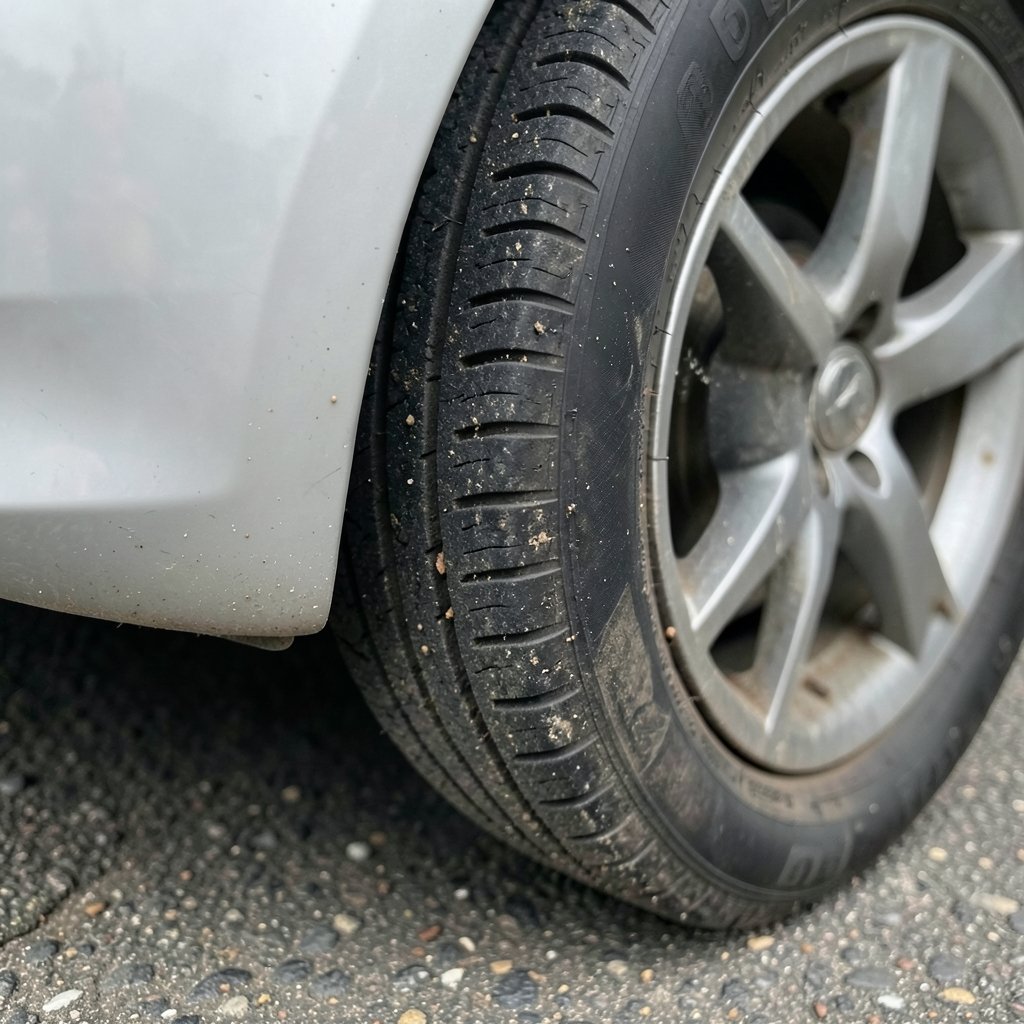
- Ignoring the tires. Four new tires cost $400 to $800. Check the date codes on the sidewalls; tires older than six years should be replaced regardless of tread.
- Falling for a fresh detail. A steam-cleaned engine bay can hide oil leaks. Look underneath after the test drive.
- Paying a deposit before the inspection. Never send money to hold a car you have not seen.
For buyers who want to compare models before committing, resources like Voozon Cars — Reviews, Comparisons & Car Guides can help narrow the field to cars with strong reliability records in the years that fit a $5,000 budget. It also helps to read up on the cars built around experience, because a car that was designed to be pleasant to live with often ages better than one built to a spec sheet. (Voozon Cars)
Where to Actually Find These Cars
The best inventory rarely sits on the front row of a lot. Dealers wholesale older trade-ins, and those cars surface at public auctions, smaller independent lots, and private listings. Estate sales, fleet retirement sales, and cars advertised in local classifieds often produce the most honest examples, because the seller has records and no incentive to hide a branded title.
Timing matters too. Listings cluster at the end of the month and around tax season, and prices soften in late autumn when convertibles and rear-wheel-drive cars lose their seasonal appeal. A patient buyer who sets alerts and checks daily for two to three weeks will usually see a better car than one who buys the first acceptable option in a weekend.
It also pays to widen the search radius by 50 to 100 miles. Sub-$5,000 inventory is thin in dense urban markets where demand is highest, and the same car may be listed several hundred dollars cheaper two hours away. Factor in the cost of a trip and a second inspection before you decide the drive is not worth it.
Financing, Insurance, and the True Cost of Ownership
Financing a $5,000 car is usually a bad deal. Most lenders will not write a traditional auto loan that small, and the ones that do tend to charge high rates or attach fees that erase the benefit. Paying cash, or saving for a few more months, is almost always cheaper. (Auto loans)
Insurance is the other quiet cost. Older cars are cheap to insure for liability, but comprehensive and collision coverage may not be worth the premium on a car worth $4,000. Get quotes before you buy, and confirm the insurer will cover a rebuilt-title vehicle if that is what you are considering. Some will, some will not, and finding out after the purchase is an unpleasant surprise.
Then there is fuel and maintenance. A 15-year-old mid-size sedan might return 22 to 26 mpg combined, while a comparable compact can do better. Over 12,000 miles a year, that difference is real money. EPA fuel economy figures by model year are published and easy to look up, and they are worth checking before you fall in love with an inexpensive older SUV.
A Practical Buying Checklist
- Verify the VIN, title brand, and odometer before anything else.
- Run a recall check and a title-history report.
- Insist on a cold start and a mixed-road test drive.
- Pay for an independent pre-purchase inspection.
- Get an insurance quote on the specific VIN.
- Confirm the seller’s identity matches the title.
- Complete the sale at a DMV or tag agency, with the title signed in front of you.
- Keep every receipt, including the bill of sale.
That last item matters more than people expect. A folder of records is what turns a $5,000 car into a $5,000 car that someone else will actually want to buy in three years. Buyers who document their ownership consistently get more at resale than those who do not, and the habit costs nothing.
Conclusion
Shopping for used cars under $5,000 rewards a specific kind of discipline: verify the title, inspect the car cold, budget for immediate repairs, and walk away from anything that feels rushed. The market at this price is thin and imperfect, but it is not a trap. The buyers who succeed treat the purchase as a small research project rather than an emotional decision, and they accept that the best car in their budget may be older, plainer, and less exciting than the one they imagined. Start with the paperwork, end with the mechanic’s report, and let the price follow the evidence rather than the other way around.
Frequently Asked Questions
What is the best type of car to buy for under $5,000?
Compact and mid-size sedans from mainstream brands with strong reliability records tend to be the safest bet. They are cheap to maintain, parts are widely available, and a well-documented example with high miles is often a better purchase than a newer car with a branded title.
Is it safe to buy a car with a rebuilt or salvage title?
It can be, but only with caution. A rebuilt title means the car was declared a total loss and later repaired. Have it inspected thoroughly, confirm your insurer will cover it, and expect lower resale value. Flood-branded cars are usually best avoided entirely.
How many miles is too many on a $5,000 car?
There is no fixed number. A well-maintained car with 180,000 highway miles can outlast a neglected one with 110,000. Focus on service records, the pre-purchase inspection, and whether major maintenance like timing belts and transmissions has been addressed.
Should I buy from a dealer or a private seller?
Private sellers often provide better records and a lower price, while dealers provide a Buyers Guide form and more legal structure. Neither eliminates risk. In both cases, the inspection and title check matter more than the seller type.
What fees should I expect beyond the purchase price?
Budget for sales tax, title and registration fees, an inspection, and immediate maintenance such as tires, brakes, and fluids. A realistic cushion is $500 to $1,000 on top of the purchase price, and more if the car needs tires right away.
How can I avoid scams when buying a cheap used car?
Never send money before seeing the car and the title in person. Be wary of shipping deposits, escrow services suggested by the seller, and prices far below market. Confirm the seller’s identity matches the name on the title, and complete the transaction at a DMV or tag agency.