
Best Sports Cars: Choose by Criteria, Not Hype
 Abdul WadoodLast updated
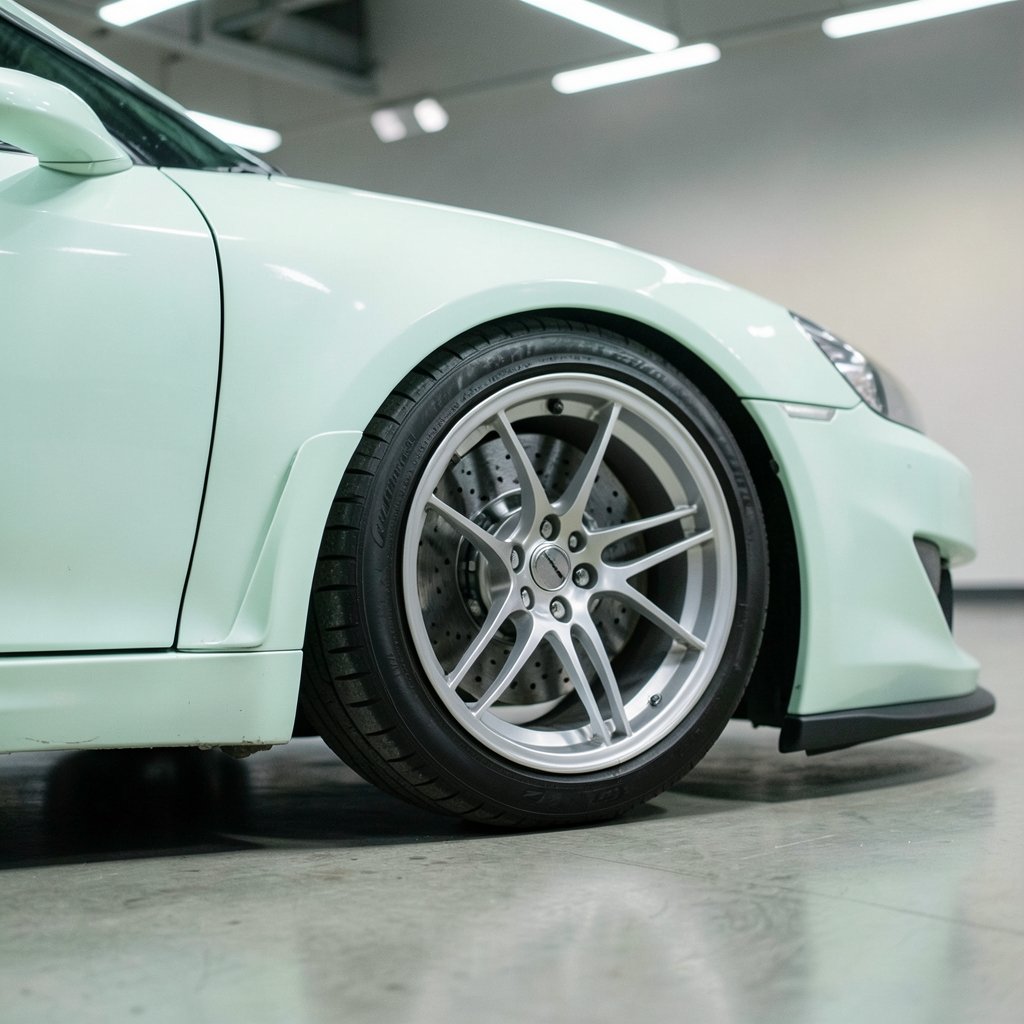
Few numbers in the car world get thrown around as casually as acceleration figures. A modern performance coupe can now hit 60 mph in under four seconds, a benchmark that belonged to exotic machinery a generation ago. That shift matters, because it means the label sports car covers a wider and messier range of vehicles than ever. Picking the “best” one without defining what you actually want is how people end up with a car that impresses on paper and frustrates in a parking garage.
This guide takes a different route. Instead of crowning a single winner, it breaks the category into the buyer types that actually exist, explains the trade-offs behind each one, and shows where marketing claims and real-world behavior tend to diverge.
What Actually Counts as a Sports Car?
There is no single official definition, and that is the first thing to understand. Sources variously require two seats, a low center of gravity, rear-wheel or mid-engine layout, a focus on handling over outright power, or some combination of all of the above. Some definitions exclude four-door models entirely; others welcome them if the chassis is stiff enough and the weight is low enough.
That ambiguity is not a technicality. It shapes every comparison you will read. A lightweight roadster and a 600-horsepower grand tourer can both be called sports cars, yet they serve completely different purposes. The Wikipedia entry on sports cars notes that the term has shifted repeatedly since the early 20th century, absorbing roadsters, coupes, and eventually high-performance sedans along the way. (Sports car)
Practical takeaway: before reading any ranking, decide which definition you are shopping inside. If you want a weekend toy, the criteria are different from those for a daily driver that happens to be fast.
The Four Buyer Types (and What Each Should Prioritize)
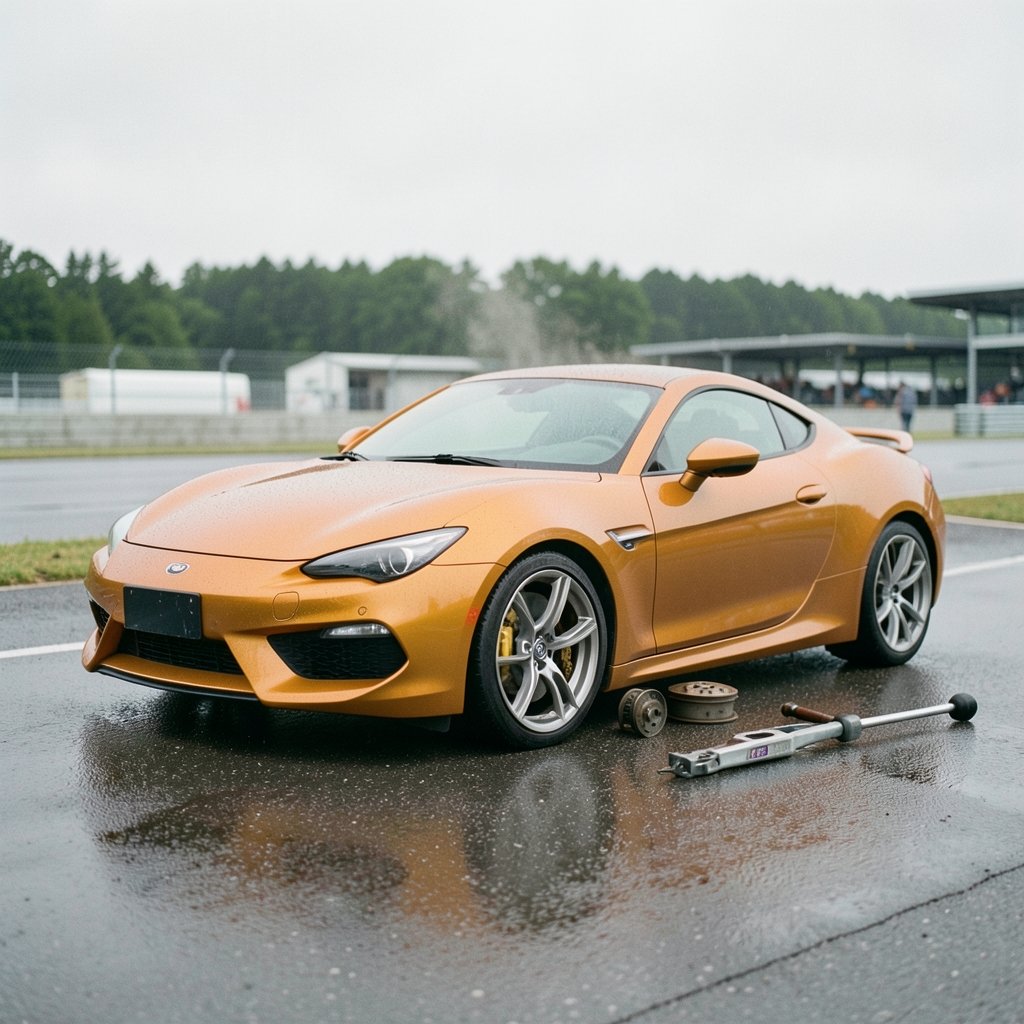
Most “best sports car” lists fail because they average across incompatible priorities. In practice, buyers cluster into four groups.
| Buyer type | Priority | What to check first | Common mistake |
|---|---|---|---|
| Weekend enthusiast | Steering feel, chassis balance | Weight, tire type, suspension setup | Chasing horsepower over feedback |
| Daily driver | Comfort, visibility, running costs | Seat height, cargo space, insurance | Ignoring ride quality on bad roads |
| Track-focused buyer | Brakes, cooling, tire endurance | Brake spec, cooling ducts, service intervals | Assuming power equals lap times |
| Value shopper | Cost per unit of enjoyment | Depreciation curve, maintenance schedule | Buying on sticker price alone |
The weekend enthusiast often discovers that a lighter car with modest power feels faster and more engaging than a heavier one with a big engine. The daily driver frequently regrets a stiff suspension after the first month. The track buyer learns that brakes and cooling matter more than a spec-sheet horsepower figure, because a car that fades after three laps is slower than one that does not. And the value shopper who ignores depreciation can lose more money in resale than the price gap between two models.
Performance Benchmarks Have Moved. Have Priorities?
Cars marketed as sports models in recent years routinely exceed 400 horsepower, a figure once reserved for exotics. Independent instrumented testing often produces slightly different acceleration and braking results than manufacturer claims, since surface, temperature, and driver technique all matter. That gap is worth remembering when comparing spec sheets side by side.
The practical implication is that raw power has become a weak differentiator. Two cars with nearly identical 0–60 times can feel completely different because of gearing, weight distribution, and steering calibration. For a deeper look at how manufacturers tune the experience rather than just the numbers, the analysis of the cars built around experience is a useful companion read. (Best Sports Cars)
Weight Is the Spec Nobody Advertises Loudly
A useful habit: for every model you shortlist, write down curb weight next to horsepower. A car with 350 hp and a low curb weight will often feel more alive than one with 450 hp and several hundred extra pounds. Weight affects braking, tire wear, fuel consumption, and steering response simultaneously. It is the single most underrated number on any spec sheet.
Electrification Has Entered the Category
Battery-electric sports models have moved from concept to production, and they change the comparison math. Instant torque delivery means acceleration figures that would have seemed implausible a decade ago. But the trade-offs are real and specific:
- Mass. Battery packs add weight, which works against the nimbleness that defines the category.
- Thermal endurance. Repeated hard acceleration can trigger power limiting as the pack heats up, which matters on track days.
- Range under load. Spirited driving drains a battery faster than steady cruising, so a fun afternoon can require planning.
None of these are disqualifiers. They are simply different constraints, and buyers who test-drive an electric performance car on a relaxed route may miss them entirely. The Wikipedia overview of electric cars is a reasonable starting point for the underlying technology if you want the fundamentals.
Where the Money Goes: Price Brackets Explained
“Sports car” coverage spans entry-level coupes to six-figure performance machines, which makes a single ranking close to meaningless. A more honest framing is bracket by bracket.
Entry bracket
These cars prioritize light weight and simplicity. Expect modest power, manual or well-tuned automatic transmissions, and lower running costs. The trade-off is less straight-line drama and fewer luxury features. For many buyers this is the sweet spot, because the car is usable and the insurance is survivable.
Mid bracket
Here you find the biggest variety: forced-induction four- and six-cylinder coupes, some four-door performance models, and the first serious track-capable packages. This is where options lists quietly determine whether a car feels special or ordinary. A base model and a fully optioned version of the same car can drive like different vehicles.
Upper bracket
Six-figure territory brings exotic materials, adaptive suspension, and carbon-ceramic brakes. Running costs scale accordingly. Tires alone can cost more than a used compact car, and brake service is not a DIY job. Buyers in this bracket should budget for consumables as well as the purchase price.
A broader comparison framework across these tiers is laid out in the Voozon Cars reviews and car guides, which organizes models by use case rather than by marketing segment.
Practical Tips That Actually Work
These are the habits that separate satisfied owners from regretful ones. None require special expertise.
- Drive the car on a bad road. Every test route should include broken pavement. Ride quality problems show up there, not on smooth highways.
- Sit in traffic for ten minutes. Seat bolsters, clutch weight, and visibility all reveal themselves when you are not moving fast.
- Check the tire spec before the horsepower spec. Tires determine grip, and replacement cost is a recurring expense.
- Ask about service intervals in writing. Performance cars often need more frequent fluid changes than mainstream vehicles.
- Verify insurance and tax before signing. Premiums for high-performance models can surprise buyers who budgeted only for the car payment.
- Look at the depreciation curve for the specific trim. Popular trims hold value better; rare ones can be harder to sell.
The most common mistake is buying for the spec sheet and living with the consequences. The second most common is skipping the second test drive. A car that feels thrilling for twenty minutes can feel exhausting after two hours, and only a longer session reveals that.
Regulation Shapes What You Can Actually Buy
Regional rules on emissions and safety affect which models reach which markets and in what form. A car sold in one region may arrive in another with a different engine, different suspension tuning, or not at all. Buyers who read reviews from overseas publications sometimes find the exact configuration unavailable locally.
This is not a minor footnote. It means that a model’s reputation can be built on a version you cannot purchase. Checking the local specification, not the global press release, is the only reliable approach. Regulatory bodies such as the National Highway Traffic Safety Administration publish safety-related information that is worth reviewing for any shortlisted model.
How to Build a Shortlist That Holds Up
A shortlist of five cars is more useful than a ranking of fifty. Here is a process that works.
First, fix your budget including insurance, tires, and servicing for three years. Second, pick your buyer type from the table above and write down the two criteria that matter most. Third, eliminate any model that fails either criterion, even if reviews are glowing. Fourth, test-drive the survivors back to back on the same day, on the same route, so differences are obvious rather than remembered.
That last step is where most decisions get made correctly. Memory is unreliable when comparing steering feel or brake modulation. Back-to-back drives expose differences that no spec sheet captures.
For buyers who want a structured starting point rather than an open-ended search, the Voozon Cars comparison hub groups models in a way that makes side-by-side evaluation easier.
Common Myths Worth Retiring
Myth: More power always means more fun. False. Weight, gearing, and steering feedback matter more in most real driving situations.
Myth: Manual transmissions are always better. They are more engaging for some drivers and tiresome for others, particularly in heavy traffic. There is no universal answer.
Myth: Track capability means a better road car. Often the opposite. Stiff springs and aggressive alignment that shine on a circuit can make daily driving unpleasant.
Myth: A higher price guarantees a better experience. Diminishing returns set in early. A well-chosen entry-level car frequently delivers more smiles per mile than a compromised upper-bracket one.
The best sports car is the one you will actually drive, not the one that wins a forum argument.
Conclusion
There is no single best sports car, and any article claiming otherwise has picked a definition and hidden it. The category spans lightweight roadsters, forced-induction coupes, four-door performance models, and electric machines with entirely different trade-offs. What separates a good purchase from a bad one is not the badge or the horsepower figure. It is whether the car matches your buyer type, survives a test drive on real roads, and fits a budget that includes tires, insurance, and servicing.
Start with criteria, not rankings. Write down what you need, eliminate ruthlessly, and drive the survivors back to back. That process beats any list, including this one. The cars are better than they have ever been; the challenge is choosing the right one for the way you actually drive.
Frequently Asked Questions
What defines a sports car?
There is no single official definition. Common criteria include two seats, a low center of gravity, rear-wheel or mid-engine layout, and a focus on handling rather than outright power. Some definitions include four-door performance models; others exclude them. Because the term is contested, any “best” list depends heavily on which criteria the author chose.
Are electric sports cars as good as petrol ones?
They are different rather than simply better or worse. Electric models deliver instant torque and rapid acceleration, but battery weight works against nimbleness, and repeated hard driving can trigger thermal power limiting. Range also drops under spirited driving. Whether that matters depends on whether you prioritize track endurance or instant response.
How much should I budget beyond the purchase price?
Plan for insurance, tires, servicing, and fuel or charging. Performance tires wear faster and cost more than standard ones, and high-performance models often need more frequent fluid changes. A reasonable approach is to estimate three years of running costs before committing, since these expenses can rival a significant share of the purchase price.
Is a manual transmission better for a sports car?
It depends on how you drive. Manuals offer more engagement and control for enthusiasts, but they become tiring in heavy traffic. Modern automatic and dual-clutch transmissions often shift faster and suit daily driving better. Neither is universally superior; the right choice depends on your commute and your priorities.
Why do independent test results differ from manufacturer claims?
Acceleration and braking figures depend on surface conditions, temperature, altitude, tire condition, and driver technique. Manufacturer claims are typically produced under controlled conditions that favor the best possible result. Independent testing aims for repeatability rather than the optimum, so small gaps between claimed and measured figures are normal and expected.
Do I need to check local regulations before buying?
Yes. Emissions and safety rules vary by region, which means the version of a model sold in your market may differ from the one reviewed overseas in engine, suspension tuning, or equipment. Always verify the local specification rather than relying on international press coverage, and check safety-related information for any shortlisted model before you commit.