
Sports Cars for Sale: Buy Smart in 2026
 Abdul WadoodLast updated
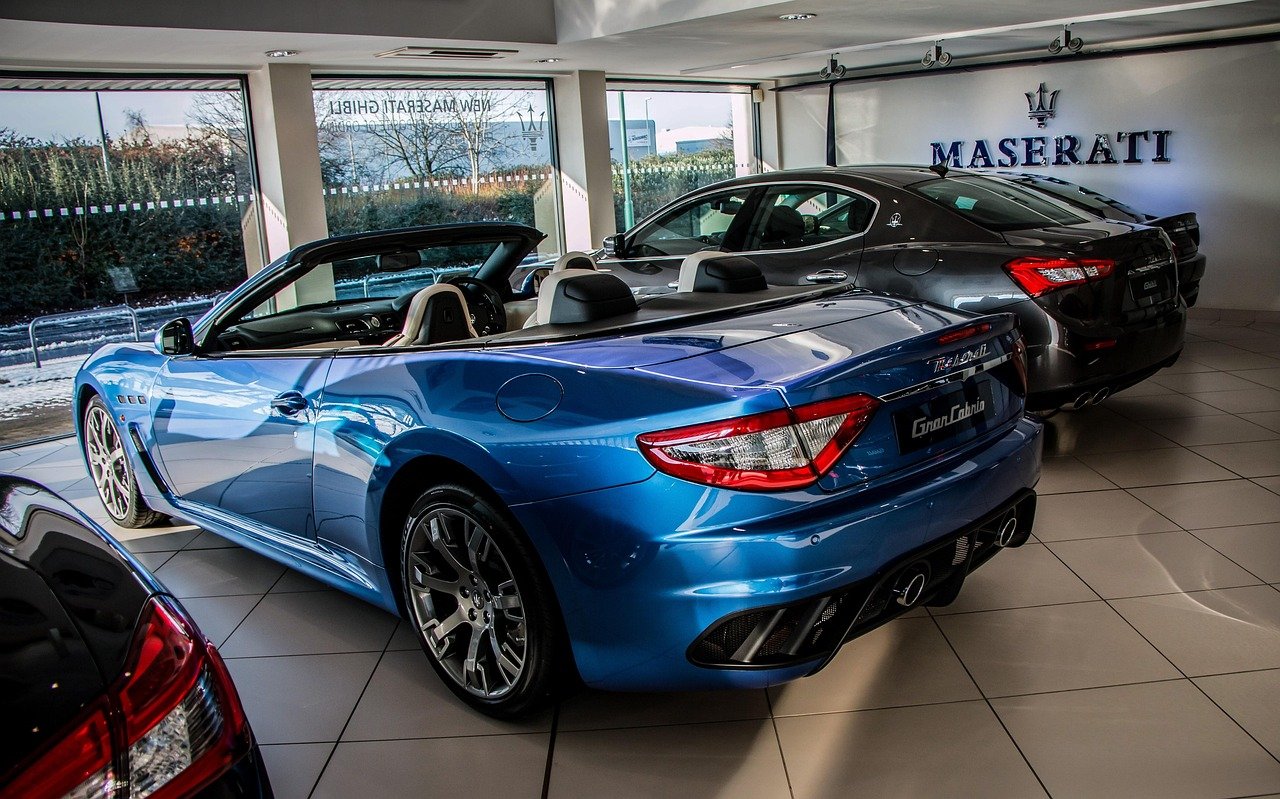
More than 270 million vehicles are registered in the United States, and only a small slice of them are true sports cars. That scarcity is exactly why shopping for one feels so different from buying a sedan. The listings are scattered, the prices swing wildly, and half the cars you find have a story the seller would rather not tell. Whether you are chasing a used Miata, a certified Porsche 911, or a low-mileage Corvette, the process rewards preparation over impulse.
This guide walks through what actually matters when you shop sports cars for sale — where to look, how to read a listing, what to inspect, and the mistakes that cost buyers thousands. It is written for people who want a fun car and a fair deal, not a cautionary tale. (Sports car)
Why the Sports Car Market Rewards Patience
Sports cars depreciate differently from everyday vehicles. A commuter car loses value steadily and predictably. A sports car can hold value for years, then drop sharply when a new generation arrives, or climb if it turns out to be the last of a manual-transmission breed.
That volatility cuts both ways. A buyer who waits for the right listing often saves more than one who negotiates hard on the wrong one. The market also runs on season. Convertibles and rear-wheel-drive coupes tend to sell fastest in spring and early summer, when demand peaks and sellers hold firm on price. Shopping in late fall or winter often means more room to negotiate, especially in cold-weather regions where a rear-drive car sits on a lot for months.
There is also a supply story. Enthusiast models are often produced in limited numbers, and many were modified, tracked, or crashed over the years. Clean, unmodified examples become rarer every season, which is why originality commands a premium. A stock car with service records will almost always outsell a modified one at the same mileage.
Where to Find Sports Cars for Sale

Buyers today have more channels than ever, and each one carries different risk.
| Channel | Best For | Main Risk |
|---|---|---|
| Franchise dealerships | Certified pre-owned, warranty coverage | Higher price, limited negotiation |
| Independent specialty dealers | Curated inventory, enthusiast knowledge | Variable quality control |
| Private sellers (marketplaces) | Best prices, service history access | No warranty, scam listings |
| Online auctions | Rare models, transparent bidding | Buyer’s premium, no test drive |
| Enthusiast forums and clubs | Well-documented cars, honest owners | Small inventory, long search |
Private sales usually offer the best value because there is no dealer margin. The tradeoff is that everything depends on the seller’s honesty and record-keeping. A private seller who has a folder of receipts, knows the service intervals, and can explain every modification is worth far more than a slightly cheaper car with no paperwork.
Online auctions have reshaped the market in recent years. They bring national inventory to local buyers and create public price records, which helps everyone benchmark value. But photographs hide a lot. A car that looks flawless in 60 images can still have paintwork, frame damage, or a failing clutch. Serious buyers budget for a pre-purchase inspection even when they cannot see the car in person.
For a broader look at how models compare on paper and on the road, resources like Voozon Cars — Reviews, Comparisons & Car Guides help narrow the field before you ever contact a seller.
Reading a Listing Like a Skeptic
Most bad purchases start with a listing that was read too quickly. A few habits separate careful buyers from regretful ones.
Check the photos for clues. Close-ups of the front bumper reveal stone chips and repaint. Mismatched tire brands suggest budget maintenance. A spotless engine bay on a high-mileage car can mean it was pressure-washed to hide leaks. Interior wear tells you more about real mileage than the odometer does — a pedal pad worn smooth rarely belongs to a 30,000-mile car.
Look for what is missing. No undercarriage photos? Ask. No mention of service history? Ask. A listing that describes the car in three sentences and lists twenty modifications is telling you the owner cared about performance, not preservation.
Watch the language. Phrases like “ran when parked,” “minor cosmetic damage,” and “needs nothing” all deserve scrutiny. So does “no lowballers” — it often signals a seller who has already overpriced the car and knows it.
Verify the paperwork. A clean title in the seller’s name, a matching VIN on every panel, and a documented service history are the three pillars of a safe purchase. Anything less should reduce your offer or end the conversation.
What to Inspect Before You Pay
A sports car is engineered for performance, which means its components wear faster and cost more to replace. A clutch job on a rear-drive coupe can run well over a thousand dollars. Performance tires, brake rotors, and suspension bushings all add up.
Here is a practical inspection order that experienced buyers follow:
- Cold start. Arrive early and insist the engine is cold. Listen for rattles, ticking, or a rough idle that disappears once warm.
- Fluids and leaks. Check oil color, coolant condition, and look under the car for fresh drips.
- Tires and brakes. Measure tread depth and check brake pad thickness. Uneven wear points to alignment or suspension problems.
- Body and frame. Look for paint mismatch, uneven panel gaps, and overspray in the wheel wells.
- Test drive. Cover city streets, highway speeds, and tight turns. Feel for vibration, pulling, and transmission noise.
- Electronics. Test every switch, screen, and driver aid. Modern sports cars carry expensive modules.
- Professional inspection. Pay a specialist who knows the model. It is the cheapest insurance you will ever buy.
The National Highway Traffic Safety Administration’s vehicle safety ratings and recall database is worth checking before any purchase, especially for newer models where open recalls may still apply.
Manual or Automatic: The Choice That Shapes Value
Transmission choice is one of the most consequential decisions in this market, and it affects resale more than most buyers expect.
Manual-equipped sports cars have held value remarkably well as automakers phase them out. Enthusiasts pay a premium for a three-pedal car, particularly in models where the automatic was the volume seller. Dual-clutch and traditional automatics are faster and easier to live with daily, but they rarely command the same long-term premium.
The right answer depends on use. A car that will spend most weekends on canyon roads rewards a manual. A car that commutes in heavy traffic may be better with an automatic. Either way, drive both before deciding — the character of a gearbox matters more than the spec sheet suggests.
Setting a Realistic Budget
First-time buyers often budget for the purchase price and forget everything else. Insurance on a sports car frequently runs higher than on a sedan, especially for younger drivers. Premium fuel, frequent tire replacement, and specialist labor all add to the annual cost.
A workable rule is to reserve roughly 10 percent of the purchase price for immediate sorting — the small fixes every used performance car needs. Another 5 percent belongs in a maintenance fund for the first year. Buyers who stretch to the top of their budget and leave nothing for repairs tend to sell within eighteen months, usually at a loss.
Financing deserves its own attention. Credit unions often beat dealer rates on enthusiast vehicles, and classic-car lenders offer options for older models that mainstream banks will not touch. Get pre-approved before you shop so you can negotiate as a cash-equivalent buyer.
Common Mistakes That Cost Buyers Money
The same errors show up again and again in this market.
- Buying the first car you drive. Emotion is the enemy of a good deal. Drive at least three examples so you learn what “normal” feels like.
- Skipping the inspection to save $200. A missed clutch or frame issue can cost twenty times that.
- Ignoring the maintenance history. A cheap car with no records is rarely cheap.
- Falling for a modified car without documentation. Upgrades only add value when they are documented, reversible, and done by a reputable shop.
- Overpaying for low mileage. A garage-queen car that sat unused for years may need every rubber component replaced.
- Forgetting insurance quotes. Get a quote before you commit, not after.
The theme behind every one of these is the same: the excitement of a sports car is exactly what makes buyers careless. Slow down at the decision point.
Buying for the Experience, Not the Spec Sheet
There is a reason people keep coming back to this market even when the numbers do not favor it. A sports car is one of the few purchases that delivers value every time you turn the key. The steering feel, the sound, the way a well-sorted chassis communicates through the seat — none of that shows up in a comparison table.
That is the idea behind the cars built around experience — machines chosen for how they feel rather than how they score. Buyers who prioritize driving pleasure over badge prestige tend to be happier owners and lose less money when they sell. (Consumer Reports)
Practical tip: keep a simple log from day one. Record every service, every tire change, and every receipt. When you eventually sell, that folder becomes your strongest negotiating asset. Sellers with documentation consistently get better offers than sellers with a clean car and no paper trail.
Conclusion
Shopping for sports cars for sale is a skill, and like any skill it improves with practice. The buyers who do well are not the ones who find the rarest car or negotiate the hardest. They are the ones who arrive prepared, inspect carefully, budget honestly, and walk away from anything that feels wrong.
Start with a clear budget that includes insurance and maintenance. Choose your channel deliberately — private sellers for value, dealers for protection, auctions for selection. Read every listing like a skeptic, inspect every car like an engineer, and pay for a professional opinion before money changes hands. Do that, and the car you buy will be the one you keep. The market is full of options; the goal is finding the one that fits how you actually drive. For more model-level guidance, Voozon Cars — Reviews, Comparisons & Car Guides – Voozon — Discover, Review & Explore is a useful starting point before you begin shortlisting.
Frequently Asked Questions
What is the best place to buy a used sports car?
Private sellers and enthusiast forums usually offer the best prices and the most honest documentation. Franchise dealerships cost more but provide warranties and certified inspections. Online auctions give access to rare models, though buyers should budget for a pre-purchase inspection since they cannot test drive first.
How much should I budget beyond the purchase price?
Plan for about 10 percent of the purchase price for immediate repairs and another 5 percent for first-year maintenance. Insurance, premium fuel, and tires add ongoing costs. Getting an insurance quote before you buy prevents unpleasant surprises.
Is it worth paying for a pre-purchase inspection?
Almost always, yes. A specialist inspection typically costs a few hundred dollars and can reveal clutch wear, frame damage, or hidden rust that photos never show. On a performance car, one missed issue can cost many times the inspection fee.
Do manual sports cars hold their value better?
Generally, yes. As manuals become rarer, enthusiast demand keeps prices strong, especially in models where the automatic was the volume seller. Automatics are easier to live with daily, so the right choice depends on how you plan to use the car.
How many miles is too many on a sports car?
There is no universal number. A well-maintained car with full service records at 80,000 miles can be a better buy than a neglected one at 30,000. Focus on maintenance history, inspection results, and whether major services like the clutch or timing belt have been done.
How do I avoid scams when buying privately?
Insist on seeing the car in person at the seller’s home, verify the title matches the seller’s identity, and never send a deposit before viewing the vehicle. Be wary of listings priced far below market value, sellers who refuse inspections, and requests for wire transfers or gift cards.