
Manual Cars for Sale: Find & Vet Stick-Shift Vehicles
 Abdul WadoodLast updated
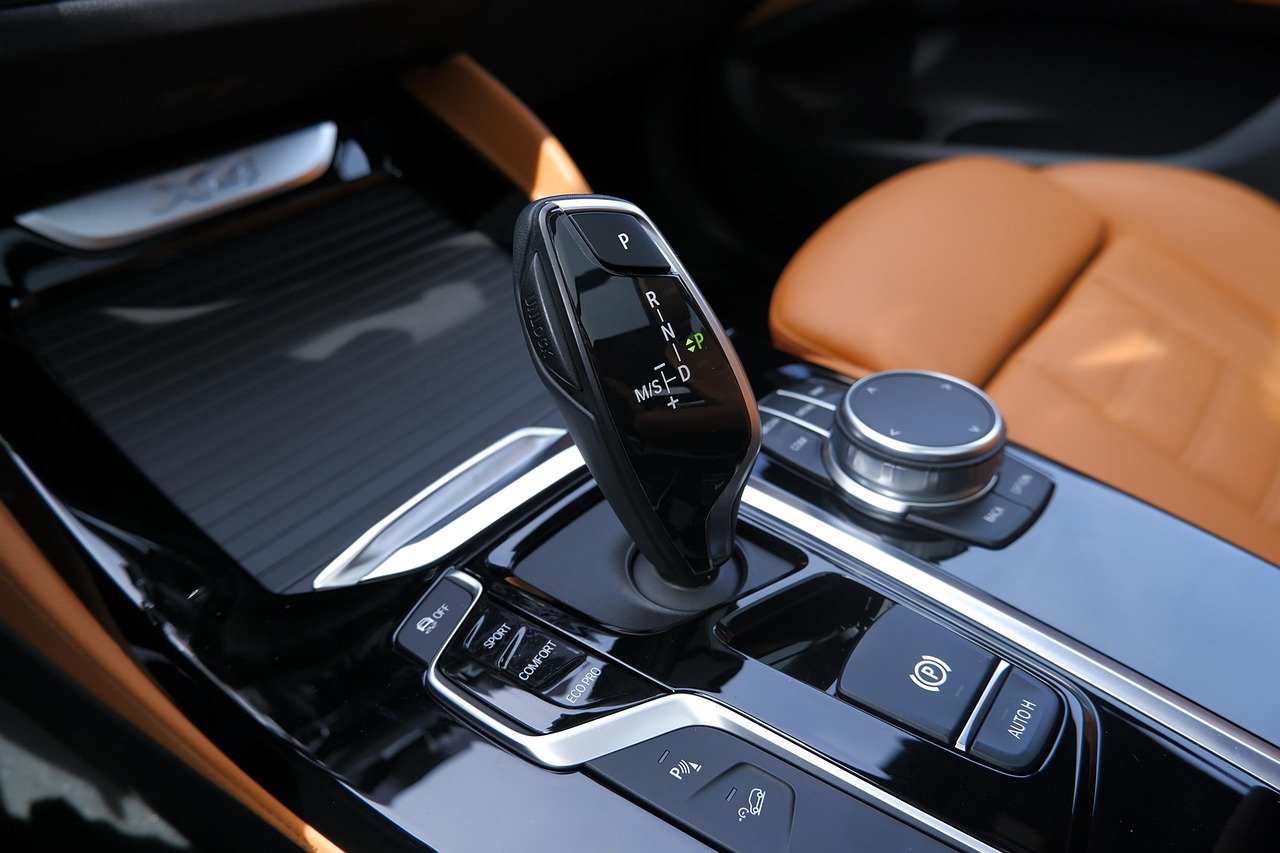
Manual transmissions now account for only a tiny sliver of new vehicles sold in the United States, yet the demand for them refuses to die. That mismatch between thin supply and stubborn enthusiasm is exactly what makes shopping for manual cars for sale such a strange, rewarding, and occasionally frustrating pursuit. Buyers who want three pedals are no longer browsing a mainstream market. They are hunting a niche, and the rules of that hunt are different from anything a typical car shopper learns.
This guide walks through where manual inventory actually lives, how to read a listing without getting fooled, which models hold value, and what to check before money changes hands.
Why the Manual Market Looks the Way It Does
The manual gearbox has been in steady retreat for years. Automakers have dropped stick-shift options from mainstream sedans and SUVs, sometimes quietly and sometimes with a farewell press release. Electric vehicles never offered one at all, and many hybrids route power through systems that leave no room for a clutch pedal.
The practical result is a market split in two. New manual cars are scarce and increasingly concentrated in sporty or enthusiast-oriented models. Used manual cars are plentiful in raw numbers but scattered across model years, condition levels, and price points that have little to do with each other. (Manual transmission)
That scatter is the single biggest thing first-time manual shoppers underestimate. A 2013 economy hatchback with a five-speed and a 2021 sports coupe with a six-speed may sit in the same search results, but they serve completely different buyers. Knowing which lane you belong in narrows the search fast.
For a broader look at how enthusiasts evaluate vehicles across categories, the reviews and comparisons at Voozon Cars — Reviews, Comparisons & Car Guides offer useful context on what separates a good driver’s car from a merely adequate one. (Driver Assistance Technologies)
Where Manual Cars for Sale Actually Get Listed
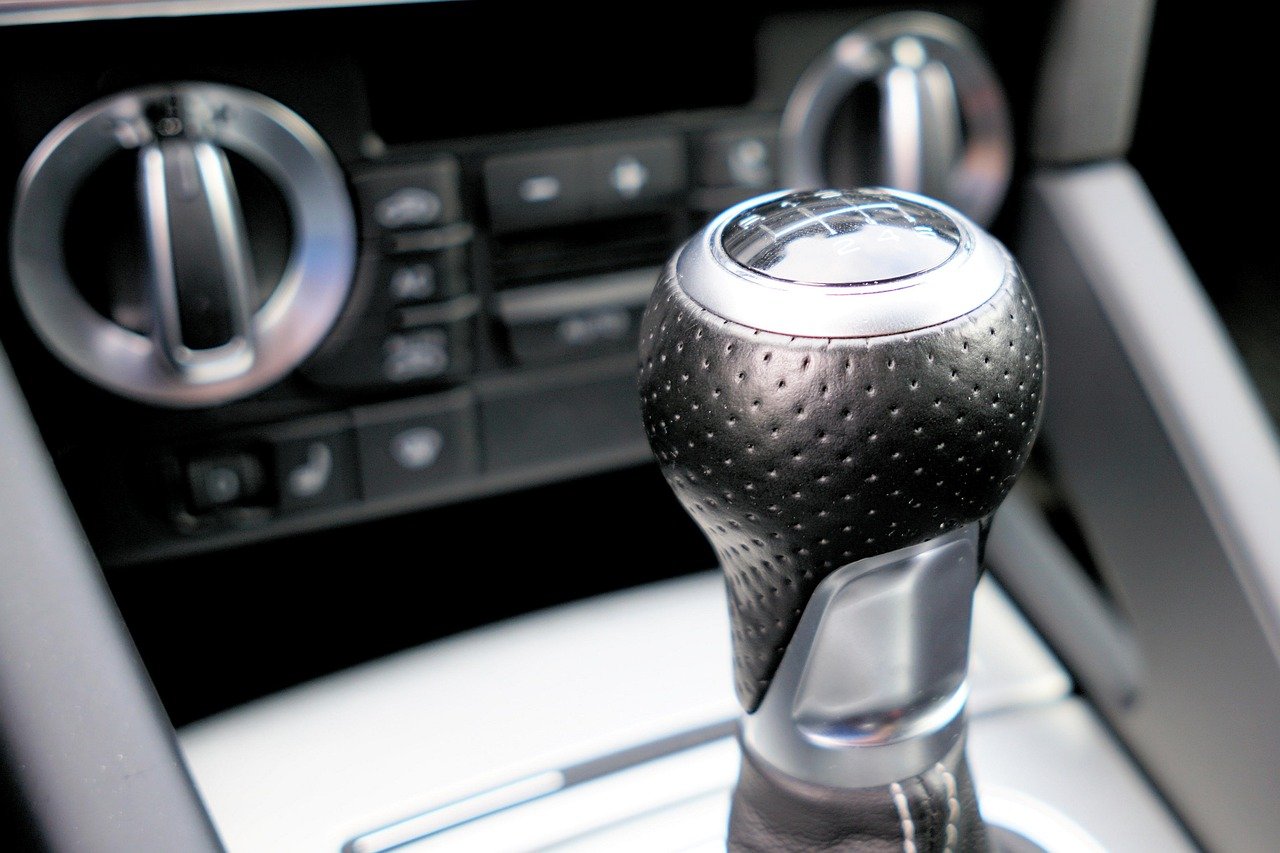
Manual inventory is not evenly distributed across the internet. Some platforms are thick with three-pedal cars; others barely acknowledge they exist.
| Platform type | Strength for manual shoppers | Watch out for |
|---|---|---|
| General classifieds | Huge volume, wide geography | Weak transmission filters, mixed listing quality |
| Enthusiast forums | Informed sellers, detailed histories | Small inventory, regional gaps |
| Auction sites | Rare and collector-grade manuals | Fast bidding, no test drive |
| Dealer inventory tools | Certified inspections, financing | Manuals often mislabeled or absent |
| Social media groups | Fast tips, local leads | No buyer protection, scam risk |
A few practical habits separate efficient shoppers from people who spend six months clicking.
Set the transmission filter first, then everything else. Most major listing sites let you filter by transmission. Use it as your first cut, not your last. Otherwise you waste hours opening listings that turn out to be automatics with paddle shifters.
Search by model, not by category. Typing “manual” into a general search returns noise. Searching specific models known to have offered manuals returns precision. Build a short list of five to eight models you would actually buy, then search each one.
Check listings on weekday mornings. Good manual listings at fair prices move fast. Sellers who post on a Sunday evening often have serious inquiries before Monday lunch.
Contact sellers with a specific question, not “is it available?” Asking about clutch replacement history or the last fluid change signals you are serious and often gets you a faster, more detailed reply.
Reading a Manual Listing Without Getting Fooled
Listing photos and descriptions for manual cars deserve extra scrutiny, because the transmission is the component most likely to be misrepresented, either accidentally or otherwise.
The photos that matter most
Interior shots of the center console and pedal box tell you more than any exterior glamour shot. Look for three pedals and a proper shift boot. If the seller posts ten photos of the paint and none of the interior, ask for interior shots before you drive anywhere.
The questions worth asking
- Has the clutch been replaced, and at what mileage?
- Any grinding, popping out of gear, or difficulty engaging a specific gear?
- When was the transmission fluid last changed?
- Has the car been modified, tuned, or tracked?
- Do you have service records, and are they paper or digital?
A seller who answers all five clearly is usually a seller worth meeting. Vague answers about the clutch are a yellow flag, not automatically a dealbreaker.
The mileage trap
Low mileage sounds great until you consider how a manual accumulates wear. A 40,000-mile car driven mostly in stop-and-go traffic may have a more worn clutch than a 90,000-mile car that spent its life on highways. Ask how the car was used as well as how far it went.
This is where experience-driven evaluation matters. The perspective in the cars built around experience is a useful reminder that how a car was driven shapes its condition far more than a number on the odometer.
New Versus Used: Two Very Different Purchases
New manual cars are a small, specific pool. Buyers typically find them in sporty trims, a handful of compact performance models, and occasional budget-focused offerings. Availability varies sharply by region, and dealer stock of manuals is often minimal because dealers order what sells fastest.
Used manual cars offer range. The tradeoff is condition variance and the need for inspection.
| Factor | New manual | Used manual |
|---|---|---|
| Selection | Narrow, model-specific | Wide, condition-dependent |
| Price | Fixed-ish, less negotiation | Highly variable, negotiable |
| Warranty | Full coverage | Partial or none |
| Clutch condition | Known (new) | Unknown without inspection |
| Depreciation | Steep early | Already absorbed |
| Availability | Regional, order-based | National with shipping |
A useful rule of thumb: if you want a manual as a daily driver and reliability matters most, a used manual from a brand with strong parts availability often beats chasing a rare new one. If you want a specific driving experience and plan to keep the car long-term, ordering new removes the inspection gamble.
What Manual Cars Cost and Which Ones Hold Value
Pricing in the manual market is not rational in the way the automatic market is. Scarcity premiums are real. Certain models command thousands more in manual form than their automatic equivalents, purely because enthusiasts want them and supply is thin.
Three patterns show up again and again.
Sporty manuals hold value best. Cars with a reputation for driver engagement tend to depreciate slowly and sometimes appreciate once production ends.
Base-model manuals depreciate normally. A manual economy car is a practical, cheap used buy, not an investment. Buy it to drive, not to store.
Rare trims create outliers. Limited-production manual variants can jump in price quickly, and buyers who do not research comparables often overpay.
Practical tip: pull completed-sale prices, not asking prices. Asking prices are wishes. Completed sales are facts. Auction sites and enthusiast forums often show what things actually sold for, which is far more useful than a dealer’s window sticker.
For more buyer-focused breakdowns across vehicle types, Voozon Cars — Reviews, Comparisons & Car Guides – Voozon — Discover, Review & Explore is worth a browse before you commit to a shortlist.
The Pre-Purchase Inspection: Non-Negotiable for Manuals
Skipping a pre-purchase inspection on a manual car is the most common expensive mistake in this market. A clutch replacement can run well into four figures depending on the model, and a failing synchro or worn gearbox can cost more than the car is worth.
What a good inspection should cover:
- Clutch engagement point. It should be consistent, not vague or grabbing at the very top of pedal travel.
- Gear engagement across all gears, including reverse, both cold and warm.
- Test drive with windows down. Listen for whining, grinding, or rattling that changes with gear or speed.
- Fluid condition. Dark or metallic-smelling transmission fluid is a warning sign.
- Clutch pedal free play, which varies by model but should match spec.
- Mounts and linkage, which wear quietly and cause sloppy shifting.
A mechanic familiar with the specific model is worth waiting for. General inspections catch big problems; model-specific inspections catch the ones that actually matter on that car.
Common Mistakes Manual Buyers Make
Buying on emotion during the test drive. A fun five-minute drive can override clear thinking about a worn clutch. Drive it, then walk away for an hour before deciding.
Ignoring the clutch in the budget. Price the car as if you will need a clutch within two years unless you have documented proof it was recently replaced.
Assuming all manuals feel alike. They do not. Cable versus hydraulic linkage, gear ratios, and pedal weighting vary enormously. A car that reviews well may feel wrong to you.
Overlooking insurance and parts costs. Some manual models are cheap to buy and expensive to maintain. Check parts availability before falling in love.
Skipping the history check. A vehicle history report will not tell you about clutch wear, but it will flag accidents, title issues, and odometer problems. Always run one.
Conclusion
Shopping for manual cars for sale rewards patience and punishes impulse. The market is small, the good listings move quickly, and the difference between a great three-pedal purchase and an expensive lesson usually comes down to preparation: knowing your shortlist, filtering by transmission first, asking the right questions, and paying for a proper inspection.
The manual is no longer the default choice, and that is precisely why it now attracts buyers who actually want one. Treat the search like the niche it is, verify everything you can, and the reward is a car that is genuinely more engaging to drive than almost anything else in its price range.
FAQ
Are manual cars harder to sell later?
They can be. The buyer pool is smaller, so a manual may sit on the market longer than an automatic equivalent. However, for desirable sporty models, the smaller pool is also more motivated, and well-maintained manuals often sell quickly at strong prices. Mainstream manual sedans and hatchbacks are the slowest to move.
Is a manual car cheaper to maintain?
Generally yes, in specific ways. Manual gearboxes are simpler, often need less frequent fluid changes, and lack the complex valve bodies and sensors of modern automatics. The major cost is the clutch, which is a wear item. Budget for one replacement over a long ownership period and the overall maintenance picture usually comes out favorable.
How many miles does a manual clutch last?
It varies widely with driving style and vehicle. Highway-heavy driving can stretch a clutch well past 100,000 miles, while lots of city traffic and aggressive launches can wear one out much sooner. There is no universal number, which is why documented clutch history matters more than mileage alone.
Can I learn to drive manual on a used car I just bought?
You can, but it accelerates clutch wear. Many buyers practice on a rental or a friend’s older car first. If you learn on your new purchase, expect some extra wear and avoid heavy traffic until your clutch control is consistent. A few hours in an empty parking lot makes a real difference.
Do manual cars get better fuel economy?
Historically yes, but modern automatics with more gear ratios often match or beat manuals on efficiency. The advantage now depends heavily on the specific model and how it is driven. Do not buy a manual assuming a fuel savings payoff; buy it because you prefer the driving experience.
What should I check first when buying a used manual?
Start with the clutch and the gearbox, because those are the expensive failure points. Ask for clutch replacement records, test every gear including reverse, and listen for unusual noises during a test drive. Then run a vehicle history report and arrange an independent inspection before agreeing on a price.