
Cheap Cars for Sale Near Me: Real Deals in 2026
 Abdul WadoodLast updated
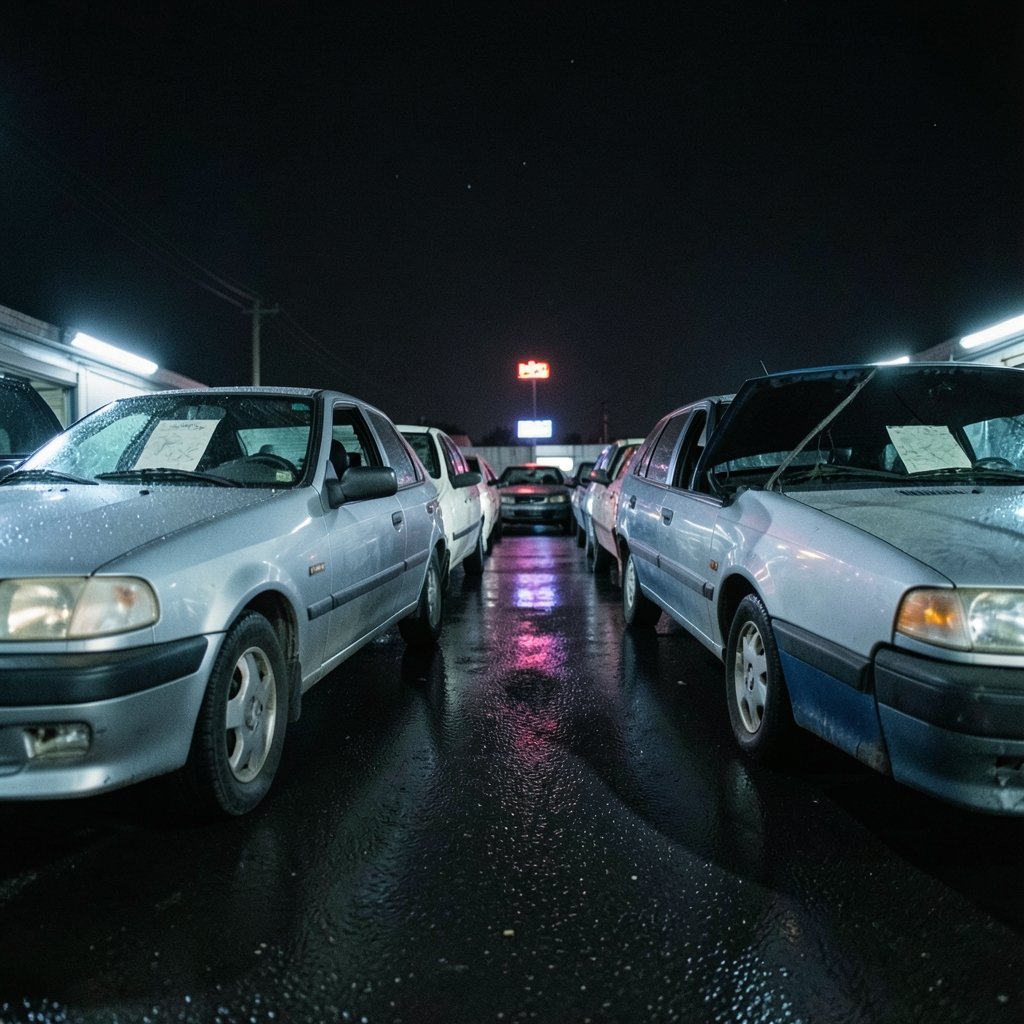
A used car loses a huge share of its value in the first few years, and that depreciation is exactly why the phrase “cheap cars for sale near me” gets typed into search bars millions of times. Someone needs a second vehicle for a teen driver. Someone else just totaled their daily commuter and has $6,000 in savings. Whatever the reason, the goal is the same: find a reliable car at a low price without stepping into a trap.
The good news is that affordable inventory exists in almost every market. The bad news is that “cheap” and “good” are not the same thing, and the gap between them is where buyers get burned. This guide walks through where the deals actually hide, how to vet a listing before you drive out to see it, and which red flags should make you walk away.
Why Cheap Cars Are Everywhere Right Now
Depreciation is relentless. A new vehicle typically sheds a large chunk of its value in the first three to five years, which pushes a steady supply of older, perfectly functional cars into the budget tier of the market. That’s the structural reason cheap listings never dry up, even when prices overall feel high. (Voozon Cars) (Cars)
There’s also a practical reality: most sellers of sub-$10,000 cars are private parties, small independent lots, or dealerships offloading trade-ins that are too old for their front line. These sellers aren’t marketing to you the way a franchise dealer markets a certified pre-owned sedan. They list, they wait, and they negotiate. That means the buyer who does homework has real leverage.
One more thing worth understanding: the cheapest car on the page is rarely the cheapest car to own. A $4,500 sedan that needs $2,000 in immediate repairs costs more than a $6,200 sedan with fresh tires, brakes, and a timing belt. Price is the sticker. Cost is the whole picture.
Where to Actually Search
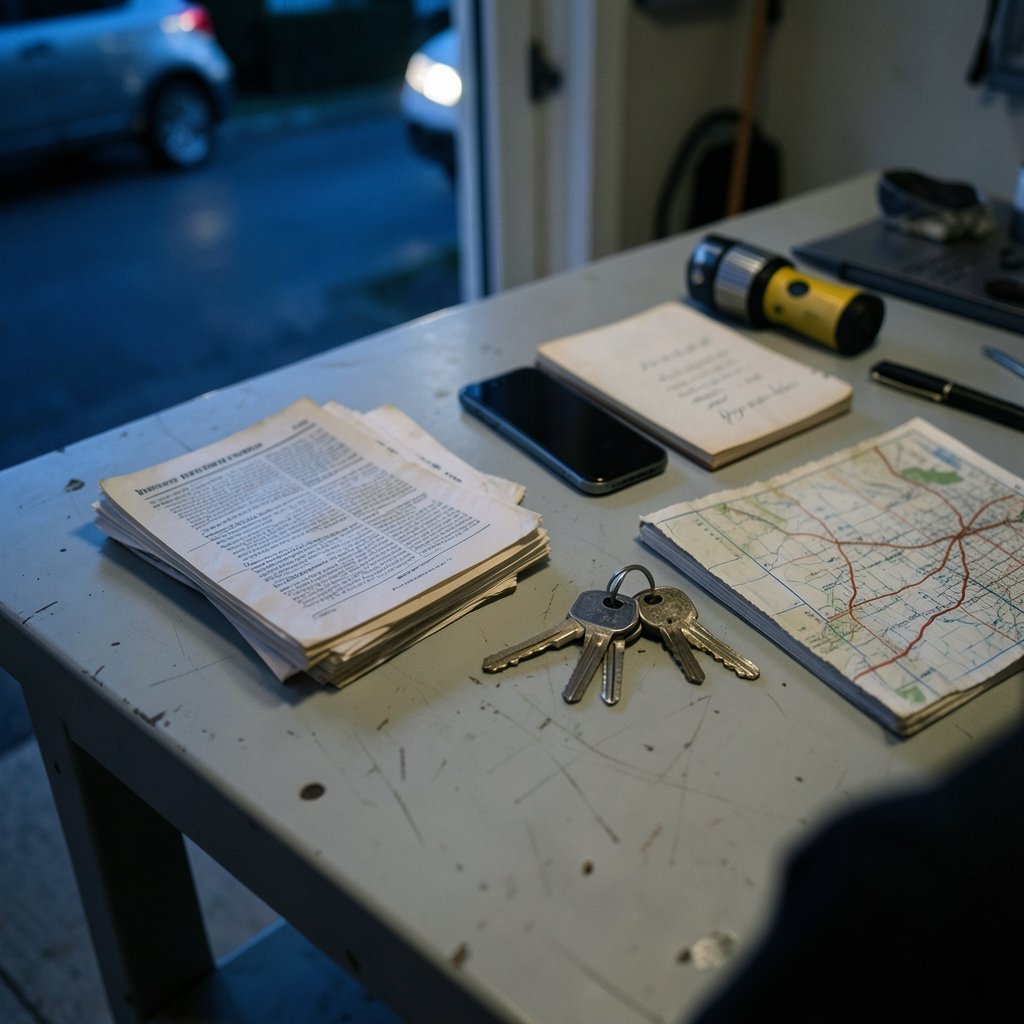
Most buyers default to one giant marketplace and stop there. That’s a mistake. Different channels surface different inventory, and the same car can be priced differently depending on where it’s listed.
| Channel | Best for | Watch out for |
|---|---|---|
| Large online marketplaces | Volume and price comparison | Stale listings, bait pricing |
| Local classifieds | Private-party bargains | No warranty, cash-only pressure |
| Dealership trade-in lots | Reconditioned cars with paperwork | Add-on fees at signing |
| Auctions (public and salvage) | Deep discounts for the handy | Branded titles, hidden damage |
| Word of mouth and community boards | Well-kept cars, honest history | Limited selection |
If you’re also juggling other errands while you shop, it helps to think in terms of local search habits generally. The same discipline that makes a hair salon near-me search work well, meaning checking reviews, verifying the address, and confirming hours before you show up, applies to car listings too. A quick phone call before a 40-minute drive saves an afternoon.
For buyers who care about how a car feels to live with rather than just its spec sheet, it’s worth thinking about the cars built around experience before narrowing your shortlist. Cheap doesn’t have to mean miserable.
Set a Real Budget Before You Click Anything
Most people budget for the purchase price and forget everything else. Do this instead: write down your total available cash, then subtract the following before you set your maximum listing price.
- Taxes and title fees. Varies by state, but never zero.
- Registration and plates. Often overlooked until the DMV counter.
- Insurance. Get a quote on the specific model before you buy, not after. Rates swing wildly between similar cars.
- An inspection. A pre-purchase inspection by an independent mechanic usually runs a modest flat fee and is the best money you’ll spend.
- A repair reserve. Set aside a buffer for the first six months. Something will need attention.
A useful rule of thumb: your listing budget should be roughly 80% of your total cash on hand. That leftover 20% absorbs surprises instead of turning them into credit card debt.
How to Read a Listing Like a Skeptic
Listings are marketing. Read them the way an editor reads a pitch: looking for what’s missing.
Photos tell you more than the description. Fewer than six photos usually means the seller is hiding something, often the interior or the rear quarter panels. Look for mismatched paint, panel gaps that don’t line up, and tires that look unevenly worn. A car photographed in the rain or at dusk is harder to assess, so ask for daylight shots.
Vague maintenance language is a warning. “Runs great” says nothing. “Timing belt at 90k, receipts available” says a lot. Ask directly for service records and don’t accept “I think my mechanic did that” as an answer.
Mileage needs context. A high-mileage car with documented highway service can outlast a low-mileage car that sat unused for years. Rubber seals, fluids, and batteries degrade with neglect.
Ask why they’re selling. The answer is often rehearsed, but the hesitation before it isn’t.
The Pre-Purchase Inspection Is Not Optional
This is the single step that separates buyers who get a deal from buyers who get a lesson. An independent mechanic puts the car on a lift, checks the frame for accident repair, scans for stored fault codes, and tests the components you can’t see from the driver’s seat.
Bring a checklist mindset to the visit itself. Before you even start the engine:
- Look at the ground under the car for fresh fluid spots.
- Check that the VIN on the dashboard matches the title.
- Open and close every door, the trunk, and the hood. Misalignment hints at collision repair.
- Press on each corner of the car and watch how it settles. Bouncy means worn suspension.
- Pull the oil dipstick. Milky fluid is a serious problem.
Then start it cold. Listen for rattles on startup, watch for smoke, and take it on a route that includes a highway on-ramp so you can feel how it shifts under load.
Understanding Title Brands
A clean title means the car has no major reported damage history. A salvage title means an insurer declared it a total loss. A rebuilt title means someone repaired a salvage car and had it re-inspected. Rules vary significantly by state, so check your local motor vehicle department’s guidance on branding and what it means for registration and insurance.
Rebuilt-title cars can be genuine bargains for buyers who know how to inspect them, but they are also harder to insure and much harder to resell. If you go that route, have someone who specializes in structural repair inspect the car rather than a general mechanic.
Negotiating Without Being a Jerk
The best negotiating position is a polite, informed buyer with cash and options. You have both if you’ve done the work above.
Start by asking what’s flexible rather than announcing a lowball number. If the seller won’t move on price, ask what they’ll include: new tires, a fresh oil change, a full tank, or a second key. Those concessions are often easier for a seller to give than cash.
Know your walk-away number before you arrive and write it down. Buyers who negotiate on feel tend to pay for the excitement. Also remember that private-party sales are usually as-is, meaning once the money changes hands, the problems are yours. Get any promises in writing on the bill of sale.
Common Mistakes That Cost Real Money
The same errors show up again and again in budget car buying.
- Skipping the test drive because the price is low. Always drive it.
- Buying the first car you see. Look at five. Even if you buy the first one, you’ll negotiate better.
- Paying a deposit before seeing the car. Common in online scams. Never send money to hold a vehicle you haven’t inspected.
- Ignoring insurance quotes until after purchase. Some cheap models cost more to insure than expensive ones.
- Forgetting the smog or emissions test. Many states require one, and a failing car can’t be registered.
- Trusting a “rebuilt” label without a structural inspection. Cosmetic repairs can mask frame damage.
If you’re also shopping for other household needs on the same trip, the same verify-before-you-go logic applies to things like finding a hair store with the right products: confirm stock and hours first, then make the drive.
When to Walk Away
Some problems are worth fixing. Others are a sunk cost waiting to happen. Walk away if the seller refuses an independent inspection, if the VIN doesn’t match the paperwork, if the title is in someone else’s name with a story attached, or if the frame shows repair welds. Also walk if the seller pressures you to decide today. Urgency is a sales tactic, not a fact about the car.
Conclusion
Finding cheap cars for sale near you is mostly a research problem, not a luck problem. Set a total budget that includes taxes, insurance, and a repair reserve. Search more than one channel. Read listings for what they leave out. Pay for an independent inspection every single time, and be willing to walk away from any deal that feels rushed.
The buyers who do best in the budget tier aren’t the ones who find the lowest sticker price. They’re the ones who understand total cost, verify everything, and treat the seller’s urgency as information rather than motivation. Do that, and a cheap car becomes a genuinely smart purchase instead of an expensive mistake.
FAQ
How much should I spend on a cheap used car?
A common approach is to keep the purchase price at roughly 80% of your total cash on hand, leaving the rest for taxes, registration, insurance, an inspection, and a repair reserve. That buffer matters more than the sticker price because older cars almost always need something in the first few months.
Is it safe to buy a car with a rebuilt title?
It can be, but only with a structural inspection by a specialist. Rebuilt-title cars cost less because insurers once declared them total losses. They’re also harder to insure and resell. If you can’t verify the quality of the repair work, pass.
Should I buy from a dealer or a private seller?
Private sellers usually offer lower prices and more negotiating room, but sales are typically as-is with no warranty. Dealers cost more but provide paperwork, sometimes a limited warranty, and a physical business to hold accountable. Either way, get an independent inspection.
How many miles is too many on a cheap car?
There’s no fixed number. A well-maintained car with high highway miles can outlast a low-mileage car that sat unused. What matters is documented maintenance, how the car was driven, and the results of a pre-purchase inspection.
What should I check before test driving a used car?
Verify the VIN matches the title, look for fluid leaks under the car, check panel alignment on doors and the hood, inspect tire wear patterns, and pull the oil dipstick. Then start the engine cold and listen for rattles before driving.
How do I avoid used car scams online?
Never send a deposit before seeing the car in person, be suspicious of prices far below market value, insist on a video call or in-person viewing, and confirm the seller’s identity matches the name on the title. Urgency and payment-only-by-gift-card requests are classic warning signs.