
Muscle Cars for Sale: Buy, Verify & Pay Right in 2026
 Abdul WadoodLast updated
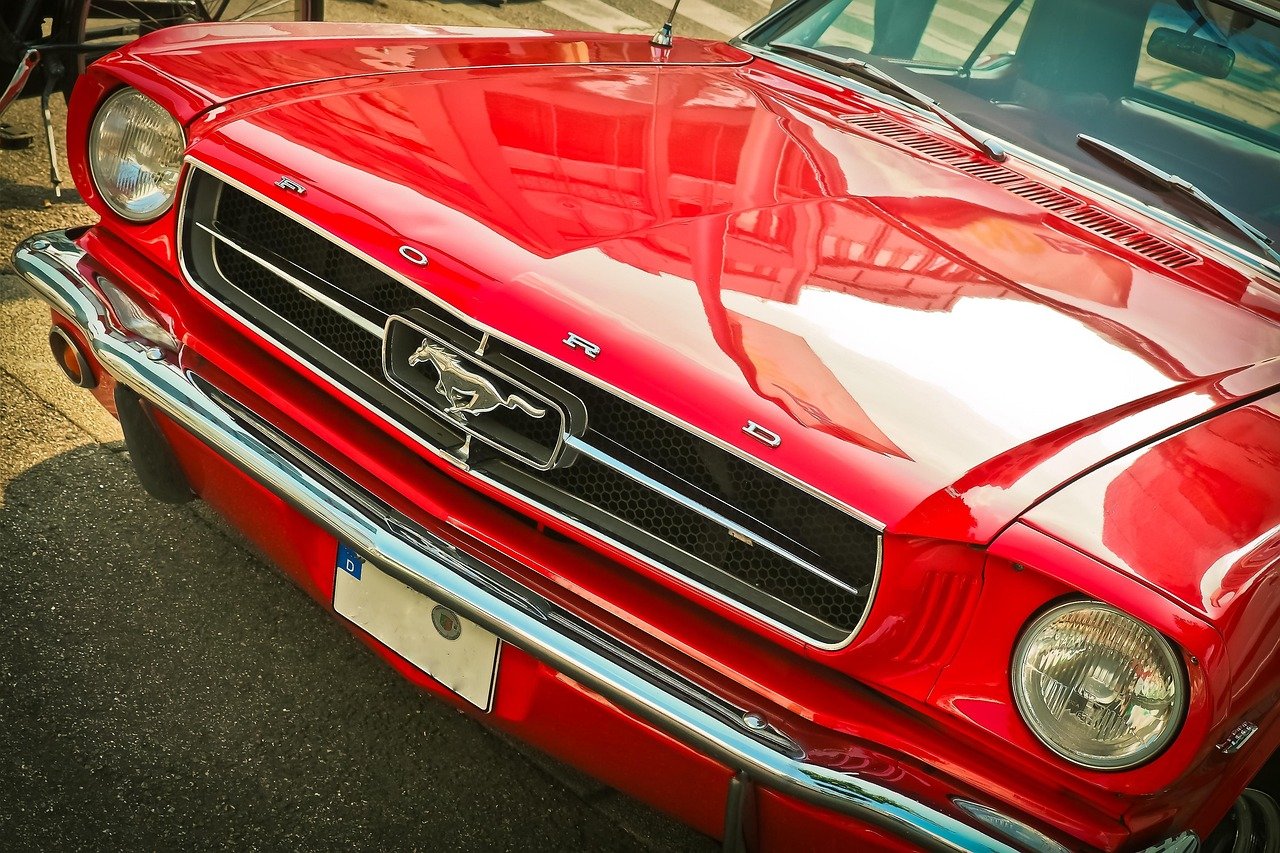
In 2024, a 1969 Ford Mustang Boss 429 crossed a public auction block for a sum that would have bought a comfortable suburban house in most American metros. That single sale tells you almost everything about the modern muscle car market: demand is global, documentation is currency, and the gap between a “driver” and a “collector” can be six figures. Whether someone is hunting a numbers-matching 1970 Chevelle SS or a 2015 Dodge Challenger Hellcat with low miles, the process of buying muscle cars for sale has changed dramatically in the last decade. This guide walks through where to look, how to verify a car, what drives value, and the mistakes that cost buyers real money.
What Actually Counts as a Muscle Car?
Here’s an uncomfortable truth for anyone shopping: “muscle car” has no legal or industry-standard definition. It’s an enthusiast and marketing term, and its boundaries shift depending on who’s talking. Purists argue the category belongs to mid-size American two-doors from roughly 1964 to 1972 with big-block V8s. Others fold in pony cars like the Mustang and Camaro, and plenty of modern listings include fuel-injected performance sedans that share nothing with a 1967 GTO except attitude.
That ambiguity matters when buying, because sellers price to whatever label attracts the most clicks. A listing described as a “muscle car” might be a genuine SS396 or a base-model coupe with a swapped engine and a stripe kit. Buyers who learn the difference before they start shopping save themselves weeks of wasted inspections.
Broadly, the market splits into three tiers:
| Tier | Typical Era | What Buyers Get | Price Behavior |
|---|---|---|---|
| Classic muscle | 1964–1974 | Carbureted V8s, chrome, simple mechanics | Strongly condition- and documentation-driven |
| Modern muscle | 2005–present | EFI, safety systems, factory horsepower | Depreciates, then stabilizes |
| Restomods and clones | Any | Modern drivetrains in classic bodies | Highly variable; authenticity is everything |
Where Muscle Cars for Sale Actually Change Hands
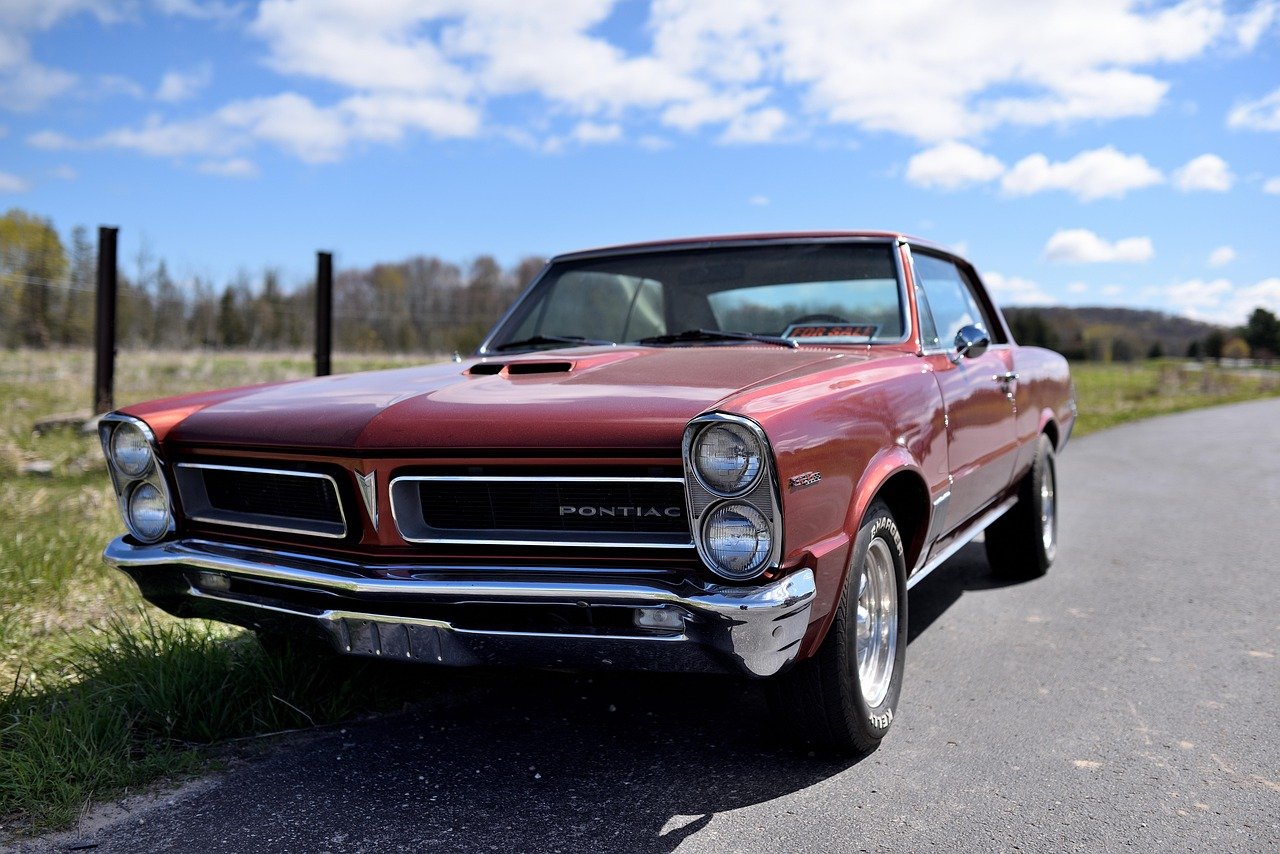
The channel a buyer chooses shapes both price and risk. Private sales often produce the best deals but carry the most paperwork burden. Dealerships and specialists charge a premium for convenience and, sometimes, for a warranty. Online auctions have become the dominant price-discovery mechanism.
Online auction platforms publish completed results, which makes them the most transparent reference point in the hobby. Completed-sale archives let a buyer see what a comparable car actually fetched rather than what a seller hopes to get. That transparency cuts both ways: it protects buyers from overpaying and forces sellers to price honestly.
Classified marketplaces and enthusiast forums remain strong for project cars and regional finds. Forums are underrated because long-time members often know a specific car’s history, and a seller’s post count can hint at how forthcoming they’ll be about rust repair.
Live auctions deliver drama and, occasionally, bargains, but the buyer’s premium and the pressure of a fast-moving block are real costs. First-timers frequently bid past their budget in the final thirty seconds.
For buyers who want structured comparisons across eras and models before committing, resources like Voozon Cars — Reviews, Comparisons & Car Guides can help narrow the shortlist without the noise of a marketplace listing.
The Verification Checklist That Saves Buyers Thousands
This is where most deals go wrong, and it has nothing to do with horsepower. The single most valuable habit in this market is verifying the car’s identity before money moves.
Check the VIN and Title History
Every state motor vehicle agency maintains title records, and the National Motor Vehicle Title Information System aggregates title and salvage data nationally. A branded title (salvage, rebuilt, flood) can cut a car’s value by half or more, and some sellers “clean” paperwork across state lines. Buyers should request a title history check through an approved provider and compare the VIN on the dash, door jamb, and engine stamping. (National Highway Traffic Safety Administration)
Confirm Matching Numbers
“Matching numbers” means the engine, transmission, and often the rear axle carry stampings that match the car’s original build. It’s the phrase that separates a $35,000 car from a $90,000 car. Ask for photographs of the stampings, the trim tag, and any build sheet or window sticker. A seller who can’t produce them isn’t necessarily dishonest, but the price should reflect an undocumented car. (Muscle car)
Inspect for Rust and Prior Collision Repair
Mid-century unibody cars rust in predictable places: floor pans, trunk drops, rear frame rails, cowl vents, and lower quarter panels. A magnet and a bright flashlight reveal filler faster than any inspection report. Frame damage on a unibody car is often permanent, and a car that’s been clipped together should be priced accordingly.
Verify the Paperwork Trail
Original documentation, including build sheets, dealer invoices, and ownership history, is the closest thing this hobby has to a provenance certificate. According to collector-car valuation guidance published by Hagerty, condition and documentation are among the strongest drivers of value within any given model. A well-documented “driver” frequently outsells an undocumented show car.
What Actually Drives Muscle Car Prices
Buyers new to the market often assume horsepower rules. It doesn’t. The hierarchy of value looks roughly like this:
- Authenticity — real SS, real R/T, real Cobra Jet. Clones trade at a steep discount even when they’re better built.
- Documentation — build sheets, original invoices, ownership chains.
- Condition — rust-free bodywork, correct interior, mechanical health.
- Rarity and option load — a four-speed convertible with a big-block and air conditioning sits at the top of most model hierarchies.
- Color — genuinely. Certain factory colors command premiums because they were rare when new.
Modern muscle follows a different curve. Late-model Challengers, Camaros, and Mustangs depreciate like ordinary cars for the first several years, then flatten as low-mileage examples become scarce. Special editions with documented production numbers tend to hold value better than base models, though the gap is narrower than classic-market sellers like to claim.
Common Mistakes Buyers Make
The same errors show up again and again in this market, and nearly all of them are avoidable.
Buying the engine, not the car. A thumping big-block is intoxicating on a test drive. It’s also the easiest thing to swap. The body and paperwork are what hold value.
Skipping the pre-purchase inspection. A specialist inspection costs a few hundred dollars and routinely uncovers five-figure problems. It’s the cheapest insurance in the hobby.
Ignoring registration and emissions rules. Jurisdictions treat older vehicles very differently. Some regions exempt historic vehicles from emissions testing; others require compliance regardless of age. Buyers importing or registering a car across state or national lines should confirm the rules with the relevant environmental and motor vehicle authorities before purchase, not after.
Paying in full before paperwork clears. Title transfers take time. A wire transfer sent before the title is verified leaves the buyer with almost no leverage.
Falling for urgency. “Another buyer is flying in tomorrow” is a sales tactic, not a fact. Genuine muscle cars for sale are not scarce; genuine well-documented ones are.
Fraud, Scams, and How to Spot Them
Vehicle sales fraud is a persistent problem, and online listings are the primary vector. The FBI’s Internet Crime Complaint Center publishes annual data on internet-enabled crime, including vehicle-sales scams, and the pattern is consistent: too-good pricing, pressure to wire funds, sellers who are “out of the country,” and listings that use photos lifted from other sites.
Practical defenses are simple. Reverse-image-search the photos. Insist on a video call with the car and the VIN visible. Use an escrow service for long-distance deals. Never send a deposit to an account that doesn’t match the seller’s verified identity. And remember that a legitimate seller wants a careful buyer, because careful buyers close.
Modern Muscle: A Different Buying Playbook
Shopping a 2018 Mustang GT or a 2021 Challenger Scat Pack is closer to buying any used performance car than to the classic-market ritual. The priorities shift:
- Service records matter more than build sheets.
- Accident history shows up on vehicle history reports and should be verified against panel gaps and paint match.
- Warranty status can add real value on late-model cars.
- Modifications cut value on modern cars in a way they don’t on classics. A tuned ECU and aftermarket exhaust may void coverage and narrow the resale pool.
Buyers weighing modern versus classic often find the cars built around experience angle useful: modern muscle delivers reliable performance, while classics deliver character and a mechanical relationship the driver has to maintain. Neither is objectively better, but the ownership costs diverge sharply.
Setting a Realistic Budget
The purchase price is only the first number. Buyers should plan for:
| Cost Category | Typical Range | Notes |
|---|---|---|
| Pre-purchase inspection | $200–$600 | Higher for classics with lift time |
| Title and registration | Varies by state | Historic plates often cheaper |
| Insurance (agreed value) | 1–2% of value annually | Needed for classics |
| Immediate sorting | 5–15% of purchase price | Expect surprises |
| Storage | $100–$400 monthly | Climate control recommended |
A buyer who budgets only the purchase price and nothing else is the buyer who sells at a loss two years later. The hobby rewards patience and punishes optimism.
Negotiating Without Alienating the Seller
Good negotiation in this market is mostly preparation. Know the comparable sales. Know the inspection findings. Know the cost of the repairs the car needs. Then make a single, well-supported offer rather than a series of lowballs. Sellers who’ve been in the hobby for decades respond to evidence, not pressure.
Cash isn’t always king, either. A buyer who can close quickly, handle paperwork cleanly, and doesn’t demand a dozen extra photos after agreeing on price often wins a car over a higher bidder. Reputation travels in this community.
Conclusion
The muscle car market rewards buyers who treat it like a research project rather than a shopping spree. Verify the VIN and title, confirm matching numbers, inspect for rust, and price against completed sales rather than asking prices. Understand that “muscle car” is a loose label and that authenticity, not horsepower, carries the value. Whether the target is a documented 1969 Mach 1 or a low-mileage modern Challenger, the same discipline applies: slow down, check everything twice, and let the paperwork do the talking. Buyers who follow that playbook end up with cars they can drive, enjoy, and eventually sell without regret. Those who skip it end up with expensive lessons and a classified ad of their own. For anyone still mapping the landscape, Voozon Cars — Reviews, Comparisons & Car Guides – Voozon — Discover, Review & Explore offers a useful starting point before the search begins in earnest.
How much should I budget for a first muscle car?
A running, roadworthy classic driver typically starts in the mid-five figures, and modern muscle can be found for considerably less. Budget an additional 10 to 15 percent of the purchase price for inspection, sorting, insurance, and immediate repairs. Buyers who stretch to the absolute limit of their funds often can’t afford the maintenance the car needs in year one.
What does “matching numbers” actually mean?
It means the engine, transmission, and often the rear axle carry factory stampings that correspond to the car’s original build and VIN. Documentation such as a build sheet or original invoice strengthens the claim. Undocumented cars can still be excellent, but they should be priced below documented equivalents.
Are clones and restomods worth buying?
Yes, if the price reflects what they are. A well-built tribute car can deliver most of the driving experience at a fraction of an authentic car’s cost. The risk is paying authentic money for a clone, which is why verifying VIN and trim tags before purchase is necessary.
How do I check a car’s title and history before buying?
Request a title history through an approved provider connected to the National Motor Vehicle Title Information System, and compare it against the physical VIN plates on the car. State motor vehicle agencies are the authoritative source for title status. Any discrepancy between the report and the car is a reason to walk away.
Do older muscle cars need emissions testing?
It depends entirely on the jurisdiction. Some regions exempt historic vehicles, others apply testing based on model year, and import rules add another layer. Buyers should confirm requirements with the relevant environmental and motor vehicle authorities before purchasing, especially for cross-border transactions.
What is the biggest red flag in a muscle car listing?
Pressure to move fast combined with a price well below market. Legitimate sellers welcome inspections and questions. Listings that discourage inspection, refuse video calls, or request wire transfers to accounts that don’t match the seller’s identity are the classic signature of vehicle-sales fraud.