
Cheap Cars Near Me: Spot a Real Deal in 2026
 Abdul WadoodLast updated
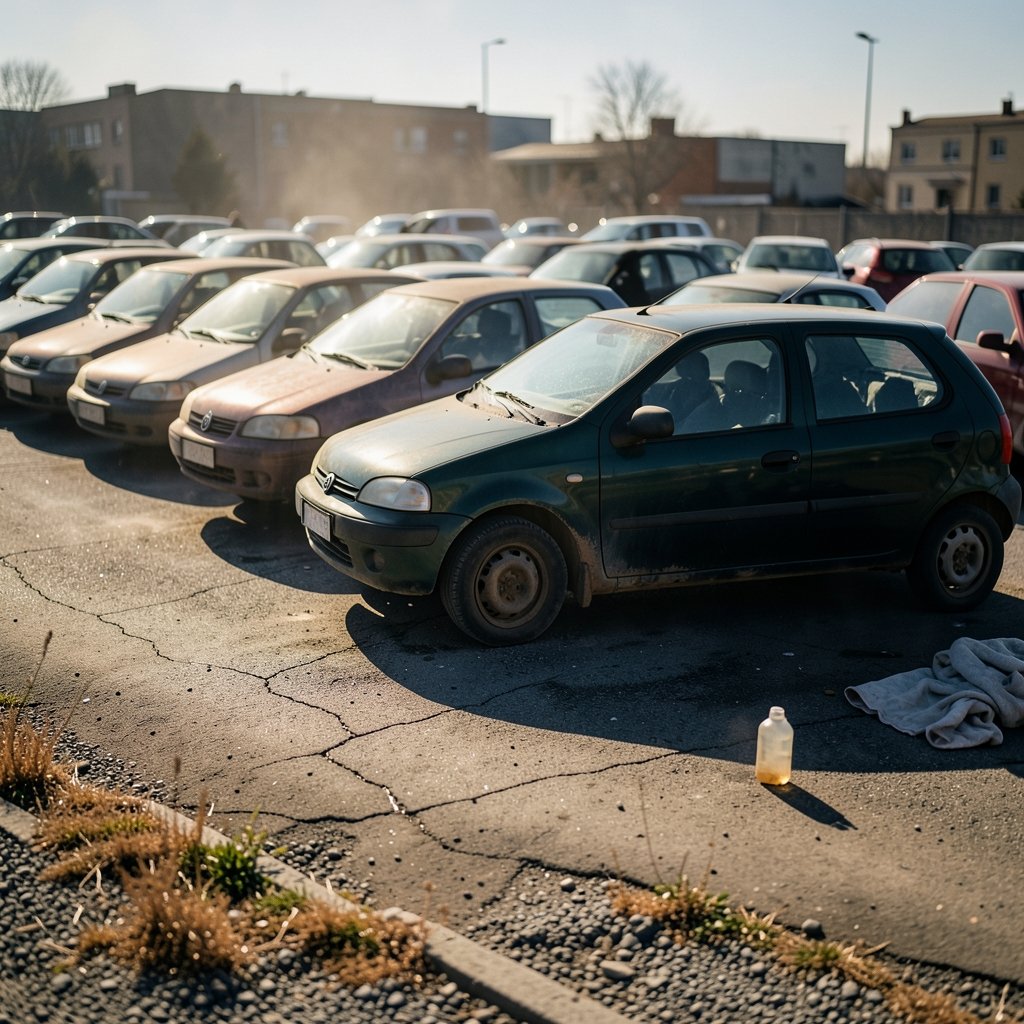
A car that costs $5,000 can quietly turn into a $9,000 car within six months. That is the central risk of shopping for cheap cars near me, and it is why the smartest buyers treat the search less like a treasure hunt and more like a due-diligence exercise. The sticker price is only the opening number. What matters is the total cost of getting that car safely and legally onto the road, and how much life is left in it.
The good news: affordable used cars exist in every market, and a disciplined search process filters out most of the traps. This guide walks through where to look, what to check, and the specific mistakes that cost buyers the most money. (Voozon Cars) (Cars)
Why “Near Me” Searches Are Trickier Than They Look
Search engines and marketplace apps interpret “near me” loosely. A query can return listings 60 miles away, sponsored ads for dealerships that don’t actually have the car in stock, and aggregator pages that scrape inventory from other sites. The result is a screen full of options that look local but aren’t.
The practical fix is to set a hard radius and stick to it. For most people, a 25 to 40 mile radius covers enough inventory without turning a test drive into a road trip. Widen it only when hunting a specific model that rarely appears locally.
There is also a habit worth building: check the listing date. A cheap car that has been listed for 90 days is either overpriced, misrepresented, or hiding a problem. Fresh listings at a fair price move fast, often within days.
The Real Cost of a Cheap Car Goes Beyond the Sticker
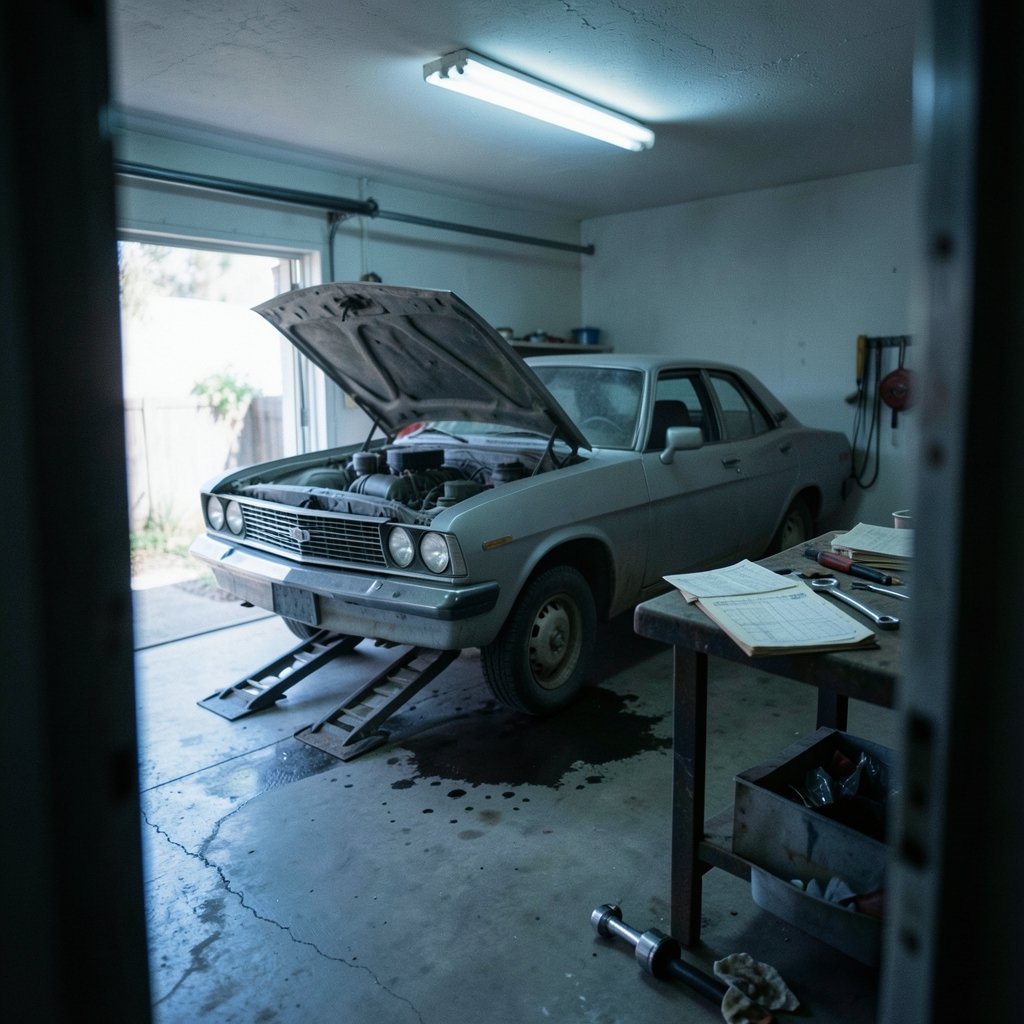
First-time buyers tend to compare purchase prices and stop there. A more useful comparison includes everything that follows the sale. The table below shows why two cars at the same price can differ by thousands over the first year.
| Cost Category | Low-Cost Car (well maintained) | Bargain Car (deferred maintenance) |
|---|---|---|
| Purchase price | $6,500 | $6,500 |
| Immediate repairs | $150 | $1,800 |
| Insurance (annual) | $1,100 | $1,100 |
| Registration and taxes | $300 | $300 |
| Fuel (12,000 miles) | $1,400 | $1,650 |
| First-year total | $9,450 | $11,350 |
The gap of roughly $1,900 comes almost entirely from deferred maintenance. That is the hidden tax on a bargain. A car with a thick folder of service records is usually worth several hundred dollars more than an identical model with none.
Where to Find Affordable Cars
Each channel has a distinct personality, and knowing the trade-offs saves time.
Dealership used lots
Dealers price higher but typically handle paperwork, offer limited warranties, and are bound by federal disclosure rules. The Federal Trade Commission requires most used cars sold by dealers to display a Buyers Guide window form stating whether the vehicle comes with a warranty or is sold “as is.” That form is a legal document, and reading it before signing anything is not optional. The FTC publishes consumer guidance on the Used Car Rule that explains exactly what the form must contain.
Private sellers
Private sales usually offer the lowest prices because there is no dealer overhead. The trade-off is that consumer protections are thinner, and the seller may not disclose problems they are not legally required to mention. Always meet in a public place, bring a second person, and never hand over cash before a title transfer is arranged.
Auctions and fleet sales
Government surplus auctions and fleet liquidations can produce genuine bargains, especially on sedans. The catch is that you often cannot test drive before bidding, and vehicles are sold as-is. This channel rewards buyers who can inspect a car mechanically or bring someone who can.
Online marketplaces and classifieds
These aggregate inventory fast, which is their strength and their weakness. Scams cluster here: fake listings, “deposit to hold” requests, and sellers who claim to be deployed overseas and want to ship the car. A legitimate seller will always allow an in-person inspection. Wider searches also suffer from inconsistent local results across categories, so treat any listing you find as unverified until you have confirmed the seller and the vehicle in person. (Find Hair Salons Near Me: 2026 Guide to Smart Searching)
The Pre-Purchase Inspection Is Non-Negotiable
If there is one piece of advice that pays for itself many times over, it is this: pay a mechanic to inspect the car before you buy it. A pre-purchase inspection typically costs a small fee and takes under two hours. It routinely uncovers problems that cost far more to fix than the inspection itself.
Bring a checklist to your own viewing too. Before the mechanic sees it, run these steps:
- Check the VIN on the dashboard against the VIN on the title and the door jamb sticker. Mismatches are a serious red flag.
- Look up the VIN for open safety recalls. The National Highway Traffic Safety Administration maintains a free recall lookup tool that anyone can use.
- Ask for the vehicle history report and read it for salvage branding, odometer inconsistencies, and accident records.
- Inspect the tires for uneven wear, which can signal alignment or suspension problems.
- Check fluid colors and levels, and look for leaks under the car after it has been parked.
- Test every feature: air conditioning, windows, locks, radio, lights, and the spare tire kit.
- Take a test drive that includes highway speeds, braking, and a tight turning circle.
The NHTSA recall database is free and takes about two minutes per vehicle. Skipping it is one of the most common and most avoidable mistakes in the cheap-car search.
Reading a Listing Like a Skeptic
Listings are marketing documents. Certain phrases deserve a second look.
“Runs great, minor issue” usually means a problem the seller doesn’t want to name. Ask directly what the issue is and get it in writing.
“No lowballers” often signals a seller who has already been told the car is overpriced.
“Cold A/C” is worth verifying in person, since air conditioning repairs can run into four figures.
“Recent tune-up” means nothing without receipts. Ask for them.
Photos matter too. Listings with only three blurry photos, or photos taken in the rain, tend to hide cosmetic damage. A seller who provides a dozen clear photos, including the odometer and the engine bay, is generally more trustworthy.
Financing and Insurance for Cheap Cars
An older, inexpensive car can be harder to finance than a newer one. Many lenders won’t write loans below a certain amount, and interest rates on small used-car loans tend to run higher. Paying cash avoids this entirely when possible.
Insurance is the opposite story: older cars are often cheaper to insure because their replacement value is lower. But comprehensive and collision coverage may not be worth the premium on a car worth $5,000. Run the numbers: if the annual premium for full coverage approaches 10% of the car’s value, liability-only coverage is often the more sensible choice.
One more cost to budget for: emissions and safety inspections, which vary by state and can fail a cheap car on minor issues. Check local requirements before buying.
Common Mistakes That Cost Buyers Money
The same errors show up again and again in cheap-car purchases.
- Buying on emotion. A shiny paint job can mask a tired engine. Slow down.
- Skipping the inspection to save a small fee, then paying for a major repair weeks later.
- Ignoring the title status. A salvage or rebuilt title dramatically reduces resale value and can complicate insurance.
- Not checking for liens. An unpaid loan on the car can follow the vehicle, not the seller.
- Forgetting the total cost. Budget for insurance, registration, taxes, and an immediate maintenance fund of several hundred dollars.
- Paying a deposit before seeing the car. This is the signature move of online car scams.
A useful mindset shift: the goal is not the cheapest car. It is the best car at the lowest total cost of ownership. Those are different targets, and they lead to different purchases.
When a Slightly Higher Price Is the Smarter Buy
There is a price floor below which cars become unreliable. Below roughly $3,000, most vehicles in that range need significant work, and the repairs can exceed the purchase price within a year. Stretching the budget modestly often produces a much better car.
The same logic applies to the wider world of buying decisions. Just as a buyer comparing cars built around experience weighs long-term satisfaction over sticker price, a used-car buyer should weigh reliability over the initial number. And when the search expands beyond vehicles, the same verification habits apply to any local purchase: check reviews, confirm the business exists, and don’t trust a single source.
For buyers who want a broader comparison framework before committing, a dedicated cars reviews and guides section offers model-level context that helps separate a well-built cheap car from a money pit.
Conclusion
Shopping for cheap cars near me rewards patience over speed. The steps are simple, but shortcuts rarely pay off: set a realistic radius, verify every listing, pull the vehicle history report, check for open recalls, and pay for a pre-purchase inspection before money changes hands. Budget for the total cost rather than the sticker price alone. Expect to walk away from at least a few cars, because the willingness to walk away is what protects you from a bad deal.
The right cheap car is out there. It just takes a clear process to find it, and a little skepticism to keep it from becoming expensive.
Frequently Asked Questions
What is the cheapest reliable used car to buy?
There is no single answer, because condition matters more than model. That said, compact sedans and hatchbacks from major manufacturers tend to have the lowest running costs, the widest parts availability, and the cheapest repairs. A well-maintained example of a common model is almost always a better buy than a neglected example of a premium one.
How many miles is too many on a cheap used car?
Mileage matters less than maintenance history. A car with high miles and a full service record can outlast a low-mileage car that skipped oil changes. As a rough guide, look for a timing belt or chain service record, and expect to budget for wear items like brakes, tires, and suspension components on any car past a certain age.
Should I buy from a dealer or a private seller?
Dealers cost more but offer paperwork support, limited warranties, and legal disclosure requirements. Private sellers are cheaper but carry more risk. First-time buyers often do better with a dealer, while experienced buyers who can inspect a car themselves can save money buying privately.
How do I check if a used car has been in an accident?
Order a vehicle history report using the VIN, then have a mechanic inspect the car for frame damage, mismatched paint, and uneven panel gaps. Reports don’t capture every incident, so the physical inspection is the more reliable check.
Is it safe to buy a car with a salvage title?
It can be, but the risks are higher. Salvage-title cars have been declared a total loss by an insurer, and repair quality varies enormously. They are harder to insure, harder to resell, and sometimes unsafe. Most buyers are better off avoiding them unless they have mechanical expertise.
What should I check before handing over money?
Confirm the VIN matches the title, verify there are no outstanding liens, get a signed bill of sale, and complete the title transfer at the appropriate local agency. Never pay in full before receiving the signed title, and avoid wire transfers or gift cards, which are common tools in car scams.