
Cyberpunk Cars: Fiction, Film & Real Steel Guide
 Abdul WadoodLast updated
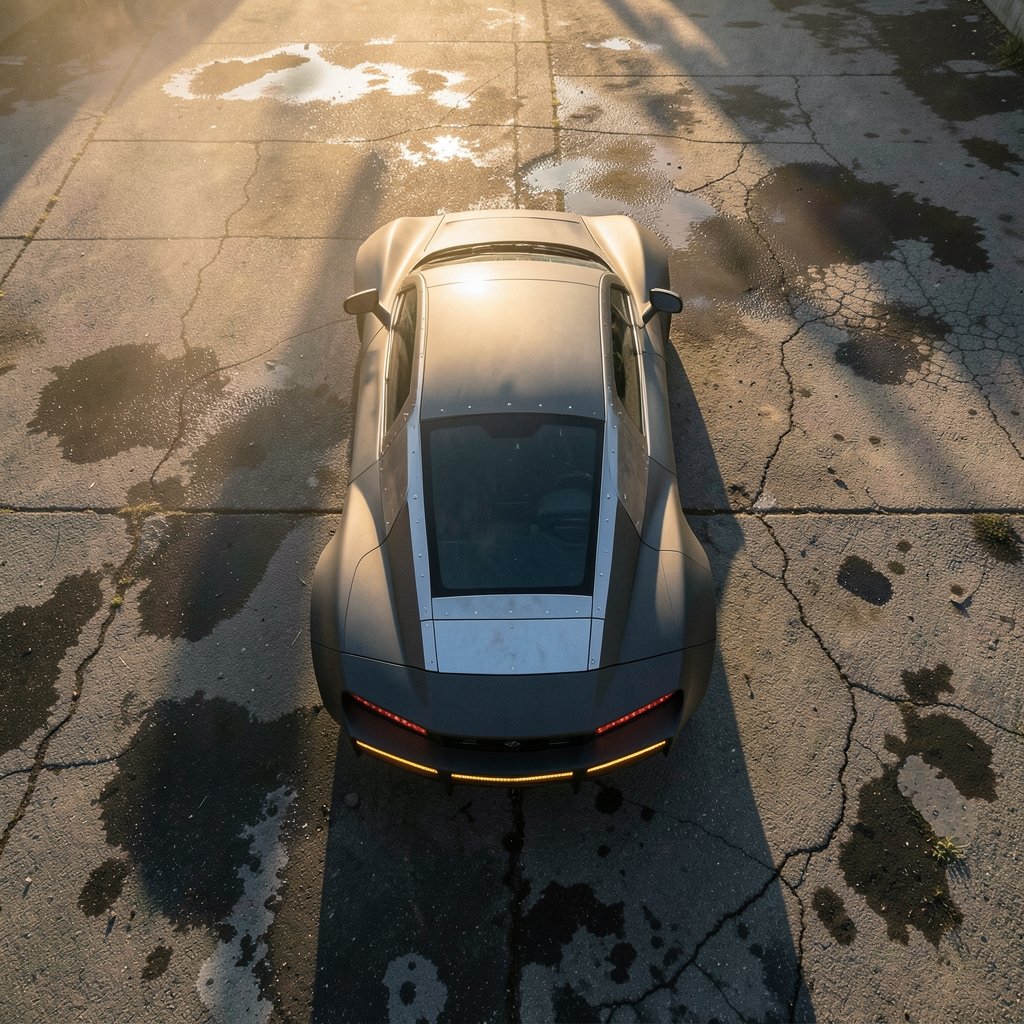
A single film released in 1982 did more to shape how we imagine future vehicles than a century of auto shows. That film was Blade Runner, and its flying police “spinners,” designed by industrial artist Syd Mead, gave the world a template for what a cyberpunk car should look like: brutal, angular, lit by neon, and built for a city that never sees daylight. Decades later, that template has leaked out of fiction and onto real roads, from stainless-steel pickup trucks to customized builds wrapped in LED strips. This article separates the three worlds that get blurred together: cyberpunk vehicles in fiction, real cars that borrow the aesthetic, and the tuning culture that lives somewhere in between.
What Actually Makes a Car “Cyberpunk”?
There is no official definition, and that matters. “Cyberpunk cars” is not a documented vehicle category the way “muscle car” or “hot hatch” is. It is a visual and cultural label, and it gets applied to three very different things. First, fictional vehicles from cyberpunk films, games, and books. Second, real production or concept cars that press and fans describe as cyberpunk-adjacent. Third, aftermarket builds where owners chase the look themselves. (Cyberpunk)
What ties them together is a shared design language. Think high-tech and low-life: the technology looks advanced but the world around it looks worn out. In practice, that means a few recurring ingredients.
| Design Element | What It Signals |
|---|---|
| Sharp, faceted body panels | Industrial, military, unpolished |
| Exposed mechanical parts | Function over finish |
| Neon or LED accent lighting | Night-city atmosphere |
| Dark, matte, or bare-metal finishes | Grit rather than glamour |
| Oversized wheels and low stance | Aggression and presence |
Knowing these ingredients helps explain why certain real cars get the label and others never do. A chrome-heavy luxury sedan, however fast, rarely reads as cyberpunk. A matte-black machine with hard edges and glowing trim almost always does.
The Fiction That Started It All
Blade Runner and the Spinner
The 1982 film set the visual vocabulary. Its spinners combined the look of a helicopter cockpit with a car body, and the production leaned on modified real vehicles for ground-level scenes, including a police car built on an AMC Matador platform. The point was never realism. It was atmosphere: machines that looked like they had been repaired a hundred times in a city that had given up on beauty.
Akira and the Two-Wheel Icon
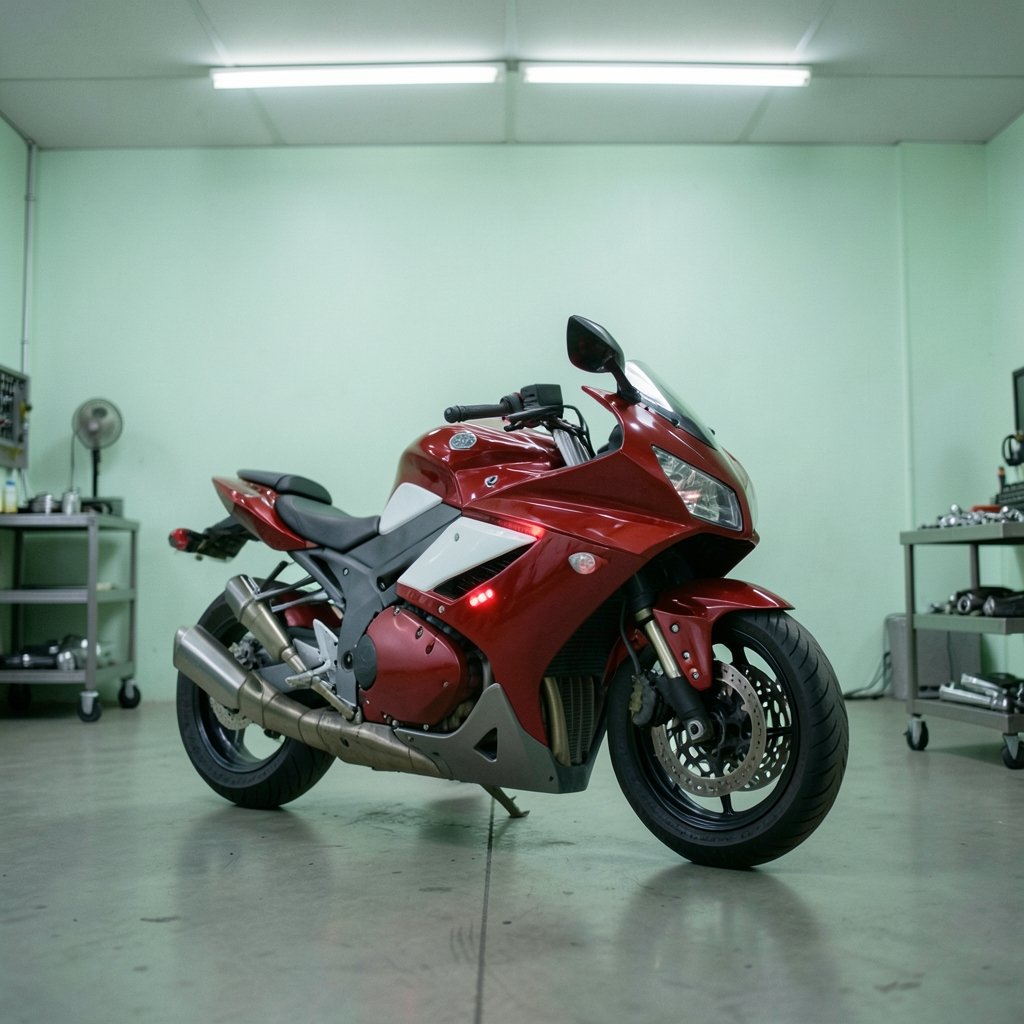
The 1988 anime Akira gave the genre its most famous motorcycle. Kaneda’s red bike, with its low-slung bulk and glowing accents, became a reference point for designers well beyond animation. If you want to understand why cyberpunk vehicles lean so hard into red and white against darkness, start here.
Cyberpunk 2077 and the Modern Car Design Plan
The 2020 game from CD Projekt Red, released on 10 December 2020, is arguably the single biggest source of the current look. It populated its world with fictional manufacturers such as Quadra, Rayfield, and Thorton, each with a distinct design identity, and built a whole vehicle culture around its “Nomad” faction. For a generation of designers and fans, that game’s art direction is the reference library.
The Fifth Element and the Flying Taxi
Luc Besson’s 1997 film took a different route, using heavily customized vehicles and practical miniature effects to create a layered, crowded skyline of traffic. It is a reminder that cyberpunk cars are often defined less by any one vehicle than by the density and chaos around them.
Real Cars That Earn the Label
The DeLorean DMC-12
Produced from 1981 to 1982, with roughly 9,000 built, the DMC-12 was a commercial disappointment. Then Back to the Future (1985) turned it into an icon, and later appearances in games like Cyberpunk 2077 cemented its retro-futurist status. The lesson is instructive: the car’s bare stainless-steel body and gullwing doors were not designed to look cyberpunk. They were designed to look futuristic, and the two ideas converged.
The Tesla Cybertruck
Unveiled on 21 November 2019 and first delivered to customers on 30 November 2023, the Cybertruck is the clearest example of a major manufacturer chasing this aesthetic on purpose. Its angular stainless-steel exoskeleton drew immediate comparisons in the press to cyberpunk design language. Whether it succeeds as a design is a separate argument from whether it is recognizably cyberpunk, and on that second question the answer is obviously yes.
Concept Cars and the Long Shadow of Syd Mead
Concept vehicles have borrowed from this visual world for decades, and the borrowing runs both ways. Designers who grew up on Blade Runner now shape real production cars, which is why modern EVs increasingly feature light bars, flush surfaces, and hard creases. For a deeper look at how experience and design intersect in modern vehicles, see this piece on the cars built around experience.
The Tuning Scene: Building Cyberpunk in Your Garage
This is where things get practical, and where most people get it wrong. The aftermarket world has absorbed the cyberpunk look enthusiastically, and the results range from genuinely striking to genuinely regrettable. Japanese bosozoku and kaido-racer culture is often cited as an ancestor of the style, though claims about exact origins are frequently overstated in enthusiast media and should be treated with caution.
If someone wants to push a car toward this look, a few moves work far better than others.
- Start with finish, not parts. A matte, satin, or bare-metal wrap changes the entire read of a car for a fraction of the cost of bodywork. Glossy chrome fights the aesthetic; dark satin supports it.
- Add light deliberately. A single continuous LED accent line reads as intentional. Scattered strips read as a fairground ride.
- Respect the proportions. Lowering and wider wheels help. Slamming a car until it cannot clear a speed bump mostly signals that the build was never meant to be driven.
- Keep the mechanicals honest. Exposed components look great when they are clean and functional. They look tired when they are rusty and neglected.
- Check the law before you commit. Lighting rules, window tint limits, and ride-height requirements vary enormously by jurisdiction, and a build that fails inspection is an expensive lesson.
The most common mistake is treating cyberpunk as a shopping list. Buying every angular accessory available produces a car that looks assembled rather than designed. The strongest builds pick two or three signature elements and execute them cleanly. For reviews and comparisons of specific models worth starting from, Voozon Cars is a useful reference point.
Why the Aesthetic Refuses to Die
Cyberpunk as a literary movement dates to the 1980s, but its visual language has proven unusually durable. Part of the reason is technological: LED lighting, cheap digital displays, and advanced wraps have made the look achievable for ordinary owners. What once required a film budget now requires a weekend and a reasonable credit limit.
Part of the reason is emotional. Cyberpunk design is fundamentally about uneven technological progress, and that theme has only become more relevant. A car that looks fast and slightly broken speaks to people in a way that a perfectly polished luxury sedan does not. The aesthetic carries a small amount of critique inside it, even when the owner just thinks it looks cool.
There is also a feedback loop at work. Game designers study real concept cars. Real designers play games. Enthusiasts build what they see in both, and the results get photographed and fed back into the next cycle. That loop is why the look keeps refreshing itself instead of calcifying. For a wider survey of how these visual trends show up across models, browse the Voozon Cars reviews and comparisons hub.
What to Be Skeptical About
A healthy dose of caution is warranted here, because this topic attracts speculation. Specific claims that a particular real car “inspired” a particular fictional vehicle are usually fan theory rather than documented fact. Unless a designer or studio has confirmed the link, treat it as interesting gossip. The same applies to confident statements about the exact origins of tuning subcultures; enthusiast media repeats them, but primary documentation is thin.
The safer approach is to enjoy the connections without overstating them. The DeLorean’s place in retro-futurism is well documented. The Cybertruck’s angular design is a matter of public record. The line between them is a matter of interpretation, and interpretation is where readers should be allowed to disagree. For broader automotive context that grounds these design discussions, resources like Wikipedia’s automotive design overview and the Cybertruck’s documented history are reasonable starting points, while Forbes and the Harvard Business Review regularly cover how design trends shape consumer demand.
Conclusion
Cyberpunk cars are not one thing. They are a film prop, a game asset, a production vehicle, and a garage project, all sharing a visual grammar built on hard edges, dark finishes, and light that cuts through the gloom. The fiction gave us the vocabulary, the Cybertruck and the DeLorean gave us real-world anchors, and the tuning scene gives anyone with a modest budget a way to participate. What makes the aesthetic last is not nostalgia. It is that the tension between impressive technology and an imperfect world has never stopped being relevant. Whether you are designing, buying, or building, the rule is the same: pick your elements with intent, and let the machine look like it belongs to the city it drives through.
Frequently Asked Questions
What is a cyberpunk car?
There is no formal definition. The term describes vehicles that share a visual style drawn from cyberpunk fiction: sharp faceted bodywork, dark or bare-metal finishes, neon or LED accent lighting, and a general sense of advanced technology in a worn world. It applies to fictional vehicles, real production cars that borrow the look, and aftermarket builds.
Was the DeLorean DMC-12 designed to look cyberpunk?
No. It was produced from 1981 to 1982 as a sports car with a stainless-steel body and gullwing doors, and it sold poorly. Its cyberpunk reputation came later, largely through Back to the Future in 1985 and its appearances in games such as Cyberpunk 2077. The futuristic intent was there from the start; the cyberpunk label was applied afterward. (Cyberpunk news and features)
Is the Tesla Cybertruck a cyberpunk car?
By appearance, largely yes. Unveiled on 21 November 2019 and first delivered on 30 November 2023, its angular stainless-steel exoskeleton drew widespread comparisons to cyberpunk design in the press. Whether it is a good design is a separate question, but it is recognizably part of this visual family.
Which film had the biggest influence on cyberpunk vehicle design?
Blade Runner, released in 1982, is the usual answer. Syd Mead’s spinner designs and the film’s layered, neon-soaked city established much of the visual vocabulary that later films, games, and real-world designers drew from. Akira (1988) is the other major influence, particularly for motorcycles.
Can I make my own car look cyberpunk?
Yes, and finish matters more than parts. A matte or satin wrap, a single well-placed LED accent line, and modest suspension and wheel changes will do more than a pile of bolt-on accessories. Check local lighting, tint, and ride-height regulations first, since a build that fails inspection is money wasted.
Are cyberpunk car designs based on real vehicles?
Sometimes, but the links are often exaggerated. Some film productions modified real cars for ground scenes, and real concept cars have influenced fictional designs. However, claims that a specific real car inspired a specific fictional vehicle are usually fan speculation unless a designer or studio has confirmed it.