
Used Electric Cars: What to Check Before Buying in 2026
 Abdul WadoodLast updated

Roughly one in five new cars sold worldwide in 2024 was electric, and those cars are now flowing into the used market in serious volume. That wave has created something genuinely new for ordinary buyers: a secondhand car market where the most important component has no dipstick, no exhaust note, and no easy way to inspect it in a driveway. A used electric car can be the smartest purchase on the lot or an expensive lesson in battery chemistry. The difference comes down to a handful of checks that most buyers still skip.
Why the Used EV Market Finally Makes Sense
For years, buying used electric felt like a gamble on someone else’s science experiment. Early models had small batteries, slow charging, and limited range. Today’s secondhand stock is different. Cars coming off three-year leases often carry 250 miles of range or more, support fast charging, and still have years of battery warranty left.
Prices have adjusted too. Rapid technology turnover and aggressive new-car incentives pushed depreciation hard on some models, which stings for original owners but works in a buyer’s favor. The pattern isn’t uniform, though. Some models hold value well because of strong battery reputations and long software support, while others fall fast. That spread is exactly why research beats guesswork. If you want a sense of how quickly the hardware itself is evolving, the industry’s own coverage of electric icons changing the road shows how fast each generation dates the one before it. (Electric car)
Battery Health Is the Whole Ballgame
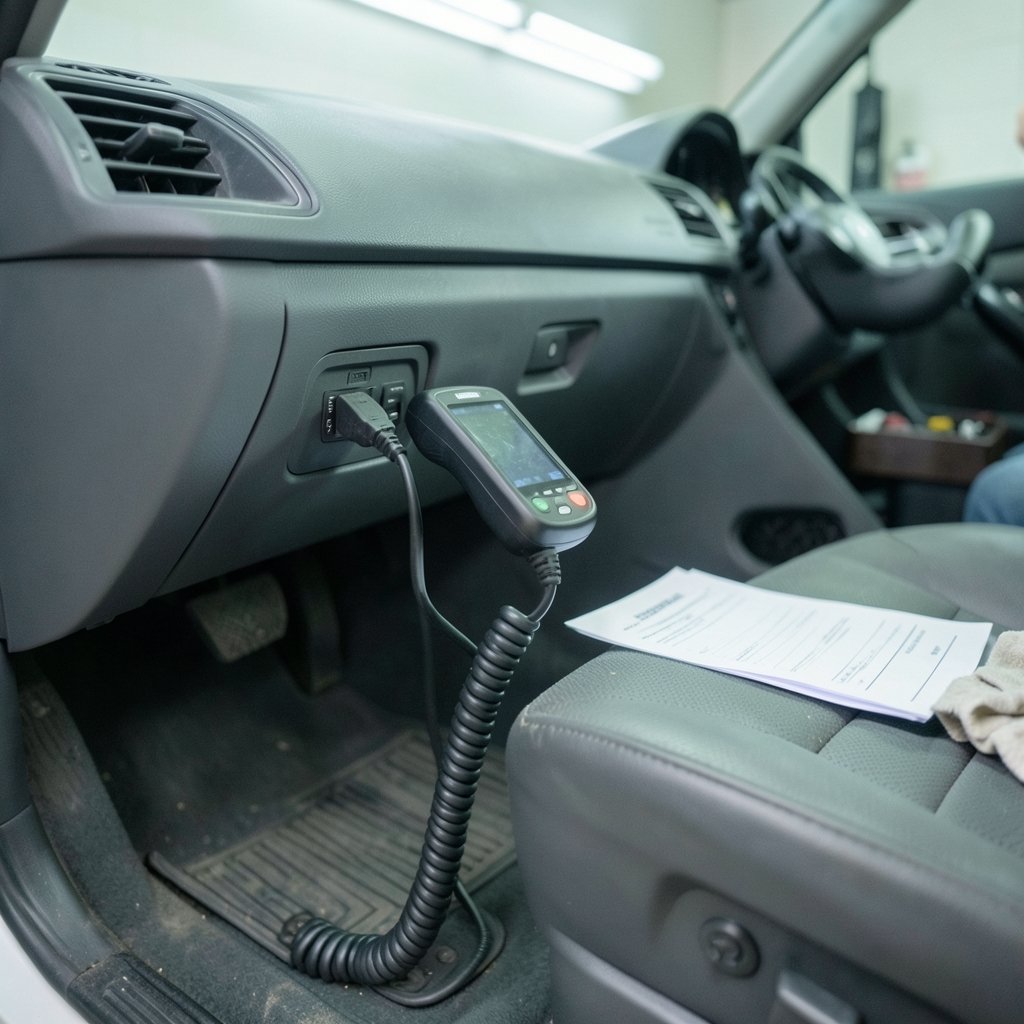
Everything about a used EV’s value traces back to the traction battery. It degrades with age and charge cycles, and that degradation shows up as lost range. State of health (SoH) is the number that matters: a battery at 90 percent SoH has lost about a tenth of its original capacity. A car at 75 percent may still drive fine but will charge more often and resell poorly.
The problem is that SoH isn’t printed on the dashboard of most used cars. Sellers rarely volunteer it. Buyers have to ask, and the answer varies wildly by brand.
What actually works in practice:
- Request a battery health report in writing. Many manufacturers now offer diagnostic reports through dealers, and third-party inspection services can pull battery data through the OBD port.
- Ask for the original range estimate and compare it to current real-world range. A test drive that starts at 100 percent charge and ends with a known percentage used gives a rough capacity check.
- Check the warranty clock. Most EV batteries in the US carry at least an 8-year or 100,000-mile warranty, whichever comes first. A car with three years of coverage left is a very different risk than one about to expire.
- Check charging habits alongside mileage. A car that lived on DC fast charging every day may show more degradation than a higher-mileage car that charged slowly at home.
A common mistake is treating low mileage as proof of a healthy battery. Calendar aging is real. A five-year-old car with 20,000 miles can have a weaker battery than a three-year-old car with 60,000 gentle miles. Age and charging behavior often matter more than the odometer.
The Charging Standard Question Nobody Warned You About
In 2023, major automakers began announcing adoption of Tesla’s North American Charging Standard for future vehicles, with several brands planning native NACS ports from model year 2025. That announcement reshaped the charging landscape and, quietly, the used market.
For used buyers, the practical questions are simple. Does the car use CCS or NACS? Can it access the largest fast-charging networks today, or does it need an adapter? Will the manufacturer provide that adapter, and at what cost? A used EV that suddenly needs a $200 adapter to use the best network is still a fine car, but that cost belongs in your math.
The good news is that the transition mostly favors buyers. More standardization means fewer dead ends at charging stations over the life of the car. The bad news is that the transition is uneven, and a salesperson may not know the details. Check the port yourself, and confirm adapter availability with the manufacturer, not the lot.
What to Inspect Beyond the Battery
A used EV is still a used car, and the non-battery parts deserve the same scrutiny as any combustion vehicle. A few EV-specific items deserve extra attention.
| Check | Why It Matters | Typical Red Flag |
|---|---|---|
| Charging equipment | Cables and adapters are expensive to replace | Missing portable charger, frayed cable |
| Software and recalls | Updates can fix bugs or add features | Dealer can’t confirm recall status |
| Tires | EVs are heavy and wear tires faster | Mismatched or budget tires on a heavy car |
| Brakes | Regenerative braking means less use, more corrosion | Rusty rotors from long sitting |
| Cooling system | Battery thermal management is critical | Leaks, warning lights, service gaps |
| Infotainment support | Older systems may lose app and map updates | No recent software updates available |
Tires catch people out. Electric cars are heavy, torque-rich, and often fitted with low-rolling-resistance rubber that wears quickly. A set of replacement tires can run well over $800, so tread depth is a negotiating point, not a footnote. Brakes are the opposite story: because regenerative braking does most of the slowing, rotors can rust from disuse on low-mileage cars. A car that sat for months may need brake work despite looking pristine.
The Tax Credit and the Paperwork Trap
In the US, the used clean vehicle credit can take up to $4,000 or 30 percent of the sale price, whichever is lower. The rules are strict: the car must be at least two model years old, the sale price must fall under a cap of roughly $25,000, the purchase must be from a licensed dealer rather than a private seller, and the buyer’s income must stay under set limits. The credit is claimed at the point of sale when the dealer reports it correctly.
Rules in this area have changed repeatedly since the Inflation Reduction Act passed in 2022, and thresholds have been adjusted. Buyers should confirm current figures directly with the IRS before signing, because a dealer working from last year’s guidance can cost a buyer thousands. In Europe, the picture is different again: battery transparency rules under the EU Battery Regulation, which entered into force in 2023, are gradually pushing manufacturers toward disclosing battery data, which should make cross-border used purchases less of a leap of faith.
The paperwork mistake people make most often is assuming a private sale qualifies. It usually doesn’t. If the credit is part of your budget, buy from a dealer and confirm eligibility in writing before the deal closes.
How to Value a Used EV Without Getting Burned
Valuation is where used EVs break the normal rules. Standard pricing guides lag on battery-specific data, so two identical cars with different battery histories can be worth very different amounts. A practical approach is to build your own comparison.
Start with the range you actually need, not the range on the window sticker. Most drivers cover well under 40 miles a day, so a car rated at 200 miles still works comfortably at 80 percent of that after a decade of degradation. Then compare three or four candidate models on battery warranty remaining, charging speed, and software support. The Voozon Cars reviews and comparisons hub is a reasonable starting point for model-by-model context, and the site’s look at the cars built around experience is useful for understanding why some models age better than others in daily use.
A second mistake is overpaying for range you’ll never use. Long-range variants carry a premium on the used market, but if the car will mostly do school runs and commutes, a standard-range version with a healthier battery is often the better buy. Spend the premium on battery condition, not on a bigger pack.
What Depreciation Really Means for You
Depreciation looks like bad news, but on the used side it’s the entire point. Some EVs lost value quickly between 2022 and 2024, partly because new-car price cuts and incentives reset the market. For a second buyer, that’s a discount on capable hardware.
The flip side is resale risk. If you buy a model with a weak battery reputation or a discontinued software platform, you may face the same steep curve when you sell. Models with long warranty coverage, active software updates, and strong charging access tend to hold value better. That’s not brand loyalty talking; it’s the market pricing in confidence.
Should You Buy New Instead?
Sometimes the math favors new, especially with incentives. A new EV with a full tax credit, a fresh warranty, and the latest charging standard can cost surprisingly close to a lightly used equivalent once you factor in financing rates and incentives. Used wins when the price gap is large, the battery report is clean, and remaining warranty covers your ownership period.
A simple rule: if the used car’s price plus expected repairs isn’t at least 20 percent below a comparable new car after incentives, look harder at new. That buffer is your insurance against battery surprises.
Conclusion
Used electric cars reward preparation more than any other segment of the market. The hardware is durable, running costs are low, and the depreciation that hurt original owners has created real value. But the battery is the car, and buyers who skip the health report, ignore the warranty clock, or assume a tax credit without checking the rules are the ones who get stung. Do the checks, get the numbers in writing, and buy the healthiest battery your budget allows rather than the longest range on the lot. That single shift in priorities is what separates a smart used EV purchase from an expensive gamble.
Frequently Asked Questions
How do I check the battery health of a used electric car?
Ask for a written battery health report from a dealer or a third-party inspection service that reads data through the car’s diagnostic port. Compare the original range estimate with current real-world range on a test drive, and check how much warranty remains. If a seller can’t or won’t provide battery data, treat that as a reason to walk away.
Is it worth buying a used EV with high mileage?
Often yes, if the battery report is clean. Electric motors and drivetrains have far fewer moving parts than combustion engines, so high mileage isn’t the risk it once was. What matters more is battery age, charging history, and whether the car sat unused for long stretches, which can cause brake and cooling system issues.
What warranty should I expect on a used electric car?
Most EV batteries in the US carry at least an 8-year or 100,000-mile warranty, whichever comes first, and many manufacturers offer longer coverage. A used car with two or more years of battery warranty left gives you a meaningful safety net. Always confirm the warranty transfers to a second owner, since most do but some don’t.
Does the used EV tax credit apply to private sales?
Generally no. The US used clean vehicle credit requires a purchase from a licensed dealer, a sale price under the cap (around $25,000), a vehicle at least two model years old, and buyer income under set limits. Rules have changed repeatedly since 2022, so confirm current thresholds with the IRS before you sign anything. (Green Vehicle Guide)
Will a used EV with an older charging port still work for me?
Usually yes, but check adapter availability first. Cars with CCS ports can often access Tesla’s network through manufacturer-provided adapters, while newer cars may have native NACS ports. Confirm with the manufacturer whether an adapter is included, what it costs, and which networks it works with before you buy.
How much range loss is normal on a used electric car?
A reasonable expectation is a few percent of capacity lost per year of age, with faster loss in hot climates and on cars that relied heavily on fast charging. A five-year-old car at 85 to 90 percent of original capacity is generally healthy. Anything below about 75 percent deserves a price adjustment or a pass, especially if warranty coverage is nearly gone.