
Sports Cars: What Defines Them & Why It Matters
 Abdul WadoodLast updated
In 1989, a tiny two-seat roadster with just 116 horsepower rolled onto the floor of the Chicago Auto Show. It was the Mazda MX-5 Miata, and it went on to become the best-selling two-seat sports car in history, a record recognized by Guinness World Records. That single fact tells you something important about this category: raw power has never been the whole story. Sports cars are about balance, feel, and the relationship between driver and machine. This guide breaks down what makes a sports car, how the segment evolved, and what buyers should actually watch for.
What Makes a Car a Sports Car?
There is no single official definition of a sports car. That surprises people. The term gets used loosely, and manufacturers stretch it to cover everything from hot hatchbacks to grand tourers. Still, most engineers and enthusiasts agree on a core set of traits.
A traditional sports car typically has two seats, a low center of gravity, and a layout built around handling rather than hauling people or cargo. Rear-wheel drive is common, though not universal. The priority is driving engagement: steering feel, chassis balance, and a power-to-weight ratio that rewards skill.
The confusion comes from overlap. A grand tourer (GT) is a sports car built for long-distance comfort. A muscle car emphasizes straight-line acceleration. A hot hatch borrows sports car handling but keeps practical space. None of these labels is wrong, exactly. They just describe different points on a spectrum.
The Traits That Matter Most
When engineers talk about what separates a sports car from a fast sedan, a few things come up again and again:
- Low mass. Less weight improves acceleration, braking, and cornering all at once. It is the cheapest performance upgrade there is.
- Chassis rigidity. A stiff structure lets the suspension do its job precisely.
- Weight distribution. Near 50/50 front-to-rear is a common target for balanced handling.
- Driver feedback. Manual gearboxes, hydraulic steering, and communicative brakes are prized by purists, even as they disappear from mainstream cars.
Lightness, not horsepower, is the thread that connects almost every great sports car ever built.
A Short History of the Segment
The sports car as a category took shape in post-war Europe. Small, nimble roadsters from Britain and Italy defined the early era. Then came the cars that still anchor the segment today.
The Porsche 911 arrived in 1963, first shown as the 901 before a naming dispute with Peugeot forced the change to 911. Its rear-engine layout was unusual then and remains unusual now, and the model has stayed in continuous production for more than six decades.
The Datsun 240Z launched in 1969 and proved that a reliable, affordable sports car could undercut European rivals on price without embarrassing itself on a twisty road. The Z line has continued across multiple generations since.
The Chevrolet Corvette debuted in 1953, and after decades of front-engine layouts, the C8 generation moved to a mid-engine design for the 2020 model year. That shift was significant: mid-engine placement concentrates mass near the center of gravity, which sharpens rotational response and puts more weight over the driven rear wheels for traction.
The Mazda MX-5 arrived in 1989 and revived the affordable roadster formula. Its enduring popularity is a useful reminder that the segment is not only about six-figure supercars.
If you want a deeper look at how specific models compare on paper and on the road, resources like Voozon Cars — Reviews, Comparisons & Car Guides break down the details model by model.
Mid-Engine vs. Front-Engine: Why Layout Matters
Layout is one of the most consequential decisions in sports car design, and it shapes how a car behaves at the limit. The table below summarizes the trade-offs.
| Layout | Strengths | Weaknesses | Typical Examples |
|---|---|---|---|
| Front-engine, rear-drive | Balanced weight, roomy cabin, simpler packaging | Engine mass sits ahead of the driver | Porsche 911 (rear-engine variant aside), Corvette pre-2020 |
| Mid-engine | Mass centralized, sharp turn-in, strong traction | Less cargo space, trickier cooling and servicing | Chevrolet Corvette C8, many supercars |
| Rear-engine | Excellent traction under acceleration, distinctive feel | Pendulum effect in some conditions, packaging constraints | Porsche 911 |
| Front-engine, all-wheel drive | High grip in poor weather, easy to drive fast | Added weight, less delicate steering feel | Many modern performance sedans |
The mid-engine rationale is straightforward engineering rather than marketing. Putting the heaviest component near the middle reduces rotational inertia, so the car changes direction more willingly. It also loads the rear tires, which helps put power down. The trade-off is practicality: mid-engine cars tend to have small cabins and limited storage.
Rear-engine designs like the 911 take a different path. The engine hangs behind the rear axle, which aids traction off the line but demands careful suspension tuning to keep the rear end predictable. Porsche has spent decades refining that formula, and the car’s continued popularity suggests the approach works.
The Rise of Electrification
Battery-electric performance cars have entered the segment in force. The Porsche Taycan and the Tesla Model S Plaid are the most cited examples, and their acceleration figures are genuinely startling. Electric motors deliver full torque from a standstill, which changes the character of performance driving.
But whether an EV counts as a “sports car” is genuinely debated. Fast EVs can be heavy, and weight works against the nimble, feedback-rich feel that defines the classic sports car. Some drivers love the instant response; others miss the sound and the mechanical involvement.
Performance figures also deserve scrutiny. Manufacturer-quoted acceleration numbers depend on test conditions, surface, state of charge, and driver technique. A 0-60 time printed in a brochure is a best case, not a guarantee. Buyers comparing specs should treat them as a starting point, not a verdict.
Regulatory Pressure and Design Trade-Offs
Sports cars do not exist in a vacuum. Emissions standards, such as the European Union’s CO2 regulations, and safety rules from agencies like the US National Highway Traffic Safety Administration have shaped what manufacturers can build and sell. Smaller, low-volume models are often the hardest to keep compliant, which is one reason the affordable sports car has become rarer over time.
This pressure partly explains the shift toward shared platforms and electrification. It also explains why some beloved models disappear for a generation and return in a very different form. Regulation, not engineering whim, often decides which cars survive.
For a closer look at how manufacturers balance experience against constraints, the cars built around experience examines the design philosophy behind driver-focused models.
What to Check Before Buying
Shopping for a sports car is different from shopping for a commuter. The priorities shift, and some of the usual advice does not apply.
- Drive it on a bad road. Stiff suspension feels great on smooth pavement and punishing everywhere else. A test drive over broken asphalt tells you more than a highway cruise.
- Check the tire budget. Performance tires wear fast and cost more. Factor replacement into your ownership math.
- Look at insurance and maintenance. Sports cars often carry higher premiums and pricier service intervals. Get quotes before you commit.
- Verify the spec sheet against reality. Model-year dates and calendar-year dates often differ, and trim levels change mid-cycle. Confirm what you are actually buying.
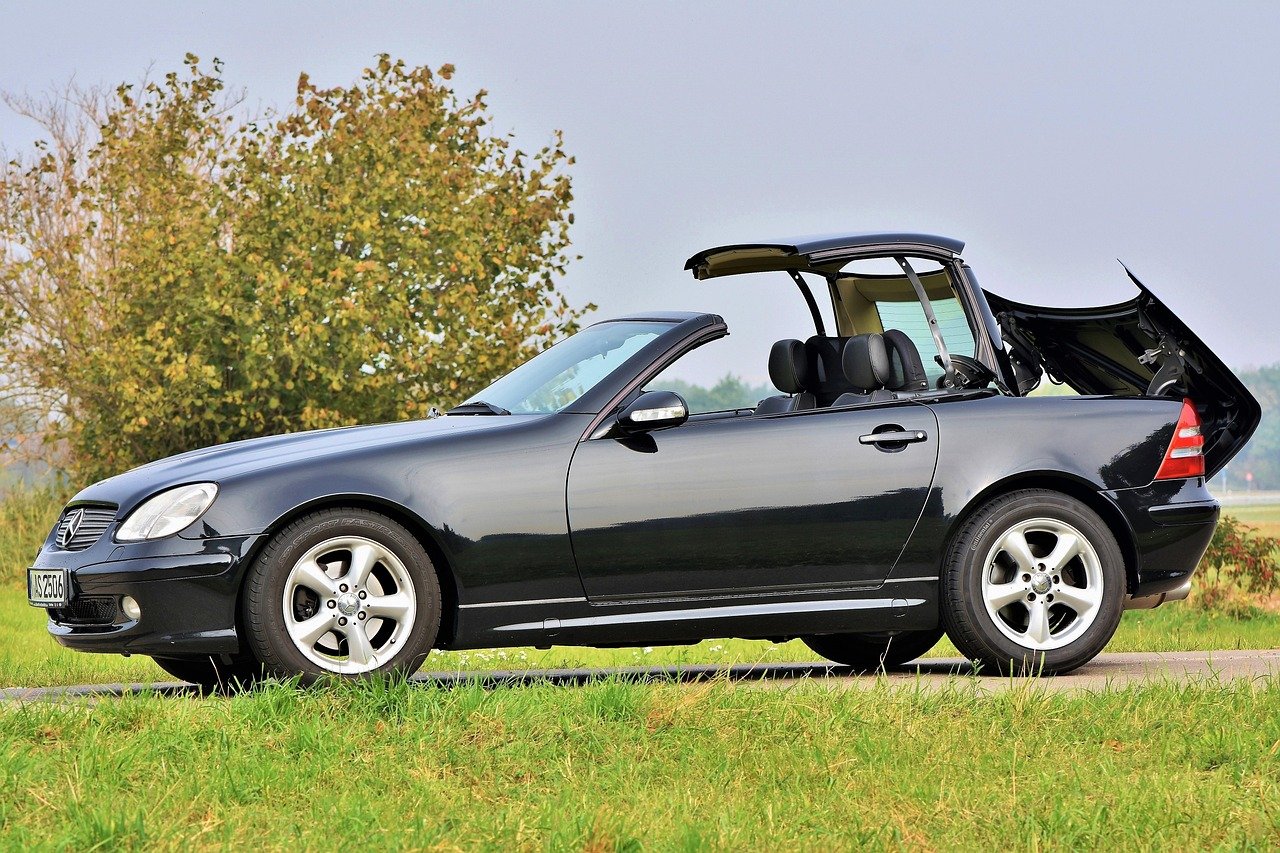
- Consider the roof. Convertibles add weight and reduce rigidity, but many buyers find the trade worth it. Decide which matters more to you.
- Check the seating position. Low cars are hard to get in and out of. Sit in one for several minutes, not several seconds.
Common Mistakes Buyers Make
The biggest error is buying for the spec sheet instead of the experience. A car with a higher horsepower figure is not automatically more fun. Another common mistake is underestimating running costs: tires, brakes, and insurance on a performance car can dwarf what you would spend on a standard vehicle. Finally, many buyers skip the pre-purchase inspection, which is a costly gamble on any used performance car.
For side-by-side buying guidance and model comparisons, Voozon Cars — Reviews, Comparisons & Car Guides – Voozon — Discover, Review & Explore is a useful starting point before you visit a dealer.
Do You Need a Supercar?
Here is a truth many enthusiasts resist: you probably do not need a six-figure exotic to enjoy driving. The MX-5’s long-running sales record exists for a reason. Affordable, lightweight cars deliver a huge share of the fun at a fraction of the cost, and they are easier to use on public roads without risking your license.
Supercars earn their place through engineering ambition and sheer capability. But the segment’s heart has always been broader than its most expensive members. A well-sorted, modestly powered car driven well is often more rewarding than a powerful one driven badly.
The Bottom Line
Sports cars resist a tidy definition because they are defined by feel as much as specification. The traits that matter most, low weight, sharp feedback, and balanced chassis, have survived every shift in technology and regulation. Whether the future runs on gasoline or batteries, the cars that endure will be the ones that keep the driver at the center of the experience.
Frequently Asked Questions
What is the difference between a sports car and a muscle car?
A sports car prioritizes handling, balance, and light weight, often with two seats and a low center of gravity. A muscle car emphasizes straight-line acceleration, usually with a larger, heavier body and a big engine. The categories overlap, but the design priorities differ.
Are sports cars practical for daily driving?
Some are. Cars with comfortable suspension, decent cargo space, and reasonable fuel economy can serve as daily drivers. Others have stiff rides, tiny cabins, and expensive maintenance. It depends heavily on the specific model and how much compromise you accept.
Is a Miata a real sports car?
Yes. The Mazda MX-5 Miata meets the classic criteria: two seats, rear-wheel drive, low weight, and a chassis tuned for handling. Its status as the best-selling two-seat sports car in history reflects how well that formula works.
Why are mid-engine cars so expensive?
Mid-engine layouts require more complex packaging. Cooling, servicing access, and cabin space all become harder to engineer, and low production volumes keep costs high. The performance benefit is real, but so is the price of achieving it.
Do electric cars count as sports cars?
It is debated. Electric cars can deliver extraordinary acceleration and precise handling, but added weight and reduced mechanical feedback push against traditional definitions. Many enthusiasts consider them a distinct category rather than a direct replacement.
What should I check first when buying a used sports car?
Start with a pre-purchase inspection by a mechanic familiar with the model. Then review service records, tire and brake condition, and insurance costs. Finally, drive it on varied roads, since a sports car’s character shows up in corners and on rough surfaces, not on a straight highway.
That broader perspective matters when weighing any single purchase. A car that flatters your skills and fits your routine will deliver more satisfaction over years of ownership than one bought to impress a spec sheet. The segment’s history suggests the same lesson repeatedly: the most celebrated sports cars are rarely the fastest or the most expensive, but the ones that make ordinary drives feel worth taking.
That broader perspective matters when weighing any single purchase. A car that flatters your skills and fits your routine will deliver more satisfaction over years of ownership than one bought to impress a spec sheet. The segment’s history suggests the same lesson repeatedly: the most celebrated sports cars are rarely the fastest or the most expensive, but the ones that make ordinary drives feel worth taking. As the industry moves toward electrification and tighter regulation, that principle is likely to hold. Lightweight chassis, honest steering, and a well-matched powertrain will remain the qualities that separate a true driver’s car from a fast one. Buyers who keep those priorities in view will find rewarding options at almost any budget, and the cars they choose will age better than any headline figure.