
Squirrel Feeder Guide: Best Types & Setup Tips
 Abdul WadoodLast updated
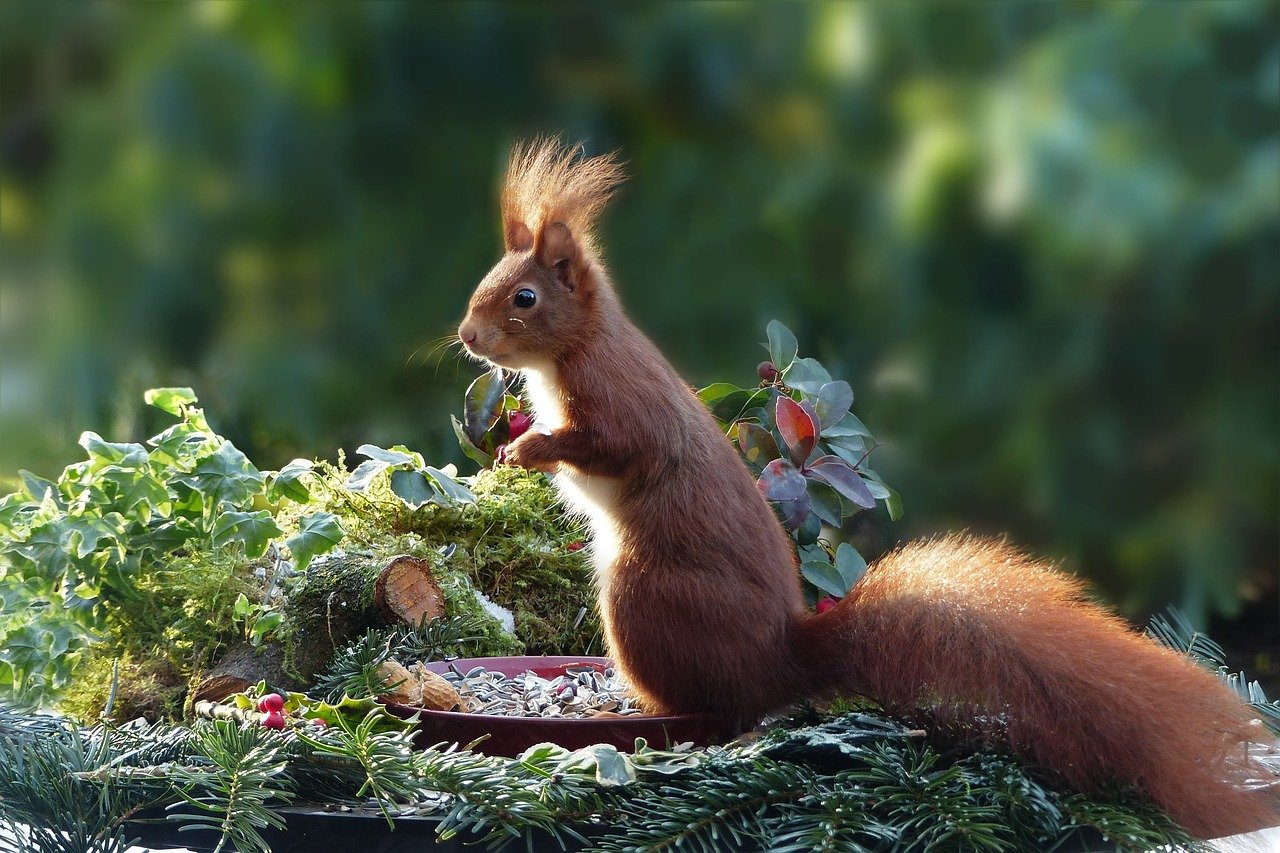
Ever watched a squirrel defeat a “squirrel-proof” bird feeder in under four minutes and wondered whether the animal is a genius or the product is a joke? Usually it is a bit of both. Squirrels are scatter-hoarding rodents with excellent memories, strong jaws, and a stubborn streak that borders on professional. If someone is going to feed them, it makes sense to do it on purpose, with a feeder built for the job, rather than losing a bird seed budget one raid at a time.
This guide covers what a squirrel feeder is, which styles hold up in real yards, what to put inside, where to hang it, how to keep it clean, and how regional rules change the picture entirely. It also covers the mistakes people make most often, because most feeder failures are setup problems rather than product problems.
What a squirrel feeder actually is
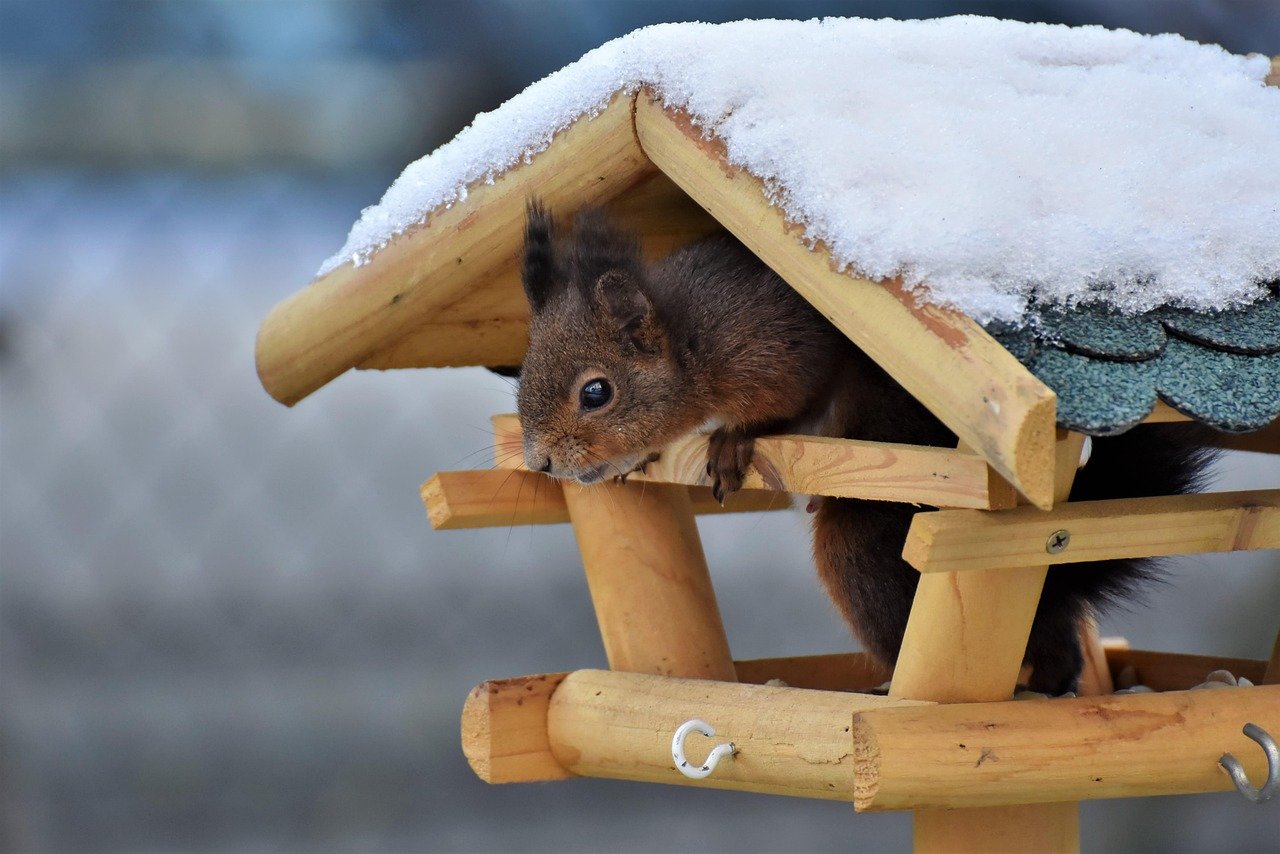
A squirrel feeder is any feeding station designed to offer food to squirrels in a way that suits their natural behavior, usually by holding whole nuts, corn cobs, sunflower seeds, or peanuts behind a lid or inside a box. The category has three main shapes:
| Type | How it works | Best for | Watch out for |
|---|---|---|---|
| Box or house feeder | A wooden or plastic box with a lid and a front opening; squirrels lift the lid to reach nuts | Yards with trees, year-round feeding, easy refilling | Chewing at the opening; lid hinges that rust |
| Gravity tube feeder | A clear tube releases seed or nuts onto a tray or port as squirrels eat | Mixed seed and peanuts, quick visual checks of food level | Moisture inside the tube; clogging in damp weather |
| Bungee or cob holder | A hanging skewer or wire basket holds a corn cob or whole ear | Simple, cheap, very visible squirrel activity | Cobs spoil fast in rain; wire can bend under heavy use |
A fourth category, the baffle system, is less a feeder than a strategy: a pole, cone, or hanging arrangement that keeps squirrels off a bird feeder. Many people end up running both, which is the honest solution. Give the squirrels their own reliable food source away from the bird feeder, and the bird feeder stops being a daily battleground.
Why squirrels are so hard to keep out
Squirrels succeed because of three traits. First, they are superb climbers and jumpers, and a horizontal leap of several feet from a fence or branch is routine for them. Second, their incisors grow continuously, so gnawing is not vandalism but maintenance, and thin plastic or soft wood will not survive a determined animal. Third, they learn fast. A feeder that fails once will be tested again the next morning.
That is why “squirrel-proof” claims deserve skepticism. Most are manufacturer claims rather than results from independent testing, and effectiveness varies enormously with where the feeder is mounted. A baffle that works perfectly on an isolated pole is useless if the feeder hangs within leaping distance of a branch. In practice, the mounting location matters more than the product label.
There is also a species dimension. In North America, the eastern gray squirrel and the fox squirrel are the most common feeder visitors. In the UK, the introduced eastern gray has largely displaced the native red squirrel across much of England over the twentieth century, a decline linked in part to competition and to squirrelpox virus. That history changes what responsible feeding looks like on each side of the Atlantic, and it is covered further below.
Matching the feeder to your yard, not the other way around
The most common mistake is buying a feeder first and finding a spot for it second. Flip the order. Walk the yard and answer three questions: where can a squirrel reach from above, where does the ground stay dry, and where can a person refill the feeder without a ladder and a prayer?
Squirrels arrive from above. A feeder mounted on a freestanding pole with a baffle below the food, and nothing overhead within jumping range, defeats most attempts. A feeder nailed to a fence post next to a hedge does not. The same logic applies to bird feeders, which is why the best bird feeders match the right design to your yard rather than trying to out-engineer every animal in the neighborhood.
Distance matters more than height. Ten feet of clear space around a pole is a reasonable target, and trimming back overhanging branches is often the single most effective fix. Hanging feeders from a wire between two points works well if the wire is long enough and the feeder sits far from both anchor points.
What to feed squirrels, and what to skip
Squirrels are built for nuts and seeds. Good options include:
- Whole peanuts in the shell, which keep squirrels busy and are easy to source
- Corn cobs, dried or fresh, which fit cob holders and last a few days
- Sunflower seeds, especially black oil, which suit tube feeders
- Unsalted nuts such as walnuts and hazelnuts, in moderation
Skip salted, roasted, or flavored snacks, and skip processed human food. Wildlife feeding guidance is not standardized across agencies, but the general principle is consistent: offer food close to what the animal would find naturally, and do not let a feeder become a junk food dispenser.
Portion control is the practical skill. A feeder that holds a week of food is convenient for the person and risky for the squirrels, because uneaten food sits, absorbs moisture, and molds. Filling a box feeder with a day or two of food, then refilling, keeps the contents fresher and keeps squirrels from treating the feeder as a warehouse. The same logic applies to other garden feeding routines, including the way you match the best fertilizer for tomatoes to the right feed at each growth stage rather than dumping everything at once.
Placement, mounting, and the mistakes that waste money
A short list of failures that show up again and again:
- Mounting within jumping distance of a fence or branch. The feeder gets emptied in minutes and the baffle gets blamed.
- Using thin plastic or softwood near the opening. Squirrels enlarge the opening until the feeder becomes a trough.
- Hanging a feeder where it swings and spills. A bungee cord on a windy corner empties itself.
- Ignoring drainage. Box feeders without a drain hole collect rainwater and turn nuts into mush.
- Placing the feeder against a wall or window. Squirrels use the surface for leverage, and the feeder gets chewed from an unexpected angle.
- Feeding right beside a bird feeder. This concentrates traffic, increases conflict, and makes both feeders less effective.
The fix for most of these is boring but reliable: a sturdy pole, a metal baffle below the food, clear space around it, and a feeder with a metal-reinforced opening. Squirrels will still get to it. They just will not destroy it.
Hygiene, disease, and why cleaning is not optional
Feeders concentrate animals, and concentrated animals spread disease and parasites. Wildlife agencies commonly advise cleaning feeders regularly and removing spoiled food, and that advice applies to squirrel feeders as much as bird feeders. A workable routine is a scrub with hot soapy water every couple of weeks, a thorough dry before refilling, and an immediate clean if the food looks damp or smells off.
The stakes are higher where gray and red squirrels overlap. Squirrelpox virus is a specific concern in the UK, documented from the 1990s onward, and it is one reason feeding regimes in red squirrel areas are often managed carefully to avoid pulling gray squirrels into the area. In the UK, red squirrels are protected under the Wildlife and Countryside Act 1981 as amended, and it is an offence to intentionally or recklessly disturb them or damage their dreys. Anyone feeding in a red squirrel zone should check local conservation guidance before putting out food at all.
There is a broader public health angle too. Feeding stations can attract other wildlife, including rats and raccoons, and in some regions that raises concerns about rabies and other zoonoses. Public health agencies generally advise against attracting wildlife close to homes. A feeder at the back of a garden is a different proposition from one against the kitchen wall.
Rules vary, and they vary a lot
Feeding rules are jurisdiction-specific, and the differences are sharp. In parts of the United States, feeding wildlife on public land may be restricted, and some states regulate feeding to prevent disease spread. In the UK, the protection status of red squirrels changes what is appropriate in a given area. The practical takeaway is simple: check the relevant state wildlife agency or national conservation body before setting up, especially if the feeder will sit near a boundary, a footpath, or protected habitat.
Squirrel feeders versus bird feeders
Many people buy a squirrel feeder as a peace offering. The logic is sound: a reliable, separate food source reduces pressure on the bird feeder. But it only works if the squirrel feeder is genuinely easier to reach than the bird feeder. If the bird feeder is the closest food on the block, squirrels will keep testing it, and the baffle will keep getting tested too.
A useful arrangement is a squirrel feeder at the far end of the garden on its own pole, and a bird feeder closer to the house with a proper baffle. Both get used. Neither gets emptied in an afternoon.
Conclusion
A squirrel feeder is not a complicated object, but it is easy to get wrong in ways that cost money and create mess. The pattern that works is consistent: choose a sturdy box, tube, or cob holder; mount it on a pole with a baffle and clear space around it; fill it with whole nuts, corn, or sunflower seeds in modest amounts; clean it regularly; and check local rules before starting. Do that, and the squirrels get fed, the bird feeder survives a little longer, and the yard becomes a more interesting place to drink coffee.
Frequently Asked Questions
What is the best food for a squirrel feeder?
Whole peanuts in the shell, dried corn cobs, sunflower seeds, and unsalted nuts such as walnuts and hazelnuts are the standard choices. Avoid salted, roasted, or flavored snacks and processed human food. Fill in modest amounts so food stays fresh, and remove anything that looks damp or moldy.
Do squirrel feeders attract rats?
They can. Any food source on the ground or in an accessible box may draw rats, mice, and raccoons, especially if spillage is left to accumulate. Mount the feeder off the ground, use a baffle, sweep up fallen food, and bring feeders in at night if rats are already an issue in the area.
How do I stop squirrels from emptying my bird feeder?
Give them their own food source at a distance, and make the bird feeder genuinely harder to reach. That means a pole with a baffle, at least ten feet of clear space from branches and fences, and no overhanging launch points. Squirrel-proof claims on packaging are mostly manufacturer claims, so mounting position does more work than the label.
Are squirrel feeders legal everywhere?
No. Rules vary by jurisdiction and by site. Some US states regulate feeding to limit disease spread, and feeding on public land may be restricted. In the UK, red squirrels are protected under the Wildlife and Countryside Act 1981, and feeding in red squirrel areas is often managed to avoid attracting gray squirrels. Check with the relevant wildlife agency first.
How often should a squirrel feeder be cleaned?
A scrub with hot soapy water every couple of weeks is a reasonable baseline, plus an immediate clean whenever food looks damp, clumped, or spoiled. Feeders concentrate animals and can spread disease and parasites, so cleaning is part of the job rather than an optional extra.
Will a squirrel feeder keep squirrels away from my garden plants?
Not reliably. Supplemental food can reduce pressure on some plants, but squirrels are scatter-hoarding rodents that cache food constantly, and a feeder does not stop them digging, gnawing, or sampling bulbs. Think of a feeder as a way to watch squirrels on your terms, not as a pest control measure.