
Collarbone Tattoos: Pain, Placement & Healing Guide 2026
 Abdul WadoodLast updated
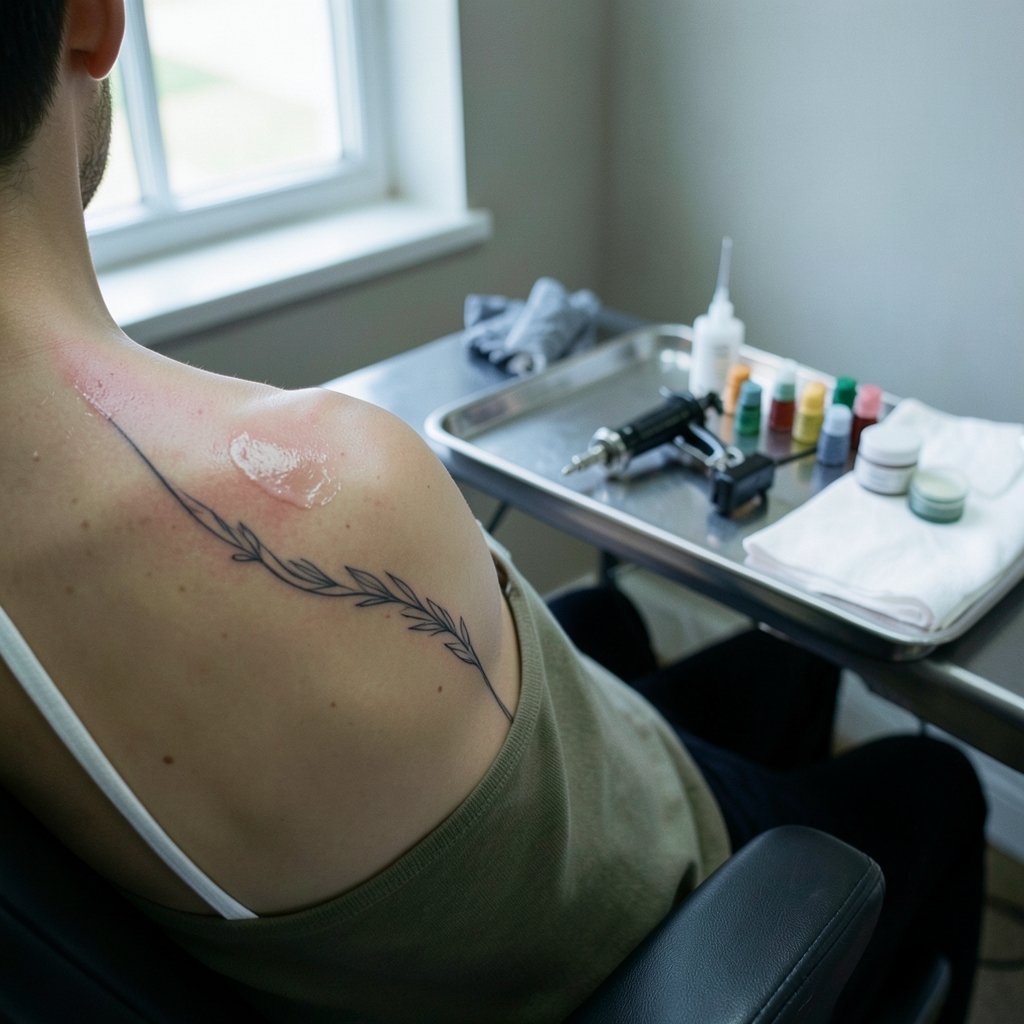
Somewhere between 10 and 20 percent of people with tattoos report at least one complication afterward, ranging from mild scarring to infection, according to pooled dermatology data indexed in PubMed. That number matters here, because the collarbone is one of the most requested placements in the studio and also one of the most demanding to heal. The skin is thin, the bone sits right underneath, and a bra strap or a shirt collar drags across the fresh ink for weeks. Get the design right and the aftercare wrong, and a beautiful piece can heal patchy. Get both right, and the collarbone becomes one of the most quietly striking placements on the body.
Why the Collarbone Draws So Many Requests
The collarbone, or clavicle, creates a natural horizontal line across the upper chest. Tattooers often call this a “framing” placement, because a design that follows the bone edge flatters the neck and shoulder without needing to be large. A small script, a single flower stem, a thin geometric line, or a minimal constellation all read clearly here.
There is a practical reason too. Collarbone tattoos can be hidden under a crew neck or a collared shirt and revealed with a wider neckline. That flexibility is why the placement appears so often among people who want ink that stays private at work but visible on a weekend. The trade-off is that “sometimes visible” placements heal less predictably than flat, low-friction areas like the outer forearm.
Small Designs, Big Impact
Most collarbone work is small, which keeps the session short and the cost down. A simple line piece might take 30 to 60 minutes. Detailed fine-line work, lettering, or a design that wraps toward the shoulder can run two to three hours or more. Because the area is compact, artists can often finish in one sitting, which reduces the total healing burden compared with a large chest piece.
The Symmetry Question
People frequently ask for mirrored designs on both collarbones. In practice, perfect mirroring is hard because no two sides of a body are identical. A good artist will place the design by eye and by body landmark rather than by measuring tape, and will explain that a few millimeters of difference is normal and usually invisible in motion. Chasing mathematical symmetry on a curved, moving surface tends to create more problems than it solves.
How Much Does a Collarbone Tattoo Hurt?
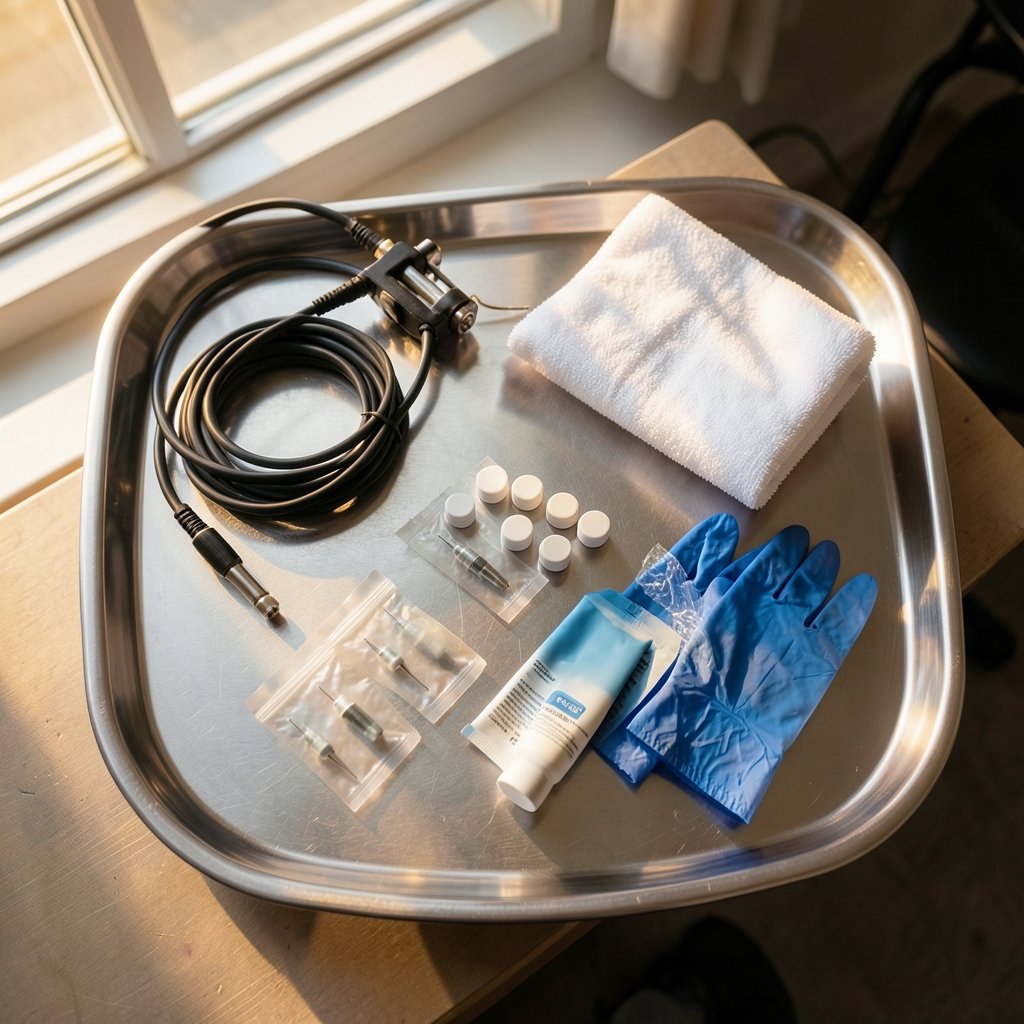
Short answer: quite a bit, for most people. The collarbone area sits high on nearly every informal “most painful spots” list circulated in tattoo communities, and the reason is anatomical. The skin over the clavicle is thin, there is very little fat or muscle cushioning it, and nerve endings sit close to the bone surface. Vibration from the needle travels into the bone itself, which many people describe as the strangest part rather than the sharpest.
That said, pain rankings are subjective and community-reported, not clinically measured. Artists see the full spectrum: some clients chat through a collarbone piece, others need breaks every few minutes. Factors that genuinely change the experience include:
| Factor | Effect on Comfort |
|---|---|
| Session length | Shorter sessions hurt less overall; pain tends to climb after the first hour |
| Needle configuration | Lining needles feel sharper; shading and packing feel more abrasive |
| Placement precision | Work directly on the bone ridge is sharper than work on the fleshy upper chest |
| Hydration and food | Eating and hydrating beforehand measurably helps most clients |
| Breathing | Slow, steady breathing reduces tension and perceived pain |
| Numbing products | Some studios use them; policies vary widely by artist |
A practical tip that actually works: ask to start at the point closest to the neck and work outward, or the reverse, whichever the artist prefers, and request a short break before you feel you need one. Clients who wait until they are overwhelmed usually find the second half much harder.
Collarbone vs. Other Common Placements
| Placement | Relative Pain | Healing Difficulty |
|---|---|---|
| Collarbone | High | Moderate to high (friction, straps) |
| Outer forearm | Low to moderate | Low |
| Inner bicep | Moderate | Low to moderate |
| Ribcage | Very high | Moderate |
| Ankle | Moderate to high | Moderate to high (shoes, socks) |
Designing for the Clavicle’s Shape
The clavicle is a shallow S-curve, and designs that ignore that curve tend to look crooked when the arm moves. Experienced artists design with the bone, letting the line of the tattoo echo the line of the body. A few design principles that hold up in practice:
- Follow the bone, not the mirror. Place stencils standing up, with the client’s arms relaxed, not lying flat.
- Leave breathing room from the neck. Designs that crowd the throat look cramped and are harder to hide.
- Think about clothing necklines. A design that sits exactly where a common neckline falls will be half-covered most days.
- Keep fine detail away from the shoulder joint. Skin there stretches more and fine lines blur faster.
- Consider the healing window. Simpler shapes with solid linework survive friction better than delicate dotwork.
Fine-line and single-needle styles are popular for collarbone work, and they can look excellent. They also fade faster in high-friction areas. Clients who want a delicate look should expect touch-ups and should treat sun protection as non-negotiable.
Ink Safety and Regulation: What to Know Before You Book
Tattoo ink is not risk-free, and rules differ sharply by country. In the European Union, a broad restriction on certain hazardous substances in tattoo inks came into application for most provisions in January 2022 under the EU’s chemicals regulation, REACH. The scope and enforcement vary by member state, so anyone tattooing in Europe should confirm current local rules rather than relying on a general statement. In the United States, oversight is largely handled by state and county health departments, which means hygiene standards, licensing, and ink rules can change dramatically across a state line. (Tattoo)
What this means in practice: a studio’s paperwork and licenses matter more than its Instagram feed. Ask to see the license, ask where the ink comes from, and watch whether the artist opens a fresh needle in front of you. Those three checks catch most problems before they start.
Healing a Collarbone Tattoo Without Wrecking It
The collarbone heals like any tattoo in principle, but friction makes it harder in practice. A standard healing timeline looks roughly like this:
- Days 1 to 3: Fresh, weepy, and tender. Keep the initial bandage on as long as your artist instructs, then wash gently with fragrance-free soap and lukewarm water.
- Days 4 to 14: Flaking and itching begin. Apply a thin layer of recommended ointment or lotion; thick layers suffocate the skin and cause breakouts.
- Weeks 2 to 4: Surface healing completes. The tattoo may look dull or milky, which is normal.
- Months 2 to 6: Deeper layers finish healing. Fine lines settle and the final look emerges.
The Friction Problem
This is where collarbone tattoos differ from arm tattoos. Bra straps, bag straps, seatbelts, and shirt collars all cross the area. Practical fixes that clients report working:
- Wear a soft, loose top for the first two weeks and skip anything with a tight strap over the tattoo.
- Move a shoulder bag to the opposite side temporarily.
- Put a clean cotton cloth between the seatbelt and the skin while driving.
- Sleep on the opposite side, or use a clean pillowcase you do not mind changing often.
- Avoid tight necklaces until the surface has fully closed.
What Not to Do
Common mistakes that cause real damage: picking or scratching flakes, over-moisturizing, swimming in pools, lakes, or the sea during the first two weeks, sunbathing, and using petroleum-heavy ointments in thick layers. Another frequent error is stopping aftercare too early. The surface may look healed at day ten while deeper layers are still repairing, and friction during that window is what causes patchy results.
Visibility, Work, and the Long-Term View
Visible collarbone tattoos intersect with workplace dress codes, and policies are employer-specific. No universal rule exists. Some organizations require coverage; many have relaxed policies in recent years. Anyone planning a collarbone piece who has career concerns should check their current employer’s written policy and consider the industries they might move into, along with the job they hold today.
Longevity is the other long-term consideration. Tattoos on high-movement, high-friction, and sun-exposed skin age faster. The collarbone is not the worst offender, but it is not the best either. Daily sunscreen on the area, once healed, is the single most effective habit for keeping linework crisp. A touch-up every few years is normal and not a sign of a bad tattoo.
For readers weighing placement options more broadly, resources like Voozon Media cover design, aftercare, and studio selection topics in more depth, and general background on tattooing’s cultural history is well documented on Wikipedia.
Conclusion
A collarbone tattoo rewards planning more than most placements. The design should follow the bone’s natural curve, the session should be booked with realistic expectations about pain, and the healing plan should account for straps, collars, and sun before the needle ever touches skin. The area is thin, close to bone, and constantly in motion, which makes it demanding but also uniquely elegant. Choose an artist who designs for your body rather than for a photo, verify the studio’s licensing and hygiene practices, and treat the first two weeks of aftercare as seriously as the appointment itself. Do that, and the result is a piece that looks intentional for decades rather than a small mark that faded into a blur.
Frequently Asked Questions
How painful is a collarbone tattoo compared with other spots?
It ranks among the more painful placements for most people, because the skin is thin and sits close to bone with little cushioning. Community rankings are subjective and not clinically measured, but artists commonly place the collarbone above the forearm and below the ribcage in discomfort.
How long does a collarbone tattoo take to heal?
Surface healing typically takes two to four weeks, while deeper layers take two to six months to fully settle. Friction from straps and collars can slow the process, so loose clothing during the first two weeks makes a real difference.
Can I hide a collarbone tattoo at work?
Often yes, with a crew neck or collared shirt, but it depends on the design’s height and your employer’s dress code. Workplace tattoo policies are employer-specific, so check the written policy before booking rather than assuming.
How much does a small collarbone tattoo cost?
Pricing varies widely by city, artist reputation, and studio minimums. Most studios charge a minimum session fee, and a small line piece frequently falls near that minimum, while detailed or larger designs cost more. Ask for a quote with the design in hand.
Do collarbone tattoos fade faster?
They can, because the area sees friction, movement, and sun exposure. Daily sunscreen after healing and keeping straps off the fresh tattoo during the first weeks are the most effective ways to slow fading. Occasional touch-ups are normal.
Should I get matching tattoos on both collarbones?
It is possible, but perfect mirroring is unrealistic because bodies are not symmetrical. Most artists place mirrored designs by eye and body landmark, and small differences are usually invisible once the skin is healed and moving.