
Flower Tattoos: Symbolism, Styles & Placement Guide 2026
 Abdul WadoodLast updated
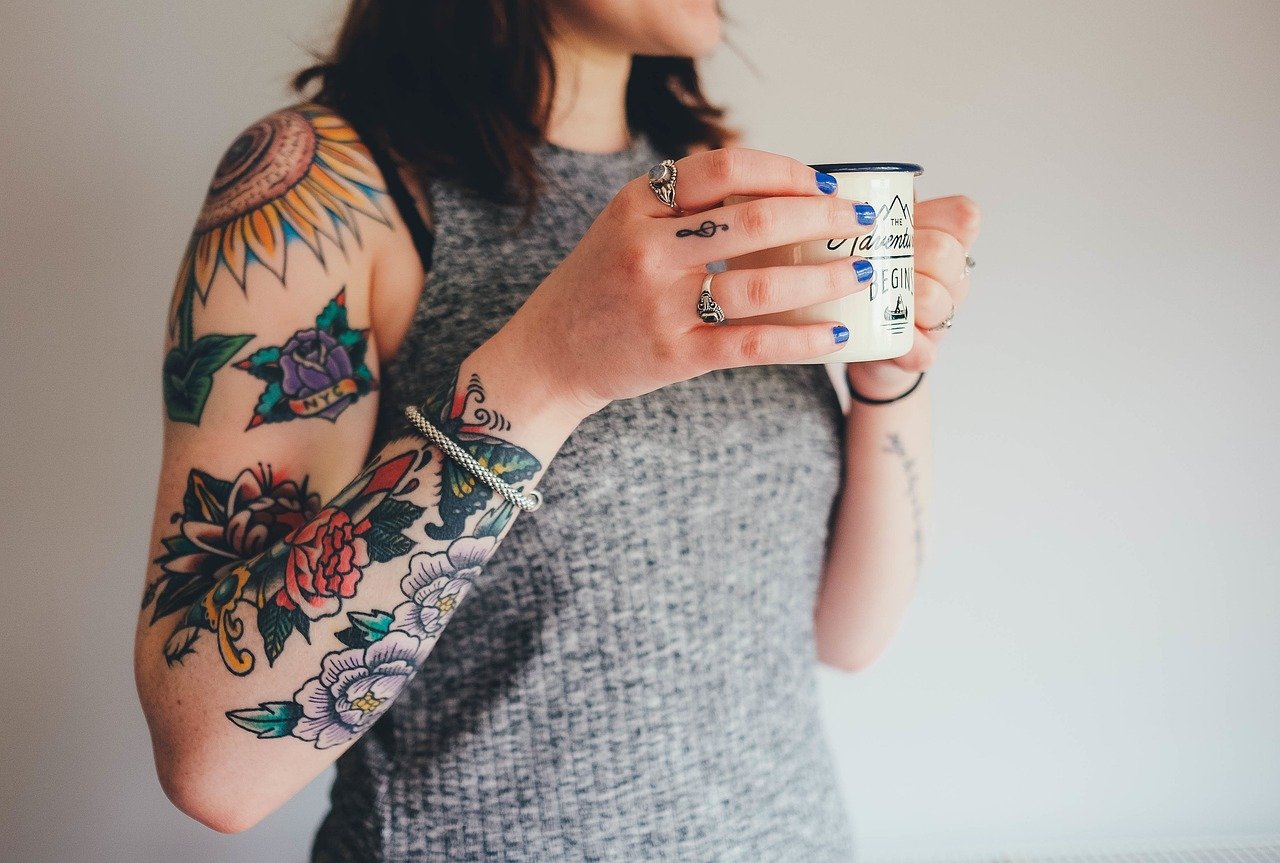
Some of the oldest tattoos ever found are more than 5,000 years old. But here’s the twist: they’re mostly simple lines and dots, not flowers. The flower tattoo as we know it today is a much more recent invention, shaped by Japanese tradition, Victorian fashion, and a century of American tattoo shop culture. That gap between ancient body art and the modern floral sleeve is exactly what makes this subject worth digging into.
This guide covers what flower tattoos mean in practice, which styles last, where they work best on the body, and the mistakes that turn a beautiful idea into a cover-up. It is for someone who wants a flower tattoo that still looks intentional ten years from now, rather than one that only photographs well on day one. (Flower)
Where Flower Tattoos Come From
Tattooing itself is ancient and geographically scattered. The best-known early example is a frozen mummy found in the Alps, dated to roughly 3300 BCE, whose body carries 61 tattoos. Almost all of them are abstract lines and crosses. Flowers don’t appear in that record, which tells you something useful: the floral tattoo is a cultural choice, not a human universal.
The flower motif becomes recognizable in Japanese irezumi, the elaborate full-body style usually associated with the Edo period (1603–1868). Within that tradition, botanicals like peonies and cherry blossoms are long-established elements, woven into larger scenes alongside waves, dragons, and mythical figures. The elaborate back piece as a status object is a product of that era and its urban merchant class.
Western flower tattooing followed a different path. Victorian-era Britain saw floral designs among the upper classes, and by the early-to-mid twentieth century, American traditional tattooing had standardized roses and other flowers as core flash motifs. Those bold, simple rose designs were built for durability, and they’re the reason a rose tattoo still reads as “classic” rather than “trendy.”
One honest caveat: “flower tattoo” is a modern search category, not a historical genre. Most writing about it is commercial. If you want the deeper history, look at museum collections and academic work on body modification rather than tattoo studio blogs.
What Different Flowers Actually Mean
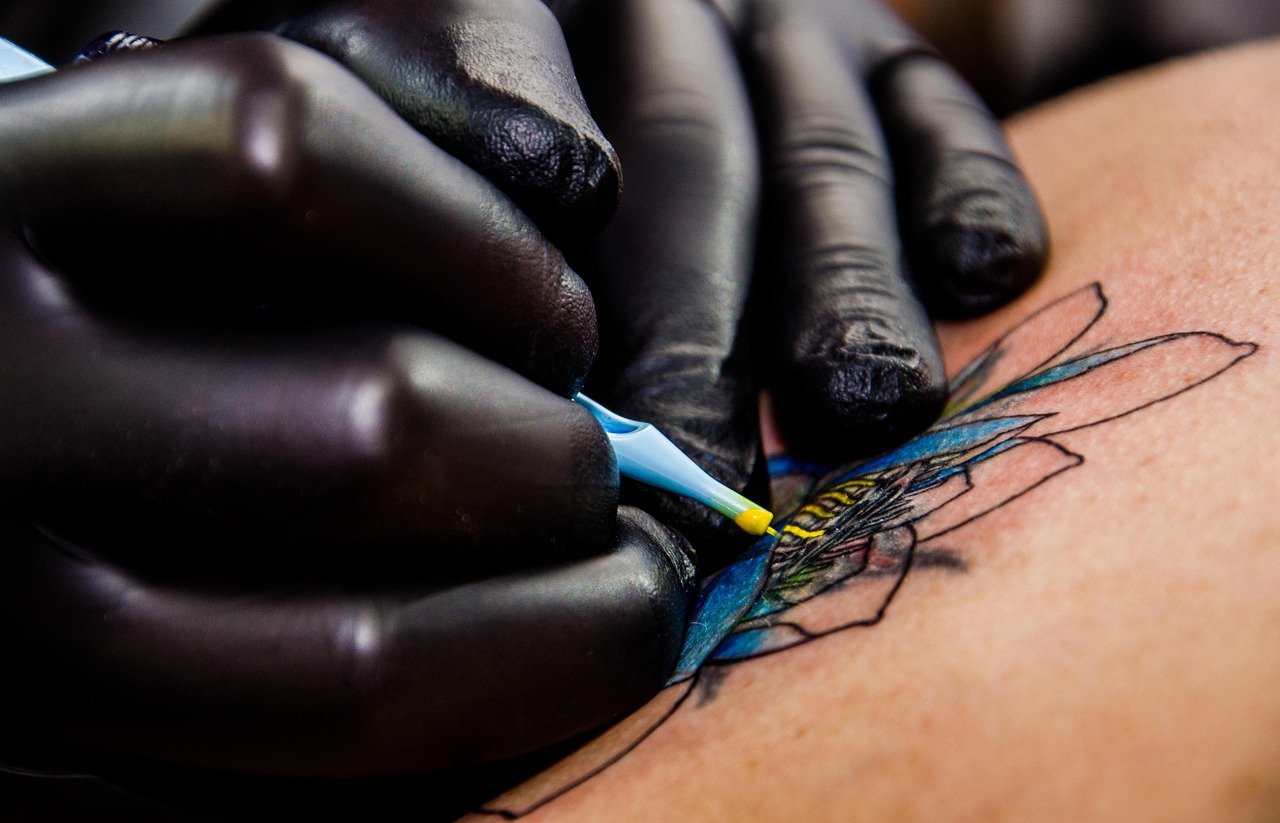
Here’s where most guides get sloppy. Flower meanings are interpretive conventions, not documented doctrine. Nobody enforces them. But the conventions are real enough that they shape what people choose, and knowing them helps you pick a design that says what you intend.
| Flower | Common Reading | Typical Style Pairing |
|---|---|---|
| Rose | Love, loss, resilience | American traditional, black and grey |
| Cherry blossom | Evanescence, brevity of life | Japanese irezumi, fine line |
| Peony | Wealth, boldness, good fortune | Japanese, neo-traditional |
| Lotus | Rebirth, endurance through hardship | Fine line, dotwork |
| Poppy | Remembrance, sleep, consolation | Realism, watercolor |
| Chrysanthemum | Longevity, autumn | Japanese, blackwork |
| Lily | Purity, mourning | Fine line, realism |
Two things are worth flagging. First, color changes meaning as much as species does. A red rose and a black rose carry different weight, and in some traditions a yellow rose signals friendship rather than romance. Second, in Japanese tattoo symbolism, cherry blossoms are commonly read as a meditation on how short life is, while peonies are read as wealth and masculine bravado. Those readings are interpretive conventions rather than fixed rules, so treat them as a starting vocabulary, not a dictionary.
If you’re drawn to a flower for personal reasons, that reason outranks any chart. A marigold because it grew in your grandmother’s garden will always mean more than a rose chosen off a list.
Choosing a Style That Ages Well
The single biggest factor in whether a flower tattoo looks good in a decade is not the flower. It’s the style. Some approaches are built to hold, and others are built to photograph.
American traditional uses bold outlines, limited color, and high contrast. It’s the most durable option on this list. Lines stay legible as skin changes.
Japanese irezumi relies on large-scale composition and strong black shading. It’s designed for big canvases, so it works best on a back or a full sleeve rather than a wrist.
Fine line and single needle work produce delicate, detailed florals that look stunning fresh. They also fade and blur faster than bold work, especially on hands, fingers, and feet. If you want fine line, plan on more frequent touch-ups.
Black and grey realism suits roses and peonies beautifully and tends to age more gracefully than color realism, because color pigment is what shifts most noticeably over time.
Watercolor tattoos are the highest-risk style for longevity. There are no hard outlines to hold the shape, so the colors bleed together over years. Many artists now add a light outline to watercolor designs specifically to prevent this.
A practical tip that surprises people: ask your artist to show you healed photos, not fresh ones. Every tattoo looks crisp under studio lighting on the day it’s finished. Healed work from two or three years ago tells you what you’re actually buying.
Placement: Where Flowers Work Best
Flower shapes are unusually forgiving of body contours, which is why they show up everywhere. But placement still matters, and some spots are traps.
Forearm and upper arm are the workhorses. Good visibility, stable skin, easy to expand into a sleeve later. A rose or peony here is a low-risk first tattoo.
Shoulder and upper back offer the most room for a flower to breathe. Large-scale irezumi-style botanicals need this kind of real estate.
Ribs and sternum look dramatic but hurt more than most placements and are hard to see yourself. They’re a commitment, not a casual spot.
Hands, fingers, and feet are where fine line florals go to die. Skin here regenerates fast and takes ink unevenly. Many experienced artists either refuse these placements or warn that touch-ups will be needed.
Behind the ear and neck work well for small, simple designs but limit your options if you later want to expand. A flower behind the ear is a dead end compositionally.
One underrated consideration: how the flower’s stem and leaves flow with your body. A good artist rotates the design so the stem follows the natural line of the limb. A bad one stamps a vertical flower onto a curved surface and it looks pasted on.
Color, Size, and the Details People Get Wrong
A few recurring mistakes show up again and again in consultations.
Picking the flower before the artist. Bring references and intent, not a finished design. Artists compose better when they have freedom, and a design drawn by a stranger online often can’t be tattooed cleanly at the size you want.
Going too small with too much detail. Fine detail needs space. A five-petal flower with shading, dew drops, and a stem wrapped in leaves will not survive at two inches. Either scale up or simplify.
Ignoring how color behaves on your skin tone. Deep reds and greens hold well on most skin; pale yellows and light blues can disappear. Ask your artist to test placement of light pigments where they’ll be least exposed to sun.
Skipping the sun protection conversation. Sun exposure is the leading cause of tattoo fading. Daily sunscreen on exposed tattoos does more for longevity than any aftercare product.
Not planning for expansion. If there’s any chance you’ll want a sleeve, tell your artist now. A flower placed dead center on the forearm blocks a lot of future composition.
If you want to see how professional tattoo content is structured and shot before you book a consultation, studios and creative agencies publish useful references. Resources like voozon.media show how visual storytelling is handled in practice, which helps when you’re assembling a reference folder for your artist.
Pain, Cost, and Aftercare Realities
Pain varies by placement more than by design. Fleshy areas like the outer arm and thigh are manageable. Ribs, sternum, spine, and anywhere over bone are genuinely uncomfortable. Flowers with lots of shading take longer, and longer sessions hurt more as the skin fatigues.
Cost scales with time and skill, not with the flower. A small simple bloom from an apprentice might be affordable; a large custom peony from an artist with a months-long waitlist will cost considerably more. The most expensive tattoo is a cheap one you have to cover up. A cover-up costs more than the original piece and limits your design options permanently.
Aftercare is unglamorous and decisive. Keep the fresh tattoo clean, follow your artist’s specific instructions over anything you read online, and don’t pick at scabbing. Most flower tattoos heal within two to three weeks on the surface, though deeper skin layers take longer.
Conclusion
Flower tattoos work because they’re flexible. A rose can be a bold traditional statement or a soft black and grey memorial. A cherry blossom can carry centuries of Japanese artistic convention or simply be a beautiful shape on a shoulder. The history is genuinely deep, the symbolism is real but negotiable, and the outcome depends far more on style choice, placement, and artist selection than on which flower you pick.
The people who end up happiest with their floral tattoos tend to do three things: they choose a style built to age, they give the artist room to compose, and they plan for what the tattoo might become later. Get those right, and the flower you choose today will still look deliberate long after the fresh-ink glow is gone.
Frequently Asked Questions
What is the most popular flower for a tattoo?
Roses are the most commonly requested floral tattoo, largely because American traditional tattooing standardized them as a core motif in the early twentieth century. Peonies and cherry blossoms follow closely, especially among people drawn to Japanese-inspired work. Popularity is a practical signal, not a rule: a rose is popular partly because it’s a shape that reads clearly at almost any size.
Do flower tattoos have fixed meanings?
No. Flower meanings are interpretive conventions rather than documented doctrine. A red rose is widely read as love and a poppy as remembrance, but no authority enforces these readings, and color, culture, and personal association all shift them. Personal meaning reliably outlasts any published symbolism chart.
Which flower tattoo style ages the best?
American traditional and Japanese irezumi age best because they rely on bold outlines and strong black shading. Fine line, single needle, and watercolor styles look striking when fresh but blur and fade faster, particularly on hands, fingers, and feet. Asking to see an artist’s healed work from several years back is the most reliable way to judge longevity.
Are small flower tattoos a bad idea?
Not inherently, but small size limits detail. A design with heavy shading, multiple leaves, and fine internal texture will lose definition at two inches. Small florals work best when the shape is simplified and the outline is strong. Placement matters too: small fine line work on fingers and feet fades fastest.
How much does a flower tattoo cost?
Cost tracks the artist’s hourly rate and the time the piece takes, not the flower itself. Small simple designs take under an hour; large custom botanicals with shading can take multiple sessions. Because cover-ups cost more than original work and restrict future design options, paying for the right artist upfront is usually the cheaper path overall.
Can I get a flower tattoo covered up later?
Yes, but options are limited. Dark, saturated floral work is harder to cover than light line work, and cover-ups generally require a larger, darker design than the original. Telling your artist at the consultation that you may want to expand or cover the piece later lets them compose it with that in mind.