
Arm Tattoos for Men: Placement, Styles & Cost Guide 2026
 Abdul WadoodLast updated
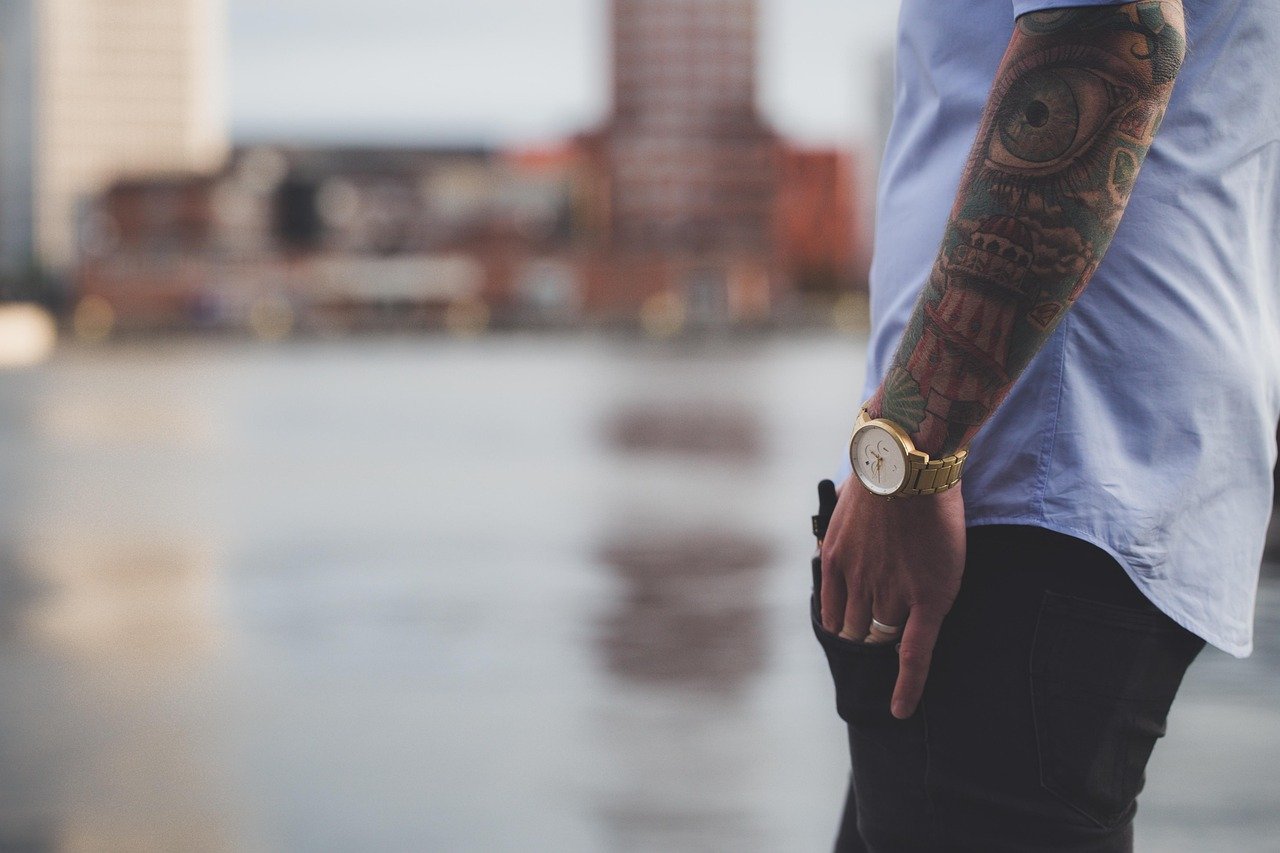
Roughly one in three American adults now has at least one tattoo, according to Pew Research Center, and the arm remains the single most common place to put the first one. It makes sense. The arm is visible when you want it to be, easy to cover when you don’t, and large enough to hold real artwork. But that same flexibility is exactly why so many men end up unhappy with their first arm piece: they picked flash off a wall, skipped the planning, and learned about aftercare after the wrap came off.
This guide covers what actually matters for arm tattoos for men: placement anatomy, style choices that age well, realistic pricing, the health and regulatory side, and the practical mistakes that show up again and again in tattoo studios.
Why the Arm Dominates Men’s Tattoo Choices
The arm offers something no other body part quite matches: a flat, muscular canvas that follows natural contours. A bicep curves. A forearm tapers. A shoulder caps the whole composition. Artists can work with that geometry in ways that flat skin elsewhere can’t support.
There’s also the practical side. A forearm piece can be hidden by a long sleeve in a meeting and shown off at a barbecue. A full sleeve is a bigger commitment, but it’s still concealable in a suit. Compare that to hands, necks, and faces, where the decision is effectively permanent and public.
Historical context helps explain the appeal. The bold-outline, limited-palette style now called American traditional or “old school” took shape in the late 19th and early 20th centuries, and forearm and bicep placement became its signature. Sailor Jerry (Norman Collins) worked in Honolulu from the 1930s until 1973, and his flash sheets cemented the arm as the default location for anchors, swallows, daggers, and roses.
Placement Guide: Matching the Spot to the Design
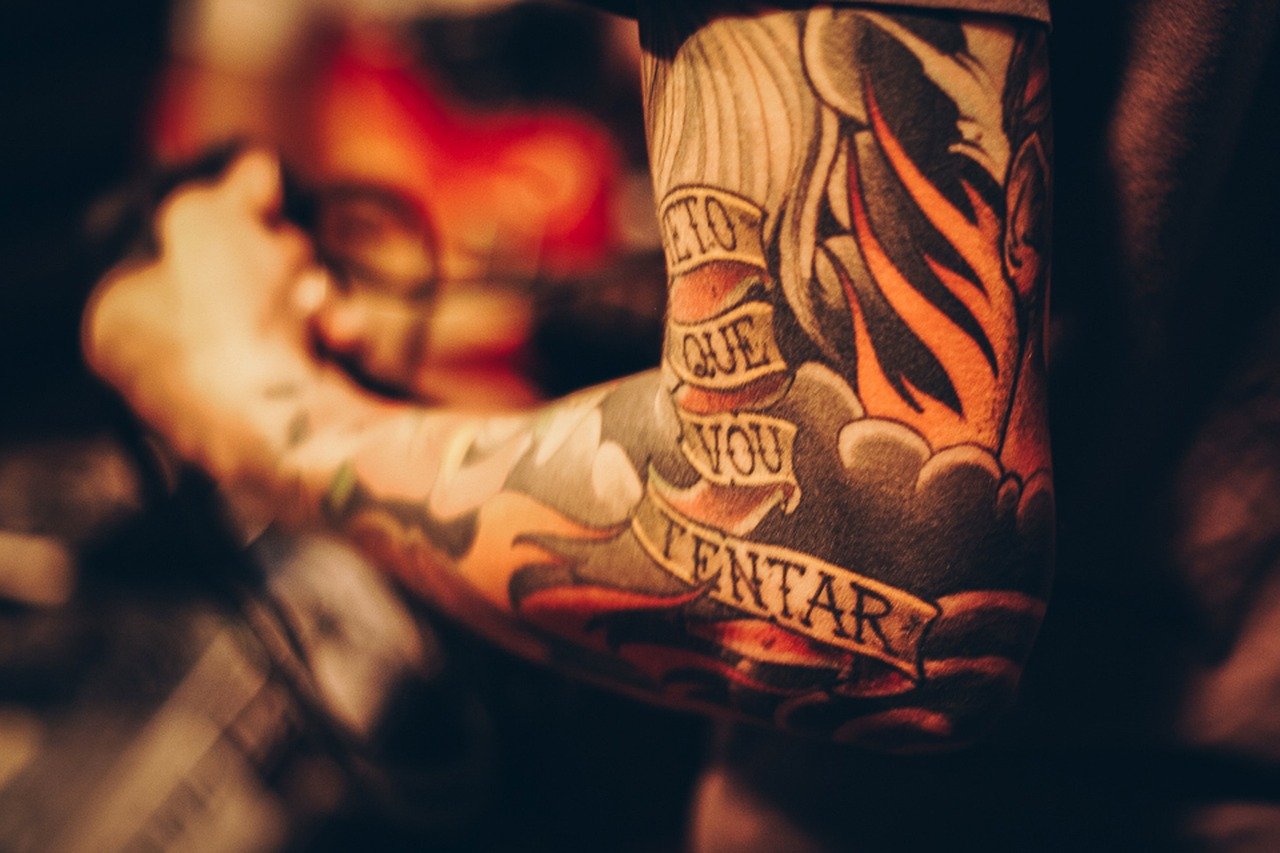
Where a tattoo goes changes what it can be. Small, detailed designs fail on curved muscle. Large, bold designs overwhelm a narrow wrist. Here’s how the main zones compare.
| Placement | Pain Level | Visibility | Best For | Watch Out For |
|---|---|---|---|---|
| Outer forearm | Low to moderate | High | Lettering, small icons, first tattoos | Sun exposure fades ink fast |
| Inner forearm | Moderate to high | Medium | Script, fine line, geometric | Thin skin, more discomfort |
| Bicep | Low | Medium | Bold traditional, portraits | Stretching if you lift heavily |
| Shoulder cap | Low to moderate | Low | Large single pieces, starting a sleeve | Hard to see yourself |
| Full sleeve | Varies by section | High | Cohesive multi-session projects | Cost and time commitment |
Practical tip: the outer forearm is the most forgiving first placement for most men. It’s relatively low-pain, easy to heal because you can keep it clean, and simple to cover. The inner bicep and inner forearm are where people underestimate the sting, because the skin is thinner and more nerve-dense.
One mistake that shows up constantly: designing a piece for the arm as it looks now. Muscle mass changes. Weight fluctuates. A design that wraps precisely around a flexed bicep can distort if the muscle grows or shrinks. Artists who know what they’re doing build in tolerance rather than tracing the current contour exactly.
Styles That Hold Up Over Decades
Trend cycles hit tattooing hard. What looks sharp in a studio photo at 25 can look muddy at 45, and the difference usually comes down to line weight and contrast.
American traditional remains the safest long-term bet. Heavy black outlines and saturated primaries age predictably. Neo-traditional adds depth and color gradation but still relies on structure. Blackwork and geometric designs look striking, though fine parallel lines can blur together over years as ink spreads slightly under the skin.
Fine line and single-needle work is where the risk concentrates. Delicate script and micro-realism photograph beautifully and often heal beautifully too, but they have less margin. Very thin lines can soften faster than bold ones. That doesn’t make them a bad choice. It makes them a choice that needs an artist who specializes in the style, not a generalist squeezing it in.
Realism and portraits demand the most technical skill and the most maintenance. They also tend to need touch-ups sooner than graphic styles.
A useful rule: pick the style first, then find an artist whose existing healed work matches it. Ask for healed photos, not fresh photos alone. Every tattoo looks good wet and under studio lighting. Healed work tells the truth.
What Arm Tattoos Actually Cost
Pricing varies enormously by city, artist reputation, and time. Most reputable shops charge by the hour rather than by the piece, because a fixed price per design quietly punishes the artist for doing careful work.
| Scope | Typical Time | Typical Price Range |
|---|---|---|
| Small forearm piece | 1 to 2 hours | $100 to $350 |
| Medium bicep or shoulder | 3 to 5 hours | $300 to $900 |
| Half sleeve | 8 to 15 hours | $900 to $2,500 |
| Full sleeve | 20 to 40+ hours | $2,500 to $8,000+ |
Rates in major metro areas run higher, and well-known artists often have minimums or waitlists. The deposit is standard practice, usually a few hours’ worth of rate, and it typically goes toward the final cost if you show up.
Where people get burned: shopping purely on price. A cheap sleeve is usually cheap because it’s fast, and fast work on a large project shows. The other common trap is paying a deposit before seeing the artist’s healed portfolio. Look first, then commit.
Health, Ink Safety, and Regulation
This is the part most articles skip, and it’s the part that matters most.
Tattoo ink in the United States is regulated as a cosmetic, and the FDA has issued recalls and safety communications about contaminated inks over the years. In the European Union, a REACH restriction on hazardous substances in tattoo and permanent-makeup inks took effect on 4 January 2022, with staggered transition periods for certain pigments. The regulatory picture is genuinely uneven across borders, which means the studio’s own standards matter as much as the law. (Tattoo)
Known risks include bacterial infection from unsterile equipment or contaminated ink, allergic reactions (red pigments are the classic offender), granulomas, and occasionally reactions during an MRI. Laser removal is the standard method when a tattoo has to go, but complete removal isn’t guaranteed, and dark or multi-color work is harder to clear than a single light pigment.
What actually works in practice:
- Verify the studio uses single-use needles and fresh ink caps, and watch them open the packaging.
- Ask whether the artist is licensed and whether the shop is inspected by a local health authority.
- Patch-test a color if you have sensitive skin or known allergies, especially with reds and yellows.
- Follow the aftercare sheet exactly rather than improvising with internet advice.
Aftercare Mistakes That Ruin Good Work
Over-wetting is the most common error. People soak the fresh tattoo, slather it in ointment, and trap moisture, which softens scabs and pulls color out. A thin layer, applied a few times a day, is the goal.
Picking and scratching is the second. Scabs are part of healing. Pulling them off takes ink with them and creates patchy spots that need a touch-up.
Sun exposure is the third, and the most damaging long term. Fresh tattoos should stay out of direct sun entirely during healing. After that, sunscreen on exposed arm tattoos is the single best thing you can do to keep lines crisp and color saturated. Ink fades. UV makes it fade faster.
Swimming pools, hot tubs, and open water are off the table until healing completes, because soaking a fresh tattoo in shared water is an infection risk.
Sleeves, Half-Sleeves, and Building a Cohesive Arm
A full sleeve covers the arm from shoulder to wrist. A half-sleeve typically stops at the elbow, though the term is informal and artists use it loosely. Neither has an official definition, so clarify the boundaries with your artist before the first session.
The biggest sleeve mistake is collecting random pieces and hoping they’ll unify later. They usually don’t. Cohesive sleeves share a visual language: consistent line weight, a limited palette, and designs that flow with the arm’s shape rather than sitting on top of it like stickers.
If you’re building gradually, plan the whole arm on paper first, even if you only ink a quarter of it this year. Leave negative space intentionally. Good sleeves breathe.
Conclusion
Arm tattoos for men reward planning more than almost any other body modification. The arm is forgiving in placement and concealment, but unforgiving about bad decisions made quickly. Pick a style that survives a few decades, choose an artist based on healed work rather than fresh photos, budget honestly for the hours involved, and treat aftercare as part of the project rather than an afterthought.
The men happiest with their arm tattoos years later tend to share three habits: they looked at healed portfolios, they started smaller than they thought they would, and they wore sunscreen. None of that is glamorous. All of it is what actually works.
FAQ
How much does a men’s arm tattoo cost?
Small forearm pieces typically run $100 to $350, medium bicep or shoulder work $300 to $900, half sleeves $900 to $2,500, and full sleeves $2,500 to $8,000 or more. Most shops charge hourly, and big-city rates and in-demand artists push prices higher. A deposit is standard and usually counts toward the total.
Which part of the arm hurts least for a tattoo?
The outer forearm and the outer bicep are generally the most comfortable spots. The inner forearm, inner bicep, elbow, and wrist are more sensitive because the skin is thinner and closer to bone and nerve endings. Pain tolerance varies widely between people, so treat any ranking as a rough guide rather than a promise.
How long does a full arm sleeve take?
Most full sleeves take 20 to 40 hours of actual tattooing, spread across multiple sessions of three to six hours each. That usually works out to several months once healing time between sessions is included. Large, detailed, or realistic designs sit at the top of that range.
Do arm tattoos hurt more than other placements?
Not necessarily. Arm tattoos are often described as moderate, with the outer arm being one of the easier areas and the inner arm, elbow, and wrist being sharper. Compared to ribs, sternum, or the back of the knee, the arm is generally considered a gentler location.
How should a fresh arm tattoo be cared for?
Keep it clean with gentle soap and water, apply a thin layer of recommended ointment a few times daily, and avoid soaking, scratching, and direct sun. Don’t pick scabs, skip pools and hot tubs until healing finishes, and follow your artist’s written instructions rather than improvising.
Can an arm tattoo be removed completely?
Laser removal is the standard method, but complete removal isn’t guaranteed. Darker inks and multi-color designs are harder to clear than a single light pigment, and most tattoos need multiple sessions. Removal is also usually more expensive and more uncomfortable than the original tattoo, which is worth weighing before committing.
What to Ask Before the First Session
The consultation is where a good tattoo gets built, so arrive with specific questions rather than a vague idea. Ask how many sessions the artist estimates, whether they draw the design before the appointment or freehand it on the day, and what happens if you want changes once you see it. Confirm the shop’s touch-up policy in writing, since policies differ and some artists charge for follow-up work after a set window. Finally, look at how the artist talks about their own healed pieces. Artists who point out the flaws in older work and explain why they aged that way are usually the ones worth trusting with a sleeve.