
Hair Extensions Guide 2026: Types, Costs & Care Tips
 Abdul WadoodLast updated

Can a few strands of hair really change how someone feels about their reflection? Ask anyone who has walked out of a salon with longer, fuller hair and watched their posture change. Hair extensions are one of the fastest ways to add length, volume, or color without waiting years for natural growth. They are also one of the easiest places to waste money, damage your scalp, or end up with a look that fools nobody.
This guide cuts through the marketing. It covers what extensions actually are, how the main types compare, what they cost in time and money, and the mistakes that trip up first-timers. The goal is simple: help readers make a decision they will not regret six weeks later.
What Hair Extensions Actually Are
Hair extensions are strands of human or synthetic hair attached to natural hair to add length, thickness, or color. The market splits into two broad families: human hair (often labeled remy or non-remy) and synthetic fibers, which are frequently made from modacrylic or polyester. (Hair extension)
Human hair generally costs more and can be heat-styled. Synthetic hair is cheaper but heat-sensitive, so a curling iron can melt it. That single difference drives most of the decisions buyers face. The Wikipedia entry on hair extensions gives a useful overview of the categories and how they evolved from theatrical wigs into an everyday beauty purchase.
One warning that applies across the board: the term “remy” is used inconsistently in marketing. It is meant to signal that the cuticles all run in the same direction, which reduces tangling. In practice, there is no single enforceable definition, so the label alone proves nothing. Buyers should judge by feel, shedding, and return policy rather than by a word on the box.
The Main Types Compared
Attachment method matters more than almost any other factor. It decides how much damage risk you carry, how often you visit a stylist, and whether you can sleep comfortably.
| Method | How it works | Typical wear time | Best for | Main risk |
|---|---|---|---|---|
| Clip-in | Clips attach to wefts; removed nightly | 1 day at a time | Beginners, occasional wear | Clip pressure if too tight |
| Tape-in | Adhesive strips sandwich natural hair | 6–8 weeks per install | Fine to medium hair | Adhesive sensitivity |
| Fusion / keratin bond | Bonds melted onto small sections | 3–4 months | Long-term length | Removal damage if rushed |
| Micro-link / beaded | Tiny beads clamp strands in place | 2–3 months | Most hair types | Tension at the root |
| Sew-in / weave | Natural hair braided, wefts sewn on | 6–8 weeks | Volume, protective styles | Traction if braided too tight |
Clip-ins are the safest entry point. They cost the least, require no commitment, and can be removed before bed. The trade-off is that they are a styling tool, not a lifestyle change.
Tape-ins and fusion bonds sit closer to a long-term relationship. They look natural and survive showers and workouts, but they demand professional maintenance and careful removal. Ripping out a bonded extension at home is one of the most common causes of breakage.
Micro-links and sew-ins rely on tension rather than adhesive. That avoids chemical exposure but raises a different concern: pulling. Dermatology literature documents traction alopecia, a form of hair loss caused by sustained pulling on the follicle. Tight installations are the usual culprit. Anyone who feels a constant ache at the root should have the install loosened, not wait it out.
What to Check Before You Buy
A few practical checks separate a good purchase from an expensive lesson.
- Do a strand test. Snip a few fibers and run a straightener over them at low heat. Real human hair tolerates it; synthetic will crinkle or melt.
- Look at the cuticle. Run fingers from root to tip, then tip to root. Smooth one way and rough the other usually means cuticles are aligned.
- Check the return policy. Reputable sellers allow returns on unopened packs. No returns is a red flag.
- Weigh the hair. Cheap bundles are often thin at the ends. A bundle that tapers to nothing will not blend.
- Patch test adhesives. Tape and bond adhesives can cause contact dermatitis. Dermatology sources commonly recommend a patch test before full application, especially for anyone with sensitive skin.
Labeling and Advertising Claims
Marketing language deserves scrutiny. In the UK, the Competition and Markets Authority has taken action against retailers over misleading “real hair” or “human hair” claims on products that were not what they claimed. The lesson travels: if a price looks too good for human hair, it probably is not human hair. (Hair Salons)
In the United States, the Federal Trade Commission enforces textile labeling rules that require disclosure of fiber content. The FTC’s guidance on textiles and wool explains how fiber disclosure works. Wigs and extensions raise labeling questions of their own, and buyers who care about accuracy can check current guidance directly.
Chemical and Safety Concerns
Two safety topics come up repeatedly.
Formaldehyde in smoothing and bonding products. The U.S. Food and Drug Administration has issued warnings about hair-smoothing products containing formaldehyde or formaldehyde-releasing ingredients. Regulatory status differs by country and has shifted over time, so there is no single global rule. The FDA’s page on formaldehyde in hair smoothing products is the place to check current status rather than relying on salon hearsay.
Import and trade classification. Human hair and synthetic hair fall under different tariff headings, which affects cost and availability in some markets. This is a niche concern for buyers, but it explains why identical-looking products can carry wildly different price tags.
Cost, Time, and Maintenance Reality
The purchase price is rarely the real cost. Maintenance is where budgets quietly break.
Clip-ins might run a fraction of the price of bonded extensions, but bonded sets require reinstallation every few months, plus specialized shampoo, a silk pillowcase, and gentler brushing. A useful rule of thumb: budget the purchase price again over the first year for any method that requires professional maintenance.
Daily care follows a few consistent rules regardless of method:
- Brush from the ends upward, never from the root down.
- Wash less often than natural hair, and use sulfate-free products.
- Keep heat tools on low and always use a protectant.
- Never sleep on wet extensions; tie them loosely or braid them.
- Book removal with the same professional who installed them.
The American Academy of Dermatology publishes scalp and hair care guidance that applies directly to extension wearers, particularly around tension and breakage.
Common Mistakes That Cost Money
First-time buyers tend to repeat the same errors. Watching for them in advance saves both cash and hair.
Buying too little hair. Most people underestimate volume. Thin ends look stringy no matter how well they are installed.
Skipping the color match. Extensions do not lighten like natural hair. Buying slightly darker and blending with highlights is usually safer than buying lighter.
Ignoring scalp health. Extensions sit on top of skin that needs to breathe. Washing, drying thoroughly, and giving the scalp rest days between installs matters.
Letting anyone install without a portfolio. Method skill varies enormously. A stylist excellent at tape-ins may be mediocre at fusion.
Removing at home. Adhesive and bond removal requires solvent and patience. Pulling is how breakage happens.
Trusting the word “professional” alone. Certification varies by region. Ask what training the installer has and how long they have worked with the specific method.
For broader consumer protection context on misleading beauty claims, the UK government’s guidance on CMA consumer enforcement is a useful reference point for how regulators treat false product descriptions.
Human Hair vs. Synthetic: A Direct Comparison
| Factor | Human hair | Synthetic fiber |
|---|---|---|
| Heat styling | Yes, with care | Usually no |
| Lifespan | 6–12 months with care | 1–3 months |
| Color matching | Can be dyed | Limited |
| Cost | Higher | Lower |
| Realism | High | Varies widely |
| Maintenance | Moderate | Low |
Synthetic has a place. For a one-night event, a costume, or a trial run before committing, it is the sensible choice. For daily wear over months, human hair usually wins on cost per wear despite the higher sticker price.
Conclusion
Hair extensions reward preparation more than impulse. The people who end up happiest tend to do three things: they pick a method that matches their lifestyle rather than their Pinterest board, they buy from sellers with clear labeling and real return policies, and they treat installation and removal as professional work rather than DIY projects.
The safety questions are worth taking seriously too. Tension causes traction alopecia. Adhesives cause contact dermatitis. Some smoothing products have raised formaldehyde concerns that regulators have addressed in different ways across jurisdictions. None of that rules out extensions; it simply argues for informed choices and a stylist who explains risks instead of dismissing them.
Start small. A clip-in set teaches you more about blending, color matching, and daily care than any amount of research. Once the basics feel natural, the bigger commitment becomes a much safer bet. For more consumer-focused beauty and lifestyle reporting, see Voozon Media.
Frequently Asked Questions
How long do hair extensions last?
It depends on the type and how they are cared for. Clip-ins can last a year or more with gentle handling. Tape-ins typically need reinstalling every six to eight weeks. Fusion and bonded extensions usually last three to four months per install. Human hair generally outlasts synthetic fiber, which tends to frizz and dull after a few months of wear.
Are hair extensions bad for your hair?
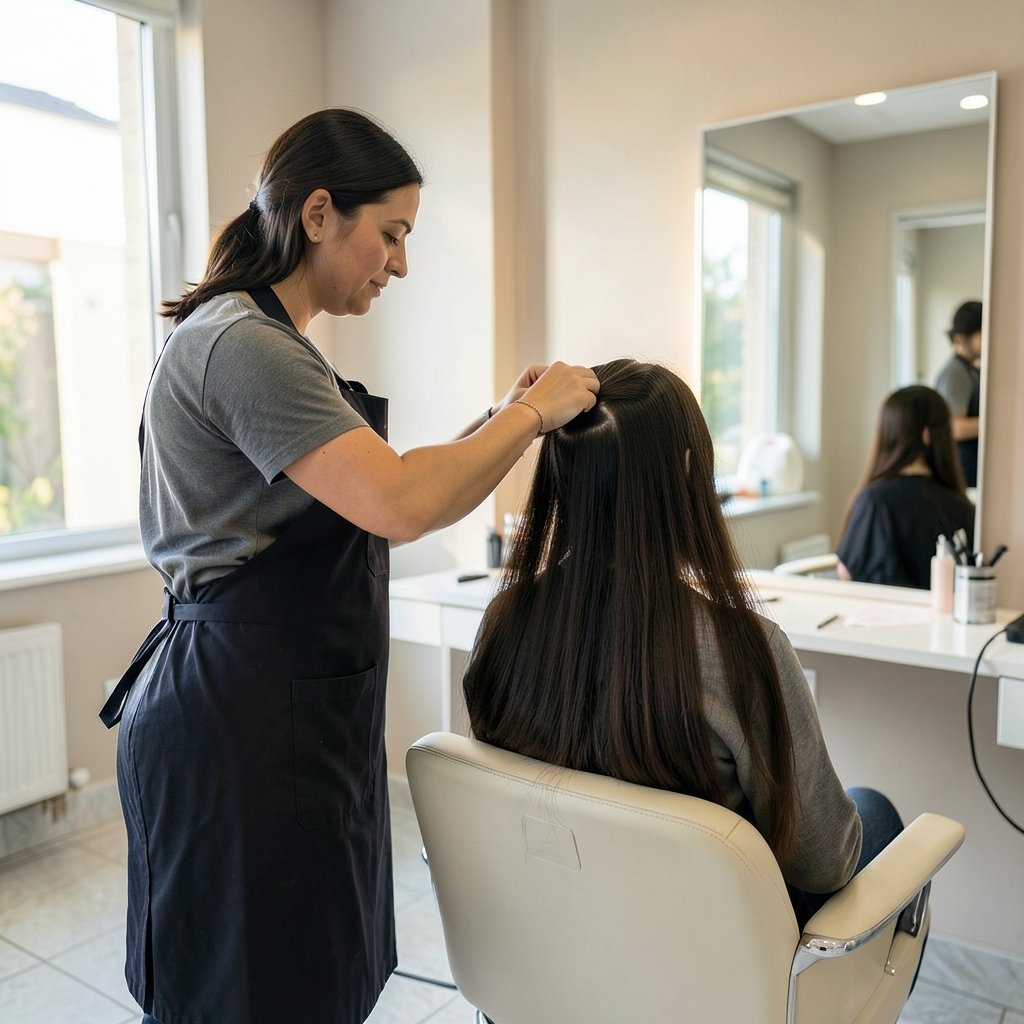
They can be, but the method and installation matter more than extensions as a concept. Tight braids, heavy beads, and rushed removal are the main culprits behind breakage and traction alopecia. Looser installs, proper rest periods between sets, and professional removal greatly reduce risk. Anyone who feels constant tension at the root should have the install adjusted rather than waiting.
Can you sleep in hair extensions?
Some types, yes. Tape-ins, fusion bonds, micro-links, and sew-ins are designed for overnight wear. Clip-ins should come out before bed. For the permanent methods, a loose braid and a silk pillowcase reduce tangling. Never go to bed with wet extensions, since damp hair stretches and weakens at the attachment point.
How much do hair extensions cost?
Prices vary enormously by method, length, and fiber quality. Clip-ins are the cheapest entry point, while bonded and sewn methods cost more upfront and require paid maintenance visits. A realistic budget accounts for the purchase price plus roughly the same amount again over the first year for professional reinstalls, removal, and specialist products.
How can you tell if hair extensions are real human hair?
Do a strand test. Synthetic fiber usually melts or crinkles under a low-heat straightener, while human hair tolerates it. You can also check the cuticle by running fingers root to tip and then tip to root; smooth in one direction and rough in the other suggests aligned cuticles. Finally, check the label and return policy, since misleading “real hair” claims have drawn regulatory action.
What is the safest hair extension method for beginners?
Clip-ins are the safest starting point. They require no adhesive or tension at the root, come out nightly, and cost the least. They also let a first-time buyer learn about color matching, blending, and daily care without committing to months of maintenance. Once those skills feel comfortable, tape-ins or micro-links become a lower-risk next step.