
2b Hair Guide: Identify & Care for Medium Waves
 Abdul WadoodLast updated
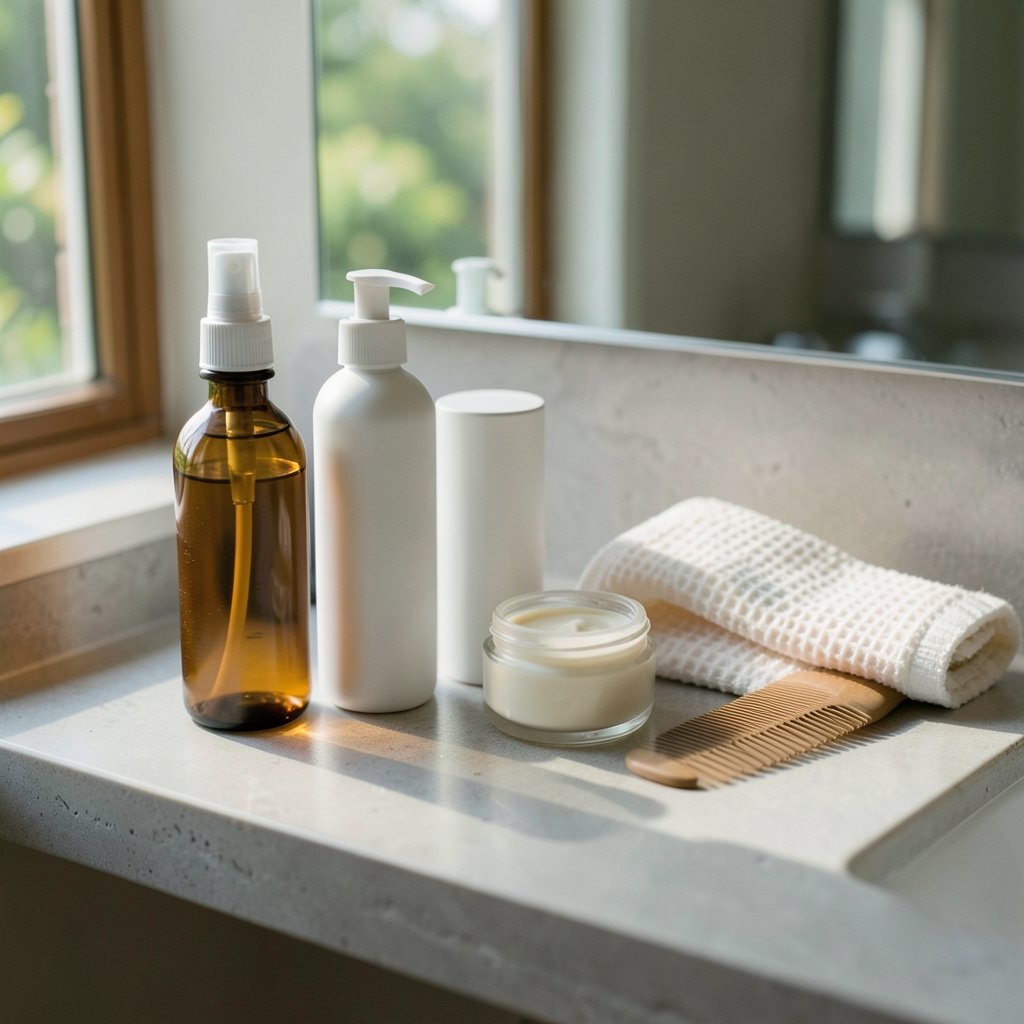
Is your hair straight some days and wavy on others, with no clear pattern either way? You might be dealing with 2b hair, the middle child of the wavy hair world. It’s not straight, it’s not curly, and it doesn’t quite behave like either. That in-between nature is exactly what makes it tricky to style, shop for, and manage.
This guide breaks down what 2b hair actually is, how to tell it apart from neighboring types, and which routines tend to work in real life. It also covers the mistakes that flatten waves, the products that weigh them down, and the honest limits of the hair typing system itself.
What Is 2b Hair?
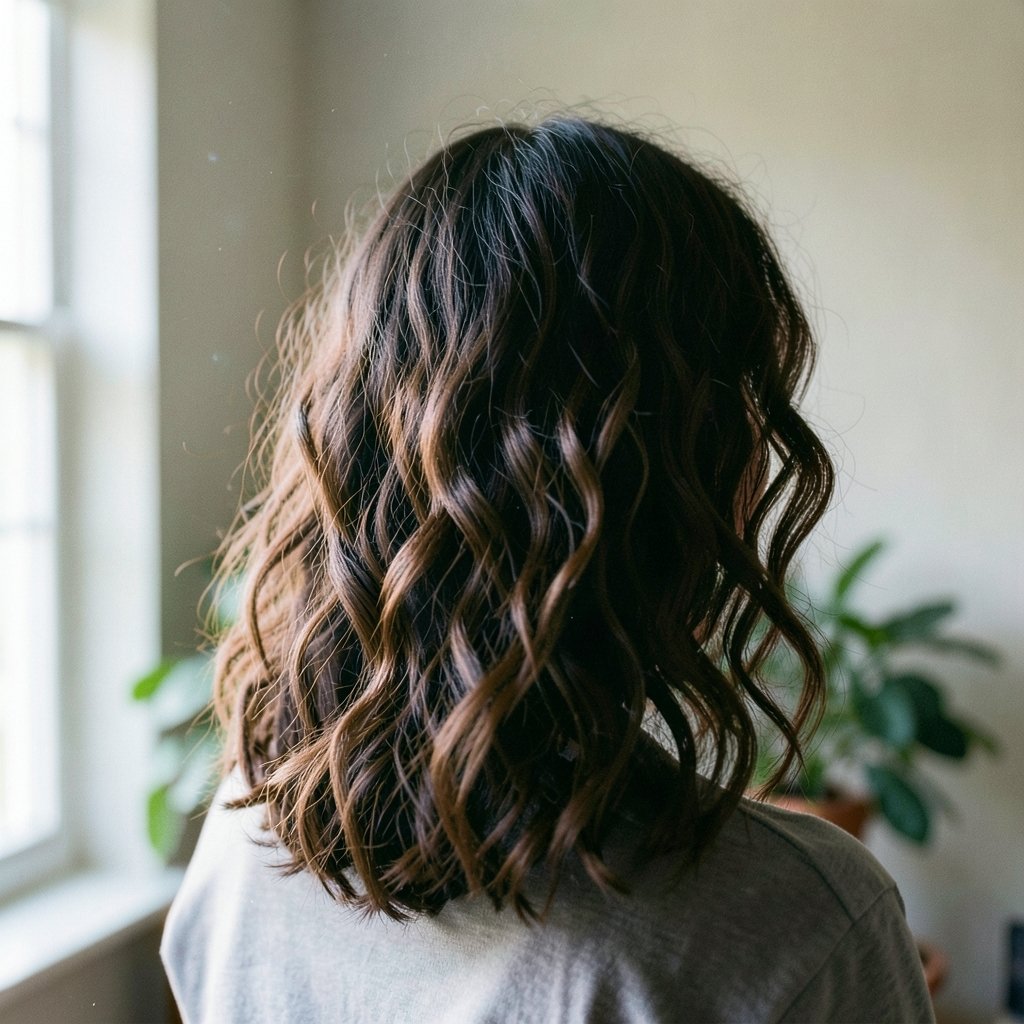
2b hair is a subtype in the Andre Walker Hair Typing System, a classification framework that sorts hair into Type 1 (straight) through Type 4 (coily), with Types 2 and 3 subdivided into a, b, and c. Hairstylist Andre Walker popularized the system in his 1990s book Andre Talks Hair, published in 1997. (Hair)
Type 2 hair is generally described as wavy. Within that group, 2b sits in the middle: medium-thickness waves that form a loose “S” shape, often starting below the crown rather than at the root. The hair near the scalp tends to lie flatter, and the wave pattern builds further down the strand.
It’s worth stating plainly: these categories are descriptive conventions, not standardized measurements. There’s no clinical test for 2b hair, and subtype definitions vary between sources. The system is widely criticized as non-scientific, and curl-pattern categories aren’t used in dermatology or trichology for diagnosis. For a broader overview of how hair shape is studied, the Wikipedia entry on hair is a reasonable starting point, but treat typing as a shopping and styling shortcut, not a medical fact.
How to Tell If You Have 2b Hair
The most reliable way to check is to look at your hair wet and untouched, then again after air drying with no product. Here’s what tends to separate 2b from its neighbors.
| Feature | 2a hair | 2b hair | 2c hair |
|---|---|---|---|
| Wave shape | Very loose, barely there | Defined loose “S” | Tighter, more pronounced “S” |
| Where waves start | Mid-length to ends | Below the crown | Closer to the root |
| Strand thickness | Fine to medium | Medium | Medium to coarse |
| Behavior when brushed dry | Mostly falls straight | Poofs and loses definition | Expands significantly |
| Typical volume | Low | Moderate | High |
A few practical checks that actually work in practice:
- Skip product and air dry. Wash, gently squeeze out water, and let it dry without touching it. Scrunching or combing during drying hides the natural pattern.
- Look at the underside. Many people with 2b hair have stronger waves underneath and flatter sections on top. Check both.
- Try a dry brush test. Brush through dry hair. If the waves collapse into frizz and volume rather than staying smooth, you’re likely in the 2 range.
- Check after a trim. Waves often show up more clearly when weight is removed. If a haircut suddenly reveals texture, that’s a clue.
One common mistake: judging type from a photo of styled hair. Product, diffusing, and scrunching can make 2a hair look like 2b and 2b look like 2c. Assess the naked pattern first, then decide how you want to enhance it.
Why 2b Hair Behaves the Way It Does
Hair shape comes down to the geometry of the hair fiber itself. Curvature is linked to the cross-sectional shape of the strand and the way cells are distributed around the follicle. This is the empirical side of the discussion, covered in cosmetic science texts such as Robbins’ Chemical and Physical Behavior of Human Hair, which examines fiber shape and its effect on how hair behaves. (Hair and scalp care)
For 2b hair specifically, the practical consequences are consistent:
- The root area falls flat. Because waves start lower down, the crown often lacks volume while the mid-lengths and ends have plenty.
- Frizz appears fast. The pattern is loose enough that individual strands escape easily, especially in humidity.
- Definition is fragile. Brushing, combing, or handling wet hair can pull the wave out entirely.
- Weight matters enormously. Heavy products and long layers drag the pattern down; lightweight ones let it spring back.
Understanding this explains most of the frustration people with 2b hair report. The hair isn’t misbehaving. It’s responding predictably to how much weight and manipulation it’s given.
A Realistic 2b Hair Care Routine
The routine that works for 2b hair is less about buying more products and more about reducing friction and weight. Here’s a sequence that holds up in practice.
Step 1: Cleanse gently
Sulfate-free or low-sulfate shampoos are the common recommendation, though the evidence behind specific formulas is largely consumer-facing rather than clinical. The practical reason is simple: harsh cleansing strips hair and encourages frizz. Focus shampoo on the scalp, not the ends.
Step 2: Condition with intention
Use a lightweight conditioner on mid-lengths and ends. Rinse with cool water, which doesn’t change the hair’s structure but does help smooth the cuticle temporarily. Deep condition occasionally rather than every wash, since 2b hair rarely needs heavy moisture loading.
Step 3: Apply product to soaking-wet hair
This is the step most people get wrong. Applying leave-in conditioner or a light gel to dripping-wet hair helps distribute product evenly and reduces frizz. Use less than you think. A coin-sized amount is usually plenty for medium-length hair.
Step 4: Dry with intention
Either air dry untouched or diffuse on low heat and low speed, cupping the hair rather than blasting it. Avoid rubbing with a towel. A soft microfiber towel or cotton T-shirt pressed gently against the hair works better than a rough terry towel.
Step 5: Refresh, don’t rewash
Between wash days, mist with water and scrunch lightly to reactivate product. Most 2b hair doesn’t need daily washing, and over-washing tends to increase frizz.
Mistakes That Flatten 2b Waves
Certain habits reliably undermine the pattern. These come up again and again.
- Brushing dry hair. This is the single biggest culprit. It separates the wave clumps and creates a cloud of frizz.
- Using heavy oils and butters. Products designed for coily hair are often too heavy for 2b waves and pull them straight.
- Skipping hold products entirely. Without some hold, waves fall out within hours. A light gel or mousse is not optional if you want definition.
- Touching hair while it dries. Hands disturb the clumps that form the wave.
- Cutting blunt, heavy layers. Too much weight at the bottom drags the pattern down. Light layering usually helps.
- Overwashing. Daily shampooing strips the hair and encourages the cuticle to roughen.
A useful rule of thumb: if your waves disappear by midday, the problem is usually too much product weight or too much handling, not the hair type itself.
Products That Tend to Work
For 2b hair, look for lightweight formulas with hold. The table below maps product categories to what they do.
| Product type | What it does | Watch out for |
|---|---|---|
| Low-sulfate shampoo | Cleans without stripping | Some still contain harsh surfactants |
| Lightweight conditioner | Smooths without weight | Heavy butters and oils |
| Leave-in spray | Adds slip and light moisture | Creams that sit on top of hair |
| Mousse | Adds volume and light hold | Alcohol-heavy formulas that dry hair out |
| Light gel | Defines wave clumps | Hard-hold gels that feel crunchy |
| Sea salt spray | Adds texture and grip | Overuse, which can dry strands |
A note on sea salt spray: it’s popular for enhancing 2b texture, but it’s drying with frequent use. Treat it as an occasional tool, not a daily staple. Similarly, “curl creams” marketed for Type 3 and 4 hair are often too rich for 2b waves. If a product makes your hair feel coated, it’s probably the wrong weight.
Styling and Cutting 2b Hair
Cut matters as much as product. For 2b hair, a stylist who understands wavy texture will usually:
- Cut the hair dry or mostly dry so the natural pattern is visible.
- Add light layers to remove weight and encourage the wave.
- Avoid heavy blunt lines that flatten the ends.
- Keep some length, since very short cuts can make 2b waves look straight or awkward.
For styling, the “scrunch and leave it” approach works well. Apply product to wet hair, scrunch upward with a T-shirt, and either air dry or diffuse. Once dry, resist the urge to run fingers through it. If you need to break a cast from gel, do it gently with a small amount of light oil on the fingertips.
The Honest Limits of Hair Typing
It’s worth being clear about what the typing system can and can’t do. It’s a useful shorthand for product shopping and salon conversations, but it’s not standardized, not clinically endorsed, and not consistent across sources. Two people both told they have 2b hair may have very different densities, porosities, and strand thicknesses, all of which affect how hair behaves far more than the wave label.
The system’s origin details are also reported inconsistently across sources, and subtype boundaries blur in practice. For anyone building a routine, the better approach is to treat 2b as a starting point and then adjust based on what the hair actually does. If a product weighs your waves down, it’s wrong for you regardless of what the label says.
For a broader look at how hair shape and texture are classified and studied, the Wikipedia overview of hair covers the biology, while consumer-facing resources from professional organizations can help with general care questions. The key takeaway is that typing is a tool, not a diagnosis.
Conclusion
2b hair sits in a genuinely awkward spot: too wavy to be straight, too loose to be curly, and easy to flatten with the wrong routine. The good news is that the fixes are simple and cheap. Cleanse gently, condition lightly, apply product to wet hair, dry without touching, and stop brushing dry. Those five habits resolve most of the frustration people with 2b hair report.
Treat the typing label as a starting point rather than a rulebook. Pay attention to how your hair responds to weight, handling, and humidity, and adjust from there. That feedback loop, more than any product recommendation, is what actually produces consistent results.
Frequently Asked Questions
What is 2b hair?
2b hair is a subtype in the Andre Walker Hair Typing System, describing medium-thickness wavy hair with a loose “S” pattern that typically starts below the crown. It sits between 2a (very loose waves) and 2c (tighter waves) and is known for moderate volume and a tendency to frizz when brushed dry.
How can I tell if I have 2b hair?
Wash your hair, skip all product, and let it air dry without touching it. If the waves form a loose “S” shape starting below the crown and the root area lies relatively flat, you likely have 2b hair. Checking the underside matters too, since many people have stronger waves underneath.
Why do my 2b waves disappear by midday?
The usual causes are too much product weight, brushing or touching hair while it dries, and skipping hold products entirely. Lightweight gel or mousse applied to soaking-wet hair, followed by no handling during drying, usually keeps waves intact much longer.
Is the hair typing system scientifically valid?
No. The typing system is a descriptive convention, not a standardized or clinically endorsed classification. Subtype definitions vary between sources, and curl-pattern categories aren’t used in dermatology or trichology for diagnosis. It’s useful for shopping and salon conversations, but it shouldn’t be treated as a scientific measurement.
What products should I avoid with 2b hair?
Heavy oils, thick butters, and rich creams designed for coily hair often weigh 2b waves down and pull them straight. Hard-hold gels can also leave a crunchy cast. Look for lightweight formulas with light-to-medium hold instead.
How often should I wash 2b hair?
Most people with 2b hair do well washing two to three times per week, though this varies with scalp type and activity level. Over-washing tends to increase frizz and strip the cuticle. Between washes, refresh with water and a light scrunch rather than a full wash.