
Luxury Amenities in NYC Coworking: What’s Worth It in 2026
 Abdul WadoodLast updated
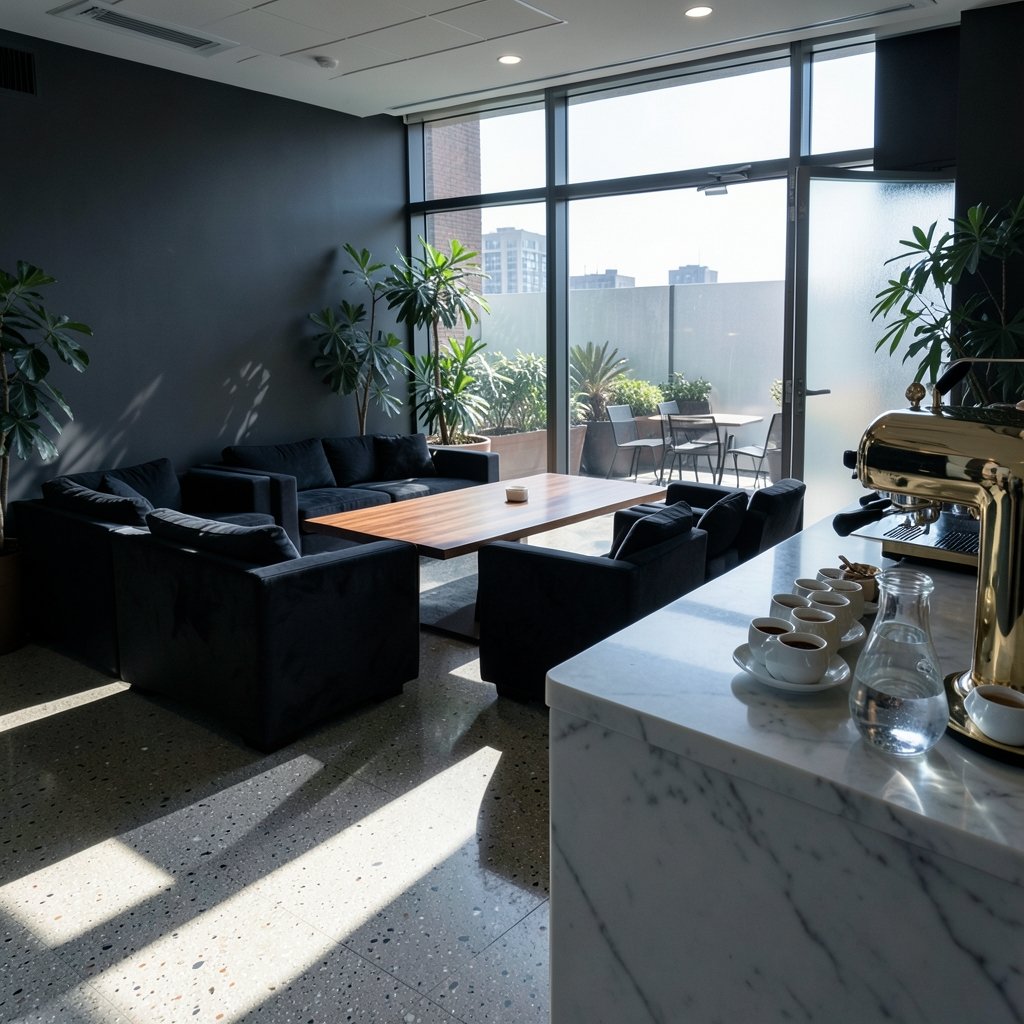
What separates a $300-a-month desk from a $1,200 one in the same Manhattan neighborhood? Often, it isn’t the desk at all. It’s the concierge who remembers your name, the wellness room you can book when a migraine hits, the terrace where you take a call at 4 p.m. without shouting, and the espresso that doesn’t taste like regret. New York‘s premium coworking market has spent the last decade turning office space into something closer to a hotel, and the amenities are now the product. But which ones are worth paying for, and which are marketing gloss? (Coworking)
Why New York Became the Testing Ground for Premium Coworking
The modern coworking movement is usually traced to 2005 in San Francisco, when Brad Neuberg set up a shared workspace that mixed structure with community. The model spread quickly, but New York gave it a commercial engine. WeWork, founded in the city in 2010, built its identity on design-forward lounges, events, and perks like free beer on tap. That formula pulled flexible workspace into the mainstream, and it also raised expectations permanently. Once members had tasted hospitality-grade space, a plain desk in a beige room stopped feeling acceptable.
The correction came fast. WeWork’s attempted IPO collapsed in 2019, and the company filed for Chapter 11 bankruptcy protection in the U.S. in November 2023. That shock reshaped the local market. Operators that survived leaned harder into service quality and building-level differentiation, because competing on square footage alone had proven disastrous. Meanwhile, Manhattan office vacancy stayed elevated through the mid-2020s, which pushed landlords toward flexible, amenity-heavy offerings to fill floors. The result is a market where “luxury” is less a price tier than a service promise, and members are right to interrogate it. (Lake como luxury travel guide villas boats where stay) (Office and administrative support occupations)
The Amenities That Genuinely Change a Working Day
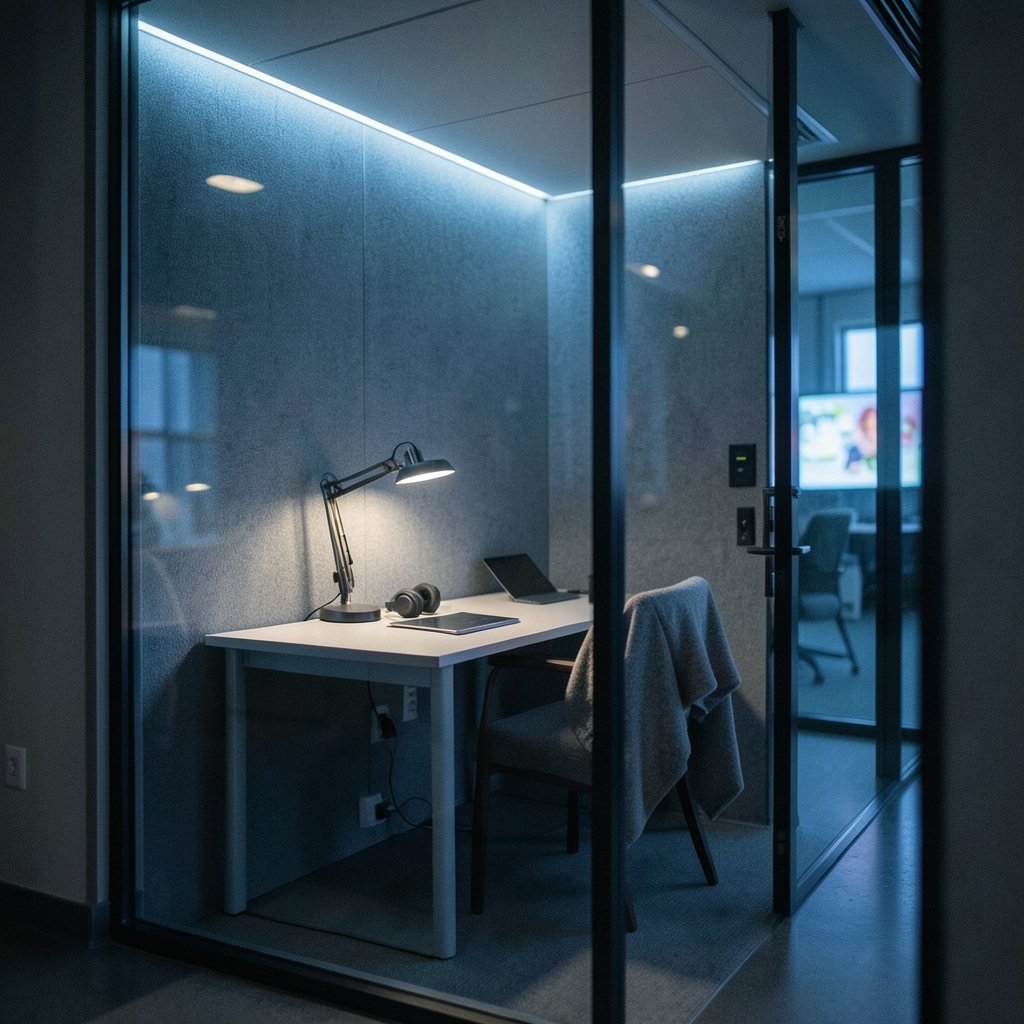
Walk through a premium space in Midtown, Flatiron, or Williamsburg and you’ll see a long list. Some items change how you work. Others just photograph well. Here’s the honest split.
| Amenity | Practical value | Watch for |
|---|---|---|
| Concierge and front-desk staffing | High: packages, guests, last-minute needs | Whether it’s staffed after 6 p.m. |
| Soundproofed phone booths and pods | High: protects focus and calls | Ratio of pods to members |
| Private terraces and outdoor space | High in summer, limited in winter | Noise from street or HVAC units |
| Wellness and quiet rooms | High for health and recovery | Booking rules and real availability |
| Full-service coffee and food program | Medium to high: saves time and money | Whether it’s included or pay-per-item |
| Fitness studio or gym access | Medium: depends on your routine | Peak-hour crowding |
| Events and speaker programming | Medium: networking value varies | Whether it’s salesy or substantive |
| High-end lounge design | Low: nice, rarely decisive | Comfort over aesthetics |
The pattern is consistent: the amenities that protect time and attention earn their premium. The ones that only look good in a brochure rarely do.
Concierge, Wellness, and the “Hotel-ification” of the Office
The clearest shift in New York is that premium coworking now borrows from hospitality rather than corporate real estate. Concierge desks handle mail, guest greetings, and small emergencies. Wellness rooms give people a private place to manage health without going home. Showers and bike storage matter to anyone commuting from outer boroughs. Food programs range from stocked pantries to in-house cafés.
This isn’t only a perk race. It reflects how people actually work now: hybrid schedules, unpredictable hours, and a need for space that flexes between deep focus and client hosting. The sociological idea behind it is old. Ray Oldenburg’s concept of the “third place,” a social environment separate from home and work, is often used to explain why shared workspaces appeal at all. Premium operators are effectively selling a highly serviced third place, and they charge accordingly.
One practical caution: concierge and wellness amenities are labor-intensive, which means they’re the first thing cut when an operator’s finances tighten. Ask how long the building has been open and whether the service level has changed. Members notice.
What “Luxury” Means in This Market, and Why It’s Fuzzy
There is no industry standard for “luxury” in coworking. No certification, no threshold, no governing body. An operator can call a space luxury because of a marble lobby, and another can use the same word for a building with a nurse on site. That ambiguity is the single biggest source of member disappointment.
The practical definition most operators work from is hospitality-style service: concierge, wellness rooms, high-end food and beverage, private terraces, fitness. Price alone tells you little. A $900 desk in a building with no phone booths is worse value than a $700 desk with six of them.
Market-size statistics are equally slippery. Trade bodies and research firms publish very different figures on the number of coworking spaces and members, and methodology varies widely. Treat any single number as directional, not definitive.
The Rules Behind the Amenities: Zoning and Building Code
A surprising amount of what a coworking space can offer is decided before anyone picks a sofa. New York’s zoning resolution governs how buildings and spaces can be used, and the Department of Buildings enforces occupancy and construction rules. Amenities like a fitness studio, a café open to the public, or a rooftop terrace can trigger different use classifications, occupancy limits, or permitting requirements. Operators who promise a “gym” sometimes mean a room with two treadmills, because a full commercial gym may not be permitted in that building.
For members, this matters in one specific way: ask whether an amenity is permanent. Terraces, food service, and fitness facilities are the amenities most likely to be scaled back or closed after permitting or cost reviews. Get promises in the contract, not just the tour.
How to Evaluate a Premium Space Before You Sign
Tours are staged. Tuesdays at 11 a.m. look nothing like Thursdays at 2 p.m. Here’s a sequence that works in practice.
- Visit on a busy weekday afternoon, not a quiet morning, and count how many phone booths are occupied.
- Ask what’s included versus billed separately: printing, meeting-room hours, guest passes, food, parking.
- Request the meeting-room allowance in writing. “Discounted” rates can still be steep.
- Ask how many members share each booth, wellness room, and shower.
- Check the cancellation and downgrade terms, not just the sign-up terms.
- Talk to two current members in the elevator, not the ones the community manager introduces.
The most common mistake is paying for amenities you’ll never use. If you take every call from home and never host clients, a terrace and event program are decoration. If you host clients weekly, a professional reception and a bookable boardroom are worth real money.
Matching the Space to Your Actual Life
Different workers need different things from a premium building. A solo consultant who hosts clients twice a month needs reception, a bookable room, and reliable coffee. A small team needs enclosed space and predictable meeting-room access. Someone managing a demanding schedule may care most about quiet and recovery. If your work involves long stretches of concentration, the case for a genuinely silent cabin is worth understanding in other contexts too, and the same logic applies to office design: silence is a service. The quietest luxury cars exist because noise is a cost, and the same is true of a coworking floor with thin walls. (Luxury concierge services work access fees you really get)
The broader principle is the same one behind conscious luxury as a practical guide to buying better rather than more. Pay for the three or four amenities that remove friction from your week. Skip the rest. A premium membership that includes a spa you never enter is just an expensive desk.
If you’re weighing a workspace against other big-ticket lifestyle decisions, the reasoning transfers. People evaluating luxury concierge services and access fees face the same question: what is the fee actually buying, and would you pay for it separately? Coworking amenities deserve the same scrutiny. So does any premium purchase tied to how you spend your days, whether that’s a design-forward kitchen layout that makes a small space work harder or a travel plan built around genuine sustainability rather than a label. The test is always the same: does this change my daily experience, or does it just change how the place looks in photos?
Common Mistakes Members Make
The first is signing on the tour. Premium spaces often have the best availability and the most negotiating room at quarter-end, so ask about promotions and shorter terms. The second is assuming all-inclusive means all-inclusive. Printing credits, guest passes, and meeting-room hours are frequently capped. The third is ignoring the building itself: a beautiful lounge doesn’t help if the elevators are slow, the HVAC is loud, or the entrance feels unsafe at 9 p.m.
The fourth mistake is overvaluing community. Events and programming sound great, but attendance at most premium spaces is modest, and the networking value depends on whether the member mix matches your industry. Ask what percentage of members work in your field. If the answer is vague, the community is a marketing line.
Conclusion
New York’s premium coworking market sells hospitality, not just desks, and the amenities that matter most are the unglamorous ones: soundproofed booths, a staffed front desk, bookable quiet rooms, and reliable food. The word “luxury” carries no standard in this industry, so the only reliable measure is your own week. Count how often you’d use each amenity, price it as if you were buying it separately, and read the contract before the tour glow fades. The best-value space is rarely the most impressive lobby. It’s the one where Thursday at 2 p.m. looks exactly like the brochure promised.
Frequently Asked Questions
What counts as a luxury amenity in a New York coworking space?
Typically concierge service, wellness and quiet rooms, high-end food and beverage, private terraces, fitness facilities, and design-forward lounges. There’s no industry standard, so the label means whatever the operator says it means. Judge by what’s staffed and available on a busy day.
How much more does a premium coworking desk cost in New York?
Pricing varies enormously by neighborhood, desk type, and term length, and it changes often. Rather than comparing headline rates, compare what’s included: meeting-room hours, printing, guest passes, and food. A higher rate with generous inclusions can beat a cheaper desk with add-on fees.
Are coworking amenities included in the membership price?
Sometimes, but not always. Coffee, printing credits, and meeting-room hours are frequently capped or billed separately. Ask for a written list of inclusions and overage rates before signing, and confirm whether guest passes cost extra.
Is the coworking market in New York still growing after WeWork’s bankruptcy?
The market has changed shape rather than disappeared. WeWork’s 2023 Chapter 11 filing reshuffled operators and buildings, and elevated office vacancy pushed landlords toward flexible offerings. Demand for serviced, amenity-rich space continues, but the operator landscape looks different than it did in 2019.
Do zoning rules affect which amenities a coworking space can offer?
Yes. Building use classifications, occupancy limits, and permitting can restrict fitness facilities, public-facing cafés, and outdoor terraces. That’s why some advertised gyms are modest rooms. If a specific amenity is central to your decision, ask whether it’s permanent and permitted.
How can I tell if a coworking space is genuinely premium or just well marketed?
Visit at peak hours, count available phone booths, check whether the front desk is staffed late, and ask two current members what changed after they joined. Service levels are the first thing cut when an operator tightens its budget, so recent member experience beats any brochure.