
Best Time to Visit Grand Canyon: 2026 Season Guide
 Abdul WadoodLast updated
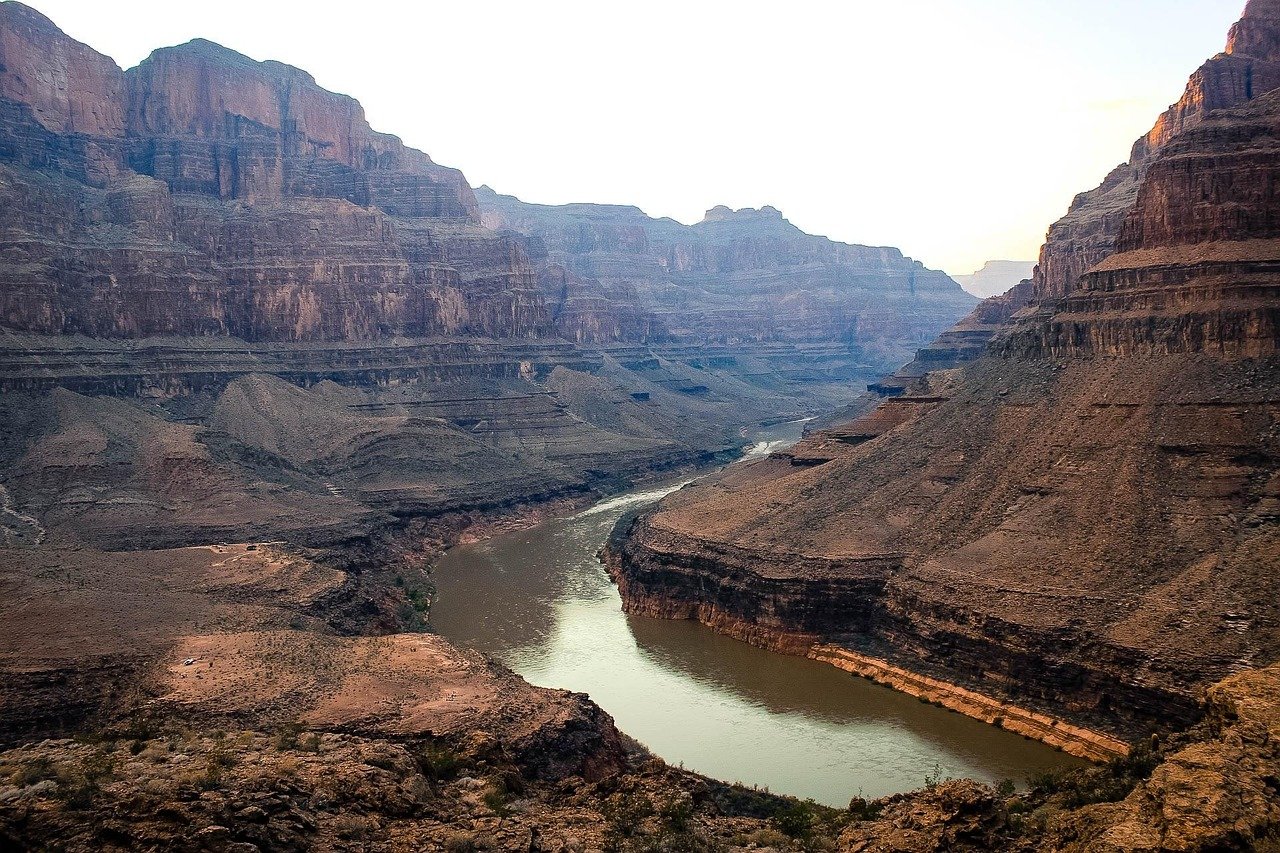
When is the best time to visit the Grand Canyon? Ask five people and you may get five answers, because the honest reply depends on what you want from the trip. A photographer chasing clear air and long shadows wants different conditions than a family with young kids, a backpacker heading below the rim, or a road-tripper who simply wants a parking spot without circling for twenty minutes. (How to Stop Over Scheduling Your Life: Reclaim Your Time)
The Grand Canyon is not one place with one climate. The South Rim sits around 7,000 feet and stays open all year. The North Rim is higher, colder, and open only seasonally. The inner canyon is a different world again, often 20 degrees warmer than the rim. That geography is the key to planning well, and it is why “best time” is really a question about your priorities.
The short answer: shoulder seasons win for most people
For the majority of visitors, the best months are April, May, September, and October. Temperatures on the rim are mild, trails are mostly clear, and crowds are lighter than in midsummer. Spring brings wildflowers and crisp mornings; fall brings stable weather and golden light that photographers love.
This is not a secret. Shoulder-season hotel rooms on the South Rim book up months ahead, especially on weekends. If you have fixed dates in May or September, reserve lodging early and treat it as the single most important planning task.
Season-by-season breakdown
Spring (March to May): mild days, lingering snow
March can still feel like winter at 7,000 feet. Snow is possible on the rim, and the North Rim remains closed. By late April and May, the South Rim hits a sweet spot: daytime highs often in the 60s and 70s Fahrenheit, with cool nights.
Two practical warnings. First, spring wind can be fierce, and it makes the rim feel colder than the thermometer suggests. Pack a windproof layer. Second, the inner canyon heats up fast. A May hike down the Bright Angel Trail can start in chilly shade and end in genuine heat by mid-morning, so carry more water than feels necessary. (Ballet etiquette first time visitors practical guide your)
Spring is also prime time for backcountry permits. Overnight camping below the rim requires a permit, and demand is high in spring and fall. Apply early and have a backup plan.
Summer (June to August): crowds, heat, and early starts
Summer is the most popular season and, for many people, the least comfortable. The South Rim is busy, shuttle buses fill, and the inner canyon becomes dangerously hot. Hiking to the river and back in a single day during summer is strongly discouraged, and for good reason: the climb out is steep, exposed, and much harder than the descent.
That does not mean summer is off-limits. It means summer rewards a different strategy:
- Start hikes before sunrise, when temperatures are lowest and trails are quietest.
- Treat the rim trail as your main walk and save big descents for cooler months.
- Carry at least a gallon of water per person per day for any below-rim activity.
- Plan indoor or shaded activities during the hottest hours, roughly 11 a.m. to 4 p.m.
- Watch for afternoon thunderstorms in July and August, which bring lightning risk on exposed trails.
Summer also brings monsoon moisture, which can mean dramatic skies and sudden rain. If you are visiting primarily for photography, those storms can be a gift, provided you are not caught on an exposed ridge.
Fall (September to November): the connoisseur’s pick
Fall may be the single best all-around window. September and October offer warm but manageable days, cooler nights, and thinning crowds after Labor Day. The light softens, the air often clears, and the inner canyon becomes hikeable again for reasonably fit visitors.
The catch is that fall is short. By late October, nights on the rim can dip below freezing, and by November, snow is possible. The North Rim typically closes around mid-October, so if that side of the park is on your list, aim for late September or early October.
Fall is also when many people plan longer trips that combine the canyon with other stops. If you are building an itinerary around the season, some travelers pair a canyon visit with ideas from a guide to the best places to visit in October, where the season actually works in your favor.
Winter (December to February): quiet, snowy, and underrated
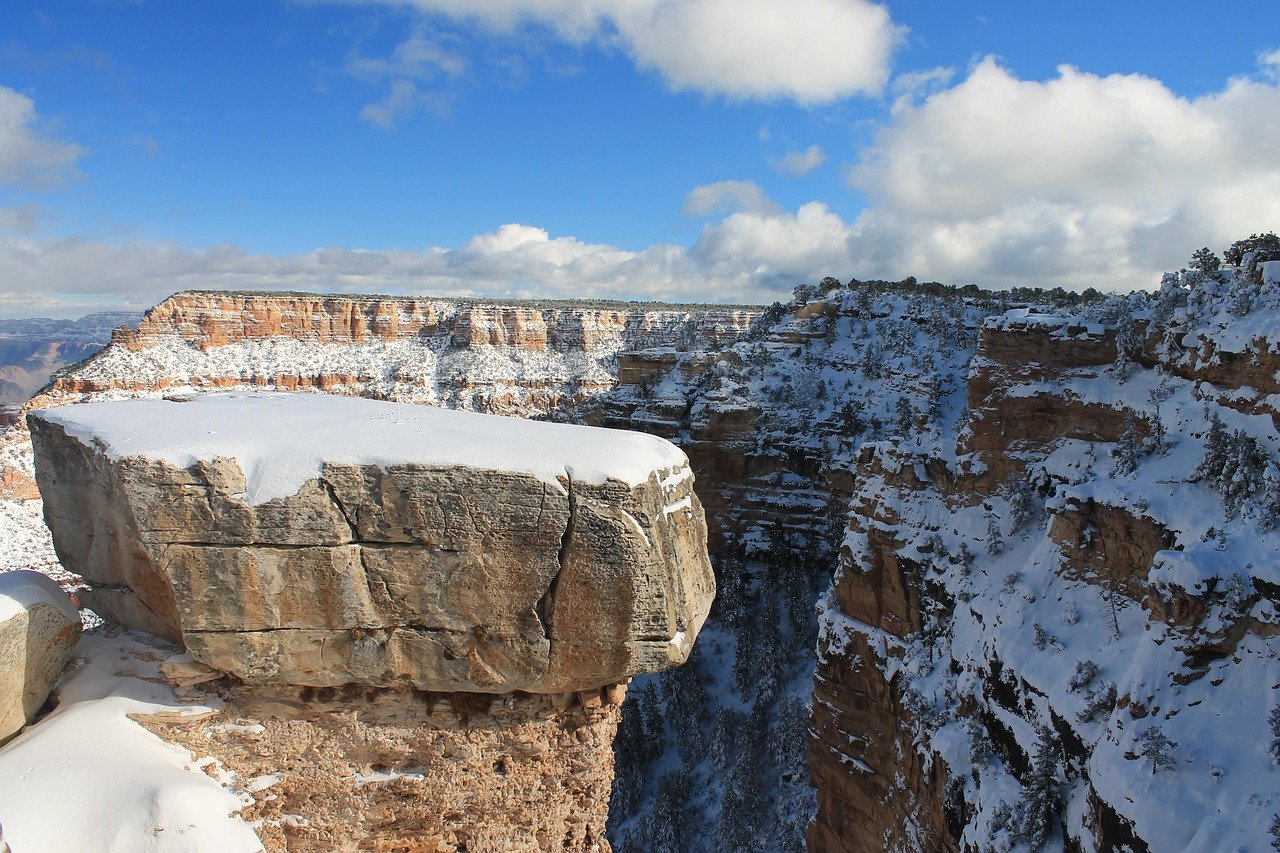
Winter on the South Rim is the park’s best-kept secret. Visitor numbers drop sharply, lodging is easier to find, and a dusting of snow on the canyon walls is genuinely spectacular. The rim trail stays accessible, and the silence is something summer visitors never experience.
The trade-offs are real. Some facilities run reduced hours, the North Rim is closed to vehicles, and icy patches make some trails slippery. Bring traction devices for your shoes, dress in layers, and check road conditions before driving. If you are flying in, build in slack for weather delays.
South Rim versus North Rim: two different calendars
Understanding the two rims solves most timing confusion.
| Feature | South Rim | North Rim |
|---|---|---|
| Open year-round | Yes | No, typically mid-May to mid-October |
| Elevation | About 7,000 feet | About 8,000 feet |
| Winter access | Roads generally open | Closed by snow |
| Crowds | Busy, especially summer | Quieter overall |
| Best months | April, May, September, October | June through September |
The North Rim’s short season is the single biggest scheduling constraint in the park. If seeing both rims matters to you, your trip almost has to fall between late May and early October. Confirm exact opening and closing dates before booking, since they shift slightly from year to year.
Matching the season to your goal
Different travelers should weight the seasons differently. Here is how the logic breaks down.
First-time visitors who want the classic experience should aim for May or September. You get reasonable weather, full services, and enough daylight to see several viewpoints without rushing.
Photographers often prefer late fall and winter for low sun angles, clear air, and dramatic weather. Storm light in late summer is another favorite, though it comes with risk.
Hikers heading below the rim should target spring and fall. Summer heat is the main hazard in the inner canyon, and winter ice makes steep trails treacherous.
Families with young children tend to do best in late spring or early fall, when temperatures are moderate and meltdowns are less likely. Short rim walks and shuttle rides work well at any age.
Crowd avoiders should look at November through February, accepting colder weather in exchange for space and quiet.
River rafters generally find commercial trips running spring through fall, with summer being the peak. Book well ahead if that is the centerpiece of your trip.
Practical tips that actually make a difference
A few habits separate a smooth canyon trip from a stressful one.
Book lodging early. South Rim rooms inside the park are limited and fill months ahead in shoulder season. Staying outside the park means a longer drive each morning.
Arrive at sunrise. The first hour of light is the best light and the emptiest trail. It also solves parking.
Respect the elevation change. Descending 1,000 feet into the canyon feels easy. Climbing back out at altitude is where people struggle. Turn around before you feel tired, not after.
Layer your clothing. Rim mornings can be near freezing while afternoons are warm. A base layer, fleece, and shell cover most conditions.
Check conditions the day before. Weather, road closures, and trail status change quickly. A five-minute check prevents wasted hours.
Do not overpack your days. Cramming three viewpoints, a hike, and a sunset into one afternoon is a common mistake. Pick two anchors per day and let the rest happen. The same principle applies to travel planning in general, and a guide on how to stop over-scheduling your life makes a surprisingly good pre-trip read.
If your trip includes cultural stops in a city before or after the canyon, it helps to know the local customs. First-time opera visitors, for instance, often wonder what to wear and when to clap, and a primer on opera etiquette for first-time visitors covers exactly that. Similarly, a practical guide to ballet etiquette for first-time visitors explains dress codes and timing so an evening out does not become a source of anxiety.
Common mistakes to avoid
The most frequent error is underestimating the inner canyon. People dress for the rim, descend into heat, and run out of water. The second is assuming the North Rim is open whenever the South Rim is; it is not. The third is booking a summer trip and planning long hikes at midday. The fourth is skipping sunrise because of the early alarm, then fighting crowds and harsh light all afternoon. The fifth is treating the canyon as a two-hour stop on a longer drive. It rewards at least two nights.
How many days do you need?
Two full days covers the South Rim comfortably: one for viewpoints and a short walk, one for a longer hike or a sunrise-to-sunset loop. Three to four days allows a below-rim hike, a ranger program, and a slower pace. Adding the North Rim requires at least an extra day for the drive and the higher elevation.
Conclusion
There is no single best time to visit the Grand Canyon, but there is a best time for you. If you want comfort and full services, choose late spring or early fall. If you want solitude and are willing to pack for cold, choose winter. If summer is your only option, embrace early starts and keep your ambitious hikes for another season. Match the season to your goal, book early, and give the canyon more than a passing afternoon. It has been sculpting itself for millions of years; it deserves more than two hours of your time.
Frequently asked questions
What is the single best month to visit the Grand Canyon?
September is hard to beat for most travelers. Days are warm but not brutal, crowds thin after Labor Day, the North Rim is usually still open, and the light is excellent. May runs a close second for similar reasons.
Is the Grand Canyon too hot to visit in summer?
The rim is manageable, with highs often in the 80s Fahrenheit. The inner canyon is the problem, where temperatures climb much higher and heat illness is a genuine risk. Summer visits work well if you hike early, stay hydrated, and avoid long descents at midday.
When is the North Rim open?
Typically from mid-May to mid-October, though exact dates shift each year. Outside that window, snow closes the access road and services shut down. Always confirm current dates before planning a North Rim visit.
Can you visit the Grand Canyon in winter?
Yes. The South Rim stays open year-round, crowds are minimal, and snow on the canyon walls is stunning. Expect cold nights, possible icy trails, and reduced hours at some facilities. Bring traction devices and check road conditions.
Do you need a permit to hike below the rim?
Overnight camping below the rim requires a backcountry permit, and demand is high in spring and fall. Day hikes do not need a permit, but they still demand serious preparation for heat, elevation, and water supply.
What should you pack regardless of season?
Water, layers, sun protection, and sturdy shoes. The canyon swings between cold mornings and warm afternoons in most seasons, and the sun is intense at altitude even when the air feels cool. A windproof shell earns its place in every season.