
Polène Numéro Un vs Numéro Neuf: Size, Structure
 Abdul WadoodLast updated
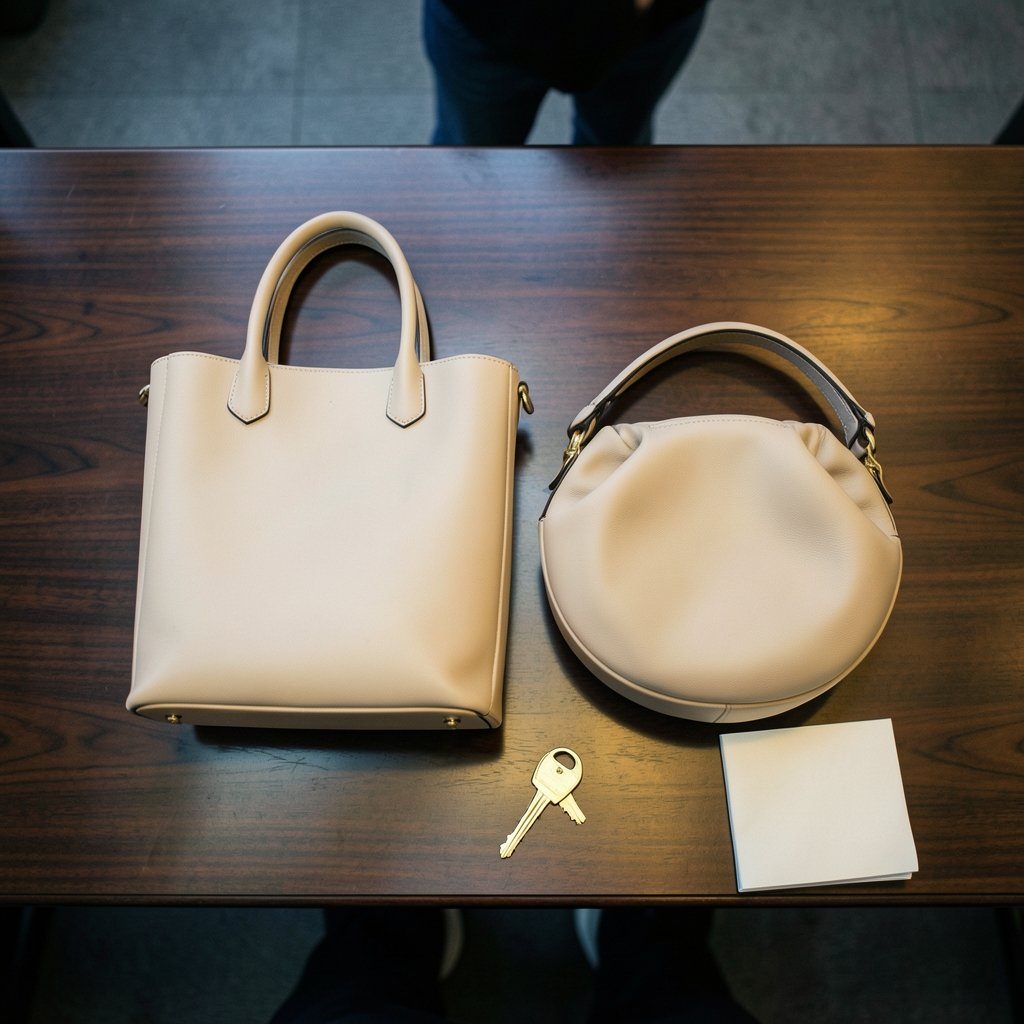
What if the difference between the right bag and the almost-right bag came down to one curve? That is basically the story of Polène’s two most talked-about designs. The Numéro Un and the Numéro Neuf sit a few numbers apart in the same family, share the same Parisian DNA, and still feel like they belong to two different personalities. One is the structured original that built the brand’s reputation. The other is the softer, rounder experiment that pushed it further.
Polène is a French leather-goods house founded in Paris in 2016 by three siblings, and its numbering convention (“Numéro” plus a French number word) runs across its core line. That naming habit makes the collection look tidy on a shelf, but it can make shopping confusing online. The numbers do not tell you how big a bag is, how it opens, or how it hangs on your shoulder. This comparison focuses on what actually changes between the Numéro Un and the Numéro Neuf, and who each one tends to suit.
One honest caveat before going further: Polène updates sizes, leathers, and hardware over time, and secondary sources often disagree about details. Treat this as a practical guide to the shapes and trade-offs, then confirm current specs on the product page before you buy.
The Short Answer: Structured Original vs. Rounded Newcomer
If you only remember one sentence, make it this: the Numéro Un is the structured, top-handle bag with a folded, sculpted flap, and it is one of the brand’s earliest and best-known models. The Numéro Neuf is a later design in the same numbered series, described in brand and press coverage as a rounded, sculptural bag with a distinctive curved handle.
That single difference drives almost everything else. A structured bag holds its shape, stands up on a table, and reads as formal. A rounded, sculptural bag moves with the body, feels softer in the hand, and leans casual or creative. Neither is better. They solve different problems.
The numbering itself is not a technical standard or a size code. It is a naming pattern, which is why you cannot assume the Neuf is bigger than the Un just because nine comes after one. Always check the actual dimensions rather than reading meaning into the name.
How the Two Bags Differ at a Glance
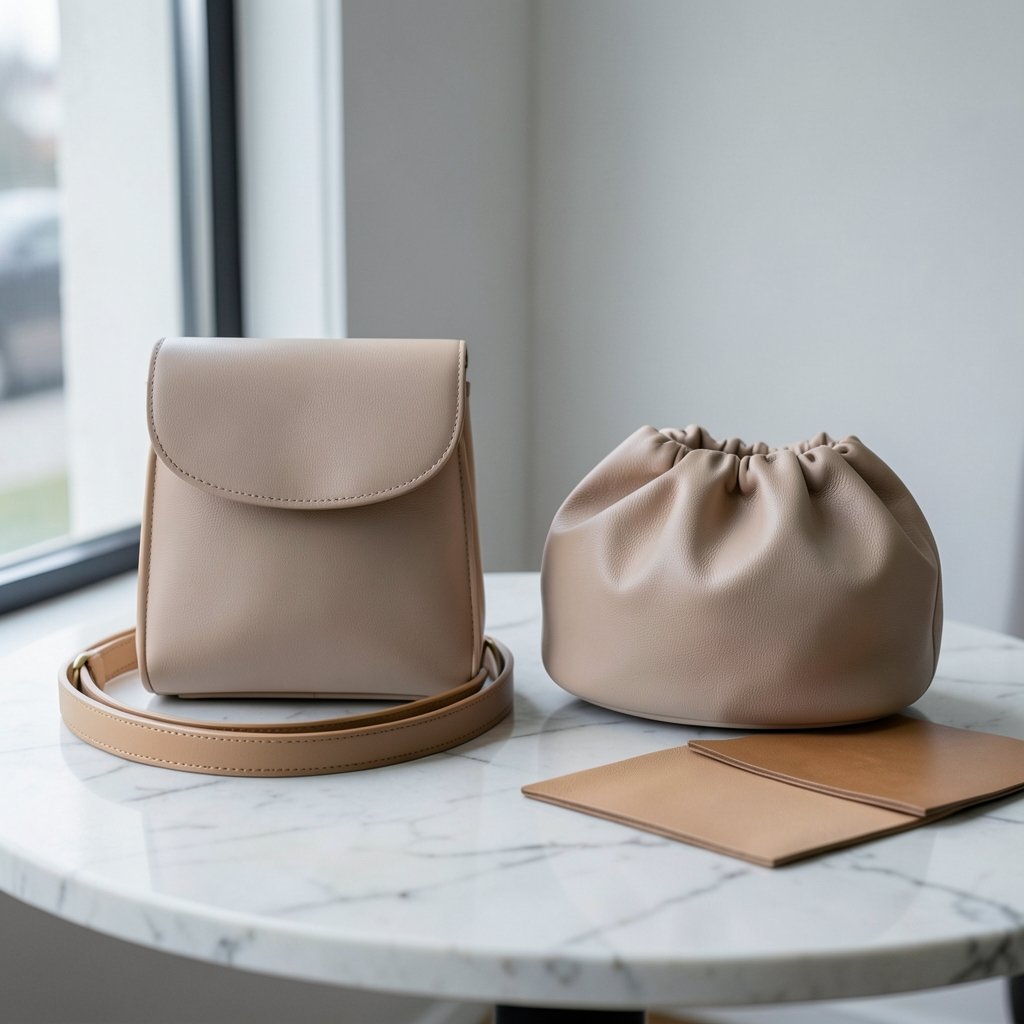
Here is the comparison most shoppers are actually looking for, kept to what is reliably known about the silhouettes rather than unverified figures.
| Feature | Numéro Un | Numéro Neuf |
|---|---|---|
| Era | Among the brand’s original designs | A later addition to the numbered line |
| Silhouette | Structured, with a folded, sculpted flap | Rounded and sculptural |
| Carry style | Top-handle and shoulder | Curved handle, softer carry |
| Overall mood | Polished, formal, architectural | Soft, modern, expressive |
| Best for | Work, events, structured outfits | Everyday wear, casual and creative looks |
| Specs (size, leather, price) | Confirm on the product page | Confirm on the product page |
Notice what is missing from that table: numbers. Dimensions, weight, leather type, lining, strap options, and price vary by version and change over time. Rather than print figures that may be out of date, the honest move is to verify them at the source. For the brand’s background and founding story, the encyclopedia entry on Polène covers the history and the family behind it.
Why the Numéro Un Still Anchors the Line
The Numéro Un earns its place as the reference point. It is the bag that taught people what Polène looks like: clean lines, a sculpted flap that folds rather than flaps, and a shape that holds an edge.
What works in practice. A structured bag like this does quiet work for an outfit. It sharpens a blazer, finishes a dress, and looks intentional in a meeting. Because it keeps its shape, it also protects what is inside, which matters if you carry a tablet, a hard case, or anything you would rather not have crushed.
Where it can frustrate. Structure has a cost. A firm bag can feel rigid against the hip on a long walk, and top-handle designs sometimes fight with a heavy winter coat. If you commute on foot or by bike, test how the bag sits when you are actually moving, not only how it looks in a mirror.
The common mistake. Buyers fall for the look and skip the carry test. Before committing, load the bag with what you really carry, then try it on your shoulder and in the crook of your arm. A structured bag that is slightly too small is far more annoying than a soft one that is slightly too small, because there is no give.
What the Numéro Neuf Brings That the Un Does Not
The Numéro Neuf is the softer answer. Its rounded, sculptural body and curved handle give it a different job: it looks less like office equipment and more like a piece you would carry to dinner, a gallery, or a weekend market.
What works in practice. Curves are forgiving. A rounded bag tends to sit closer to the body, reads less formal, and pairs easily with denim, knitwear, and layered casual outfits. The curved handle also makes it feel like an object worth holding, which is a real pleasure if you carry a bag in hand rather than on a strap.
Where it can frustrate. Sculptural shapes can be fussier to pack. Rounded interiors sometimes waste corner space, and a soft body may not stand upright when you set it down. If you like everything upright and findable, that is worth knowing.
The common mistake. Assuming a newer number means a bigger or more practical bag. Plenty of shoppers buy the Neuf expecting an upgrade in capacity and discover it is simply a different shape. Newer is not larger. It is just different.
Materials, Wear, and the Reality of Leather
Both bags belong to a leather-goods house, so material care matters more than the model name. Smooth leathers show scuffs and scratches sooner, while textured or grained finishes hide daily wear better. Neither choice is wrong, but they demand different habits.
A few practical rules that hold up regardless of which bag you choose:
- Store the bag stuffed with tissue or a soft insert so it keeps its shape between wears.
- Keep it away from direct sun and radiators, which dry leather out.
- Wipe spills immediately with a dry cloth rather than rubbing.
- Condition sparingly, and test any product on a hidden patch first.
- Rotate bags rather than wearing one every day, which spreads the wear.
If you want a deeper grounding in how leather is finished and why some hides age differently, a reference entry on leather explains the tanning and finishing processes that sit behind those differences. Understanding the material helps you judge a bag in person far better than any product photo.
How to Choose Based on How You Actually Live
The fastest way to decide is to stop comparing the bags and start describing your week. Answer these honestly.
Choose the Numéro Un if: you dress for work most days, you like a bag that holds its shape, you carry a mix of soft and firm items, and you want one bag that looks polished from desk to dinner.
Choose the Numéro Neuf if: your style leans casual or creative, you carry your bag in hand or on a short strap, you prefer softness over structure, and you want a piece that feels a little more expressive.
Choose neither, yet, if: you cannot try one on, you are unsure about the size, or you are buying because a number sounds newer. Those are the three situations where a return is most likely.
There is also a middle path. Many people end up with a structured bag for work and a softer one for weekends, which is exactly the gap these two models fill. If you are building a small collection rather than buying a single bag, thinking in roles rather than rankings makes the decision much easier.
What Actually Works in Practice
A few habits separate happy buyers from regretful ones, and they have nothing to do with which model is “better.” (FTC textile labeling requirements)
Measure your daily essentials first. Lay out what you carry, measure the widest and tallest items, and compare those numbers to the bag’s interior dimensions. This one step prevents most returns.
Check the opening as well as the size. A bag can be roomy and still awkward if the opening is narrow. Structured flaps and sculptural shapes both change how easily you can reach inside, especially one-handed.
Think about the strap. A top-handle bag and a curved-handle bag hang differently. Consider whether you want hands free, and whether the strap is adjustable or removable.
Buy for the season you are in. A bag that works over a thin summer dress may not sit comfortably over a heavy coat. If you switch wardrobes dramatically, test the bag with your bulkiest layer.
Ignore the number hierarchy. The numbering is a naming convention, not a ranking of quality or size. The right bag is the one that fits your week.
Where to Verify Before You Buy
Because details shift, the only authoritative source for current model specifications is the brand itself. Check the specific product page rather than a general landing page, and read the listed dimensions, materials, and strap details carefully. Note that this is a commercial site, so treat it as a spec sheet rather than an independent review.
For a second opinion, fashion press coverage offers independent descriptions of both silhouettes, and trade press reporting on the brand’s growth can give context on how the line has evolved. Cross-checking a product page against independent coverage is the simplest way to catch outdated details in blog posts and resale listings, which frequently disagree with each other and sometimes conflate sizes or editions.
If you are weighing other options in the same price and style bracket, a broader look at contemporary handbag design trends can help you judge whether a sculptural shape suits your wardrobe at all. For more style and buying guides, Voozon publishes practical comparisons that focus on how pieces actually wear. (Handbag)
Conclusion
The Numéro Un and the Numéro Neuf are not rivals so much as two answers to the same question: what should a sculptural bag do for you? The Un holds its shape and brings polish to structured days. The Neuf softens the formula and brings ease to casual ones. The numbering suggests a sequence, but the choice is really about silhouette, carry style, and the shape of your ordinary week.
Start with your essentials, test the carry, verify the current specs at the source, and pick the bag that matches how you actually live rather than the one with the higher number. Do that, and the decision gets a lot simpler.
FAQ
Is the Numéro Neuf bigger than the Numéro Un?
Not necessarily. The numbers are a naming convention, not a size code, so you cannot assume a higher number means a larger bag. Check the listed dimensions on the current product page for each model before deciding.
Which bag is better for work?
The Numéro Un generally suits work better because its structured body and top-handle design read as formal and hold their shape. That said, workplace dress codes vary widely, and a rounded bag can work fine in creative or casual offices.
Are these bags good for everyday use?
Both can be, depending on your routine. The Numéro Neuf’s softer, rounded shape tends to suit everyday casual wear, while the Numéro Un’s structure suits days when you want a polished look. Test the carry with your real essentials before committing.
Why do sources disagree about the details?
There is no standards body or official registry for these product names, so specifications exist only on the brand’s own site. Fashion blogs and resale listings often repeat outdated information or conflate sizes and editions, which is why details drift between sources.
Does a newer number mean better quality?
No. The numbering reflects the order of the line’s naming, not a ranking of quality or craftsmanship. Both models come from the same leather-goods house and should be judged on materials, construction, and fit for your needs.
What should I check first before buying?
Measure your daily essentials, confirm the interior dimensions and opening, and think about how the bag hangs with your heaviest coat. Then verify current specs on the product page, since materials and sizes change over time.