
Best Time to Visit Japan: Month-by-Month Guide 2026
 Abdul WadoodLast updated
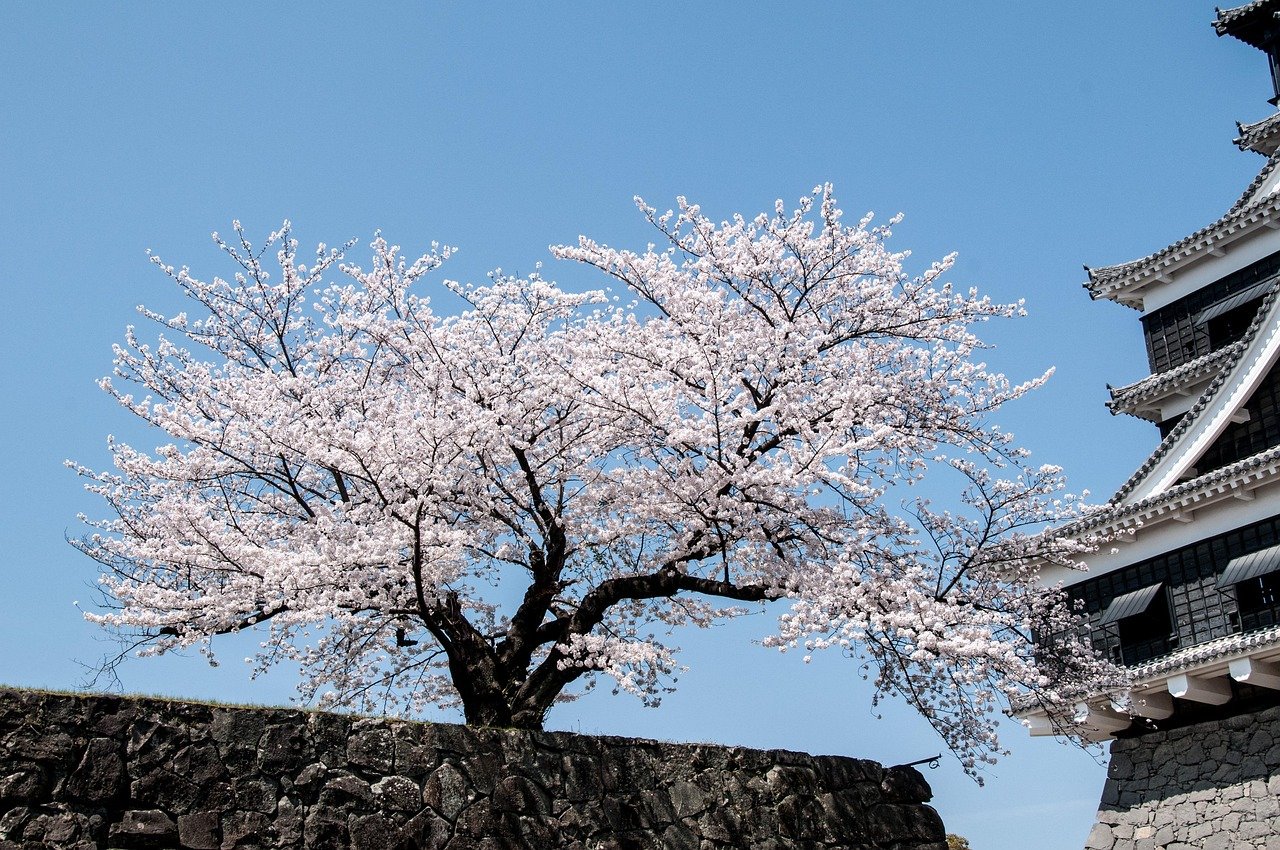
When is the best time to visit Japan? The honest answer is that it depends on what you want to see, how much you can tolerate crowds, and whether you would rather pack a rain jacket or a down coat. Japan is a long, thin archipelago stretching from subtropical Okinawa to snowy Hokkaido, so there is no single perfect month. What there is, instead, is a set of trade-offs that change dramatically from March to November.
This guide breaks down the seasons, the three domestic travel peaks that catch visitors off guard, and the practical details that separate a smooth trip from a frustrating one. It also covers what actually works in practice, including the mistakes first-time travelers make again and again.
Why Japan Has No Single Best Season
Japan’s climate varies so much by latitude and coast that two travelers in the same month can have completely different experiences. In July, Tokyo and Osaka regularly push past 30 °C with heavy humidity, while Sapporo in Hokkaido stays noticeably cooler and drier. On the Pacific side, winters tend to be dry and clear; on the Sea of Japan side, they are snowy and gray.
That geography means the “best time” question really has four separate answers:
| Goal | Best window | Why |
|---|---|---|
| Cherry blossoms (sakura) | Late March to early April in central Japan; early May in Sapporo | Bloom dates move north as the season progresses |
| Autumn foliage (kōyō) | Mid-to-late November in Kyoto; late November to early December in Tokyo | Colors peak later than blossoms and also track north to south |
| Avoiding crowds | Late May to early June, or late September to October | Between domestic travel peaks, though typhoon risk rises |
| Winter sports | January and February | Reliable snow in Hokkaido and the Japan Alps |
If you take one thing from this article, make it this: the “best” month is the one that matches your goal, not the one that tops a generic ranking.
Spring: Cherry Blossoms and the Crowds They Bring

Spring is the season most people picture when they imagine Japan, and for good reason. The cherry blossom season is genuinely spectacular, and it is also genuinely unpredictable. In Tokyo, the reference trees tracked by the Japan Meteorological Agency typically reach full bloom somewhere between late March and early April. In Sapporo, that moment usually arrives in early May. The exact dates shift year to year with winter and spring temperatures, which is why official forecasts are updated weekly as the season approaches.
The practical consequence is that booking a trip around a specific bloom date is a gamble. A better approach is to pick a two-week window, stay flexible on which city you visit first, and follow the forecast as it develops. Travelers who lock in a single date months in advance often end up chasing blossoms they missed by a few days.
Spring also brings Golden Week, a cluster of national holidays in late April and early May. Shōwa Day falls on April 29, Constitution Memorial Day on May 3, Greenery Day on May 4, and Children’s Day on May 5. When these land near a weekend, many workers take extra days off, and transport and accommodation become crowded and expensive. If you want to see Japan in spring without the crush, aim for mid-March or the second week of May.
What Spring Actually Feels Like
March is still chilly in most of Honshu, with mornings near freezing in some cities. By late April, daytime temperatures are pleasant and light layers are usually enough. Rain is common but rarely ruins a day. The most common mistake is packing only for the postcard image of mild, sunny blossom weather and forgetting that spring evenings can be cold.
Summer: Heat, Humidity, and the Rainy Season
Summer in Japan is hot. In July and August, Tokyo and Osaka regularly exceed 30 °C, and the humidity makes it feel worse. If you are sensitive to heat, this is the season to be honest with yourself about.
Before the heat arrives, most of Honshu experiences tsuyu, the rainy season, roughly from early June to mid-July. Hokkaido is largely unaffected, which makes it an appealing alternative during those weeks. The rain is not constant, but it is persistent enough that a compact umbrella and quick-drying shoes earn their place in your bag.
Two other summer factors matter:
Typhoon season runs roughly July through October, with a statistical peak in August and September. The Japan Meteorological Agency publishes monthly typhoon statistics, and checking forecasts a few days ahead is standard practice for anyone traveling in late summer. Build flexibility into your itinerary rather than booking every night in a different city.
Obon in mid-August is another domestic travel peak, when many people return to family hometowns. Trains and highways get busy, and some small businesses close for the holiday. It is not a reason to avoid August entirely, but it is a reason to book transport early.
The upside of summer is festivals. Fireworks displays, street fairs, and traditional dance events fill the calendar, and the atmosphere is hard to match. If you can handle the heat, summer rewards you with the most vivid version of Japanese public life. For travelers weighing seasonal trade-offs across other destinations, our guide to the best places to visit in October shows how timing decisions play out elsewhere.
Autumn: The Season That Quietly Wins
Ask experienced travelers which season they would choose, and many pick autumn. The kōyō, or autumn foliage, peaks later than cherry blossoms and follows a similar north-to-south progression. In Kyoto, peak color typically arrives mid-to-late November; in Tokyo, late November to early December.
Autumn has three advantages over spring. First, the weather is more stable, with crisp, clear days and lower humidity. Second, the crowds are thinner outside the major foliage spots. Third, the season lasts longer, since you can follow the color front from Hokkaido in October down to Kyushu in late November.
The catch is that famous temples in Kyoto get genuinely packed during peak foliage weekends. Visiting early in the morning, or choosing less famous sites, makes a real difference. Late September and early October are also a sweet spot for travelers who want mild weather and fewer people, though typhoon risk has not fully passed.
Winter: Skiing, Snow, and Quiet Cities
Winter divides Japan sharply. Hokkaido and the Japan Alps get reliable snow and world-class skiing, with January and February being the safest bets for powder. The Sea of Japan side is snowy and atmospheric, with hot springs towns that feel made for the season. The Pacific side, including Tokyo, is generally dry and clear, with cold but manageable temperatures. (Japan Travel Guide)
The big winter event is New Year, from late December into early January. Many shops and restaurants close around January 1, and shrine visits for hatsumōde draw enormous crowds. It is a fascinating time to be in Japan, but you need to plan meals and transport more carefully than usual.
Winter is also the cheapest season for many hotels outside ski resorts, and the light is beautiful for photography. If you do not mind the cold, it is the most underrated time to visit. Travelers planning a cold-weather trip with a focus on sunshine should compare notes with this roundup of November destinations that deliver sun.
The Three Domestic Travel Peaks to Avoid
Japan has three periods when domestic travel surges, and each one affects prices and crowding:
- Golden Week (late April to early May): holidays cluster, and many workers extend the break.
- Obon (mid-August): families return to hometowns, filling trains and highways.
- New Year (late December to early January): closures and shrine crowds.
If your dates overlap with any of these, book trains and hotels as early as possible. If your dates are flexible, shifting by even a week can cut costs significantly.
A Month-by-Month Snapshot
| Month | Weather | Crowds | Best for |
|---|---|---|---|
| January | Cold, dry on Pacific side; snowy elsewhere | Moderate, busy around New Year | Skiing, quiet cities, hot springs |
| February | Cold, clear | Low | Snow sports, February travel deals |
| March | Chilly, warming | Rising | Early blossoms, fewer crowds |
| April | Mild | Very high | Peak cherry blossoms, Golden Week run-up |
| May | Warm | High early, calmer late | Late blossoms, greenery, festivals |
| June | Rainy season begins | Low | Budget travel, Hokkaido |
| July | Hot, humid | Moderate | Festivals, mountain hiking |
| August | Hottest, typhoon risk | High around Obon | Fireworks, summer festivals |
| September | Cooling, typhoon peak | Moderate | Early autumn color in the north |
| October | Mild, clear | Moderate | Hiking, foliage begins |
| November | Cool, crisp | High at foliage spots | Peak autumn color |
| December | Cold | Rising late month | Illuminations, early snow |
For a deeper look at how month choice shapes a trip, this guide to the best February travel windows is a useful comparison point.
Practical Tips That Actually Work
First-hand experience and traveler reports point to a handful of habits that make a bigger difference than any single date choice.
Book accommodation early for spring and autumn. These are the two seasons when desirable hotels in Kyoto and Tokyo sell out months ahead. If you are set on a specific style of stay, our guide to boutique hotels in Kyoto explains what to look for and when to reserve.
Build in weather flexibility. Japan’s seasons are reliable in pattern but not in specifics. A day of rain in the rainy season or a shifted bloom date should not derail a trip. Keep one or two open days.
Buy a transit card on arrival. It works on trains, buses, and convenience stores in most cities, and it removes a surprising amount of daily friction.
Do not over-schedule. Travelers routinely try to fit five cities into ten days and end up seeing train stations. If that sounds familiar, the advice in this piece on how to stop over-scheduling your life applies just as well to itineraries.
Respect seasonal closures. Some mountain passes, rural restaurants, and small museums close in winter. Check ahead rather than assuming everything runs year-round.
Learn a few phrases. Even basic greetings go a long way outside major cities, and staff at smaller businesses appreciate the effort.
Matching the Season to Your Travel Style
Different travelers should weight the seasons differently. Food-focused visitors often prefer autumn, when rice, mushrooms, and seafood are at their best. Photography enthusiasts tend to favor late autumn for light and color. Families with school-age children are often locked into summer and should plan around heat and Obon. Budget travelers get the best value in winter and during the June rainy season.
The one group that should think hardest about timing is first-time visitors who want to see the classic highlights. For them, late March to mid-April and mid-to-late November offer the most spectacular scenery, but also the most competition for space. A slightly off-peak window, such as early March or early December, delivers much of the same atmosphere with far less friction. If you are building a broader itinerary, this collection of top destinations in Japan pairs well with a seasonal plan.
Conclusion
There is no universal best time to visit Japan, and anyone who tells you otherwise is selling something. Spring delivers the blossoms but also the crowds. Autumn offers the most balanced combination of weather, scenery, and comfort. Summer brings festivals and heat in equal measure. Winter is quiet, cold, and quietly excellent for skiers and city wanderers alike.
The real skill is matching your dates to your priorities and then planning around the three domestic travel peaks. Check the forecasts, stay flexible, book early for the busy seasons, and leave room in your schedule for the unplanned afternoon that turns out to be the best part of the trip. Japan rewards travelers who plan well and then let the country surprise them.
Frequently Asked Questions
What is the single best month to visit Japan?
October and November are the strongest all-around choices for most travelers. The weather is mild and stable, the autumn foliage is spectacular, and the crowds are thinner than in spring. April is the most popular month, but it is also the most crowded and expensive.
When should I go to see cherry blossoms in Japan?
Cherry blossoms typically reach full bloom in Tokyo between late March and early April, and in Sapporo in early May. The exact dates shift each year with temperature, so follow official forecasts and keep your itinerary flexible rather than locking in a single date.
Is it worth visiting Japan during the rainy season?
Yes, if you are prepared for it. The rainy season runs roughly early June to mid-July across most of Honshu, but rain is rarely constant. Crowds are lower, prices are better, and Hokkaido is largely unaffected, making it a strong alternative during those weeks.
How bad are the crowds during Golden Week?
Golden Week, in late April and early May, is one of Japan’s busiest domestic travel periods. Trains, highways, and popular hotels fill up, and prices rise. If you must travel then, book transport and accommodation well in advance, or shift your dates by a week in either direction.
What is typhoon season like in Japan?
Typhoon season runs roughly July through October, with the statistical peak in August and September. Most typhoons bring a day or two of heavy rain rather than a disaster, but they can disrupt flights and trains. Check forecasts a few days ahead and keep your schedule flexible.
Is winter a good time to visit Japan?
Winter is excellent for skiing in Hokkaido and the Japan Alps, and for quiet city travel at lower prices. The main complication is New Year, when many businesses close and shrine visits draw huge crowds. Outside that window, winter is calm and often beautifully clear.