
Best Time to Visit Paris: Month-by-Month Guide 2026
 Abdul WadoodLast updated
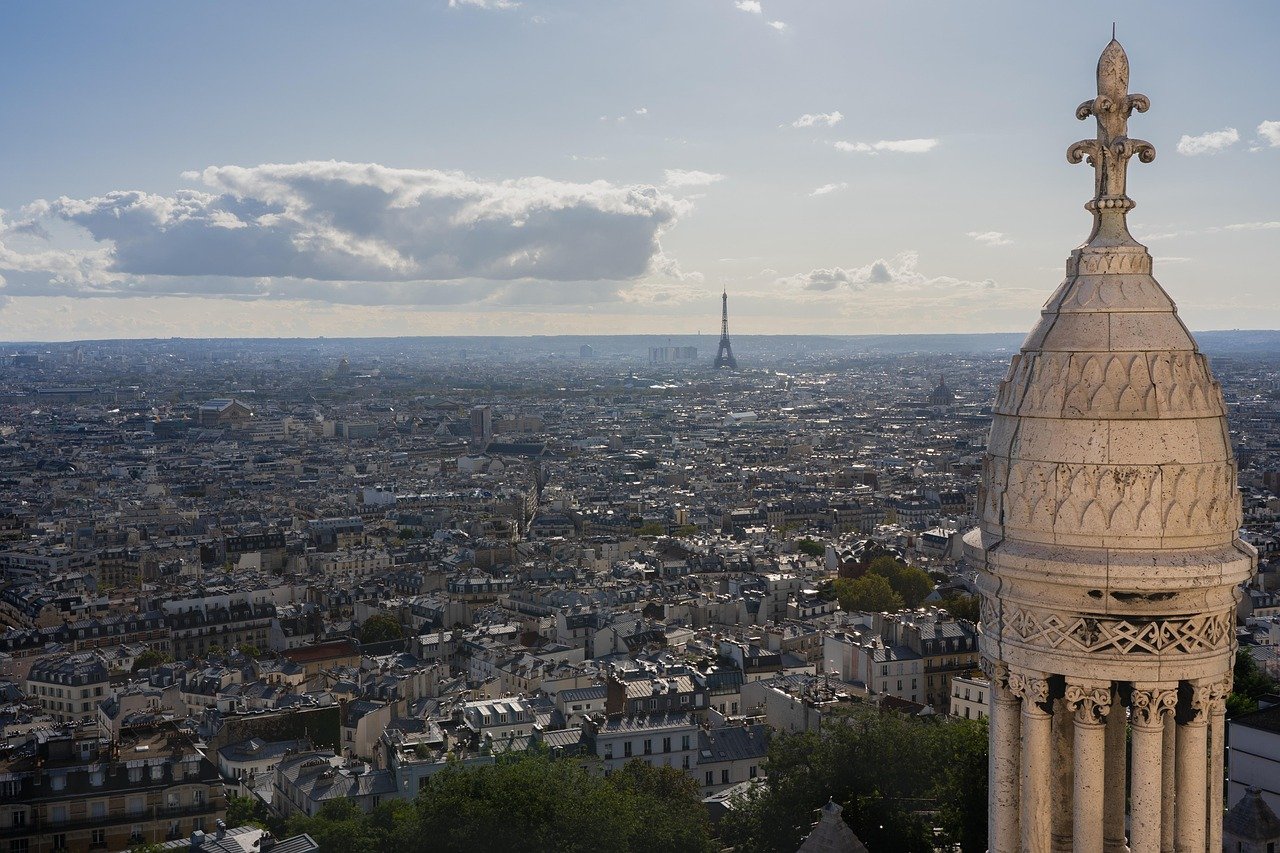
When is the best time to visit Paris? Ask ten travelers and you will get ten answers, usually shaped by whatever trip they took. Someone who sweated through a 40 °C August will swear by October. Someone who queued two hours for the Louvre in July will tell you to go in February. Both are right, and both are missing the point. Paris does not have one best season. It has a series of trade-offs between weather, crowds, cost, and daylight, and the smart move is to pick the trade-off that fits how you actually travel. (Ballet etiquette first time visitors practical guide your) (Paris)
This guide breaks those trade-offs down month by month, with the practical details that trip-planning articles tend to skip: when museums close, when locals leave town, when the heat is genuinely dangerous, and when the light lasts long enough to justify a late dinner by the Seine.
The Short Answer, Before the Detail
If someone wants a one-line recommendation, it is this: late September to mid-October and May to early June give the best balance of mild weather, manageable crowds, and long days. But that answer hides a lot. April can be glorious or freezing. August is hot, crowded, and oddly empty of Parisians at the same time. December is cold and dark but arguably the most atmospheric month of the year. (How to Stop Over Scheduling Your Life: Reclaim Your Time)
The honest framing is that Paris has three overlapping seasons that matter more than the calendar: the tourist season (roughly June to August), the cultural season (roughly September to June, when the concert and exhibition calendar is fullest), and the local season (when Parisians are actually in the city). They do not line up neatly.
What the Weather Actually Does

Paris has a temperate oceanic climate, which is a polite way of saying it is rarely extreme and frequently changeable. Long-term averages put July highs around 25 °C (77 °F) and January highs around 7 °C (45 °F). Those are averages, not promises. A July week can sit at 19 °C and drizzle; a January week can hit 14 °C and sunshine.
Rain falls fairly evenly across the year, with slightly wetter stretches in late spring and autumn. The practical takeaway is not “avoid the rain” but “pack for it.” A light waterproof layer and shoes that survive wet cobblestones will do more for your trip than any month choice.
Summer heat deserves a specific warning. Heat waves have become more frequent in recent decades, and the French national heat-wave warning system, the plan canicule, is activated each summer from 1 June to 31 August. Many older Parisian buildings have no air conditioning, and top-floor hotel rooms can become genuinely unpleasant. If you travel in July or August, book a room with confirmed air conditioning and plan indoor activities for the hottest afternoons.
Daylight is the underrated variable. Paris gets roughly eight hours of daylight in late December and about sixteen in late June. That difference reshapes an entire trip. In June you can eat dinner at 21:00 and still walk home in daylight. In December, the city is dark by 17:00 and the whole rhythm pulls indoors.
Month-by-Month: The Real Trade-Offs
| Period | Weather | Crowds | Cost | Best for |
|---|---|---|---|---|
| January–February | Cold, grey, occasional crisp sun | Lowest | Lowest | Museums, budget, quiet streets |
| March–April | Unstable, warming | Rising | Moderate | Early spring walks, fewer queues |
| May–mid June | Mild, long days | High but manageable | Rising | The classic sweet spot |
| Late June–August | Hot, humid spells | Peak | Peak | Festivals, long evenings, outdoor life |
| September–October | Mild, golden light | Moderate | Moderate | Overall best balance |
| November | Cool, damp, short days | Low | Low | Exhibitions, café life |
| December | Cold, dark, festive | Moderate | High near holidays | Christmas markets, atmosphere |
January and February: Cheap, Quiet, Cold
This is the cheapest and calmest stretch of the year, and it is underrated by anyone who cares more about art than sunshine. Queues at major museums shrink dramatically, restaurant reservations become possible at short notice, and hotel rates drop to their annual low.
The catch is the light. Short days and frequent grey skies can wear on you by day four. Counter it by planning indoor-heavy itineraries and booking one splurge meal rather than three. If you are chasing winter sun instead, it is worth comparing this against genuinely warm off-season options before committing.
March and April: Unpredictable but Rewarding
Spring arrives in fits and starts. One week is 18 °C and full of blossom; the next is 9 °C with sideways rain. Pack layers and accept that you will check the forecast every morning.
The upside is that crowds have not yet peaked and the city feels awake again. Easter moves each year, and the Easter-related public holidays (Easter Monday, Ascension, Whit Monday) shift with it, so check the official French public holiday calendar for your dates before booking. School holidays across Europe also cluster around Easter, which can spike prices for a fortnight.
May and Early June: The Sweet Spot
This is the stretch most experienced travelers name. Days are long, temperatures are pleasant rather than punishing, and the city’s terraces are fully open. It is also when the cultural calendar is in full swing.
The trade-off is that everyone else has noticed. Late May and early June see rising prices and busier museums. Book timed entries in advance, especially for the most popular institutions, and start your days early. If you are building a short trip around culture, a two-day itinerary that front-loads mornings works far better than trying to see everything.
Late June to August: Hot, Crowded, and Strangely Local
Peak season is peak for a reason: school holidays, warm weather, and sixteen hours of daylight. Long evenings along the Seine and outdoor festivals make this a genuinely magical time to be in Paris.
It is also the most expensive and most crowded. Two quirks catch visitors off guard. First, some independent shops and restaurants close for part of August while owners take their own holidays, so a favorite bistro from a previous trip may be shuttered. Second, the heat. The plan canicule warning system exists because summer heat in Paris is a real public health matter, not a minor inconvenience. (Opera etiquette first time visitors wear when clap fit)
If August is your only option, treat it like a Mediterranean city: mornings and evenings outdoors, afternoons in museums or shaded parks, and always carry water.
September and October: The Best All-Rounder
Warm but not hot, with a quality of light that photographers plan trips around. Crowds thin after the first week of September, prices ease, and the exhibition season relaunches with major shows. October is often the single most comfortable month for walking.
This is also when autumn travel planning pays off most, since the weather still cooperates while the summer premium has gone. If you want a wider shortlist of destinations that hit their stride in the shoulder months, it is worth comparing options before locking in Paris.
November: Damp, Dark, and Quietly Good
November is the least glamorous month: short days, frequent drizzle, and a grey palette. It is also cheap, calm, and excellent for museum-going. Photography exhibitions and gallery openings fill the cultural calendar, and café culture does the heavy lifting.
Bring good shoes and a proper rain jacket. This is not a month for ambitious walking itineraries.
December: Cold, Dark, and Full of Atmosphere
December splits into two halves. Early December is quiet and reasonably priced. From mid-December onward, holiday crowds arrive and prices jump. The reward is the city at its most decorative: shop windows, lights, and a festive mood that no other month matches.
Days are short, so structure your day around daylight hours and save indoor plans for after dark. Christmas Day itself is a fixed public holiday, and many restaurants close or switch to special menus.
Public Holidays and Museum Closures: The Traps
Two logistical details derail more Paris trips than weather ever does.
Fixed public holidays include 1 January, 1 May, 8 May, 14 July (Bastille Day), 15 August, 1 November, 11 November, and 25 December. On these dates, many museums and shops close or run reduced hours, and transport can be disrupted.
Museum closing days vary by institution. Many close on one weekday, commonly Monday or Tuesday, but this is not universal and can change. Always check the individual museum’s own site before building a day around it. Turning up to a shuttered entrance on your only free morning is a classic, avoidable mistake.
Bastille Day, 14 July, brings a military parade on the Champs-Élysées and fireworks. It is spectacular and extremely crowded. If you want the atmosphere, arrive early and expect restricted movement around central metro stations. If you want a quiet day, this is the day to leave the city.
Matching the Season to Your Trip
The best month depends on what you are optimizing for. A few practical profiles:
- First-time visitor wanting the classic experience: aim for late May or September. Good weather, full opening hours, manageable crowds with early starts.
- Budget traveler: January, February, or November. Lowest rates, shortest queues, and you trade only sunshine.
- Art and exhibition obsessive: September to November, when the cultural season is fullest and the crowds have thinned.
- Family with school-age children: late June or early July, before the August heat peak and the local holiday exodus.
- Atmosphere chaser: December, accepting cold and dark in exchange for the city at its most beautiful.
One mistake worth naming: booking around a single headline event without checking what else is happening. A major trade fair, fashion week, or a holiday weekend can triple hotel prices in a city that otherwise looks calm on the calendar. Cross-check your dates against local event listings before you commit. (Météo-France)
Another: assuming August means everything is open. It does not. Build flexibility into your restaurant plans and keep a short backup list.
How to Time Your Days Once You Are There
Season choice is only half the equation. Daily timing matters just as much.
In summer, start early. Major museums open to far shorter queues in the first hour. Eat lunch late, rest during the hottest part of the afternoon, and go back out in the evening when the light softens.
In winter, invert it. Use the daylight hours for walking and outdoor sights, and save museums, galleries, and long lunches for the dark afternoons.
In every season, book timed entries for the biggest attractions and leave at least one day unplanned. The best Paris days tend to be the ones with room to wander. That principle applies well beyond travel; leaving slack in the schedule is worth applying to daily life as well as holidays.
Conclusion
There is no single best time to visit Paris, only a best time for the trip you are actually taking. If you want mild weather, long days, and a city running at full cultural speed, aim for late May, June, or September into October. If you want low prices and quiet museums, take January, February, or November and dress properly. If you want atmosphere over comfort, December delivers something no summer month can.
What matters most is going in with clear eyes about the trade-offs. Check museum closure days, confirm air conditioning if you travel in summer, verify the movable public holidays for your year, and leave space in the itinerary for the unplanned afternoon that turns out to be the best part of the trip. Pick your season for the right reasons, and Paris will hold up its end of the bargain.
Frequently Asked Questions
What is the single best month to visit Paris?
September and October offer the best overall balance: mild temperatures, thinner crowds than summer, reasonable prices, and a full exhibition calendar. Late May and early June are close behind. No month is perfect, but these four consistently deliver the fewest compromises.
Is August a bad time to visit Paris?
Not bad, but demanding. It is the hottest, busiest, and most expensive month, and some independent shops and restaurants close while owners take holidays. If August is your only option, book air-conditioned accommodation, plan outdoor time for mornings and evenings, and expect crowds at major sights.
When is Paris cheapest to visit?
January, February, and November are the cheapest months for flights and hotels. The trade-off is cold, grey, and sometimes damp weather with short daylight hours. Travelers focused on museums, food, and café life often find this a perfectly good deal.
Do museums close on public holidays in Paris?
Many do, and closing days vary by institution. A large number of museums close on one weekday, often Monday or Tuesday, and most shut on fixed public holidays such as 1 January, 1 May, and 25 December. Always check the individual museum’s own website for your specific date.
How hot does Paris get in summer?
Average July highs sit around 25 °C (77 °F), but heat waves have become more frequent and can push temperatures far higher. The national heat-wave warning system operates from 1 June to 31 August each year, and many older buildings lack air conditioning, so plan accordingly.
How many hours of daylight does Paris get?
Roughly eight hours in late December and about sixteen in late June. This swing shapes how a trip feels more than most travelers expect. In summer you can eat late and still walk home in daylight; in winter the city is dark by late afternoon.