
Best Time to Visit Vietnam: 2026 Region-by-Region Guide
 Abdul WadoodLast updated
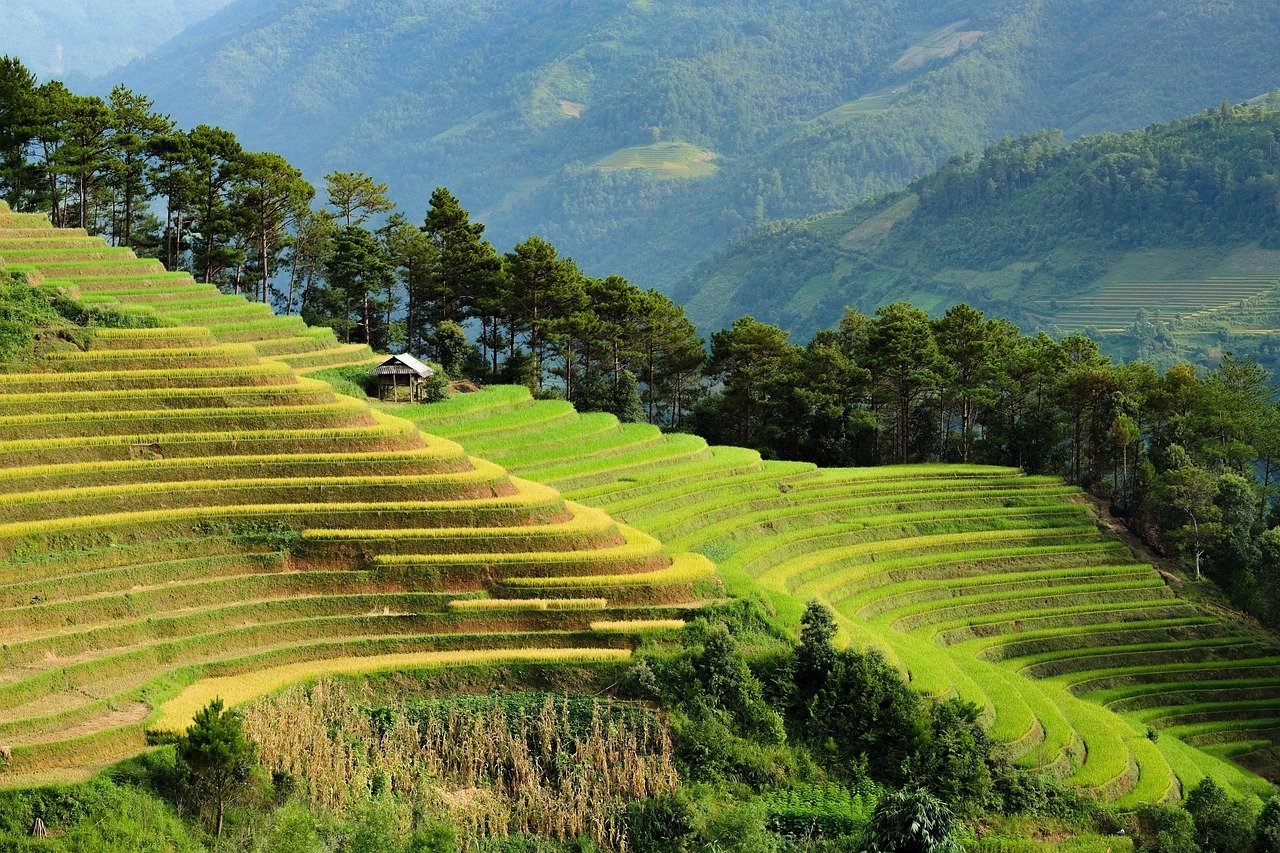
Can one country really have three different “best” months? In Vietnam, yes. The country stretches roughly 1,650 kilometers from north to south, and that long spine creates sharply different weather patterns. A traveler planning a beach week in Hoi An and a traveler dreaming of cool mornings in Sapa need completely different calendars.
That is why generic advice like “go in spring” falls apart fast. This guide breaks the year down by region, explains the trade-offs between weather, crowds, and price, and points out the mistakes that catch first-time visitors off guard.
Why Vietnam Has No Single Best Month
Vietnam’s climate splits into three distinct zones: the subtropical north, the tropical south, and the central coast, which follows its own rhythm. The north around Hanoi and Ha Long Bay has cool, often drizzly winters from December to February and hot, humid summers. The south, including Ho Chi Minh City and the Mekong Delta, runs a dry season roughly from November to April and a wet season roughly from May to October. (Climate of Vietnam)
Central Vietnam is the region travelers most often misjudge. Da Nang, Hoi An, and Hue are driest roughly from February to August and wettest roughly from September to December. Someone who checks Hanoi’s forecast and assumes Hoi An will match is planning for the wrong city entirely.
The practical takeaway: decide which region you are visiting first, then pick your month. If you are touring the whole country in one trip, accept that some part of it will be in an off-season mood.
The North: Hanoi, Ha Long Bay, and the Mountains
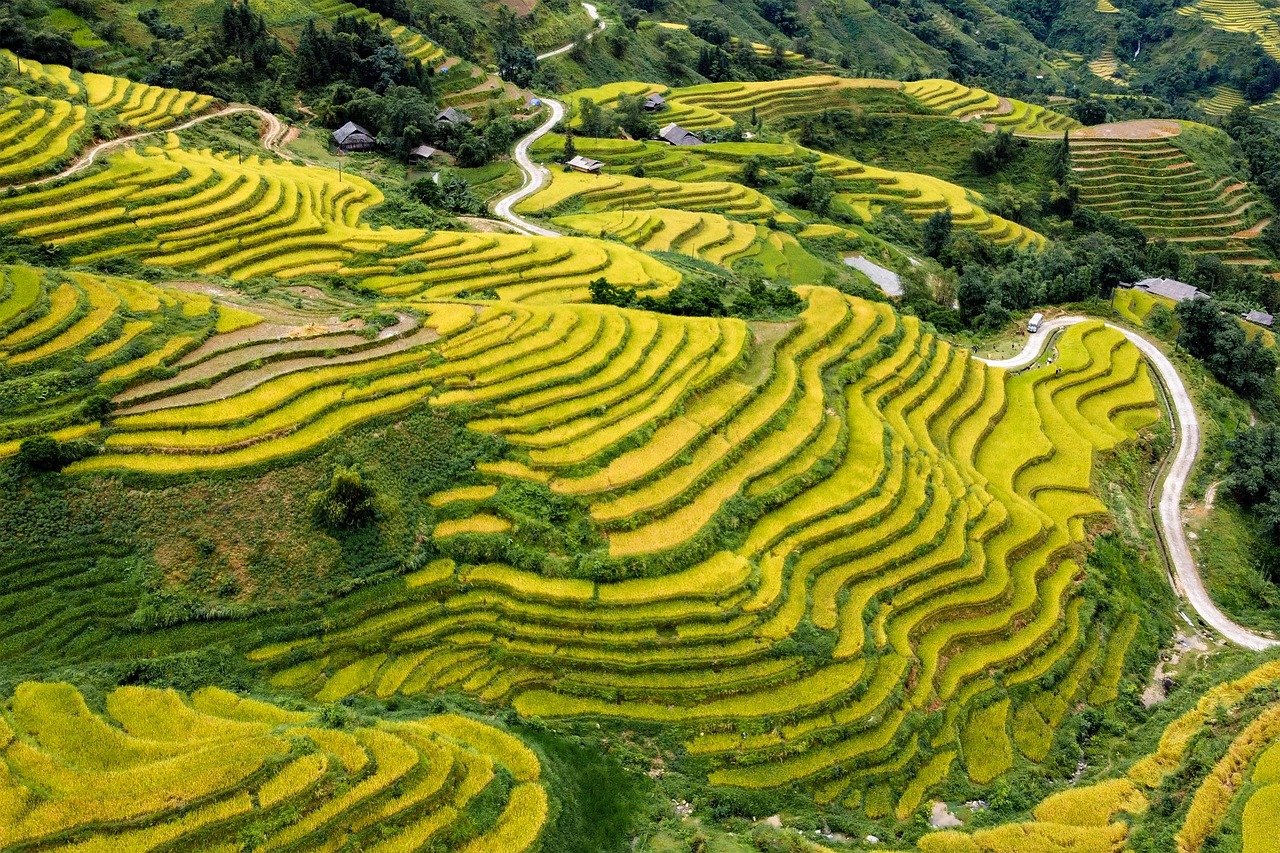
The north rewards travelers who like variety. Spring, roughly March and April, brings mild temperatures and lighter rain. Autumn, roughly September and October, is often the most comfortable stretch of the year, with warm days and lower humidity.
Winter in the north is genuinely cool, not tropical. Hanoi in December and January can be chilly and damp, and Sapa and the far northern mountains get properly cold, sometimes foggy. Pack layers if you are heading north between November and March. (National Hurricane Center tropical cyclone information)
Summer, roughly May through August, is hot, humid, and wet, with heavy downpours and the highest chance of storms along the coast. Ha Long Bay trips can be disrupted by rough seas during this window.
Sapa and the Rice Terraces
Mountain areas are coolest from November to March. The famous rice-terrace colors peak around September and October, though this varies by altitude and by year, so treat any exact “golden week” claim with suspicion. Cool, clear mornings make October a favorite among photographers, but the same month can bring rain in the valleys.
The South: Ho Chi Minh City and the Mekong Delta
The south is the easiest region to plan around because its seasons are simpler. The dry season, roughly November through April, delivers sunshine and lower humidity. December through March is the sweet spot for most visitors.
The wet season, roughly May through October, is not the washout people fear. Rain usually arrives as short, heavy afternoon downpours rather than all-day drizzle, and mornings often stay bright. Travelers who can shrug off a 45-minute downpour get lower prices and thinner crowds in return.
That distinction, short bursts versus prolonged rain, matters far more than monthly rainfall totals. Averages hide the fact that the south’s rain is often intense but brief, while the center’s autumn rain can settle in for days.
The Central Coast: Da Nang, Hoi An, and Hue
Central Vietnam has the most dramatic seasonal swing in the country. From roughly February through August, the coast is dry and beach-friendly. Hoi An’s lantern-lit streets and Da Nang’s beaches hit their stride in spring and early summer.
From roughly September through December, the pattern flips. This is the wettest stretch, when heavy rain and typhoons are most likely. The Northwest Pacific typhoon season runs roughly May to November, with Vietnam’s central and northern coasts most exposed from August to November. Travelers who book a Hoi An beach holiday in October are gambling, and the odds are not in their favor.
The trade-off is real: autumn in the center is lovely in theory and risky in practice. If the central coast is the heart of your trip, aim for February through August and treat September as a shoulder month with a backup plan.
Weather, Crowds, and Price: The Three-Way Trade-Off
Most “best time” advice disagrees because different sources optimize for different things. Some prioritize weather, others crowds, others cost. Here is how the year actually breaks down.
| Period | Weather | Crowds | Prices |
|---|---|---|---|
| Jan–Feb | Cool north, dry south | High around Tet | Highest |
| Mar–Apr | Mild, pleasant nationwide | Moderate | Moderate |
| May–Aug | Hot, wet north; peak beach time center | High (school holidays) | High |
| Sep–Oct | Best north; risky center | Low to moderate | Lower |
| Nov–Dec | Dry south; cool north; wet center | Rising toward holidays | Rising |
Tet, the Lunar New Year, is the single biggest variable. Domestic and international demand peaks around it, and the date shifts each year. In 2026, Tet falls in mid-February, so verify the exact dates before booking. Expect higher prices, packed transport, and closures during the holiday itself, as many shops and restaurants shut while families travel home.
Shoulder Seasons: Where the Real Value Sits
Shoulder months are where smart planning pays off. Spring, roughly March and April, and autumn, roughly September and October, are often cited as pleasant nationwide. But autumn is a genuine trade-off, not a clean win: it is excellent in the north and the start of the wet season in the center.
If you want a rule of thumb, use this one:
- Pick your region first.
- Match the month to that region’s dry window.
- Check whether your dates overlap Tet or the July–August school holidays.
- Build one indoor backup day for every three outdoor days.
That fourth step is the one travelers skip. Vietnam’s rain is often predictable enough that a flexible schedule beats a rigid one. A cooking class in Hoi An or a museum morning in Hanoi costs you nothing when the sky opens at 3 p.m.
Practical Timing Tips That Actually Work
A few habits separate smooth trips from stressful ones.
Book Tet travel early or avoid it. Transport and hotels fill months ahead, and prices climb. If you want the festive atmosphere, book far in advance and confirm that your must-visit restaurants will be open.
Do not use one city’s forecast for another. Check the weather for each stop on your route. Hanoi and Hoi An can be in completely different moods on the same day.
Respect the typhoon window on the central coast. Late summer and autumn carry the highest risk there. Travel insurance with weather coverage is worth the small cost.
Pack for layers in the north. Winter mornings in Hanoi and Sapa are colder than most tropical packing lists suggest.
Plan around the rain, not against it. In the south’s wet season, schedule outdoor activities for mornings and keep afternoons flexible.
For travelers who like structure, it helps to think about pacing the same way you would at home. The same principle behind how to stop over-scheduling your life applies to itineraries: leave slack, and the trip handles surprises better.
Pairing Vietnam With the Rest of Your Calendar
Many travelers slot Vietnam into a longer Southeast Asia loop, and timing then becomes a puzzle across borders. If your trip stretches into autumn, it is worth comparing regional options before locking dates, since October behaves very differently in Hanoi than in Hoi An. A look at where the season actually works in October can help you decide whether to lead with the north or the center.
Winter trips raise similar questions. If your dates land in February, checking which destinations deliver in February keeps you from booking a beach week during the central coast’s wettest stretch. November travelers chasing sun have their own set of trade-offs, and a survey of sunny November destinations helps weigh the south against alternatives.
Closer to home, the same logic applies to cultural planning. If your visit overlaps festival season, a primer on opera etiquette for first-time visitors covers dress and applause norms, and a practical guide to ballet etiquette for first-time visitors answers the same questions for dance performances. These small preparations make an evening out feel effortless rather than anxious.
Common Mistakes First-Time Visitors Make
The most frequent error is assuming Vietnam has one climate. It does not, and a single forecast cannot cover a 1,650-kilometer country.
The second is underestimating Tet. Travelers who arrive without bookings during the holiday find closed shops and full buses.
The third is treating the wet season as a dealbreaker. In the south, it usually means a dramatic afternoon shower and a fresh evening. In the center, it can mean flooded streets. Same label, very different reality.
The fourth is chasing “perfect weather” everywhere at once. On a two-week trip covering north, center, and south, some rain is close to inevitable. Build in flexibility and you will barely notice.
Conclusion
The honest answer to the best time to visit Vietnam is that it depends on where you are going and what you want from the trip. For the north, aim for spring or autumn. For the south, the dry season from November through April is the safest bet. For the central coast, February through August is the window to target, with autumn treated as a gamble.
Layer in the crowd calendar, especially Tet and the summer holidays, and the picture gets clearer. Shoulder months offer real value if you accept a trade-off or two. And wherever you land, a flexible plan and a willingness to work around an afternoon downpour will do more for your trip than any single “best month” list. Vietnam rewards travelers who plan by region, not by country.
FAQ
What is the best month to visit Vietnam overall?
There is no single best month for the whole country. March and April come closest to a nationwide sweet spot, with mild weather in the north and dry conditions in the south and center. October is excellent for the north but risky for the central coast.
When is the rainy season in Vietnam?
It depends on the region. The south’s wet season runs roughly May through October, usually as short afternoon downpours. The central coast is wettest roughly September through December, when rain can be prolonged. The north’s summer, roughly May through August, is hot and wet.
Should I avoid traveling during Tet?
Not necessarily, but plan carefully. Tet brings peak demand, higher prices, and closures as families celebrate. In 2026 it falls in mid-February. Book transport and hotels well ahead, and confirm that your must-visit spots will be open.
Is the central coast safe to visit during typhoon season?
Typhoon season runs roughly May to November, with Vietnam’s central and northern coasts most exposed from August to November. Storms are not guaranteed, but the risk is real. Travel insurance with weather coverage and a flexible itinerary are sensible precautions.
Which region is best for a beach holiday?
The central coast from roughly February through August and the south’s dry season from November through April are the strongest bets. Avoid the central coast in October if beach time is the priority.
How far ahead should I book a Vietnam trip?
For non-holiday periods, two to three months is usually comfortable. For Tet or the July-August school holidays, book three to six months ahead, especially for popular beach areas and Ha Long Bay cruises.