
Hair Brush Guide: Find the Right Brush for Your Hair
 Abdul WadoodLast updated
Ever stood in the hair-care aisle, staring at a wall of brushes that all look basically the same, and wondered why on earth there are so many? Paddle brushes, round brushes, vent brushes, boar-bristle brushes, detangling combs dressed up as brushes. It feels like a racket until you realize something simple: the right brush makes your hair look better, and the wrong one quietly wrecks it. This guide cuts through the noise. It covers what each brush type actually does, how to match one to your hair, and the everyday mistakes that cost people good hair days. (Hair Products)
What a Hair Brush Actually Does
A hair brush is a grooming tool with a handle and a cluster of bristles or teeth, designed to detangle, smooth, style, and shape hair. That definition undersells it. The brush you reach for shapes how your hair dries, how much it frizzes, how often it breaks, and how your scalp feels at the end of the day.
Hair grooming tools go back a long way. Combs and similar implements appear in very early archaeological records, including Egyptian and Roman examples, and grooming tools have been part of human material culture for thousands of years. The stiff-bristle brush as we know it is a much later development, tied to 19th- and 20th-century grooming manufacturing. Popular sources often name a specific “inventor of the hairbrush,” but those claims conflict with each other, so it pays to treat them with skepticism. (Hairbrush)
What is not disputed is the material shift. Early brushes used animal bristle, typically boar or horsehair. Modern brushes use nylon, silicone, mixed bristles, and metal pins. Each material behaves differently on the hair shaft, and that difference is the whole game.
The Main Hair Brush Types and What They’re For
Most brushes on the shelf fall into a handful of categories. Knowing what each one is built to do is the fastest way to stop guessing.
Paddle Brushes
A paddle brush has a wide, flat base with bristles on one side. It covers a lot of hair per stroke, which makes it the workhorse for straight, thick, or medium-length hair. It smooths and detangles without much styling effort. The downside is bulk: it is awkward for short hair and does little for curls.
Round Brushes
A round brush pairs a cylindrical barrel with bristles and is used together with a blow dryer to add volume, shape ends, and build curl. Barrel size controls the result: a small barrel creates tighter curves, a large one smooths and lifts. Round brushes demand technique. Held still against hot air, they can overheat a section of hair fast.
Vent Brushes
A vent brush has open slots in the base so air flows through. It speeds up drying and gives light shaping without the tension of a round brush. It is a practical choice for quick morning routines and for fine hair that flattens easily.
Detangling Brushes
Detangling brushes use flexible bristles, often with varied lengths, to work through knots with less pulling. They are the go-to for wet hair, kids’ hair, and anyone with fragile or textured strands. They are not styling tools, and expecting them to smooth a blowout is a mismatch.
Boar-Bristle Brushes
Boar-bristle brushes have dense, stiff natural bristles. They are widely marketed for distributing scalp oils down the length of the hair, which can add shine and reduce frizz on the surface. That oil-distribution claim is reasonably supported. The related claim that brushing stimulates hair growth is not well established, so treat it as uncertain rather than fact.
Cushion and Mixed-Bristle Brushes
Many brushes combine nylon pins with boar bristles on a cushioned base. These are the all-rounders: the pins detangle, the bristles smooth. For people who want one brush and no collection, a quality mixed-bristle cushion brush is usually the safest bet.
Matching the Brush to Your Hair Type
The single biggest mistake people make is buying a brush because it looked good in someone else’s routine. Hair type drives the decision. Here is how the main categories line up.
| Hair type | Best first brush | Avoid | Why it matters |
|---|---|---|---|
| Fine, straight | Vent brush or soft mixed-bristle | Stiff boar bristle, heavy paddle | Fine hair flattens and breaks under tension |
| Thick, straight | Paddle brush | Small round brushes | Needs coverage per stroke, not precision |
| Wavy | Mixed-bristle cushion brush | Dense stiff bristles | Preserves the wave pattern while smoothing |
| Curly | Detangling brush used on wet hair | Any brush used dry | Dry brushing breaks up curl clumps and causes frizz |
| Coily/textured | Wide-tooth comb plus detangling brush | Fine-tooth anything | Texture needs slip, not force |
| Damaged or chemically treated | Soft detangling brush | Round brush with hot air | Fragile strands cannot take heat plus tension |
A practical tip that saves money: buy for the hair you have now, not the hair you had two years ago or plan to have after a growth kick. Routines change, textures change with treatments, and a brush that suited you at 22 may be the wrong tool at 35.
Bristle Material: The Detail Most People Skip
Bristle material decides how the brush feels and how it treats the hair shaft.
Natural boar bristle is stiff, dense, and excellent at spreading oils and smoothing the surface. It is poor at detangling and harsh on fine or fragile hair if used aggressively.
Nylon and plastic bristles come in every stiffness. Ball-tipped nylon is gentler on the scalp. Untipped nylon can scratch. The tips matter more than most shoppers realize.
Silicone and flexible bristles bend with knots instead of tearing through them, which is why detangling brushes lean on them.
Metal pins are common on round brushes. They conduct heat, which helps styling but punishes careless technique.
One common mistake: buying a brush with beautiful stiff bristles for fine hair because it “feels substantial.” Stiff bristles on fine hair create friction, and friction plus repeated strokes equals breakage over months, not days. The damage is slow and easy to miss until the ends look thin.
Wet vs. Dry Brushing: Getting the Order Right
Brushing wet hair is where a lot of damage happens. Wet hair stretches and is more fragile than dry hair. Working a stiff brush through wet strands pulls on the cuticle and the root.
What actually works in practice: detangle wet hair with a wide-tooth comb or a dedicated detangling brush, starting at the ends and working upward in small sections. Save the paddle or round brush for dry hair or for blow-drying with controlled heat. Never yank a brush from root to tip through a knot. That single habit causes more breakage than any product choice.
Brush Care: The Chore Everyone Skips
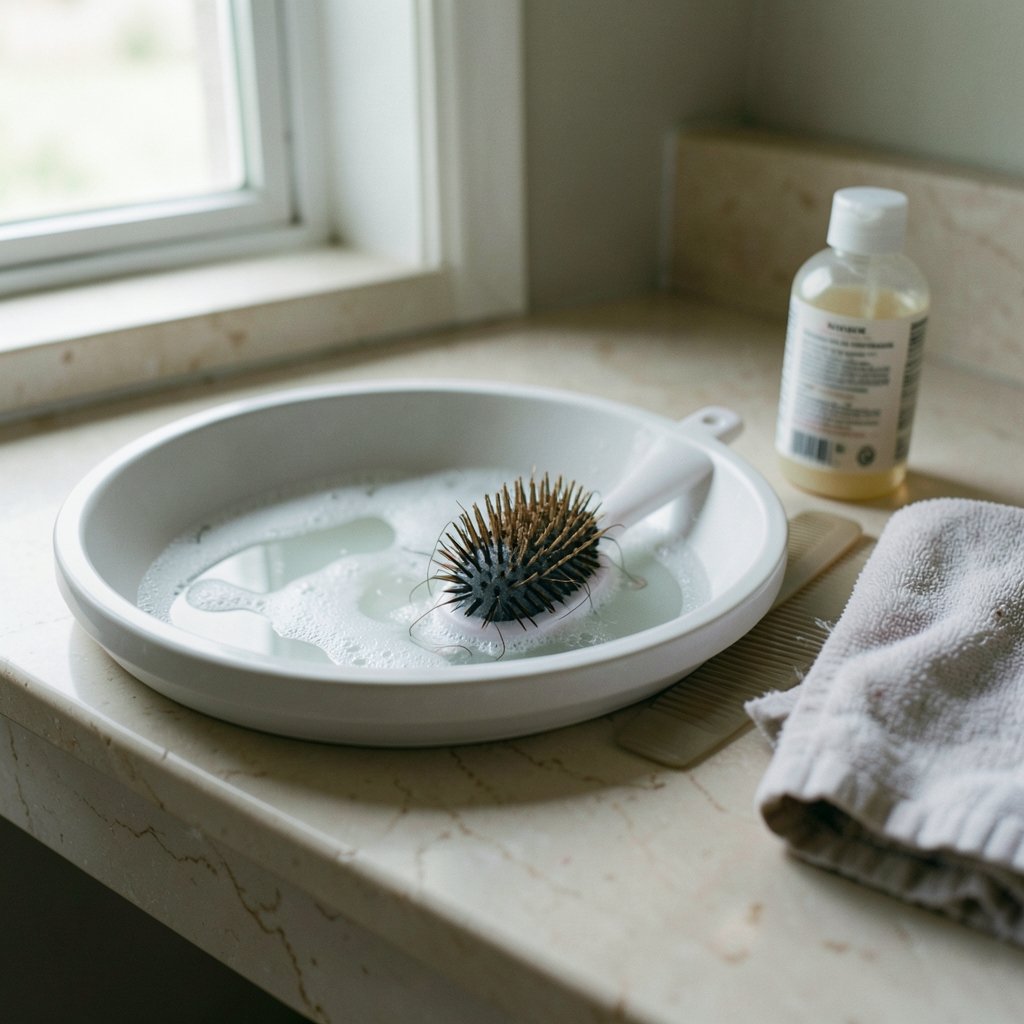
Brushes collect hair, dust, product residue, and scalp oils. Left alone, they get genuinely unpleasant and stop performing. Dermatological guidance commonly includes cleaning brushes regularly and replacing them when bristles wear out, though specific frequency recommendations vary by source. A workable routine: remove loose hair weekly, wash the brush head in mild soap and warm water every few weeks, and dry it bristle-side down.
Replace a brush when bristles splay, tips break off, or the cushion loses its give. A worn brush stops gliding and starts dragging, and dragging is what breaks hair.
Common Mistakes That Cost People Good Hair Days
A few habits show up again and again, and each one is easy to fix.
Brushing from the top down. Start at the ends. Always.
Using one brush for everything. A round brush cannot detangle, and a detangling brush cannot style. Two tools cover most people’s needs.
Brushing curly hair dry. This is the fastest route to frizz. Detangle in the shower with conditioner in, or on damp hair with a dedicated tool.
Ignoring the scalp. Brushing should feel comfortable. Pain at the root means the brush is wrong or the technique is too rough.
Overbrushing. The old “100 strokes” advice is a myth worth retiring. A few passes to smooth and distribute oils is plenty. More strokes mean more friction.
Skipping the ends. People brush the top and abandon the ends, which is exactly where knots form and where breakage shows first.
How to Build a Small, Sensible Brush Collection
Most people do not need five brushes. A realistic setup looks like this:
- One detangling tool for wet hair, ideally a wide-tooth comb or flexible-bristle brush.
- One everyday smoothing brush matched to hair type, usually a paddle or mixed-bristle cushion brush.
- One styling brush, only if you blow-dry regularly, sized to the result you want.
That is it. Three tools, chosen deliberately, outperform a drawer full of impulse buys. If budget is tight, start with the detangling tool and the everyday brush. The styling brush is the one you can add later.
For readers who want to dig deeper into grooming tools and their place in material culture, the Wikipedia entry on brushes covers the broader history and construction of the tool families involved. General guidance on hair structure and how the shaft responds to friction and heat is available through the Wikipedia article on hair. For a wider look at how consumer product choices get made, Harvard Business Review regularly publishes work on how buyers evaluate everyday purchases, and Forbes covers consumer trends in personal care. Readers comparing grooming and styling advice across categories may also find useful context at voozon.media.
Conclusion
The hair brush is a small object with an outsized effect. The right one detangles without pulling, smooths without frizzing, and makes a two-minute morning routine feel effortless. The wrong one does quiet damage that shows up months later as thin ends and split shafts. The formula is not complicated: match the brush to your hair type, respect the difference between wet and dry hair, start at the ends, and keep the tool clean. Buy two or three good brushes instead of eight mediocre ones. Your hair will tell you within a week whether you got it right, and if you did, you will wonder why you ever agonized over that aisle in the first place.
FAQ
What is the best hair brush for everyday use?
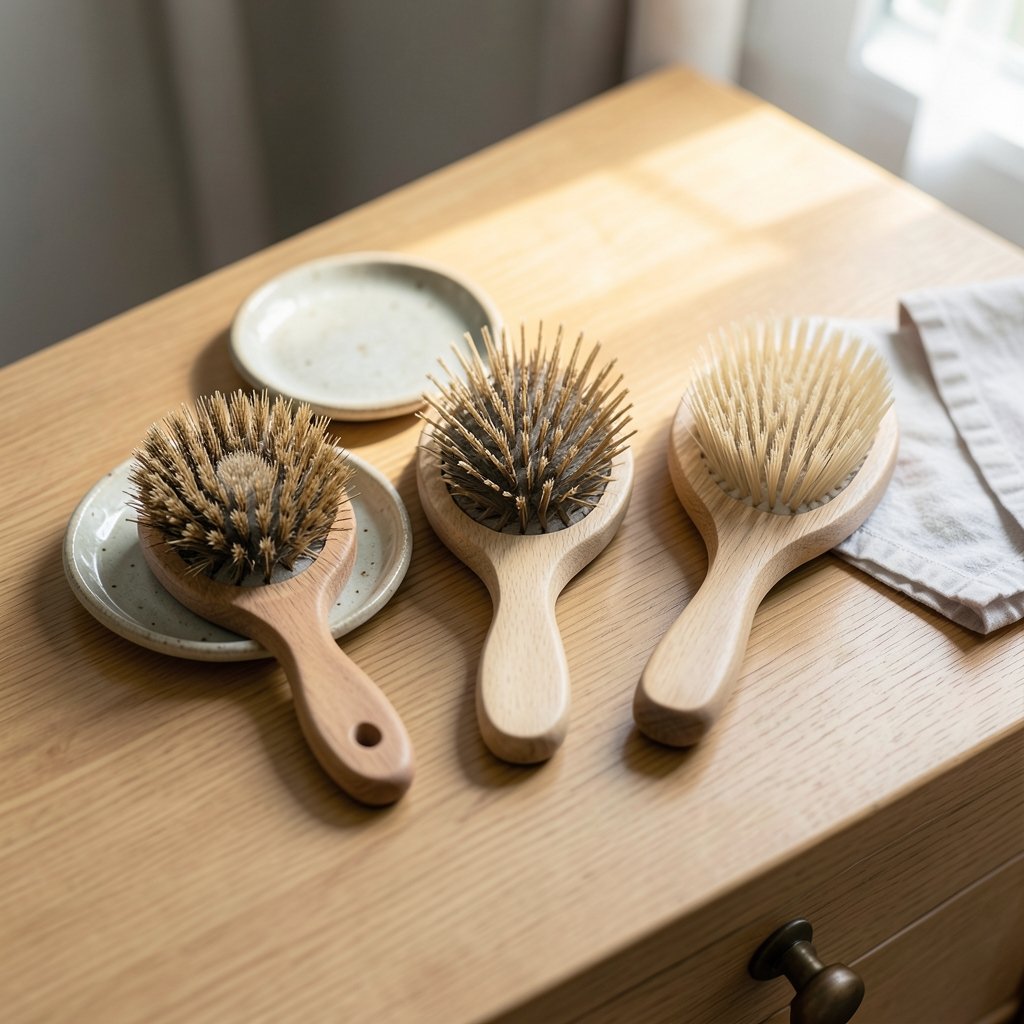
For most people, a mixed-bristle cushion brush or a paddle brush matched to hair type is the best everyday option. It detangles, smooths, and distributes oils without the tension of a round brush. Fine hair does better with a vent brush or softer bristles, while thick hair benefits from the coverage of a paddle.
Should you brush wet hair?
Generally, no, not with a stiff brush. Wet hair is more fragile and stretches easily, so pulling a firm brush through it increases breakage risk. Use a wide-tooth comb or a dedicated detangling brush on wet hair, working from the ends upward, and save firmer brushes for dry hair or controlled blow-drying.
Do boar-bristle brushes really distribute natural oils?
Yes, that claim holds up reasonably well. Dense natural bristles help carry scalp oils down the length of the hair, which can add shine and reduce surface frizz. The separate claim that brushing stimulates hair growth is not well established, so it should be treated as uncertain rather than proven.
How often should you clean a hair brush?
Remove loose hair weekly and wash the brush head with mild soap and warm water every few weeks, then dry it bristle-side down. Specific cleaning frequency recommendations vary between sources, but the principle is consistent: buildup of hair, dust, and product residue degrades performance and hygiene. Replace the brush when bristles splay or tips break.
Can the wrong brush cause hair damage?
Yes, over time. Stiff bristles on fine or fragile hair create friction, and repeated rough strokes weaken the shaft. Brushing from the root down through knots, brushing curly hair dry, and overbrushing all increase breakage. The damage is gradual, which is why it often goes unnoticed until the ends look thin.
How many hair brushes does one person actually need?
Most people need two or three: a detangling tool for wet hair, an everyday smoothing brush matched to hair type, and optionally a styling brush if they blow-dry regularly. A drawer full of brushes is rarely necessary. Choosing a few tools deliberately works better than collecting many that overlap in function.