
2023 Cars: Key Safety, Tech & Buying Insights
 Abdul WadoodLast updated

The 2023 model year may go down as the moment the car stopped being just a car. According to the U.S. Environmental Protection Agency, the average new vehicle for model year 2023 delivered record-high fuel economy while producing record-low carbon emissions per mile, a milestone that arrived even as buyers flocked to larger trucks and SUVs. That tension, between what people buy and what regulators want them to buy, shaped nearly every 2023 car on the road. This guide walks through what actually defined the 2023 model year: the technology that became standard, the safety features that saved lives, the price shifts that reshaped budgets, and the practical lessons buyers learned the hard way.
What “2023 Cars” Really Means
Before digging into specifics, it helps to pin down the term. A 2023 model year vehicle is not the same as a car sold in calendar year 2023. Model years typically begin in the second half of the preceding calendar year, so many 2023 cars hit dealerships in mid-2022 and were still selling well into 2024. The distinction matters because safety recalls, fuel economy ratings, and pricing data are all organized by model year, not by the date on a sales receipt.
That gap also explains a common frustration. A buyer who purchased a “new” 2023 car in early 2024 may have been looking at a vehicle built more than eighteen months earlier, sometimes with outdated software. Checking the build date on the door jamb sticker is one of the simplest habits a shopper can adopt, and it is one that far too many people skip. (Vehicle Safety)
The Safety Story: Ratings That Mattered
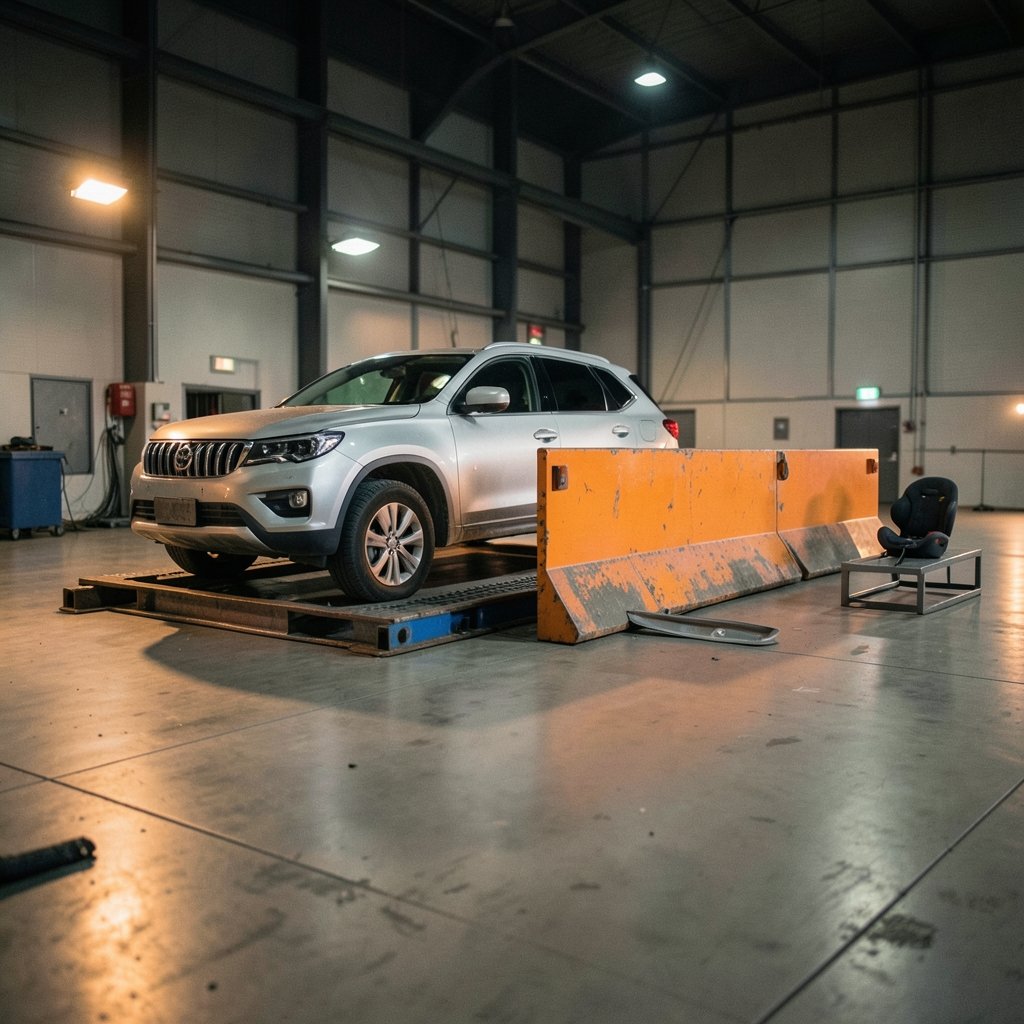
For 2023 cars, crash-test performance separated the genuinely safe from the merely adequate. The Insurance Institute for Highway Safety tightened its criteria for its Top Safety Pick awards for the 2023 model year, adding a tougher side-impact test that simulated a heavier striking vehicle. The result was a smaller list of winners than in prior years, and several popular models that had coasted on past accolades lost their awards entirely.
The practical takeaway for shoppers is straightforward: a Top Safety Pick badge from an earlier model year does not automatically carry over. Buyers who assumed a nameplate’s reputation would hold up sometimes discovered that the 2023 version scored differently. Checking the specific model year, not just the model name, is essential.
Advanced Driver Assistance Went Mainstream
The bigger shift in 2023 was not any single feature but the standardization of advanced driver assistance systems. Automatic emergency braking, lane-keeping assistance, and adaptive cruise control moved from optional packages to standard equipment on a wide range of mainstream vehicles. This was partly driven by a voluntary industry commitment that most major automakers signed, aiming to make automatic emergency braking standard on nearly all new light vehicles.
In practice, though, “standard” did not mean “equal.” Some 2023 cars shipped with systems that worked smoothly in highway traffic but struggled in heavy rain or direct sunlight. Others intervened so aggressively that drivers disabled them. The lesson from the first year of broad standardization is that shoppers should test the systems on a real test drive rather than trusting a spec sheet.
Electrification Became a Real Choice, Not a Niche
The 2023 model year was the year electric vehicles stopped being an experiment for most buyers. A wave of new entries arrived in the compact SUV and crossover segments, the body style Americans actually buy. At the same time, plug-in hybrids multiplied as a bridge option for drivers worried about charging access.
What actually worked in practice, according to owner patterns from that period, was matching the powertrain to the driving routine. Households with a garage and a daily commute under roughly 40 miles found that a plug-in hybrid could run almost entirely on electricity while eliminating range anxiety on road trips. Households in apartments without reliable charging often regretted an EV purchase, not because the car was bad but because the infrastructure around it was.
The Charging Reality Check
Public charging reliability was the single most common complaint from 2023 EV owners. Networks varied wildly by region, and a station listed as “available” in an app could be broken, occupied, or blocked. Experienced owners developed habits that newcomers had to learn: charging at home whenever possible, planning routes around known-reliable stops rather than the shortest distance, and keeping a backup plan for every long trip.
For anyone weighing whether the experience-first approach to car buying is worth the effort, the cars built around experience piece makes a persuasive case that how a car feels to live with matters more than its spec sheet.
Pricing, Inventory, and the End of the Markup Era
The 2023 model year straddled two very different markets. The first half was still defined by thin inventory and dealer markups above sticker price, a hangover from supply chain disruptions. By the second half, inventories had recovered, incentives returned, and buyers who had waited suddenly had leverage.
| Market Phase | Inventory | Typical Pricing | Buyer Leverage |
|---|---|---|---|
| Early 2023 | Very tight | Above MSRP common | Low |
| Mid 2023 | Recovering | Near MSRP | Moderate |
| Late 2023 | Healthy | Below MSRP and incentives | High |
The mistake many buyers made was signing in the first half of the year without shopping multiple dealers. Those who waited a few months, or who expanded their search radius by a hundred miles, frequently saved thousands on the same vehicle. Patience was, quite literally, a discount.
Technology Inside the Cabin
Inside 2023 cars, screens got bigger and buttons got scarcer. Large central touchscreens became the default, and several automakers moved climate controls into menus. This was marketed as modernization, but owner feedback told a more complicated story. Tasks that once took a glance and a twist of a knob now required navigating submenus, and safety researchers noted the distraction risk.
The 2023 model year also brought widespread wireless smartphone integration, over-the-air software updates, and digital keys. Over-the-air updates were genuinely useful, fixing bugs and occasionally adding features months after purchase. But they also introduced a new dependency: cars that needed a stable data connection to receive improvements, and owners who sometimes waited weeks for a fix that a dealership visit would have handled in an afternoon.
Subscription Fatigue Set In
Perhaps the most debated 2023 trend was the rise of feature subscriptions. Heated seats, advanced driver assistance, and remote start were, in some cases, locked behind monthly fees even when the hardware was already installed. Public backlash was swift and, in several instances, effective, with automakers reversing course. The episode taught the industry a durable lesson: buyers will pay for genuine ongoing services, but they resent paying twice for hardware they already own.
Practical Buying Tips That Actually Work
Buying a 2023 car, whether new or used, rewards preparation over impulse. These steps consistently separate good outcomes from regretful ones.
- Verify the model year and build date. Check the door jamb sticker and the VIN, not just the listing.
- Pull the recall history. Every major market publishes recall databases by VIN, and open recalls are repaired free at franchised dealers.
- Test the driver assistance systems in traffic. Spend at least fifteen minutes with adaptive cruise and lane-keeping engaged.
- Check software update status. Confirm the infotainment system is on a current version before signing.
- Compare insurance quotes before buying. Repair costs for sensor-laden 2023 cars vary enormously between models.
- Inspect tires and brake wear on used examples. A low-mileage 2023 car can still have worn rubber if it sat or was driven hard.
For a broader look at how reviewers separate hype from substance across model years, the Voozon Cars reviews, comparisons and car guides hub is a useful starting point.
Common Mistakes to Avoid
The most expensive error buyers made with 2023 cars was assuming that a higher trim level automatically meant better value. Often, the mid-level trim carried the safety and convenience features that mattered, while the top trim added cosmetic extras with steep depreciation. Another frequent mistake was skipping a pre-purchase inspection on a nearly new used car, on the assumption that “it’s basically new.” Flood damage, prior rentals, and unrepaired collision work can hide behind a clean-looking exterior.
Reliability and Repair Realities
The 2023 model year arrived with more computing power per vehicle than ever before, and that complexity showed up in repair bills. Sensor calibration after a windshield replacement, for instance, became a routine cost that many owners had never budgeted for. Body shops reported longer turnaround times as they invested in the equipment needed to recalibrate cameras and radar.
On the positive side, many 2023 cars benefited from simplified electric powertrains with far fewer moving parts than combustion engines. EV owners reported lower routine maintenance costs, though tire wear ran higher because of vehicle weight and instant torque. The balanced view is that 2023 cars traded some traditional repair simplicity for lower routine maintenance and more expensive electronics repairs.
Conclusion
The 2023 model year was a hinge point. Fuel economy and emissions hit record marks, driver assistance became standard rather than optional, electric vehicles moved into the mainstream segments, and buyers regained leverage at the dealership for the first time in years. It was also a year of friction: subscription experiments, touchscreen overload, and charging networks that lagged behind the cars themselves. For anyone shopping a 2023 car today, the playbook is clear. Verify the model year, check recalls, test the technology in real conditions, and match the powertrain to how the car will actually be used. Do that, and the 2023 model year offers genuinely strong value. Skip it, and the complexity of the modern car will happily punish the shortcut. For more model-by-model context, the Voozon Cars reviews and comparison guides are worth bookmarking before you start shopping.
Frequently Asked Questions
What is the difference between a 2023 model year car and a car sold in 2023?
A 2023 model year car is defined by the manufacturer’s production designation, which typically begins in the second half of 2022. A car sold in calendar year 2023 could be a 2022, 2023, or even 2024 model year vehicle. This distinction matters because recalls, safety ratings, and fuel economy figures are all tracked by model year, not sale date. (2023 in motorsport)
Were 2023 cars more fuel efficient than earlier models?
Yes. Fleet-wide averages for the 2023 model year reached record highs for fuel economy and record lows for per-mile carbon emissions, even as buyers continued choosing larger vehicles. Much of the gain came from more efficient engines, wider use of hybrid systems, and a growing share of fully electric vehicles in the mix.
Are driver assistance features standard on 2023 cars?
Many were, but not uniformly. Automatic emergency braking and lane-keeping assistance became standard on a large share of mainstream 2023 vehicles, driven partly by a voluntary industry commitment. However, system quality and capability varied widely between brands, so testing the features on a real drive is essential rather than relying on the equipment list.
What should I check before buying a used 2023 car?
Check the build date on the door jamb, run the VIN through recall databases, confirm the infotainment software is current, and get a pre-purchase inspection even on a low-mileage example. Also review tire and brake wear, verify the car was not a rental or fleet vehicle, and compare insurance quotes, since sensor repairs can be costly.
Did 2023 cars really have subscription features?
Some did. A handful of automakers placed heated seats, remote start, or advanced driver assistance behind monthly fees even when the hardware was already installed. Public backlash led several brands to reverse those decisions, but the practice highlighted a broader shift toward software-defined vehicles.
Are 2023 electric cars a good used purchase now?
They can be, especially for households with reliable home charging. The key checks are battery health, remaining warranty coverage, charging speed capability, and software update history. Buyers without dependable home charging should weigh whether public infrastructure in their area meets their actual routine before committing.